Sight Reading (Leaving Cert Music): Revision Notes
📚Revision Notes
Sight Reading
What is Sight Reading?
- Definition: Sight reading is the ability to perform music by reading it for the first time without prior preparation.
- It assesses your ability to interpret pitch, rhythm, and dynamics accurately and fluently.
Requirements
- Higher Level: Students are expected to perform a sight-reading test as part of their performing examination.
- Pieces will include predictable patterns, but a higher standard of technical and musical fluency is required than at Ordinary Level.
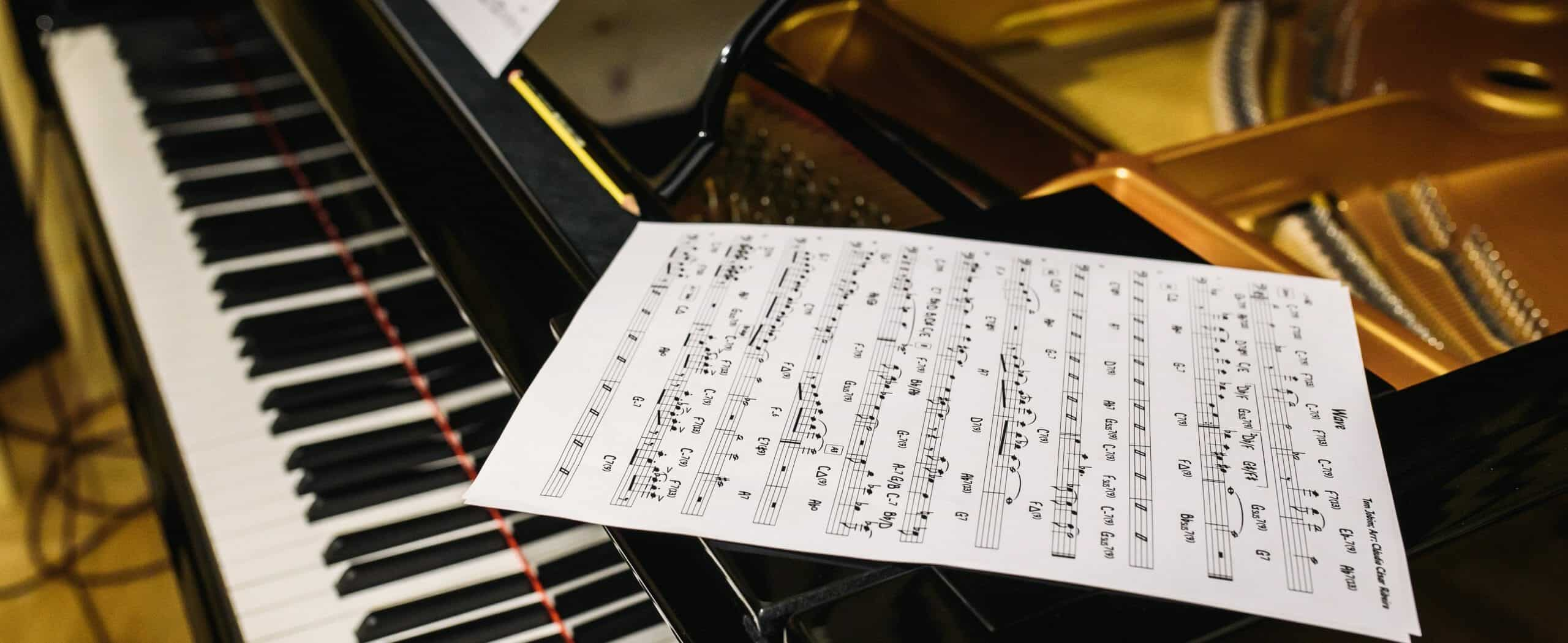
Key Skills for Sight Reading
Pitch Recognition
- Understand notes on both treble and bass staves.
- Be comfortable with key signatures (up to four sharps/flats for Higher Level).
- Identify diatonic intervals and basic chords.
Rhythm
- Accurately interpret note values (including dotted rhythms) and rests.
- Handle simple (e.g., 4/4) and compound time signatures (e.g., 6/8).
Dynamic Awareness
- Observe any changes in dynamics and articulation (e.g., staccato, legato).
Fluency
- Maintain a steady tempo without stopping or hesitating.
- Prioritise continuity over minor errors.
Preparation Tips
Practice Regularly
- Use graded sight-reading books to simulate test conditions.
- Try different styles and keys to build versatility.
Focus on Patterns
- Identify scales, arpeggios, and common rhythmic motifs in the music.
Silent Reading
- Analyse the piece briefly before starting. Look for tricky rhythms, key changes, or accidentals.
Count Aloud
- Counting while practising improves rhythmic accuracy.
During the Exam
- Preview (Quick Look):
- Spend a few seconds scanning the piece for key and time signatures, tempo, and any challenging sections.
- Start Confidently:
- Begin with a steady tempo you can sustain throughout.
- Keep Going:
- If mistakes happen, don't stop. Skip to the next bar if necessary to stay on track.
Note
Common Mistakes
- Stopping and Starting: Hesitating disrupts the fluency of the performance.
- Ignoring Dynamics: Forgetting to play with appropriate dynamics can make the performance sound flat.
- Not Observing Key Changes: Overlooking accidentals or modulations can result in incorrect pitches.
- Over-Focusing on Errors: Dwelling on mistakes instead of moving forwards leads to disjointed playing.
Note
Key Takeaways
- Sight reading is about confidence and fluency, not perfection.
- Always take a few seconds to preview the music before starting.
- Practise regularly using a variety of keys, time signatures, and musical styles.
- During the exam, maintain a steady tempo and demonstrate musical expression.
With consistent practice and these strategies, you'll approach sight reading with greater confidence and skill!