Role of Coach/Choreographer (Leaving Cert Physical Education): Revision Notes
📚Revision Notes
Role of Coach/Choreographer
The Role of the Coach
The Importance of the Coach
The coach plays a central role in the development and performance of athletes. A coach is responsible for guiding athletes in skill development, tactical understanding, and personal growth. Their duties include leading training sessions, making tactical decisions, and fostering a positive environment for athletes to succeed.
Their responsibilities extend beyond training athletes to include:
- Emotional intelligence: Understanding and managing their own emotions and those of their athletes.
- Interpersonal skills: Effective communication, conflict management, and fostering team dynamics.
- Reflexion: Coaches often engage in concurrent (during performance) and terminal (after performance) reflexion to evaluate their effectiveness and make improvements.
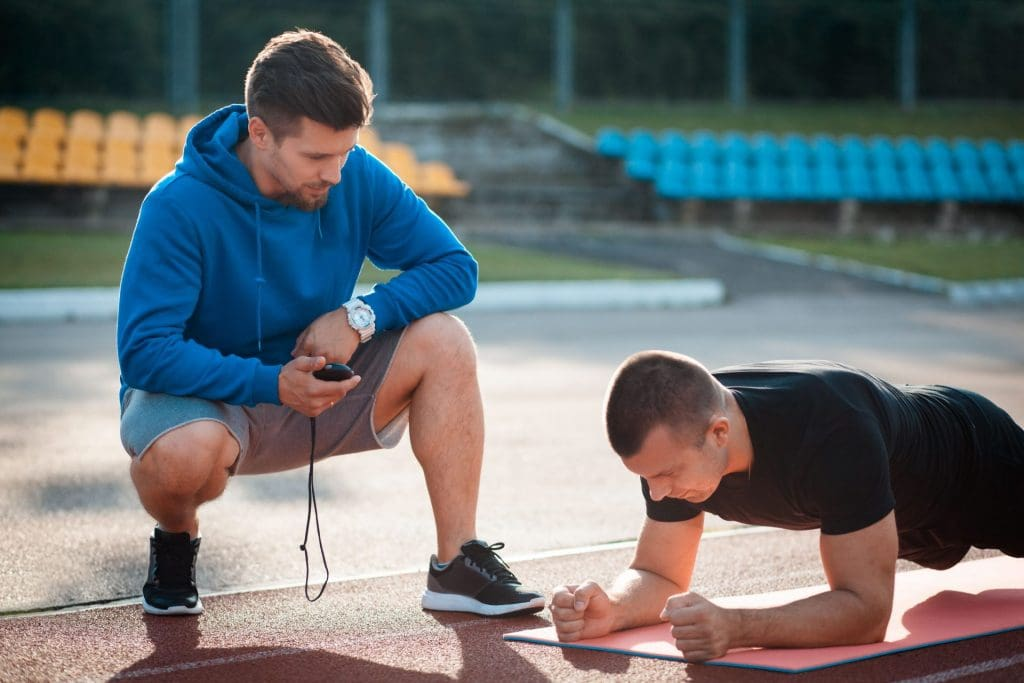
Key Responsibilities:
Skill Development:
- The coach should focus on teaching athletes the technical skills required for the sport. This includes refining existing skills and introducing new techniques.
Tactical Leadership:
- The coach decides on game strategies, formations, and how to approach opponents based on strengths and weaknesses.
Motivation:
- A key role of the coach is to inspire and motivate athletes. They must be able to uplift their team during challenging times and ensure the athletes are mentally prepared for competition.
Effective Communication:
- Coaches must communicate clearly with athletes, officials, and other stakeholders. This includes providing feedback to athletes, ensuring they understand tactical instructions, and building relationships with the team.
Health and Safety Awareness:
- A coach must be aware of the health and safety protocols relevant to the sport. This includes ensuring athletes are physically ready to participate, monitoring for signs of injury or fatigue, and taking appropriate action when necessary.
Reflection and Improvement:
- Coaches must regularly reflect on their own performance, evaluating the effectiveness of their coaching methods and the outcomes achieved. Reflexion helps the coach improve both their approach and their athletes' performance.
Roles of an Effective Coach:
- Facilitator of Learning: Coaches help athletes understand new skills and concepts.
- Problem Solver: Coaches must be able to identify issues in performance and quickly find solutions.
- Time Manager: Managing practice time effectively ensures athletes get the most out of their training sessions.
- Motivator and Role Model: A coach's behaviour and attitude can influence the athletes, setting an example both on and off the field.
- Innovator: Coaches need to adapt to new techniques, strategies, and technologies to stay competitive.
Emotional Intelligence in Coaching
What is Emotional Intelligence (EI)?
Emotional intelligence is a key trait for effective coaches. It refers to a coach's ability to understand and manage their own emotions and those of their athletes. Coaches with high emotional intelligence can handle stressful situations, offer empathetic support, and build stronger, more trusting relationships with their athletes.
Components of Emotional Intelligence:
Social Strength:
- Includes social skills like communicating effectively and social awareness, which involves understanding others' emotions and responding appropriately.
Personal Strength:
- Self-awareness and self-management are crucial in how coaches regulate their own emotions, control stress, and present themselves confidently to their team.
Interpersonal vs. Intrapersonal Skills:
- Interpersonal Skills: How the coach interacts with others. Effective interpersonal skills include empathy, active listening, and conflict resolution.
- Intrapersonal Skills: How the coach manages their own emotions, including self-awareness, self-control, and emotional regulation. These skills are vital for successful coaching, as they enable the coach to navigate challenges and maintain a positive influence on the team's performance and well-being.
Reflection on Coaching:
- Concurrent Reflection: Evaluating and adjusting coaching methods during the activity to improve performance in real-time.
- Terminal Reflection: Assessing performance and outcomes after the event to identify areas for improvement and future planning. By balancing technical skills, tactical knowledge, motivation, and emotional intelligence, coaches can play a transformative role in the success of their athletes.
Motivational Strategies in Coaching
Coaches must understand both intrinsic and extrinsic motivation when working with athletes. Different strategies may be needed depending on the athlete's personality, goals, and the situation.
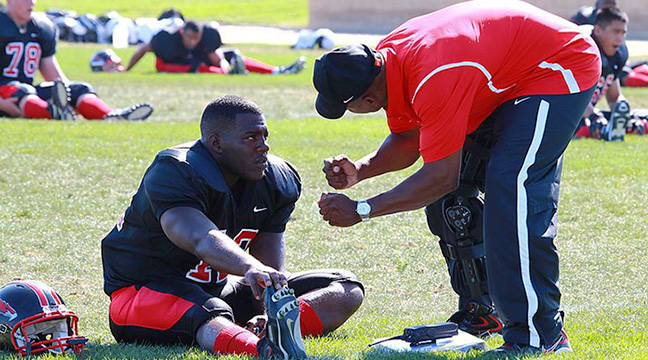
Intrinsic Motivation:
- Definition: Motivation driven by internal desires such as passion, enjoyment, and personal satisfaction. Athletes who are intrinsically motivated participate because they find the activity rewarding in itself.
- Examples: Enjoyment of learning a new skill, personal growth, and mastering techniques.
Extrinsic Motivation:
- Definition: Motivation driven by external rewards or pressures, such as fame, money, or praise. Many athletes may initially rely on extrinsic motivators, but coaches aim to shift focus to intrinsic drivers for sustained success.
- Examples: Winning trophies, receiving praise from teammates, or avoiding punishment.
Motivation in Coaching:
Coaches play a crucial role in fostering both types of motivation. They should:
- Communicate effectively with athletes, allowing them to express their feelings and opinions.
- Create a positive training environment that promotes enjoyment and personal growth.
- Use praise strategically to reinforce effort and improvements rather than just results.
- Set SMARTER goals (Specific, Measurable, Achievable, Realistic, Time-bound, Evaluated, Reviewed) to give athletes clear targets.
- Provide opportunities for healthy competition and support personal development.
Goal-Setting as a Motivational Tool:
- Setting short-term and long-term goals is essential in keeping athletes focused and motivated.
- Goals should be aligned with both performance-based outcomes and process-based improvements (e.g., mastering a skill).
- Goal-setting helps athletes enhance their confidence, focus, and direction, boosting their performance in both training and competitions.
Effective Communication in Coaching
Communication is one of the most important tools a coach can use to build relationships, transfer knowledge, and improve performance. Effective communication encompasses both verbal and non-verbal elements.
Non-Verbal Communication:
- Definition: Communication that occurs without spoken words, including gestures, body language, tone of voice, facial expressions, and posture.
- Coaches must be aware of the non-verbal cues they are giving off, as body language can often convey messages more powerfully than words.
- Non-verbal communication also involves observing the athlete's body language to assess their emotional state, readiness to perform, or areas of confusion.
Verbal Communication:
- Definition: The use of spoken language to give instructions, provide feedback, and offer motivation. It includes the choice of words, tone of voice, and how messages are structured.
- Coaches use verbal communication to deliver constructive criticism and encouragement, which can help athletes improve.
Note
Tips for Effective Communication:
- Language/Terminology: Use language that is clear and relevant to the athlete's level of understanding.
- Body Language: Ensure your body language aligns with your words to avoid confusion.
- Listen: Active listening is crucial. Give athletes the opportunity to share their thoughts.
- Tone and Volume: Be in control of your tone and volume, adjusting as needed to communicate urgency or calmness.
- Check for Understanding: Regularly ask athletes if they understand instructions or feedback to ensure they are learning.
- Encourage Participation: Ask for help or feedback from athletes to engage them and make communication more effective.
- Stay Positive: Athletes respond better when feedback is framed positively, even when addressing areas for improvement.
- Plan Communication: Have a clear plan of what you want to convey during training sessions and communicate this with purpose.
Note
Coaching Skills for Optimal Performance:
To help athletes reach their full potential, coaches must master several key skills:
Communication: Open dialogue helps create understanding between coach and athlete.
Motivation: Encouraging intrinsic and extrinsic motivation as needed for sustained performance.
Goal-Setting: Setting specific goals helps athletes stay focused and driven.
Reflection: Coaches should regularly reflect on their own performance and progress to improve their coaching strategies.
Planning: Effective planning ensures that training sessions and competitions run smoothly.
Knowledge of the Sport: Understanding the technical and tactical aspects of the sport is essential for improving athlete performance.
Note
Knowledge Check:
- Explain the difference between intrinsic and extrinsic motivation and provide examples of each.
- Define two key forms of communication in coaching and explain why both are important.
- How can goal-setting improve an athlete's performance? Give an example of a short-term and a long-term goal in a named physical activity.
Practical Task:
Observe a coach during a training session or competition. Identify how they use non-verbal communication with their athletes. What body language cues are they giving? How do the athletes respond?
Performance Analysis as a Coach
Performance analysis plays a crucial role in improving athletic outcomes. By understanding the performance of athletes through detailed observation and data, coaches can help athletes refine their tactics, techniques, and overall performance.
Notational Analysis:
Notational analysis is the factual recording of events during a performance. Coaches and sports scientists use this data to objectively analyse various aspects of performance, such as tactics, techniques, and athlete movement (including work rate). Through this analysis, coaches can provide more precise feedback, enabling athletes to improve specific elements of their game.
- Why it's important: Notational analysis gives coaches the information needed to make informed decisions and adjustments. It is particularly useful in helping teams or athletes gain a competitive edge through better understanding their performance.
- Example: Recording how many passes were completed by a team, the positioning of players during a defensive play, or how many times a player won possession of the ball.
Note
Exam Tip:
When discussing notational analysis in exams, focus on how it allows for data-driven decisions in coaching and why accurate feedback is essential.
Video Analysis:
Video analysis is another critical tool for performance evaluation. This method allows coaches to review and break down performances, identifying strengths and weaknesses that are often missed during real-time play. Video analysis provides a way to offer immediate feedback to athletes, which can help them improve before the next session or competition.
- Benefit: Coaches can replay key moments from games or training to illustrate specific points, enhancing understanding and retention.
- Example: A coach could analyse the video footage to show a player where their defensive positioning went wrong or how they can improve their shooting technique.
Sports Analytics:
Sports analytics is the application of mathematical and statistical principles to data collected during sports events. It helps in analysing historical performance, identifying trends, and making predictions about future performance.
- Why it's important: Coaches use sports analytics to optimise both individual and team performance by basing their decisions on concrete data rather than intuition.
- Example: Tracking an athlete's average speed, acceleration, and total distance covered in a match, then using that information to tailor their training programme.
Reflection as a Coach
Reflexion is a critical tool for coaches aiming to improve their own performance and that of their athletes. It allows coaches to think about what went well, what didn't, and how future actions can be adjusted for better outcomes.
Concurrent vs. Terminal Reflection:
- Concurrent Reflection: Reflecting in the moment or "in action" during an event or training session. It allows coaches to make immediate adjustments to improve outcomes.
- Terminal Reflection: Occurs after the event. It involves looking back on the entire performance or training session and making plans for long-term improvements. Both types of reflexion are important, as they enable continuous improvement. Coaches need to encourage athletes to engage in reflexion as part of their development.
Types of Reflection:
Self-Reflection:
- Encourages athletes to think critically about their own performance.
- Why it's important: Athletes become more independent and responsible for their own development.
- How to apply: After training or a match, athletes should review their decisions, strategies, and physical performance. They can then make notes on how to improve or sustain what worked well.
Peer Reflection:
- Athletes reflect on each other's performance.
- Why it's important: Provides a fresh perspective and helps athletes see things they might have missed.
- How to apply: Teammates can offer constructive feedback after a match, focusing on areas like communication, positioning, and teamwork.
Coach Reflection:
- The coach reflects on their own coaching style and how well their guidance impacted the athlete's performance.
- Why it's important: Helps coaches assess if their methods were effective and how they can improve communication or tactical decisions.
- How to apply: After each training session or match, the coach should evaluate their coaching interventions and the outcomes they achieved, making adjustments for the future.
Planning and Managing Training as a Coach
Planning is a core responsibility of the coach, and it involves designing training schedules that align with athletes' goals, fitness levels, and performance demands. A well-structured training plan ensures that athletes improve progressively while avoiding burnout or injury.
Why Planning is Critical:
Without effective planning, training sessions can become repetitive, ineffective, and unchallenging. A coach must plan with periodization in mind—cycling the training intensity to peak for key competitions while allowing for recovery and growth.
Key Considerations in Planning:
- Training Volume: The amount of training time or repetitions an athlete completes.
- Intensity: How hard an athlete is working during the session.
- Rest and Recovery: Ensuring athletes have sufficient recovery to avoid overtraining.
- Periodization: Adjusting training loads over time to ensure athletes peak at the right moments.
Note
Task:
Create a one-week training plan for a named sport. Include specific objectives for each session (e.g., improving stamina, refining technique) and incorporate recovery periods.
Note
Knowledge Check:
- Explain the difference between notational and video analysis and give an example of how each might be used by a coach.
- What are the benefits of self-reflection for athletes? How can it improve their performance?
- How can a coach ensure that their training plan leads to optimal performance without overtraining?
Sample Training Session for Soccer
Timing of session: 60-minute PE class
Warm-up (15 minutes) – RAMP Protocol
| Stage | Time | Activities |
|---|---|---|
| R – Raise | 4 minutes | Focus on increasing core body temperature. Play a game of Tag or Keep Away. |
| A – Activate | 4 minutes | Activate muscles to be used in the session: • Dynamic stretching • High knees • Forwards lunges • Squats |
| M – Mobilize | 3 minutes | Mobilise joints with controlled movements: • Hip circles • Ancle rolls • Arm swings • World's greatest stretch |
| P – Potentiate | 4 minutes | Prepare for intense activity: • 70–80% runs • Bounding leaps • Reaction drills with a soccer ball |
Skills Development – Passing (10 minutes)
| Stage | Time | Drills/Adaptation |
|---|---|---|
| Focus | 2 minutes | Review the key teaching points for passing: • Use the inside of the foot • Follow through • Keep eye on the ball |
| Drill 1 | 4 minutes | Static passing drill: • Pair up and practice passing to a stationary partner Adaptation: Add a cone behind partner for quick change of direction |
| Drill 2 | 4 minutes | Passing on the move: • Players move while passing to each other Adaptation: Increase the passing distance between players |
Game Play (10 minutes)
| Stage | Time | Activity |
|---|---|---|
| Game | 10 minutes | Possession game: • Teams play keep-away with the objective of making 5 consecutive passes to score a point. |
Skill Refinement (5 minutes)
| Stage | Time | Drill/Adaptation |
|---|---|---|
| Star Drill | 5 minutes | Pass the ball in a clockwise direction, always skipping one teammate. Adaptation: Reverse the direction mid-drill. |
Resume Game Play (10 minutes)
| Stage | Time | Activity |
|---|---|---|
| Game Play | 10 minutes | Return to game play. Optional feedback break after 5 minutes to discuss key learning points before resuming. |
Cool-down (10 minutes)
| Stage | Time | Activity |
|---|---|---|
| Cool-down | 10 minutes | Jog around the field followed by static stretching: • Hamstring stretch • Calf stretch • Quadriceps stretch • Child's pose |
Key Notes:
- Warm-up: Follow the RAMP protocol to ensure players are ready for the session.
- Skills Development: Focus on passing fundamentals and progress to more complex drills.
- Game Play: Emphasise possession and passing accuracy in game situations.
- Skill Refinement: Work on agility, speed of passing, and direction changes.
- Cool-down: Always end with a proper cool-down to reduce the risk of injury. This soccer training session follows a structured approach similar to the Gaelic football plan, ensuring players develop their skills progressively within a 60-minute class.
Role of the Official:
Officials ensure that the rules and safety regulations of the sport are followed. Their duties include:
- Safety regulations: Ensuring all players are using the correct equipment and are aware of safety protocols.
- Record-keeping: Keeping accurate scores and recording relevant data throughout the match or event.
- Conflict management: Handling disputes between players or teams impartially to maintain order and fairness.
Sample Policy of Safe Conduct: Special Olympics

Safety Regulations and Procedures
Field of Play:
- The field of play should be checked for obstacles before and after practice.
- Indoor facilities must have proper ventilation.
- Out-of-bounds areas should be clear of obstructions.
- Fields must be clearly marked and outdoor facilities should be checked for uneven surfaces.
Equipment:
- Equipment must be appropriate, checked before use, and maintained.
- It should fit properly to ensure athlete safety and performance.
- Adequate equipment should be available for all participants.
Supervisory Planning and Injury Prevention:
- Officials should have first aid training.
- Weather conditions should be considered, and athletes must be given adequate time and equipment to adjust to them.
Scoring and Recording Data
Officials play a critical role in keeping accurate records of a competition's elements. This includes scoring, fouls, and performance data such as goals or technique execution in sports like gymnastics or diving. Proper record-keeping ensures fairness and helps analyse performance.
Outcome-based Sports vs. Artistic Sports:
- In outcome-based sports, the focus is on winning or losing (e.g., football, hockey). The score reflects the final result.
- In artistic sports, such as diving or gymnastics, performances are judged on set criteria, with scoring based on technique and execution, not just the outcome.
Note
Knowledge Check:
- Explain the difference between outcome-based and artistic sports. Give an example of each.
- Why is record-keeping essential in competitive sports, and what role does it play in ensuring fair competition?
Safe Practice – Organising a Sporting Event
Organising an Event
Note
When organising an event in sport or physical activity, it's important to ensure that the rules, roles, rituals, and conventions associated with the activity are respected. This requires careful planning and execution to create an environment that adheres to the standards of the sport while ensuring participant safety and enjoyment.
Steps to Organise an Event:
Define the Purpose:
- Clearly outline why you are holding the event (e.g., competition, practice, demonstration).
Set SMARTER Goals:
- Specific, Measurable, Achievable, Realistic, Time-bound, Evaluated, and Reviewed.
- What do you aim to achieve by organising this event?
Assign Roles:
- Determine what roles need to be filled (officials, referees, timekeepers) and assign responsibilities.
Choose the Date and Venue:
- Make sure the location is suitable and accessible. Select a time that works for all participants and avoids potential conflicts (weather, other events).
Logistics:
- Organise the necessary equipment, plan safety measures, and establish a first aid response plan.
- Consider spectator management and how participants will be informed about their roles.
Publicity:
- Promote the event via social media, newsletters, or word-of-mouth to ensure a good turnout.
Rules and Procedures:
- Clearly define the rules and conventions of the activity. Explain these to both participants and officials to avoid confusion.
Post-Event Reflection:
- Evaluate how the event went. What worked well? What could have been improved? Reflect on your role and whether the rules and conventions were properly respected.
Note
Organising a sporting event requires careful planning and consideration of safety measures to ensure the well-being of all participants and spectators. Consider the following when organising a sporting event;
- Choose a suitable venue
- Perform a risk assessment
- Create an Emergency Plan
- Respect Rules, Roles, Rituals, and Conventions
- Communicate Effectively
1. Choose a Suitable Venue
Choosing the right venue is crucial for the success of a sporting event. The venue must be accessible, safe, and equipped to handle the needs of athletes, officials, and spectators.
Example:
- Selecting a football stadium with ample seating for spectators, wheelchair access, and designated areas for medical personnel and emergency exits clearly marked.
2. Perform a Risk Assessment
Identifying potential hazards and implementing measures to mitigate them is essential for the safety of everyone involved in the event. This includes checking for trip hazards, ensuring safe spectator management, and preparing for weather-related risks.
Example:
- Identifying potential trip hazards on the playing field, such as uneven surfaces or loose equipment, and ensuring these are addressed before the event begins.
3. Create an Emergency Plan
Having a detailed emergency plan helps in efficiently managing any unforeseen incidents during the event. Include methods for raising alarms, contacting emergency services, managing crowds, and providing first aid.
Example:
- Establishing a clear procedure for contacting emergency services, setting up an on-site first aid station, and designating specific roles for staff to manage crowd control and evacuations if necessary.
4. Respect Rules, Roles, Rituals, and Conventions
Ensuring that everyone understands and adheres to the established rules, roles, rituals, and conventions is key to a successful and orderly event.
Example:
- Event Protocols: A basketball team performing a specific handshake or chant before each game to build team unity and focus.
5. Communicate Effectively
Clear and respectful communication with performers, officials, and spectators fosters a positive environment and helps in the smooth running of the event.
Example:
- Communication Techniques: A coach giving constructive feedback to players after a game, highlighting both strengths and areas for improvement in a respectful and encouraging manner.
The Demands and Interpersonal Skills of Non-Playing Roles
Note
Understanding the demands and necessary interpersonal skills of non-playing roles is essential for effective coaching and performance management. These roles require a blend of technical knowledge, emotional intelligence, and leadership abilities.
Demands of Non-Playing Roles
Non-playing roles, such as coaches and choreographers, involve planning, strategizing, and providing guidance to athletes. These roles demand a deep understanding of the sport, as well as the ability to adapt to different situations and personalities.
Example:
- Coach: Must manage training schedules, develop strategies, and provide mental support to athletes.
Interpersonal Skills
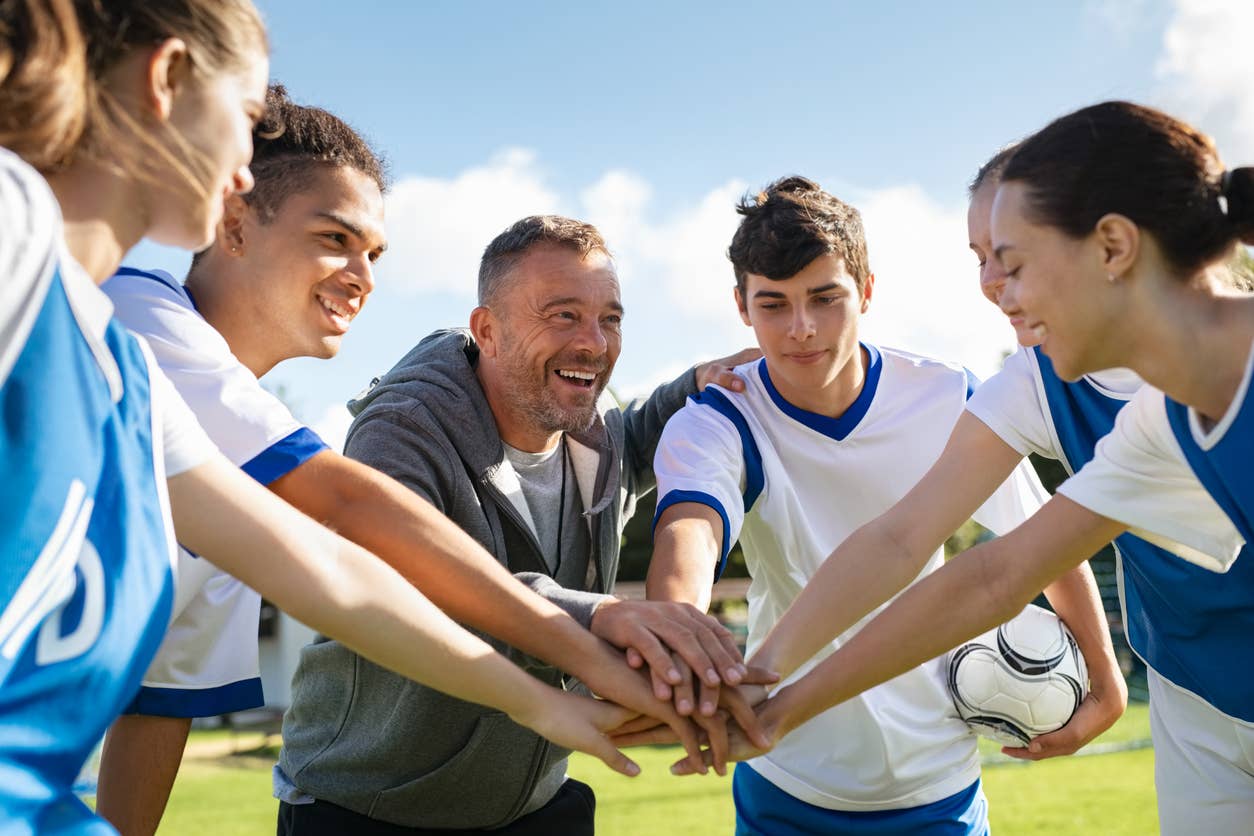
Effective coaches and choreographers use these skills to build rapport with athletes, motivate them, and address any issues that arise:
- Communication
- Motivation
- Reflexion
- Planning
- Goal Setting
Communication Strategies
Note
Clear and consistent communication helps in conveying expectations, providing feedback, and addressing any issues promptly. Effective communication strategies include verbal instructions, non-verbal cues, and active listening.
- Non-Verbal Communication
- Clarity and Repetition
- Active Listening
Non-verbal Communication
Using body language and hand signals to communicate strategies during a game. This helps convey messages quickly without disrupting the flow of play.
Example:
- Hand Signals in Basketball: Coaches use specific hand signals to indicate plays and defensive setups, ensuring players understand their roles without needing verbal instructions.
Clarity and Repetition
Providing clear, concise instructions and repeating key points to ensure athletes understand and remember important information.
Example:
- Drill Instructions: Explaining a new drill, demonstrating it, and then repeating the key steps several times to ensure all athletes comprehend what is expected.
Active Listening
Fully concentrating on what the athlete is saying, understanding their message, responding thoughtfully, and remembering the discussion. This practice builds trust and shows athletes that their opinions and feelings are valued.
Example:
- Feedback Sessions: Regular one-on-one meetings where athletes can share their thoughts on training, discuss any concerns, and receive personalised feedback from the coach.
Motivation Strategies
Note
Motivation can be intrinsic (internal) or extrinsic (external). Coaches use various strategies to motivate athletes, such as setting challenging yet achievable goals and providing positive reinforcement.
- Intrinsic Motivation
- Extrinsic Motivation
Intrinsic Motivation
Intrinsic motivation comes from within the athlete. It is driven by personal satisfaction, interest, and enjoyment in the activity itself. This type of motivation fosters a deep connection to the sport and long-term engagement.
Example:
- Personal Growth: Encouraging athletes to focus on improving their skills and achieving personal bests, such as a runner aiming to beat their own record time in a 5k race.
Extrinsic Motivation
Extrinsic motivation is driven by external rewards and recognition. These can include trophies, medals, praise from coaches and peers, or financial incentives. While extrinsic motivation can be powerful, it should be balanced with intrinsic motivation for sustainability.
Example:
- Rewards and Recognition: Setting up a reward system where athletes earn points or small rewards for meeting specific performance targets, such as maintaining perfect attendance at practice sessions or achieving a certain number of goals in a season.
Guiding Athlete Reflexion
Note
Guiding athlete reflexion helps in enhancing performance by encouraging athletes to think critically about their actions and decisions. This process involves both 'reflection-in-action' and 'reflection-on-action' techniques.
- Reflection-in-Action
- Reflection-on-Action
Reflection-in-Action
Reflection-in-action happens during the activity itself. It involves thinking on one's feet and making adjustments in real time based on what is happening in the moment. This type of reflexion helps athletes make quick decisions and adapt to changing situations effectively.
Example:
- In-Game Adjustments: A football player reflecting on their positioning during a match and deciding to move to a better spot to intercept a pass.
Reflection-on-Action
Reflection-on-action occurs after the activity. It involves reviewing and analysing performance to learn from the experience and improve future actions. This type of reflexion helps athletes understand what went well, what didn't, and how they can improve.
Example:
- Post-Match Review: A swimmer analysing video footage of their race to identify strengths and areas for improvement.
Planning and Managing Practice Time Effectively
Note
Effective planning and management of practice time ensure that training sessions are productive, focused, and aligned with the athlete's goals.
Planning Practice Sessions
Practice sessions should be well-structured, with clear objectives and a balanced mix of physical conditioning, skill development, and tactical training.
Example:
- Session Plan: Dividing practice time into warm-up, skill drills, scrimmage, and cool-down periods.
Managing Practice Time
Efficient use of practice time involves keeping athletes engaged, providing timely feedback, and adjusting the plan as needed based on athlete performance and feedback.
Example:
- Time Management: Allocating specific time slots for each drill and ensuring smooth transitions between activities.
Goal Setting
Note
Setting and achieving goals is crucial for maintaining motivation, tracking progress, and ensuring continuous improvement. Coaches guide athletes in setting both short-term and long-term goals, ensuring they are realistic and aligned with the athlete's capabilities and aspirations.
- Long-term Goals
- Short-term Goals
- SMART Goals
Long-Term Goals
Long-term goals are the end result of all the preparation and training. They provide athletes with a vision of what they want to achieve over a longer period, usually spanning several months to years.
Example:
- Olympic Qualification: A runner aiming to qualify for the Olympics over the next four years.
Short-Term Goals
Short-term goals are stepping stones towards achieving long-term goals. They are completed over shorter periods and help maintain focus and motivation. These goals should be specific, measurable, achievable, relevant, and time-bound (SMART).
Example:
- Weekly Milestones: A weightlifter aiming to increase their deadlift weight by 5kg each month.
Setting SMART Goals
SMART goals help athletes set clear, achievable objectives. These goals are Specific, Measurable, Achievable, Relevant, and Time-bound.
Example:
- Improving Fitness Levels: A soccer player setting a goal to run a certain distance within a specified time frame by the end of the training season.
Designing Fitness and Skills Programmes
Note
Designing effective fitness and skills programmes is crucial for preparing athletes for competition and improving their overall performance. These programmes should be tailored to the individual needs and goals of each athlete.
Fitness Programmes
Fitness programmes focus on enhancing physical attributes such as strength, endurance, and flexibility. They include various exercises and drills to improve overall fitness levels.
Example:
- Strength Training: Incorporating weightlifting exercises to build muscle mass and strength.
Skills Programmes
Skills programmes aim to enhance sport-specific techniques and tactics. These programmes involve repetitive practice of skills to improve proficiency and consistency.
Example:
- Dribbling Drills in Basketball: Practising various dribbling techniques to improve ball handling under pressure.
Analysing Personal Performance as a Coach/Choreographer
Note
Regularly analysing personal performance helps coaches and choreographers identify areas for improvement, enhance their skills, and provide better support to their athletes.
Self-Assessment
Coaches should engage in self-assessment to reflect on their coaching methods, communication styles, and overall effectiveness.
Example:
- Reflection on Practice: Review video recordings of practice sessions to identify strengths and areas for improvement.
Seeking Feedback
Gathering feedback from athletes and peers provides valuable insights into a coach's performance and helps in making necessary adjustments.
Example:
- Feedback Surveys: Using anonymous surveys to collect honest feedback from athletes about their coaching experience.