Safe Practice (Leaving Cert Physical Education): Revision Notes
📚Revision Notes
Safe Practice
Safe Practices in Training and Performance
Note
Learning Focus:
- Safe practice in sports and physical activity.
- Proper attire, equipment, and facility use.
- Injury prevention, warm-up, and cool-down.
- Understanding common injuries, overtraining, and fatigue.
Overview of Safe Practice:
Safe practice involves creating an environment that ensures the safety of all participants in sports and physical activity. This includes using proper facilities, wearing the correct attire, and ensuring that equipment is suitable for the activity. Injury prevention is a key focus, and this is supported through safe warm-ups, cool-downs, and recognising the dangers of overtraining and fatigue.
- Safe Practice: Use appropriate clothing, and protective equipment, and ensure facilities are well-maintained.
- Injury Prevention: Awareness of acute and chronic injuries, with a focus on preventing common injuries such as sprains, concussions, and tendon or ligament injuries.
- Overtraining and Fatigue: Understanding the importance of balancing training load and rest to avoid overuse injuries and fatigue.
Note
Implementing safe practices in training and performance is crucial to minimise the risk of injury and enhance overall effectiveness. This involves ensuring the usage of:
- Proper Technique
- Appropriate Equipment
- Supervision and Guidance
- Environmental Considerations
1. Proper Technique
Using the correct technique during exercises and sports activities reduces the risk of injury and enhances performance.
Example:
- Weightlifting: Ensuring proper form when lifting weights helps prevent injuries such as muscle strains or back injuries.
2. Appropriate Equipment
Protective equipment is essential in reducing the risk of injury in various sports. Athletes must use the appropriate gear depending on their sport and ensure it is in good condition.
Example:
- Running Shoes: Wearing the right type of shoes with adequate support and cushioning can prevent foot and ancle injuries during running.
3. Supervision and Guidance
Having qualified coaches and trainers to supervise activities and provide guidance ensures that exercises are performed correctly and safely.
Example:
- Personal Trainer: A personal trainer can help design a safe and effective workout programme tailored to an individual's fitness level and goals.
4. Environmental Considerations
Creating a safe training environment involves ensuring that the training area is free from hazards and conducive to the specific activity.
Example:
- Sports Hall: Ensuring that the floor is clean and free of debris, and that equipment is properly stored, helps prevent accidents and injuries.
The Evolution of Safety in Sport
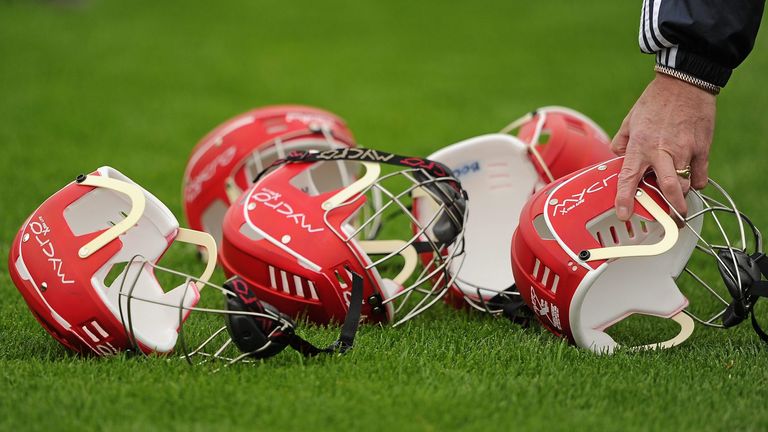
Over time, safety in sports has become a top priority, with significant advancements in protective gear. For example, helmets in GAA have been mandatory since 2010 for hurling and camogie to prevent head injuries, which were common before their introduction. As sports continue to evolve, so too does the technology used to protect athletes, making sports safer and reducing the risk of serious injury.
Risk Factors and Injury Prevention
Intrinsic Risk Factors
- Previous injury can leave weaknesses in the body
- Poor posture or misalignment
- Poor flexibility
- Age-related factors
- Inadequate fitness levels
- Poor preparation or nutrition
Extrinsic Risk Factors
- Incorrect technique or training
- Poor-quality facilities and equipment
- Wearing inappropriate gear
- Inadequate warm-up or cool-down
- Overtraining or excessive intensity/duration
- Poor weather conditions
Types of Sports Injuries
| Injury Location | Common Injuries |
|---|---|
| Head and Neck | Concussion, whiplash, fractures |
| Shoulders and Elbows | Dislocations, tendonitis |
| Wrists and Hands | Sprains, fractures |
| Knees and Ankles | ACL tears, ligament damage, sprains |
| Back and Spine | Muscle strain, slipped disc |
Warm-up Practices
Note
Warming up before physical activity is essential for increasing body temperature, blood flow, and muscle elasticity. This helps to reduce muscle tension and lower the risk of injury. The warm-up process consists of three key features:
- Pulse-racing activity
- Stretching and mobility exercises
- Sport-specific activity
Pulse-raising Activity
Pulse-raising activities involve engaging in exercises that gradually increase the heart rate and circulation, preparing the cardiovascular system for more intense physical activity.
Example:
- Jogging: Starting with a slow jog around the field or track to gradually elevate the heart rate and increase blood flow to the muscles.
Stretching and Mobility Exercises
Stretching and mobility exercises are dynamic movements designed to enhance the range of motion in the joints and prepare the muscles for the demands of the specific sport or activity.
Example:
- Leg Swings: Performing leg swings forwards and backwards to loosen up the hip joints and improve mobility.
Sport-specific Activities
Sport-specific activities involve exercises that mimic the movements and demands of the sport or physical activity, helping to prepare the muscles and mind for performance.
Example:
- Dribbling Drills in Soccer: Practising dribbling drills that simulate in-game movements to warm up the muscles used in soccer and refine technique.
The RAMP Warm-up
Note
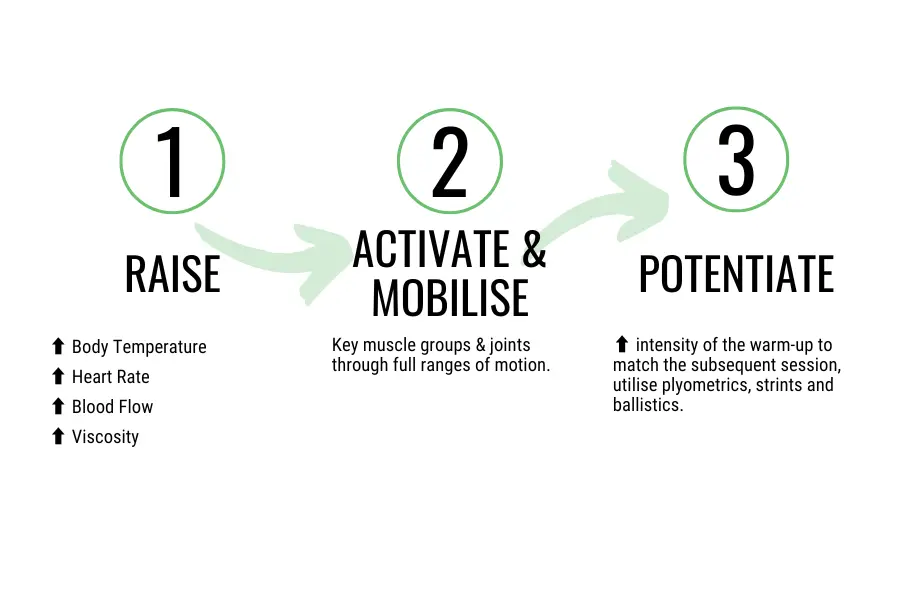
The RAMP warm-up protocol stands for Raise, Activate, Mobilise, and Potentiate, designed to progressively prepare the body for exercise.
- Raise
- Activate
- Mobilise
- Potentiate
1. Raise
The "Raise" phase focuses on increasing body temperature and heart rate through low-intensity activities. This prepares the body for more intense exercise by boosting circulation and warming up the muscles.
Example:
- Light Jogging: Engaging in light jogging around the field to gradually increase heart rate and body temperature.
2. Activate
The "Activate" phase aims to engage the key muscle groups that will be used during the main activity. This involves exercises that activate specific muscles and improve their readiness for performance.
Example:
- Lunges: Performing lunges to activate the muscles in the legs and glutes, preparing them for more strenuous activity.
3. Mobilise
The "Mobilise" phase is designed to enhance joint mobility and flexibility through dynamic stretching. This helps to improve the range of motion and reduce the risk of injury.
Example:
- Arm Circles: Performing arm circles to mobilise the shoulder joints and increase flexibility.
4. Potentiate
The "Potentiate" phase involves sport-specific drills and high-intensity movements to enhance performance readiness. This prepares the body for the explosive and dynamic actions required in the sport.
Example:
- Sprints: Performing short sprints to potentiate the muscles and nervous system for high-intensity performance.
Cool-down
Note
Cooling down after exercise is crucial for gradually reducing heart rate and relaxing muscles, aiding in recovery and minimising the risk of muscle soreness. Key elements of a cool-down include:
- Low-intensity exercise
- Static Stretching
Low-intensity Exercise
Low-intensity exercise involves engaging in activities that slowly decrease the heart rate and bring the body back to a resting state. This helps to prevent dizziness and allows for a gradual recovery.
Example:
- Walking: Walking for five minutes after a workout to gradually lower the heart rate and aid in recovery.
Static Stretching
Static stretching involves holding stretches for a period of time to reduce muscle tension and improve flexibility. This helps to relax the muscles and prevent stiffness.
Example:
- Hamstring Stretch: Holding a hamstring stretch for 30 seconds to relax the muscles and improve flexibility.
How a Cool-Down Prevents Injury
| Steps of a Cool-Down | How It Helps |
|---|---|
| 1. Gradually Reduces Heart Rate | • Helps the heart return to its resting state. Prevents a sudden drop in blood pressure or blood pooling in the muscles. |
| 2. Removes Waste Products | • Helps clear lactic acid and other waste products from muscles, reducing soreness and stiffness after exercise. |
| 3. Returns Blood Flow to Normal | • Ensures blood flow is evenly distributed, reducing the risk of dizziness or fainting after strenuous activity. |
Selection and Maintenance of Suitable Equipment
Note
The right equipment is essential for safety and performance in sports. Technological advancements have improved the design and effectiveness of sports equipment, reducing the risk of injury. Equipment to consider;
- Helmets
- Protective Eyewear
- Mouth Guards
- Pads and Guards
Helmets
Head Protection:
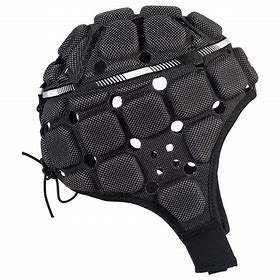
- Scrum caps and helmets: These are worn to prevent head injuries, particularly in contact sports like rugby, GAA (Gaelic Athletic Association), and cycling.
Eye Protection:
- Eye shields and goggles: These are worn to protect the eyes from UV rays or physical injury, especially in sports like cycling or horse racing.
Mouth Guards:
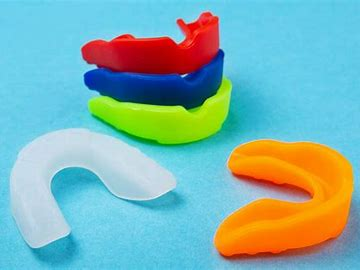
- Essential in contact sports like rugby, boxing, or hockey to protect teeth, gums, and jaws from injury. Mouthguards reduce the risk of concussions by absorbing impact.
- Rugby and Boxing: Athletes wear mouth guards to prevent dental injuries and protect against strong blows.
Protective Padding:
These are used to protect various body parts from impact and abrasion during sports activities.
- Worn by players in sports like rugby and American football to safeguard the body from impact and reduce the risk of injury to vulnerable areas such as the shoulders, ribs, and thighs.
- Hockey and Volleyball: Knee pads and shin guards protect against injuries from falls and collisions.
Protective Eyewear
Specially designed eyewear protects athletes' eyes from impact, UV rays, and other potential hazards.
Example:
- Skiing and Squash: Goggles and glasses protect from flying debris and harsh weather conditions.
Clothing
Note
Proper clothing is crucial to prevent injuries and enhance performance. Key considerations include compression clothing, appropriate warm-up and cool-down attire, and the use of supports or braces when necessary. Clothing should be suitable for the sport and environmental conditions, providing protection and comfort.
Protective Gear
This includes items like shin pads, knee supports, and compression wear to prevent injuries and provide additional support.
Example:
- Football and Hockey: Shin pads are essential to protect against impacts from other players and equipment.
Footwear
Correct footwear provides necessary support, grip, and protection, reducing the risk of injuries.
Example:
- Basketball and Running: Shoes with appropriate cushioning and grip to prevent ancle sprains and enhance performance.
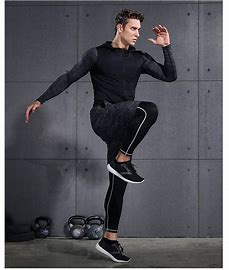
Compression Clothing:
- Designed to aid recovery by increasing blood circulation, improving oxygen delivery to the muscles, and reducing muscle soreness.
- Commonly used in sports to reduce the risk of soft tissue injuries.
- Running and Weightlifting: Compression sleeves and tights help maintain muscle temperature and reduce soreness.
Warm/Cold Clothing:
- Athletes must wear appropriate clothing depending on environmental conditions to maintain body temperature.
- Warming up in cold weather is essential to ensure muscles are prepared for physical activity and to prevent strains or sprains.
Supports and Braces:
- Designed to support joints or muscles that are at risk of injury or are recovering from injury.
- Braces are often used to stabilise joints like the knee (supporting ligaments such as the ACL, MCL, LCL, and PCL). Helmets are used in various sports to prevent head injuries. They are designed to absorb impact and protect the skull.
Example:
- Football and Cycling: Helmets in these sports are mandatory to protect athletes from concussions and other head injuries.
Facilities
Note
Well-maintained facilities are important for safe practice and performance. This includes ensuring the playing area is free of hazards, equipment is in good condition, and appropriate safety measures are in place. Consider the following facilities;
- Sports Halls
- Fitness Centres
- Playing Fields
- Artificial Surfaces
- Swimming Pools
Sports Halls
Regularly cleaned and inspected sports halls ensure a safe environment for athletes, with proper storage of equipment to avoid accidents.
Example:
- Indoor Basketball Courts: Floors are kept clean and free of debris, and hoops are securely mounted.
Fitness Centres
Fitness centres should have well-maintained equipment, adequate space, and proper hygiene standards to prevent injuries.
Example:
- Gyms: Regular checks on weight machines and free weights to ensure they are in good working condition.
Playing Fields
Outdoor fields must be free of hazards like holes and debris, with well-maintained turf and clear markings.
Example:
- Soccer Fields: Regularly mowed grass and proper drainage to prevent slips and falls.
Artificial Surfaces
Artificial surfaces should be regularly serviced, with no visible joints or bald patches that could cause injuries.
Example:
- AstroTurf Pitches: Checked for wear and tear, and maintained to provide a safe playing surface.
Swimming Pools
Pools should be clean, with proper signage for depth and safety rules, and lifeguards on duty to ensure safety.
Example:
- Competitive Swimming: Pools are regularly tested for chlorine levels and maintained to prevent accidents.
Facilities and Safety Considerations in Sports
| Location | Safety Factors |
|---|---|
| Sports Hall | • Equipment must be stored safely. Ensure safety hazards are identified and removed. Flooring should be appropriate for the sport (e.g., non-slip). Injuries to hands and joints should be minimised with the right equipment and flooring. |
| Gym | • The area should be clean and hygienic. Equipment needs to be organised and maintained. Use of correct form when using machines or weights to avoid injury. Safety signage may be needed to guide users on proper use. |
| Pitches | • Ensure posts/goals are secured properly. Free from trip hazards such as holes or litter. Grass should be regularly cut and maintained. 3G/4G surfaces should be maintained and inspected. Correct footwear is essential on artificial surfaces. |
| Water (pool, river, sea) | • Lifeguards must always be on duty. • Appropriate swim attire should be used (e.g., wetsuits for cold water). Ensure lifebuoys and other safety equipment are available. No diving in shallow areas. Ensure all users follow the rules of the facility. |
Responding to Injuries
Note
Quick and effective responses to injuries can significantly impact recovery and performance. Key approaches include:
- SALTAPS
- PRICE
- Concussion management.
SALTAPS
The SALTAPS protocol is a systematic approach to assess and manage sports injuries on the field.
- See - Observe the injury occurrence.
- Ask - Ask the injured person what happened and where it hurts.
- Look - Look for signs of injury such as swelling, redness, or deformity.
- Touch - Gently feel the injured area for tenderness or abnormality.
- Active Movement - Ask the injured person to move the injured part.
- Passive Movement - If active movement is not possible, gently move the injured part.
- Stand Up - If possible, help the injured person to stand and move. Example:
- On-Field Injury: A football player is tackled and falls. The coach uses SALTAPS to assess the injury, looking for signs of sprain or fracture and determining the next steps.
PRICE
The PRICE method is used to treat soft-tissue injuries and reduce swelling and pain.
- Protection - Protect the injured area from further harm.
- Rest - Rest the injured area to allow healing.
- Ice - Apply ice to reduce swelling and pain.
- Compression - Use a bandage to compress the injured area.
- Elevation - Elevate the injured area to reduce swelling. Example:
- Sprain Treatment: An athlete sprains their ancle during practice. The coach applies the PRICE method to reduce swelling and promote healing.
Concussion Management (Six Rs)
Managing concussions involves recognising symptoms and following a systematic approach to ensure safe recovery.
- Recognise - Learn the signs and symptoms of a concussion.
- Remove - Remove the athlete from play if a concussion is suspected.
- Refer - Refer the athlete to a healthcare professional.
- Rest - Ensure the athlete rests and avoids physical and cognitive stress.
- Recover - Allow time for full recovery before returning to play.
- Return - Follow a gradual return-to-play protocol. Example:
- Concussion Protocol: A rugby player shows signs of a concussion after a tackle. The coach follows the Six Rs, removing the player from the game and referring them to a healthcare professional for further evaluation.
Common Injuries
- Fractures
- Joint Injuries
- Soft-Tissue Injuries
- Skin Damage
- Concussion
Fractures
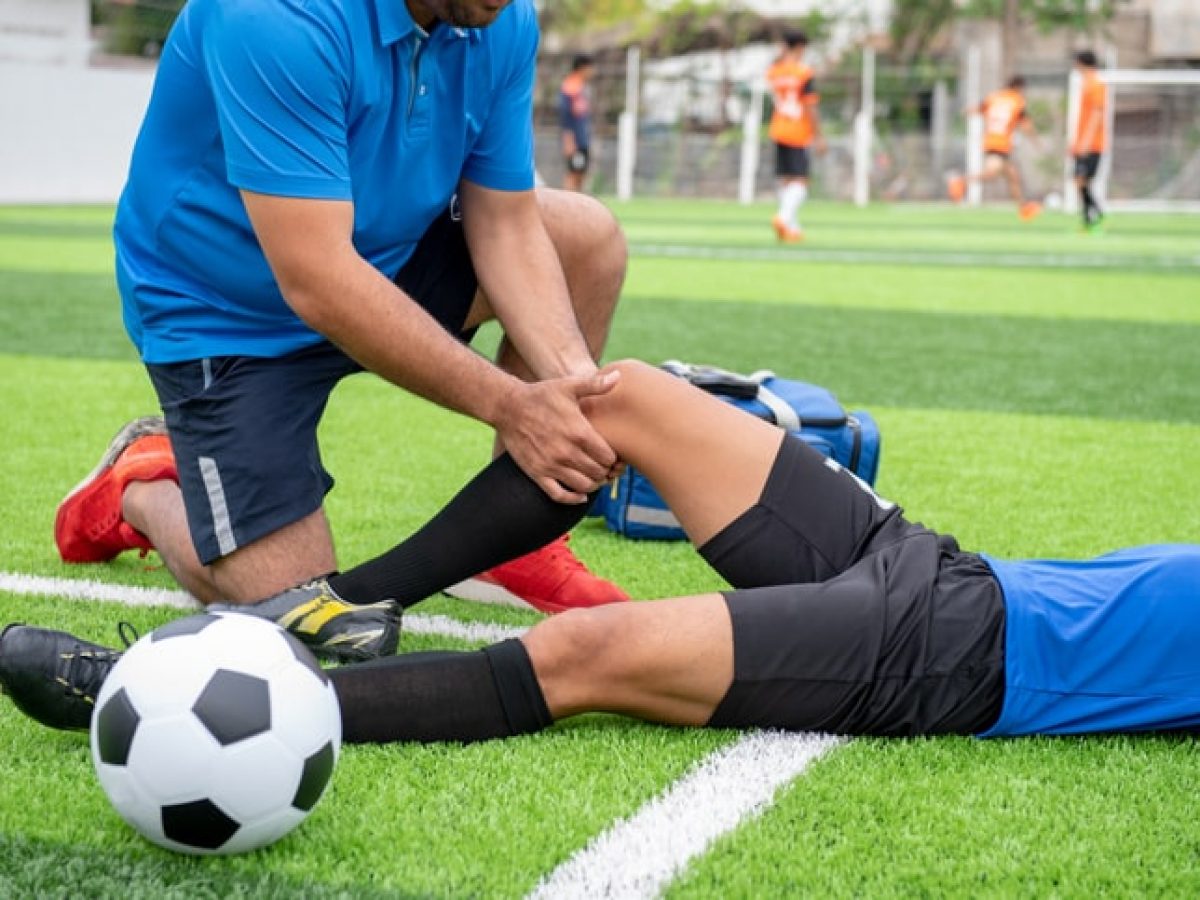
Fractures occur when there is a break in a bone, which can be classified as either closed (the bone breaks but remains within the skin) or open (the bone breaks through the skin). Proper treatment is necessary to ensure the bone heals correctly and to prevent complications.
Example:
- A football player who suffers a closed fracture to their leg after a rough tackle is treated with immobilisation using a cast to allow the bone to heal properly.
Joint Injuries
Joint injuries, such as dislocations and overuse injuries like tennis elbow, can significantly impact an athlete's mobility and performance. These injuries often require immediate attention and a structured rehabilitation programme to restore function.
Example:
- A basketball player dislocates their shoulder while reaching for a rebound. This requires immediate medical attention to realign the joint, followed by rest and rehabilitation exercises.
Soft-Tissue Injuries
Soft-tissue injuries, including sprains, strains, and bruises, are common in sports and can cause significant pain and swelling. Effective treatment is crucial to reduce symptoms and promote healing.
Example:
- A runner twists their ancle on uneven ground, resulting in a sprain. The injury is treated using the PRICE method (Protection, Rest, Ice, Compression, Elevation) to reduce swelling and promote healing.
Skin Damage
Skin damage, such as cuts, grazes, and blisters, results from impacts or friction and can lead to discomfort and infection if not properly treated.
Example:
- A marathon runner develops blisters on their feet from prolonged friction. The blisters are treated by cleaning the area, applying antiseptic, and covering with a protective dressing to prevent infection and further friction.
Concussion
Concussions are mild traumatic brain injuries that require careful management to prevent long-term effects. It is essential to recognise the signs of concussion and follow a structured protocol for safe recovery.
Example:
- A rugby player suffers a head impact and shows signs of a concussion. The coach follows the Six Rs: Recognise the symptoms, Remove the player from the game, Refer to a healthcare professional, ensure the player Rests, monitors Recovery, and only allows Return to play after full recovery and clearance by a healthcare professional.
Acute and Chronic Injuries in Sports
| Type of Injury | Description | Examples |
|---|---|---|
| Acute Injuries | Sudden injuries resulting from a traumatic event, such as falls or impacts. | Hard tissue injuries: Fractures, dislocations. Soft tissue injuries: Strains, sprains, bruises, lacerations. |
| Hard Tissue Injuries | Damage to bone, joint, or cartilage, often involving fractures. | Types of fractures: Transverse, oblique, greenstick, comminuted, compound. |
| Soft Tissue Injuries | Damage to muscles, tendons, or ligaments. | Examples: Strains, sprains, contusions (bruises). |
| Concussion | A brain injury caused by impact to the head, leading to headaches, dizziness, and sometimes memory loss. | Symptoms: Headache, dizziness, confusion, memory loss, vision changes, balance issues. |
Managing a Concussion Using the 6 Rs
| Step | Explanation |
|---|---|
| 1. Recognise | Identify signs and symptoms of concussion in the athlete, such as headache or confusion. |
| 2. Remove | Immediately remove the athlete from play if concussion is suspected. |
| 3. Refer | Seek professional medical attention to assess the severity of the injury. |
| 4. Rest | The athlete must avoid physical exertion for at least 24-48 hours after the injury. |
| 5. Recover | Ensure a symptom-free recovery period before returning to play (at least two weeks for adults). |
| 6. Return | A qualified healthcare professional must clear the athlete before they resume playing. |
Sprains and Strains
| Type of Injury | Definition | Examples |
|---|---|---|
| Sprain | Injury to a ligament, usually caused by overstretching or tearing. | Grade 1: Slight stretch. Grade 2: Partial tear. Grade 3: Complete tear (e.g., ACL injury). |
| Strain | Injury to a muscle or tendon, often due to overstretching. | Examples: Hamstring strain, quadriceps strain. |
Chronic Injuries
| Type of Chronic Injury | Description | Examples |
|---|---|---|
| Hard Tissue Chronic Injuries | Repetitive stress causing fractures in bones. | Stress fractures in the lower leg or foot, common in runners or long-distance athletes. |
| Soft Tissue Chronic Injuries | Repeated strain causing inflammation or micro-tears in tendons or muscles. | Shin splints, tendinitis. |
First Aid for Sports Injuries (PRICE Protocol)
| Step | Action | Explanation |
|---|---|---|
| P: Protect | Protect the injured area from further damage. | Use padding or taping if necessary. |
| R: Rest | Rest the injured area to prevent further damage and promote healing. | Avoid using the injured body part for a period of time. |
| I: Ice | Apply ice or a cold compress to reduce swelling and numb pain. | Apply for 15-20 minutes every 2-3 hours in the first 48 hours after injury. |
| C: Compress | Use a compression bandage to limit swelling. | A bandage or elastic wrap can reduce swelling and provide support. |
| E: Elevate | Elevate the injured limb above heart level to reduce swelling. | Keep the injured area raised on a pillow or elevated when possible. |
Overtraining Syndrome (OTS)
Note
Learning Focus:
- Overtraining and fatigue
- Managing workload and recovery
Understanding Overtraining
Overtraining occurs when there is an imbalance between training loads and recovery. This leads to a decline in performance. It can result from high-intensity or frequent training without proper rest, ultimately decreasing athletic performance. Athletes must learn to differentiate between functional overreaching, which can be beneficial, and non-functional overtraining, which causes harm.
- Overtraining is a condition where the athlete's training load exceeds their recovery capabilities, leading to performance drops, injuries, or illnesses.
Supercompensation Theory
- Supercompensation is the theory that after proper training and recovery, the body exceeds its previous performance levels. It highlights the importance of rest in maximising improvements.
- If athletes train with insufficient rest, they enter a state of fatigue, limiting their performance and leading to overtraining.
Fatigue
- Fatigue is a state of physical or mental weariness caused by prolonged effort, lack of sleep, or poor nutrition. It is a normal response to intense training and can usually be resolved with appropriate recovery.
Causes of Fatigue
Fatigue can be caused by a mix of medical and non-medical factors:
| Medical Causes | Non-medical Causes |
|---|---|
| • Iron deficiency • Asthma • Illness • Poor nutrition | • Poor training plan • Lack of sleep • Dehydration • Stress or lifestyle factors |
Overtraining Syndrome
When recovery is insufficient, athletes may develop Overtraining Syndrome (OTS), a serious condition with more prolonged symptoms that negatively affect an athlete's performance. Overtraining can lead to chronic fatigue, poor performance, mood changes, and recurrent injuries.
Signs and symptoms of OTS include;
- Decreased Performance
- Chronic Fatigue
- Increased Perceived Effort
- Psychological Stress
- Increased Injury Risk
Decreased Performance
Decreased performance is one of the primary indicators of overtraining. Athletes may notice a decline in their physical abilities, slower reaction times, and a general inability to perform at their usual level.
Example:
- Runner's Fatigue: A runner who typically completes a 5K run in 20 minutes may find themselves struggling to finish in 25 minutes despite consistent training, indicating overtraining.
Chronic Fatigue
Chronic fatigue goes beyond typical tiredness and can persist even with rest. Athletes may feel constantly drained, both physically and mentally, making it difficult to engage in training or daily activities.
Example:
- Swimmer's Exhaustion: A swimmer experiencing chronic fatigue might find it challenging to complete their usual training sets and feel exhausted throughout the day, impacting their overall quality of life
Increased Perceived Effort
Increased perceived effort means that usual workouts feel significantly harder than before. Athletes may feel like they are exerting much more energy for the same activities, which can be discouraging and indicate overtraining.
Example:
- Cyclist's Struggle: A cyclist who normally handles a certain route with ease may start to feel that every pedal stroke requires much more effort, suggesting they need more recovery time.
Psychological Stress
Psychological stress encompasses mood swings, irritability, and a lack of motivation. Overtraining can lead to mental burnout, where athletes feel overwhelmed and less enthusiastic about their sport.
Example:
- Gymnast's Mental Strain: A gymnast may start feeling anxious or irritable before training sessions, which they used to enjoy, indicating they are not getting enough mental and physical rest.
Increased Injury Risk
When the body does not have adequate time to recover, the risk of injuries increases. Overuse injuries, such as stress fractures or tendonitis, become more common in overtrained athletes.
Example:
- Tennis Player's Tendonitis: A tennis player may develop tendonitis from repetitive strain without sufficient rest, highlighting the importance of balanced training and recovery.
Monitoring Training Load
Borg Rating of Perceived Exertion (RPE)
- The Borg RPE scale is used to measure how hard an athlete feels their body is working during exercise. It provides valuable feedback on training intensity.
Training Load
- Training load refers to the total volume of exercise an athlete completes over a set time. It's measured using duration, intensity, and frequency.
- Internal Load: Monitored using perceived effort (RPE) and wellness indicators (sleep, mood).
- External Load: Measured using quantifiable data like GPS tracking and weight lifted.
Managing Workload and Performance
| Day | Training Type | Duration (Minutes) | RPE | Training Units |
|---|---|---|---|---|
| Monday | Pitch | 65 | 5 | 325 |
| Wednesday | Gym | 70 | 6 | 420 |
| Friday | Field Circuit | 60 | 7 | 420 |
| Sunday | Game | 50 | 7 | 350 |
| Total | 1515 Units |
Note
This calculation helps to ensure athletes are not training excessively, thus preventing overtraining and ensuring performance optimisation.
Performance Management
To avoid overtraining, athletes and coaches should:
- Set Goals: Both short-term and long-term goals are essential for managing training intensity and maintaining motivation.
- Monitor Training Load: Regularly track the athlete's workload using tools such as the Borg RPE scale or GPS to ensure balance between effort and recovery.
- Evaluate Progress: Reflect on training outcomes and adjust the plan if necessary
Strategies to Prevent Overtraining
Note
Strategies to Avoid Overtraining:
- Training Program: Develop a balanced training plan that includes regular rest days.
- Daily Wellness: Sleep well, hydrate, and relax through activities like massage or yoga.
- Self-Management: Set realistic goals and maintain a healthy diet, balancing training with other aspects of life like school or family commitments.
Note
Implementing these effective strategies to prevent overtraining ensures athletes maintain peak performance and reduce the risk of injuries and fatigue;
- Incorporate Recovery Time
- Prioritise Nutrition
- Plan and Keep a Training Diary
- Monitoring Training Load
Incorporate Recovery Time
Adequate recovery is vital to allow the body to heal and adapt to training stresses. Rest days and lighter workout sessions should be regularly scheduled to prevent overtraining.
Example:
- Rest Days: Ensuring at least one full rest day per week and incorporating easier workout sessions can help promote muscle recovery and prevent burnout. For example, a marathon runner might take Mondays off from intense training and focus on light stretching and yoga.
Prioritise Nutrition
A balanced diet supports muscle recovery and overall health. Proper intake of carbohydrates, proteins, and fats is necessary for optimal performance and recovery, while vitamins and minerals play crucial roles in energy production and muscle repair.
Example:
- Balanced Diet: Incorporating a variety of nutrients to support muscle repair and energy levels is essential. An example would be a swimmer's diet that includes lean proteins like chicken and fish, complex carbohydrates like quinoa and brown rice, and healthy fats like avocados and nuts, while avoiding processed foods and sugars.
Plan and Keep a Training Diary
Tracking training intensity, duration, and recovery helps identify patterns that could lead to overtraining. This allows for timely adjustments to prevent excessive fatigue and maintain optimal training loads.
Example:
- Training Diary: Documenting daily training activities, rest periods, and subjective feelings of fatigue or soreness helps monitor overall workload. For instance, a cyclist might record their weekly mileage, the intensity of rides, rest days, and any signs of fatigue or discomfort to adjust their training plan as needed.
Monitoring Training Load
Using tools like the Rate of Perceived Exertion (RPE) scale helps monitor and adjust training intensity based on athlete feedback. This subjective measure provides valuable insights into how hard an athlete feels they are working.
Example:
- RPE Scale: The RPE scale allows athletes to rate their effort on a scale from 0 to 10, where 0 is no effort and 10 is maximal effort. For instance, a basketball player might rate their practice session as an 8 on the RPE scale, indicating a high level of exertion and suggesting the need for a lighter session the following day to prevent overtraining.