Media in Sport (Leaving Cert Physical Education): Revision Notes
📚Revision Notes
Media in Sport
Note
Learning Focus:
- The role of media coverage in elite performance and mass-participation events.
- How media helps maintain or challenge gender stereotypes in sport.
- The characteristics that make certain physical activities more appealing to media and spectators.
- The influence of media coverage on spectator behaviour and sport consumption.
Note
Media refers to the various ways in which information and content are delivered to a wide audience. This includes broadcasting (such as television and radio), publishing (books, magazines, newspapers), and digital forms (social media and online platforms). The power of the media lies in its ability to shape public perception, opinions, and behaviours towards sports and athletes.
Types of Media:
- Television: Perhaps the most traditional and popular medium for sports consumption. It includes local channels, national and international networks, free-to-air channels, subscription services (like Sky Sports or BT Sport), and pay-per-view events. Television allows viewers to experience live sports events, replays, and sports analysis.
- Radio: Although radio lacks the visual appeal of television, it still plays a significant role, especially in providing live updates, commentary, and analysis. Many national and local stations cover sporting events, catering to a wide audience who may not have access to TV or online services.
- Publications: Newspapers (both national and local) and magazines still hold importance in sports media. Daily and weekly sports columns provide analysis, interviews, and commentary on recent events. Publications also include sports biographies and technical books, which delve into the achievements of athletes or provide insights into specific sports.
- Films: Sports films, documentaries, and streaming content on services like Netflix, Amazon Prime, and YouTube have become increasingly popular. Documentaries such as The Last Dance on Michael Jordan have a significant cultural impact and offer in-depth looks into sports history and athlete lives.
- Online and Social Media: The rise of platforms like Facebook, Twitter, Instagram, and TikTok has revolutionised how sports are consumed. Athletes, teams, and organisations use these platforms to engage with fans, provide updates, and generate excitement around events. Social media also gives a voice to fans, allowing them to interact directly with sports content in real-time. These platforms enable direct interaction between athletes and fans, creating a more connected and engaged sports community. Example:
- Twitter and Facebook: Platforms such as Twitter and Facebook allow fans to follow live updates, engage in discussions, and share their views on sporting events. Athletes and teams also use these platforms to connect with fans, share behind-the-scenes content, and promote their activities.
Media and Elite Performers
The Media's Relationship with Elite Athletes:
- Media coverage can create significant interest in elite athletes, helping them build their personal brand. This attracts sponsorship deals, as brands want to be associated with high-profile performers.
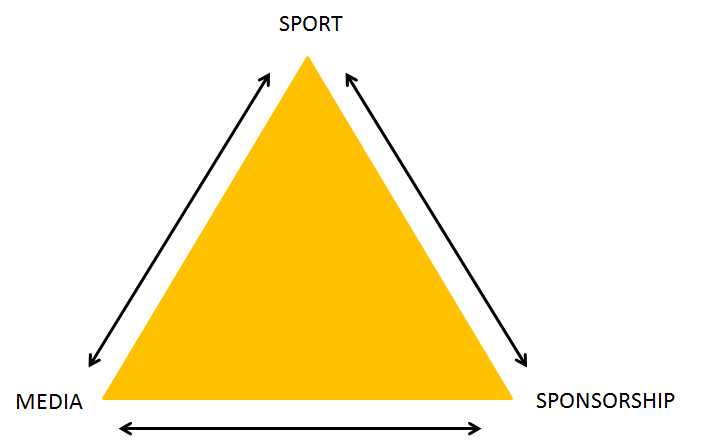
- Media, sponsorship, and sport form what is known as the "Golden Triangle". In this triangle, sport generates media interest, media coverage attracts sponsorship, and sponsorship money flows back into sports, benefiting athletes and teams.
The Golden Triangle:
- Sport: At the core of this model. Without elite performance and significant sporting events, media and sponsorship would have less appeal.
- Media: Amplifies the reach of sports events by broadcasting them to wider audiences. Media attention increases the commercial value of the sport and its athletes.
- Sponsorship: Brands and companies invest money in sports (through advertising and direct sponsorships) because sports events reach large audiences. For example, major sports brands sponsor athletes and teams to get visibility during high-profile events like the Olympics, World Cup, or Wimbledon.
Note
Potential Exam Tip:
- Be prepared to explain how media, sponsorship, and sport are interconnected within the Golden Triangle, and provide a real-world example (e.g., the relationship between Nike, Serena Williams, and the media attention around her performances).
Positive and Negative Influences of Media in Sport
Positive Influences of Media:
- Raising awareness: Media coverage brings attention to sports that may not have had a platform previously, encouraging participation and spectator interest.
- Promoting health: Media campaigns often promote physical activity and healthy living through sports, helping to fight obesity and sedentary lifestyles.
- Highlighting values: The media is instrumental in promoting positive sporting values like fair play, perseverance, and teamwork.
- Inspiring role models: Athletes who gain media attention often become role models, inspiring younger generations to pursue sports or adopt healthier lifestyles.
- Financial gain for athletes ad teams: Sponsorship deals and endorsements are heavily reliant on media coverage. High-profile athletes earn significant sums from brands due to their media presence. Negative Influences of Media:
- Intrusion on privacy: Athletes often find that their personal lives are scrutinised by the media, leading to mental health pressures and public judgement.
- Highlighting negative behaviour: The media often focuses on an athlete's mistakes or misconduct, sometimes overshadowing their accomplishments.
- Dictating schedules: Media networks sometimes alter competition schedules to suit broadcasting needs, potentially affecting athlete performance due to unfamiliar start times or conditions.
- Bias and stereotyping: Media can perpetuate stereotypes, including gender, racial, and cultural biases, which may discourage participation in certain sports or impact athlete perceptions.
- Reduce the confidence of athletes: The scrutiny from the media Media can reduce their confidence and impact their performance.
- Encourages over-commercialization and advertising, taking away from the sport's traditional values.
Note
Knowledge Check:
- List three positive and three negative ways in which media influences sports and athletes.
- Provide examples where media played a critical role in an athlete's rise to fame or downfall due to personal exposure.
Media and Mass Participation
Mass-participation Events:
- Definition: Events with a large number of participants, typically over 1,000, at a given time or place. These events are significant for encouraging community engagement and promoting sport on a grassroots level.
Examples:
- Dublin Marathon: One of Ireland's most popular events, with thousands participating every year.
- Women's Mini Marathon: The largest women-only event in the world, attracting over 25,000 participants.
- Tough Mudder and Ring of Kerry Cycle: Adventure races and endurance challenges that also contribute to charity and community building. Role of Media: Media coverage of these events not only promotes participation but also generates interest and visibility for sponsors. The media's role is crucial in increasing the reach and profile of such events, which often support local charities and causes.
Parkrun Case Study
- A global movement that organises free, weekly, timed 5km runs for people of all abilities. These events are heavily community-focused and rely on volunteers and local support.
- Media's Role: While Parkrun promotes itself through word-of-mouth and local media, the involvement of online platforms and partnerships with health organisations like VHI helps promote these events on a larger scale.

Case Study Questions:
- Does Parkrun rely on media involvement to promote its success?
- Compare the benefits of a free event like Parkrun to paid events like marathons.
- What types of training would a participant in Parkrun need to improve their performance?
Gender Stereotyping in Media
Note
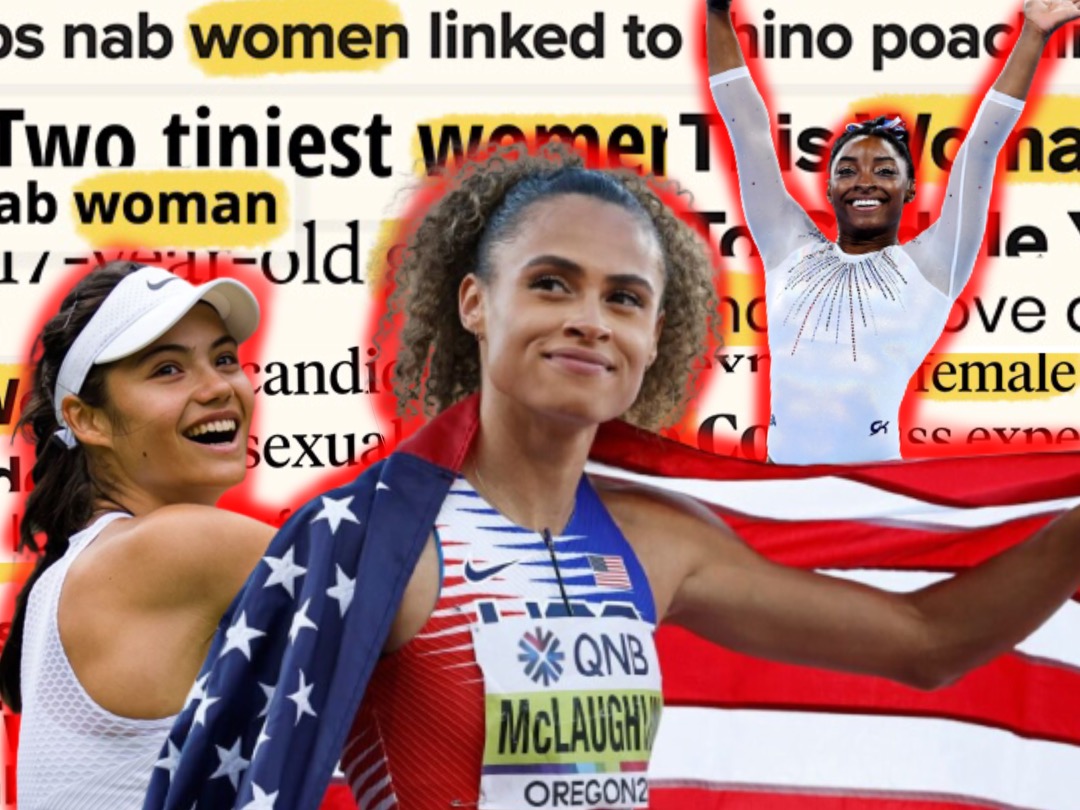
Media plays a crucial role in shaping gender stereotypes in sports, influencing how male and female athletes are portrayed and perceived. Addressing these stereotypes is essential for promoting gender equality in sports. Gender stereotyping in sports leads to fixed, oversimplified ideas of male and female roles in physical activity. For example, women are often portrayed as less strong or athletic, while men are discouraged from participating in more artistic or aesthetic sports.
Definition: Stereotyping refers to oversimplified or fixed ideas about certain groups, in this case, gender. In sports, stereotypes often portray men as stronger, faster, and more competitive, while women are depicted as emotional, fragile, or less capable in physically demanding sports.
Media's Role: Media can either challenge or reinforce these stereotypes. Balanced coverage, which treats men's and women's sports equally, can help break down gender barriers. However, in many cases, women's sports receive less media attention, and when they do, the focus may be on appearance or personality rather than skill and performance.
Historical Context
Historically, sports have been dominated by male participation, with media coverage reflecting and reinforcing this gender imbalance. The evolution of media coverage has slowly started to address these imbalances, but significant work remains.
Example:
- Olympic Coverage: The inclusion of women's events in the Olympics has gradually increased, but historical biases still affect the coverage and recognition of female athletes compared to their male counterparts.
Note
Efforts to challenge these stereotypes include better representation of women in sports media, increased opportunities for female athletes, and campaigns like the 20x20 initiative aimed at achieving better gender balance in sports.
Female Stereotypes:
- Women's primary role is in the home: This stereotype suggests that a woman's focus should be on household duties and family care, which historically has marginalised women's involvement in sports and physical activity.
- Women should not engage in aggressive or combat sports: Society often discourages women from participating in sports like boxing, rugby, or wrestling because these are viewed as violent and 'unfeminine' activities. This creates barriers to participation in more physical or contact sports for women.
- Strong, athletic women are not feminine: Athletic women are sometimes perceived as less feminine because their physique may not conform to traditional ideals of female beauty, which emphasises delicacy and slimness. This discourages women from developing muscle or participating in sports that require strength.
- Women should participate in artistic and aesthetic sports: Activities like gymnastics, figure skating, and synchronised swimming are traditionally seen as "appropriate" for women because they align with conventional notions of grace, beauty, and elegance. These sports reinforce the stereotype that women should focus on artistic and visually pleasing sports.
- Women who train for sports will develop masculine features: There is a common misconception that women who engage in rigorous athletic training will develop big muscles and lose their femininity. This stereotype can prevent women from pursuing strength training or endurance sports, despite the health benefits.
Male Stereotypes:
- Men should not do housework: Traditionally, housework is seen as a woman's responsibility, which reflects the broader gender role expectations that men should focus on physical, outdoor, or work-related activities rather than domestic chores. This stereotype also bleeds into sport, where men are expected to engage in physically demanding activities.
- Men should play aggressive or combat sports: Society typically expects men to participate in sports that emphasise strength, aggression, and competition, such as football, boxing, and wrestling. Engaging in these sports is viewed as a sign of masculinity and dominance.
- Men should be competitive: There is a strong societal expectation that men must be driven by competition and a desire to win, reinforcing the idea that men should dominate in sports. Men are often judged by their success and performance in athletic competitions, regardless of their actual interest in sport.
- Men should not participate in artistic or aesthetic sports: Sports like gymnastics, figure skating, or dance are often viewed as "feminine," and men who participate in them can be subject to ridicule or assumptions about their masculinity. This limits men's involvement in these sports despite their physical rigour and skill requirements.
- Men who are thin and slim are not masculine: In some sporting cultures, slim or less muscular men are perceived as lacking in masculinity. This stereotype pushes men towards building bulk or engaging in strength-based sports, like weightlifting or rugby, to prove their masculinity.
Note
Knowledge Check:
- How do gender stereotypes influence participation in sports for both males and females?
- Can you provide examples of sports where these stereotypes are particularly strong?
- What can be done to challenge these stereotypes in physical education and sport?
Note
Exam Tip: When addressing gender stereotypes in your Leaving Cert PE exam, be prepared to discuss how these stereotypes limit participation for both males and females. Give specific examples of sports where these stereotypes are evident and explore how society's expectations impact both men's and women's involvement in physical activities.
Note
Knowledge Check:
- List the five types of media.
- What is the "golden triangle"?
- Explain three positive and three negative influences of the media on sport.
- Describe an example of a mass-participation event and its sponsor.
- Identify a famous sports media personality and outline their role.
Advantages of the media in the sports industry
| Aspect | Details |
|---|---|
| Performers/Performances | Increased financial investments in sports result in better training facilities, enhanced coaching, and access to advanced ergogenic aids and training aids, improving performance. Professional teams can afford better players, while individual athletes benefit from enhanced support and training groups. |
| Better Stadiums | Media coverage contributes to increased revenue, which helps build improved stadiums with better seating, lighting, and other facilities like big screens and sound systems. These improvements enhance the overall spectator experience. |
| Analysis and Education | Enhanced media coverage leads to better analysis and commentary, offering spectators deeper insights into game strategies and athlete performance. Expert commentators provide professional analysis during broadcasts, enriching the spectator's knowledge of how the game is played. |
| Exciting Formats | The media creates excitement by altering sports formats to make them more appealing. For example, aggregate scoring in knockout rounds in football tournaments like the Champions League increases the drama of the games. Additionally, hockey's penalty flick changes make the game more thrilling to watch. |
| Improved Spectator Experiences | Technological advancements, such as apps that enhance spectators' experience at events or through screen viewing, have become popular. Instant replays and highlights are available on personal devices, allowing spectators to relive key moments quickly. |
Media's Influence on Elite Performance
Note
Media coverage significantly impacts elite performance by influencing:
- Public Perception
- Commercial Opportunities
- Pressure and Performance
1. Public Perception
Media shapes how elite athletes are perceived by the public, influencing their reputation and legacy. Positive coverage can enhance an athlete's public image, while negative coverage can have detrimental effects.
Example:
- Media Narratives: The media often creates narratives around elite athletes, portraying them as heroes or villains based on their performances and personal lives. These narratives can impact how athletes are viewed by fans and the broader public, affecting their marketability and influence.
2. Commercial Opportunities
Media exposure creates commercial opportunities for elite athletes through endorsements, sponsorships, and brand partnerships. High visibility in the media can lead to lucrative deals that enhance an athlete's financial stability and professional success.
Example:
- Endorsements: Elite athletes often secure endorsements from major brands due to their media visibility. These deals can be highly profitable, providing athletes with financial support and increasing their influence beyond the sports arena.
3. Pressure and Performance
The intense scrutiny and pressure from media coverage can impact elite athletes' performance and mental health. Managing this pressure is crucial for maintaining peak performance and well-being.
Example:
- Media Pressure: Continuous media attention and expectations can create significant stress for elite athletes. High-profile events, constant scrutiny, and public criticism can affect their mental health and performance. Support systems and media training are essential to help athletes cope with these pressures.
Spectator Behaviour
Note
Media coverage significantly influences spectator behaviour, shaping how fans engage with and perceive sports. Understanding this influence is key to promoting positive fan engagement and addressing negative behaviours.
Social Media Impact
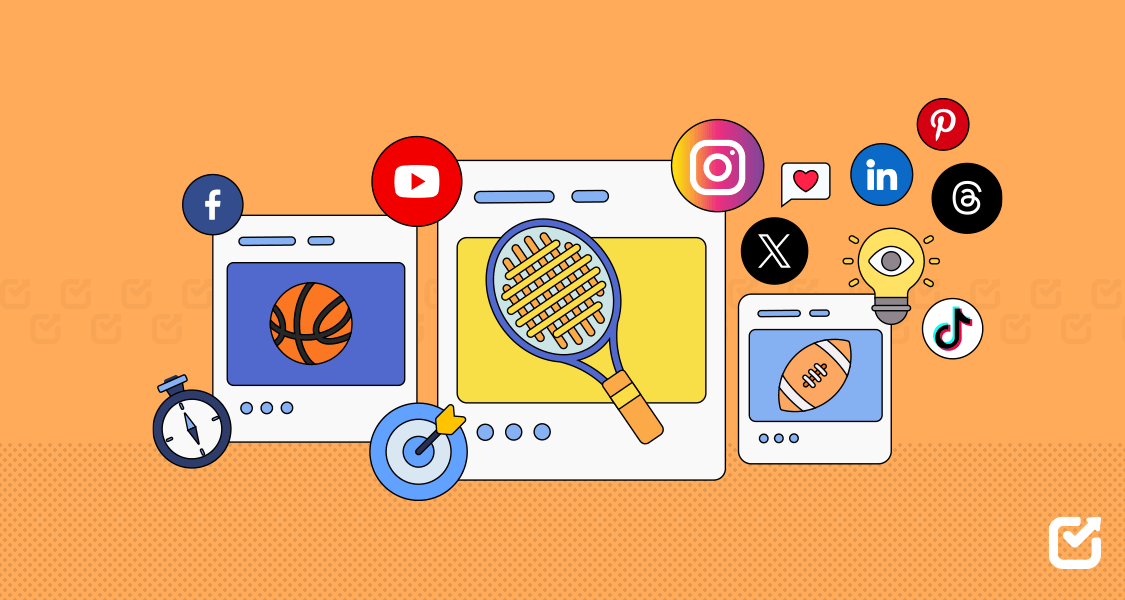
Social media has become a powerful tool for fans to interact with sports, but it also comes with challenges related to behaviour and engagement. While it offers opportunities for positive engagement, it also presents risks of negative interactions.
Example:
- Fan Interaction: Social media platforms allow fans to engage with athletes, teams, and other fans in real-time. However, this can also lead to negative behaviours such as trolling, harassment, and spreading misinformation.
Advertising and Commercialisation
The commercial aspect of sports media influences how events are covered and perceived by spectators. While commercialisation can provide financial support for sports, it can also lead to ethical concerns and a shift in focus from athletic performance to profit.
Example:
- Sponsorships and Endorsements: The media often focuses on sponsorships and endorsements, which can overshadow the sporting aspects and lead to the commercialisation of the sport. This can impact how fans perceive the authenticity and integrity of sporting events.
Hype and Rivalry
Media can build excitement and anticipation around sporting events, but this can also have negative consequences. Responsible media coverage should aim to foster positive engagement while avoiding the escalation of negative behaviours.
Example:
- Building Anticipation: Media hype around rivalries and big matches can enhance the spectator experience, creating a sense of excitement and engagement. However, it can also lead to increased pressure on athletes and escalate tensions among fans.
Violence and Hooliganism
Negative behaviours such as violence and hooliganism are influenced by how the media covers and portrays sporting events. Addressing these behaviours requires a concerted effort from the media, sports organisations, and law enforcement.
Example:
- Media Influence: Coverage of violent incidents and rivalries can sometimes glamorise or exacerbate these behaviours, leading to more incidents of hooliganism and violence among spectators. Positive Influences of the Media on Spectators:
- Promotes healthy lifestyles and participation in sports.
- Highlights role models and encourages youth to emulate them.
- Improves analysis and understanding of the game for viewers through better commentary and insights.
- Media provides better access to sports, improving the experience with instant replays, enhanced analysis, and more.
- Improved stadiums with advanced facilities like screens and sound systems.
- Analysis and education: Media informs spectators about tactics, game strategies, and player insights.
- Exciting formats like extended playtimes in major tournaments have enhanced fan engagement. Negatives for Spectators:
- Loss of traditions: New formats may alienate traditionalists.
- Less coverage for minority sports, overshadowed by more popular events.
- Advertising overload: Increased sponsorship visibility can detract from the sporting experience.
Media's Influence on Sports Participation
Note
Media plays a crucial role in influencing sports participation, from inspiring new generations of athletes to shaping public perceptions of sports and physical activity.
- Promoting Participation
- Role Models
- Community Engagement
Promoting Participation
Media coverage can inspire people to take up sports and engage in physical activities. Highlighting the benefits of sports and showcasing success stories can motivate individuals to become more active.
Example:
- Inspiring Stories: Coverage of athletes overcoming challenges and achieving success can inspire viewers to participate in sports, promoting a healthy and active lifestyle.
Role Models
Media can highlight athletes as role models, encouraging young people to engage in sports. Positive representation of athletes helps shape the aspirations of young viewers and fosters a culture of participation.
Example:
- Athlete Profiles: Features and interviews with successful athletes provide role models for young viewers, showcasing the benefits of hard work, dedication, and healthy living.
Community Engagement
Media can foster community engagement in sports, promoting local events and participation. Coverage of grassroots sports and community initiatives helps build a strong local sports culture.
Example:
- Local Coverage: Coverage of local sports events and community initiatives encourages participation and support for grassroots sports, fostering a sense of community and belonging.
How Sport Appeals to the Media
Note
Sport captures media attention through its inherent drama, simplicity, and broad audience appeal. These elements make sports a compelling subject for media coverage, driving engagement and viewership.
- Drama
- Simplicity
- History
- International Appeal
- Marketing
- Passion and Loyalty
Drama
Sports are filled with moments of tension, excitement, and unexpected outcomes, making them a natural fit for media storytelling.
Example:
- Sporting Rivalries: High-profile rivalries, such as the matches between Manchester United and Liverpool, generate significant media interest due to the intense competition and history between the teams. These events often feature dramatic moments that captivate audiences.
Simplicity
The straightforward nature of many sports makes them easy to understand and follow, attracting a wide audience.
Example:
- Football: The basic rules of football are simple, allowing even casual viewers to grasp the essentials of the game. This simplicity helps to maintain broad media appeal and accessibility.
History
Sports often have rich histories and traditions that add depth and context to media coverage, enhancing their appeal.
Example:
- The Olympics: The historical significance and tradition of the Olympic Games provide a wealth of stories and contexts for media coverage, from the origins of the games in ancient Greece to modern-day achievements and records.
International Appeal
Sports that attract a global audience are particularly appealing to the media, offering stories that resonate worldwide.
Example:
- World Cup: The FIFA World Cup draws viewers from around the globe, making it a prime event for media coverage. The international nature of the tournament, featuring teams from diverse cultures and backgrounds, adds to its broad appeal.
Marketing
The commercial potential of sports attracts significant media attention, driven by advertising and sponsorship opportunities.
Example:
- Super Bowl Ads: The Super Bowl is one of the most-watched sporting events globally, partly due to the high-profile advertisements that air during the game. These ads generate additional media interest and coverage, highlighting the event's marketing appeal.
Passion and Loyalty
The deep emotional connection that fans have with their teams and sports creates compelling stories for the media.
Example:
- Fan Loyalty: Stories of dedicated fans who travel great distances to support their teams, such as the "Green Brigade" of Celtic FC, are often highlighted in the media, showcasing the passion and loyalty that sports inspire.
How Sport Appeals to Spectators
Spectators are drawn to sports through accessibility, the sense of belonging, entertainment value, and the emotional highs and lows that sports provide. These factors enhance the spectator experience and foster a deep connection with the sport.
- Accessibility
- A Sense of Belonging
- Entertainment
- Passion and Loyalty
- Media Coverage
Accessibility
The ease of access to sporting events, whether live or through broadcasts, plays a crucial role in attracting spectators.
Example:
- Broadcast Availability: The wide availability of sports broadcasts on television and online platforms ensures that fans can watch their favourite teams and events from anywhere, making it easy for them to stay engaged.
A Sense of Belonging
Sports create a community atmosphere, fostering a sense of belonging among fans and spectators.
Example:
- Supporter Groups: Groups like the "Kop" of Liverpool FC create a strong community spirit among fans, enhancing the sense of belonging and shared identity that comes with supporting a team.
Entertainment
The inherent entertainment value of sports, with its excitement, drama, and unpredictability, draws spectators.
Example:
- Highlight Reels: The creation and distribution of highlight reels featuring spectacular plays, goals, and moments of brilliance keep fans entertained and engaged with the sport even outside of live events.
Passion and Loyalty
The emotional investment that fans have in their teams drives their engagement and loyalty.
Example:
- Die-hard Fans: Stories of die-hard fans who demonstrate unwavering support, such as attending every game regardless of the team's performance, highlight the passion and loyalty that sports inspire.
Media Coverage
Extensive media coverage of sports events helps to attract and retain spectators by keeping them informed and engaged.
Example:
- 24/7 Sports Channels: Dedicated sports channels like ESPN and Sky Sports provide continuous coverage, analysis, and updates on various sports, ensuring that fans are always connected to the latest happenings in their favourite sports.