Industrial Development (Grade 10 NSC Matric Economics): Revision Notes
📚Revision Notes
Industrial Development
Industrial development represents one of the most significant economic transformations in human history. This process fundamentally changed how goods are produced and how societies are organised, creating the foundation for modern economic systems we see today.
What is industrial development?
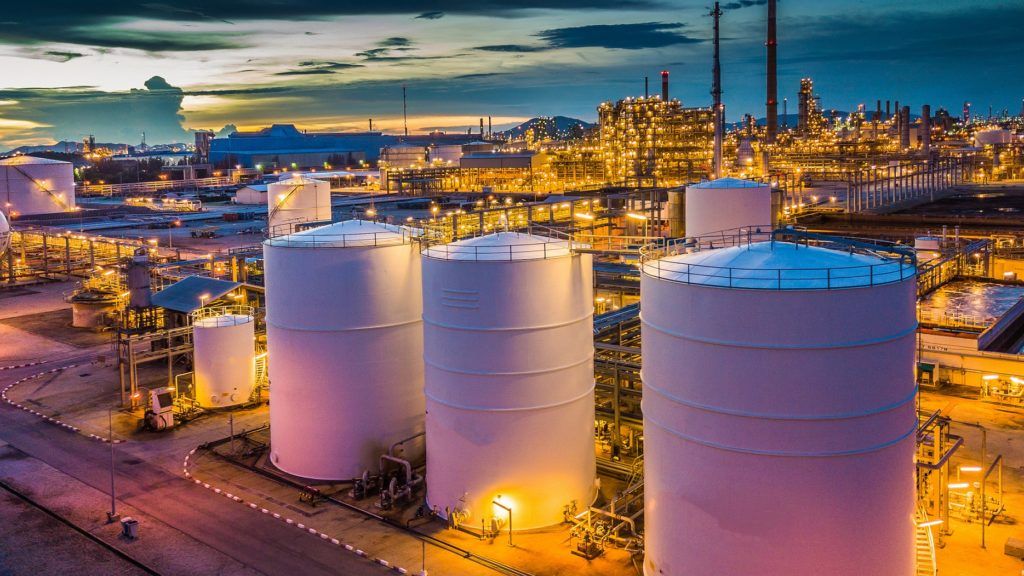
Industrial development refers to the transformation of an economy from primarily agricultural-based production to manufacturing-based production. This shift involves the establishment of factories, the use of machinery, and the mass production of goods. The process creates new employment opportunities, changes social structures, and drives economic growth.
Note
This fundamental economic transformation doesn't just change how things are made - it reshapes entire societies, affecting where people live, what jobs they do, and how communities function.
Manufacturing
The journey of industrial development began during the 18th century, a period historians call the Industrial Revolution. This era marked a dramatic shift in how goods were produced and represented the birth of modern manufacturing.
Key characteristics of this period included:
- Development of large-scale manufacturing processes that could produce goods in much greater quantities than ever before
- The rise of industrialisation, where entire economies shifted from agriculture to manufacturing
- Establishment of factories that brought workers together in centralised locations
- Introduction of new production methods that increased efficiency and output
The Industrial Revolution didn't happen overnight - it was a gradual process that spread from Britain to other parts of Europe and eventually around the world. This transformation laid the foundation for the modern industrial economy we know today.
Note
The spread of industrial development from Britain to other countries created a pattern of economic competition and technological advancement that continues to influence global economics today.
Technological progress
One of the most important developments during industrial development was mechanisation. This term describes the process of using machines to produce goods instead of relying solely on human labour.
Note
The benefits of mechanisation include:
- Faster production: Machines can work continuously and at speeds impossible for human workers
- Cost reduction: Once established, mechanical production often costs less per unit than manual production
- Consistency: Machines produce goods with more uniform quality than handmade items
- Increased output: Factories could produce far more goods than traditional craftspeople
Important
However, mechanisation also brought challenges:
- Job displacement: As machines took over production tasks, many traditional jobs disappeared
- Skill changes: Workers needed to learn new skills to operate machinery
- Economic disruption: Traditional ways of life and work were permanently altered
Understanding mechanisation helps explain why industrial development created both opportunities and challenges for societies experiencing this transformation.
Urbanisation and migration
Industrial development triggered massive social changes, particularly in where and how people lived. As factories were built in towns and cities, a process called urbanisation accelerated rapidly.
The connection between industrialisation and urbanisation:
- Job opportunities: Factories needed workers, creating employment in urban areas
- Rural-to-urban migration: People left farming communities to seek factory jobs in towns and cities
- Population concentration: Most developed countries today have large urbanised populations as a direct result of this historical process
Note
Consequences of urbanisation:
- Improved transport systems: Cities needed better roads, railways, and later public transport to move people and goods efficiently
- Occupational specialisation: Instead of families doing many different tasks (like farming, making clothes, and building), people began specialising in specific jobs
- Social changes: Urban living created new lifestyles, social structures, and cultural patterns
The urbanisation process that began during early industrial development continues today, with people around the world still moving from rural areas to cities in search of economic opportunities.
Industrial development's lasting impact
The changes brought about by industrial development created the foundation for modern economies. The shift from agricultural to manufacturing-based production, combined with technological progress and urbanisation, established patterns that continue to influence economic development today.
This transformation also demonstrates how technological change can reshape entire societies, affecting not just how goods are produced, but also where people live, what jobs they do, and how communities are organised.
Summary
Key Points to Remember:
- Industrial development began in the 18th century during the Industrial Revolution, marking the shift from agricultural to manufacturing-based economies
- Mechanisation uses machines to produce goods, making production faster and cheaper but also replacing traditional labour
- Urbanisation occurred as people migrated from rural areas to towns and cities seeking factory jobs
- Large-scale manufacturing processes became the foundation of modern industrial production
- Industrial development created both opportunities and challenges, including job creation, improved efficiency, but also job displacement and social disruption