Manufacturing and Services: Since 1990 (Grade 10 NSC Matric Economics): Revision Notes
📚Revision Notes
Manufacturing and Services: Since 1990
Understanding economic sectors
South Africa's economy is organised into three main sectors, each playing a different role in our economic development. These sectors work together to create the goods and services we need.
The primary sector takes resources directly from nature. This includes activities like farming, fishing, and mining. Think of it as the "raw materials" sector that provides the basic inputs for everything else.
The secondary sector takes those raw materials and transforms them into useful products. Manufacturing companies, construction firms, and food processing plants are examples of secondary sector businesses. They add value by changing raw materials into finished goods.
The tertiary sector provides all the services that people and businesses need. This includes transport, banking, healthcare, education, and entertainment. In developed countries, the tertiary sector typically makes up the largest portion of economic activity.
Note
When services dominate an economy, economists consider that country to be economically developed. Using this measure, certain parts of South Africa have developed economies, showing significant progress since 1990.
Characteristics of South Africa's manufacturing and services economy
Manufacturing in South Africa
South African manufacturing focuses on processing our abundant natural resources and creating products for both local and international markets. Key manufacturing activities include processing agricultural products into food and beverages, producing cars, manufacturing chemicals, and creating electronic equipment.
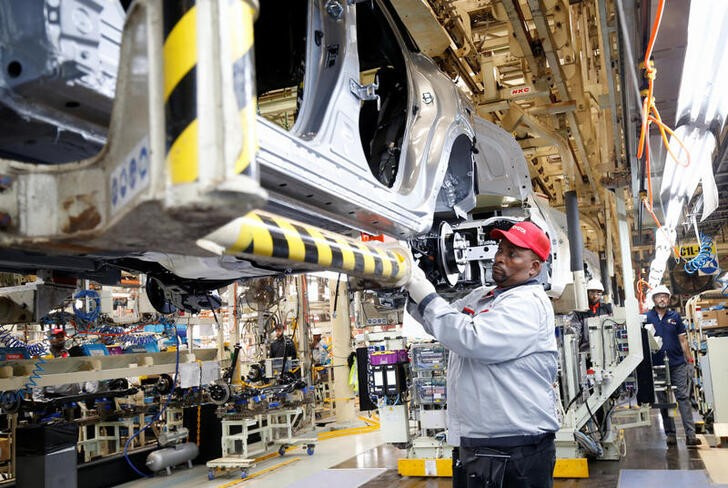
Most manufacturing happens in and around major cities like Johannesburg, Cape Town, Durban, and Port Elizabeth. This concentration, called centralisation, occurs because it's cheaper and more efficient to group factories together. When manufacturing is centralised, companies can share infrastructure, skilled workers, and support services more easily.
Example
Worked Example: How Centralisation Benefits Manufacturing
Consider two scenarios:
- Scattered factories: Each factory must build its own power supply, train its own workers, and create its own transport links
- Centralised factories: Multiple factories share the same power grid, draw from the same pool of skilled workers, and use the same transport infrastructure
Result: Centralised manufacturing reduces costs for all companies involved
This centralisation creates a snowball effect - manufacturing creates jobs in cities, which attracts more people looking for work, which creates demand for more services and infrastructure. This cycle helps explain why South Africa's major cities continue to grow.
Services in South Africa
The services sector in South Africa operates through a mix of government-provided and privately-provided services. This mixed approach reflects both the country's economic needs and social priorities.
Government services include essential services like electricity supply, transport systems, and postal services. However, since 1990, the government has privatised many services that were once state-owned. Notable examples include Telkom, South African Airways (SAA), and Spoornet. Sometimes the government creates partnerships with private companies, called parastatals, to provide services more efficiently.
Important
The government must provide certain services because many South Africans cannot afford to pay full market prices. Most people cannot afford private healthcare or private school fees, so government-funded hospitals and schools are essential. The government also provides services like policing, justice, and military defence because these cannot operate on commercial principles - imagine if only wealthy people could access courts or police protection!
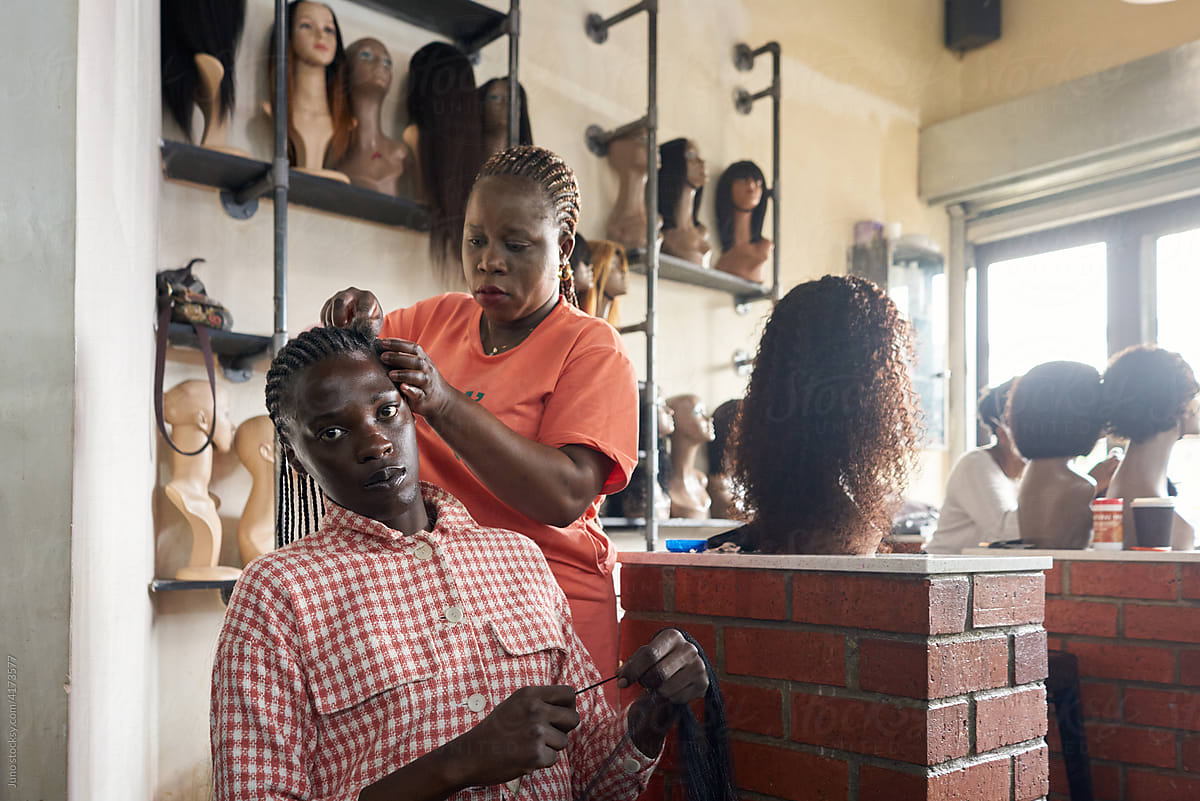
Private services include mobile phone companies, media companies, and personal services like private doctors and hairdressers. These services compete in the market and are available to those who can afford to pay for them.
Factors that promoted services development
Several positive developments have boosted South Africa's services sector since 1990:
Democracy and political stability created opportunities for economic growth. When South Africa became democratic in 1994, international sanctions were lifted, allowing trade and communication to flourish. This political change opened doors for international business and investment.
Infrastructure development enabled South Africa to compete globally in information and services sectors. Better telecommunications, transport, and facilities allowed the country to become a popular destination for international conferences and business meetings.
Tourism growth has been remarkable. South Africa now attracts far more international tourists than before 1990, creating opportunities in hospitality, transport, and entertainment services.
Globalisation provided opportunities to develop competitive services in banking, insurance, medicine, dentistry, hospitality, transport, communications, and research. South African companies can now compete internationally and share knowledge with companies worldwide.
Factors that hampered services development
Despite progress, several challenges have limited the growth of South Africa's services sector:
Skills shortages remain a major problem. There simply aren't enough trained workers to meet the demand for skilled services. This shortage is worsened by the brain drain - too many educated workers leave South Africa for opportunities in other countries.
Important
Brain Drain Impact
Brain drain creates a vicious cycle: skilled workers leave → service quality drops → companies struggle to compete → fewer opportunities for remaining workers → more skilled workers leave
Crime and corruption discourage both skilled workers and international businesses. High crime levels and corruption make South Africa an expensive and risky place to do business compared to other developing countries. Companies must spend extra money on security and protection.
Global competition has created challenges as well as opportunities. Many services can now be sold competitively over the internet, which means South African companies face direct competition from international firms that may be cheaper or higher quality due to economies of scale.
Poverty limits the domestic market for services. Many South Africans are too poor to purchase services, which means companies cannot benefit from economies of scale to reduce their costs. This creates a cycle where services remain expensive and inaccessible.
Education gaps mean many South Africans lack the training needed to provide high-quality services. This represents lost opportunities for both individuals and the economy as a whole.
Consequences of services development
The growth of South Africa's services sector has created several important changes:
Economic modernisation means South Africa's economy is beginning to resemble those of developed countries, with services playing a much larger role than before 1990.
Increased international attractiveness has made South Africa a destination for more international tourists and business people, bringing foreign currency and creating employment opportunities.
Business opportunities have emerged through out-sourcing, where companies contract other businesses to provide services like cleaning and maintenance. This trend creates opportunities for new small businesses to start and grow.
Note
These consequences show that despite the challenges, South Africa's services sector has made significant progress since 1990 and continues to be an important driver of economic development.
Summary
Key Points to Remember:
- Economic sectors: Primary (natural resources), secondary (manufacturing), tertiary (services) - services dominate in developed economies
- Manufacturing concentration: South African manufacturing is centralised in major cities for efficiency and cost reasons
- Mixed service provision: Government provides essential services while private companies compete in commercial markets
- Development drivers: Democracy, infrastructure, tourism, and globalisation have boosted services growth since 1990
- Key challenges: Skills shortages, brain drain, crime, and poverty continue to limit the sector's full potential