Earthquakes (Grade 10 NSC Matric Geography): Revision Notes
📚Revision Notes
The Impact of Earthquakes
Earthquakes can have devastating effects on people and settlements worldwide. However, the severity of these impacts varies greatly depending on a country's level of development and preparedness. Understanding these differences and the strategies available to reduce earthquake damage is crucial for protecting communities at risk.
Understanding vulnerability differences
The impact of earthquakes depends heavily on whether they occur in developed or less developed countries. This difference in economic and social development creates significant variations in how well communities can prepare for, respond to, and recover from seismic events.
Note
Key Definitions
- Less developed countries: Nations with lower standards of living, education and infrastructure
- More developed countries: Nations with higher standards of living, education and infrastructure
Why development level matters
More developed countries like Japan and the USA have access to advanced science and technology that helps them prepare for earthquakes. Their populations can build stronger structures, construct protective sea walls against tsunamis, and implement efficient emergency response systems.
In contrast, less developed countries face greater challenges due to limited resources and infrastructure. When earthquakes strike these areas, the effects are typically much more severe and long-lasting.
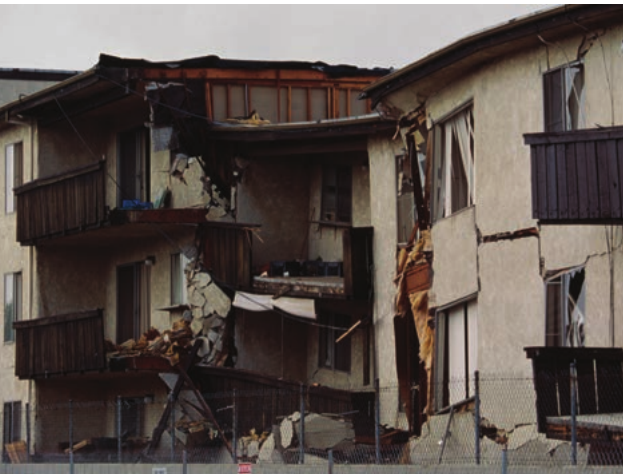
Comparing vulnerabilities
The table below shows how earthquake and tsunami vulnerability differs between developed and less developed countries:
| Aspect | Less developed countries | More developed countries |
|---|---|---|
| Early-warning systems | - Usually few or no plans for earthquake/tsunami response - Lack of early-warning systems | - Better information systems about earthquake/tsunami risks - Advanced warning systems for tsunamis |
| Settlement patterns | - More people in rural areas, difficult to reach for rescue - Poorly built urban buildings that collapse easily - Vulnerable to tsunami damage | - Stronger urban buildings designed to withstand earthquakes - Coastal protection from sea walls - Protected infrastructure (roads, railways, power stations) |
| Disaster management | - Few emergency response plans - Higher casualties due to inadequate shelter, food and water - Disease outbreaks common - Reliance on slow-arriving outside help | - Trained emergency response teams - Emergency supplies readily available - Well-equipped medical facilities - Effective disease prevention |
Case studies: Comparing earthquake impacts
Example
Case Study 1: Haiti earthquake, 2010
The Haiti earthquake demonstrates the severe impacts that can occur in less developed countries:
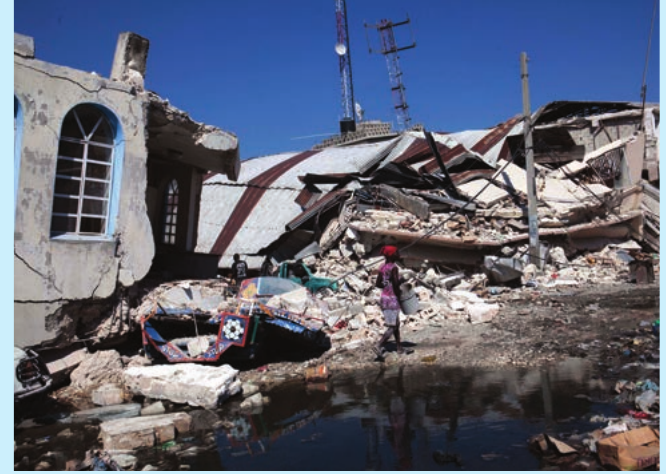
Key impacts:
- Approximately 300,000 people injured
- Government estimated 230,000 deaths
- 300,000 houses destroyed
- 1.5 million people still living in temporary shelters months later
- Over 800 orphans left without families through the adoption process
Example
Case Study 2: Northridge earthquake, California, USA, 1994
In contrast, this earthquake in a developed country showed different patterns:
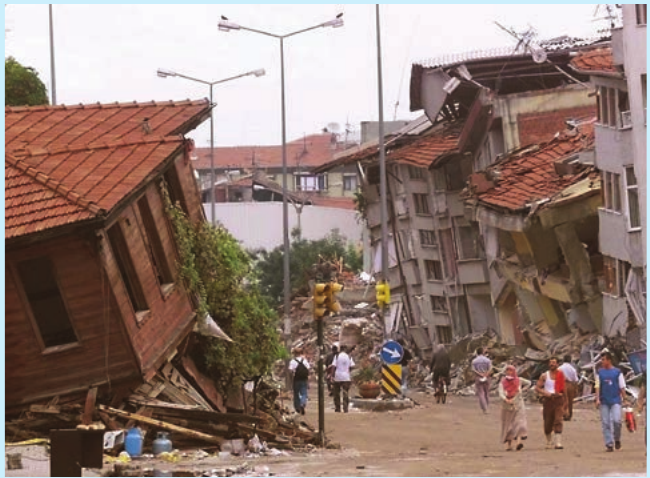
Key impacts:
- About 9,000 people injured
- Only 57 fatalities
- Earthquake occurred at 4:30 a.m. when most people were asleep
- Aftershocks caused ongoing concern about structural damage
- Many buildings had been strengthened since the 1971 earthquake, making them more resilient
Important
The dramatic difference in casualties (230,000 deaths in Haiti vs 57 in California) illustrates how development level affects earthquake impact, even when both were significant seismic events.
Strategies to reduce earthquake impact
Science and technology provide several ways to minimise earthquake damage and save lives. Two main approaches are early warning systems and improved building design.
Early warning systems
Detection buoys are floating instruments that monitor ocean movements and can detect approaching tsunamis. Isolines on maps connect points of equal value (such as wave height or travel time) to show how tsunamis spread across oceans.
Japan's advanced early warning system
Japan has developed one of the world's most sophisticated earthquake and tsunami warning systems:
- The system automatically sends alerts via television and mobile phones when the first, less harmful seismic waves are detected
- This provides crucial time for people to prepare for the more powerful shock waves that follow
- The system can automatically shut down energy facilities, industrial plants, and transportation services to prevent further damage
- A network of detection buoys in the Pacific Ocean monitors for tsunamis and sends warnings to many nations
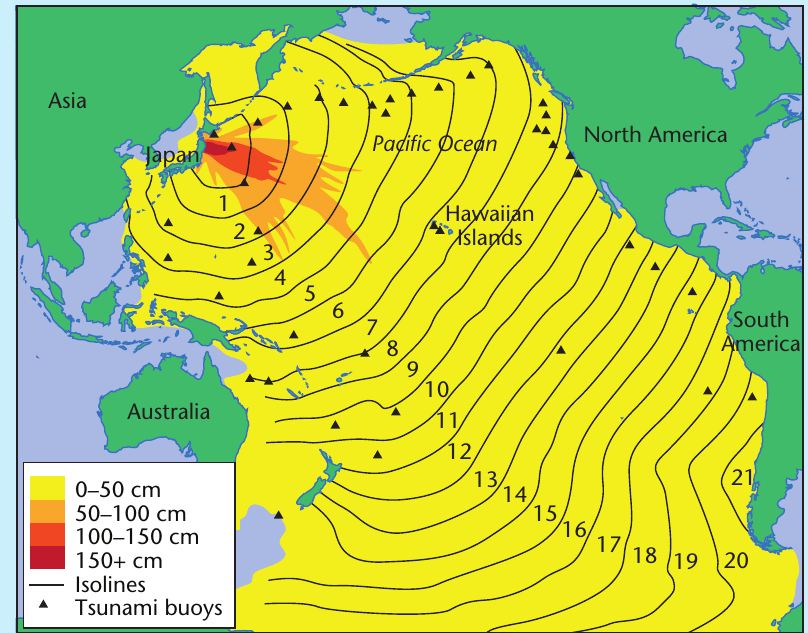
Note
The 2011 tsunami propagation map shows how waves spread across the entire Pacific Basin, with the highest waves (shown in red) concentrated near Japan. The numbered isolines indicate travel time in hours, demonstrating how the warning system can alert distant countries hours before the waves arrive.
Stronger building design
Modern engineering techniques can significantly improve building survival during earthquakes:
Key features of earthquake-resistant buildings:
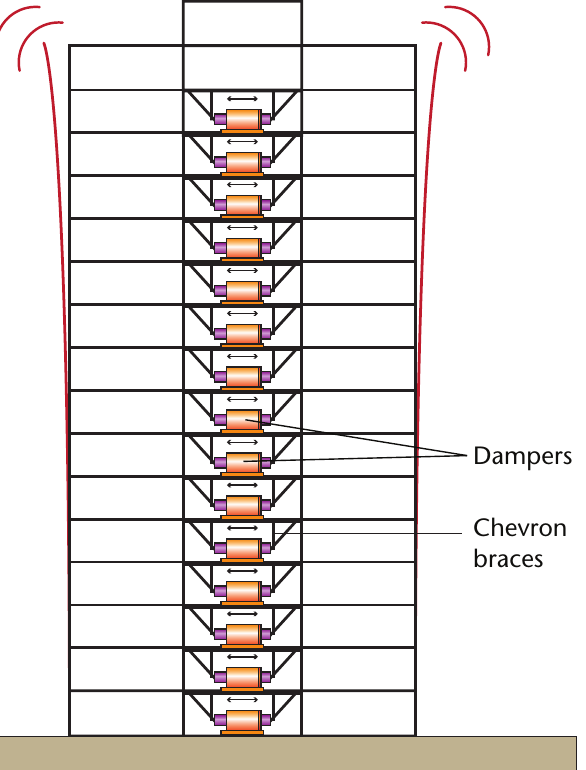
- Dampers: Special devices that absorb seismic energy and reduce building movement
- Chevron braces: V-shaped structural supports that provide additional stability
- Flexible materials that can bend and stretch without breaking
- Building foundations that allow structures to move safely with ground motion
Example
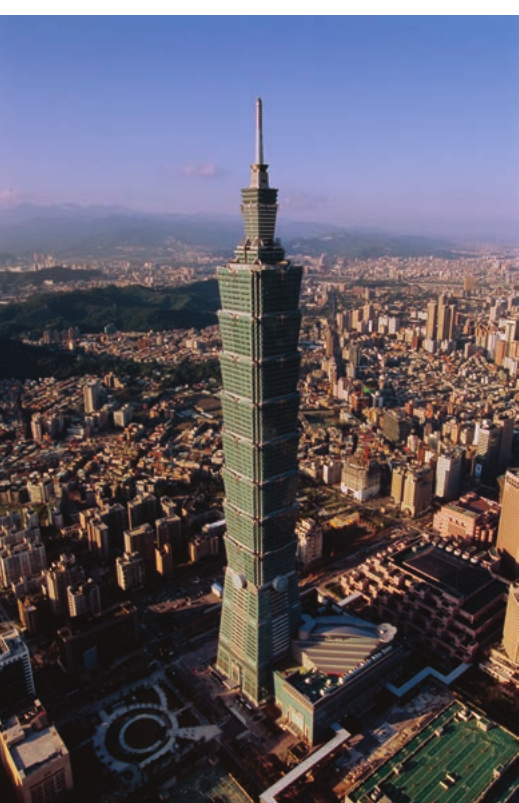
Success Story: Taipei 101
Taipei 101 in Taiwan serves as an excellent example of earthquake-resistant design. As the second tallest skyscraper in the world, it incorporates advanced seismic protection systems including massive dampers and flexible structural elements that allow it to sway safely during earthquakes.
Additional earthquake examples
Example
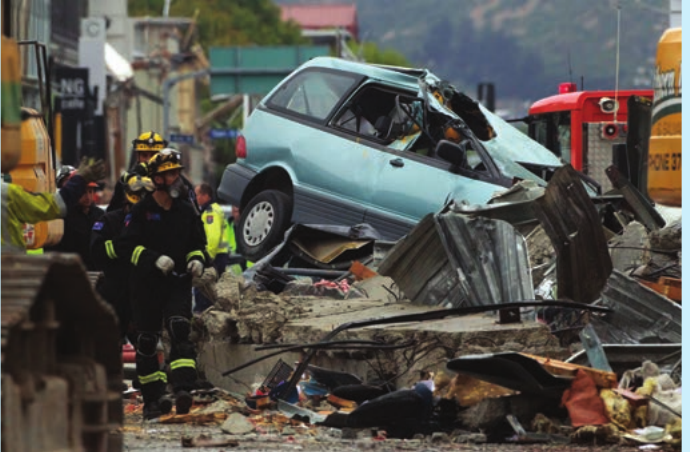
New Zealand earthquake, 2011
The Christchurch earthquake (magnitude 6.3) struck during lunchtime when the city centre was busy. Despite occurring in a developed country, it caused significant damage because:
- The epicentre was very close to the city (only 4.8 km away)
- The focus was shallow (5 km below surface)
- Many people were in vulnerable locations when it struck
Example
Japan Tohoku earthquake and tsunami, 2011
This massive earthquake (magnitude 9.0) created a devastating tsunami that demonstrated both the power of natural disasters and the importance of preparedness:
Key facts:
- Earthquake focus was 32 km below the surface, with epicentre 130 km offshore
- Tsunami waves reached 10 metres high
- Waves penetrated up to 10 km inland in some areas
- At least 25,000 people died
- A nuclear power plant was damaged, creating radioactive contamination
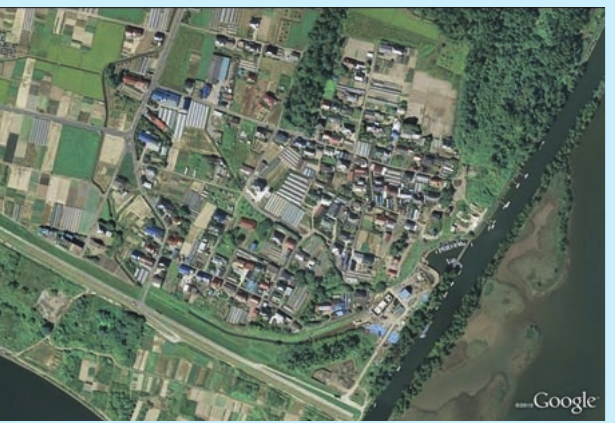
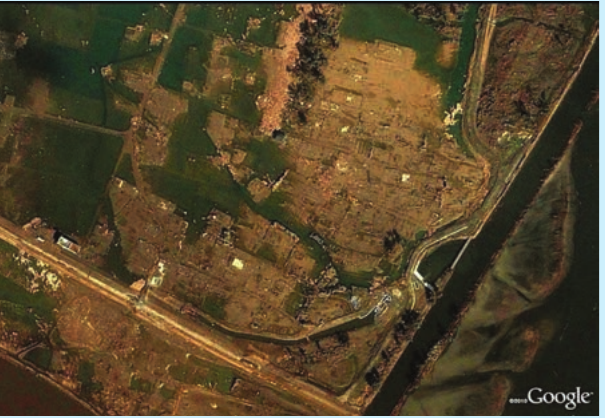
The before-and-after satellite images show the complete transformation of coastal communities, with entire settlements swept away by the tsunami waves.
Summary
Exam tips
When answering questions about earthquake impacts:
- Always consider the development level of the affected country
- Compare casualty figures and response capabilities between developed and less developed nations
- Explain how building standards and emergency preparedness affect outcomes
- Use specific case study details to support your answers
- Remember that distance from epicentre, depth of focus, and timing all influence impact severity
Summary
Key Points to Remember:
- Developed countries generally suffer fewer casualties due to better building standards, early warning systems, and emergency response capabilities
- Less developed countries face greater challenges due to limited resources, poor infrastructure, and inadequate disaster preparedness
- Early warning systems can provide crucial time for people to take protective action before earthquakes and tsunamis strike
- Earthquake-resistant building design using dampers, braces, and flexible materials can significantly reduce structural damage
- Case studies like Haiti (2010) vs California (1994) demonstrate how development level dramatically affects earthquake impact severity
- Preparation and planningare just as important as responding to disasters after they occur