Volcanoes (Grade 10 NSC Matric Geography): Revision Notes
📚Revision Notes
The Impact of Volcanoes
Volcanoes are often seen as destructive natural forces that threaten human life and damage the environment. However, this view only tells part of the story. While volcanic eruptions can indeed cause significant harm, they also bring important benefits to people and the environment. Understanding both the positive and negative impacts of volcanoes helps us appreciate why millions of people choose to live near these potentially dangerous geological features.
Note
The dual nature of volcanoes makes them fascinating geological features - they simultaneously create and destroy, support life while threatening it, and provide resources while posing risks.
Positive effects of volcanoes on people and the environment
Volcanoes provide numerous benefits that have supported human civilisation for thousands of years. These positive impacts explain why densely populated areas often develop around volcanic regions despite the potential risks.
Soil fertility and agriculture
Volcanic lava gradually breaks down through weathering processes to create some of the world's most fertile soils. These nutrient-rich soils support productive agriculture, allowing communities to grow abundant crops. Additionally, volcanic ash contains essential nutrients that naturally enrich the soil, acting like a natural fertiliser that improves agricultural yields.
Important
Volcanic soils are so fertile that they can support some of the highest population densities in the world, which explains why people continue to live in volcanic regions despite the risks.
Construction materials and infrastructure
Volcanic rock serves as excellent building material for construction projects. The strong, durable nature of volcanic rock makes it ideal for building roads, houses, and other infrastructure. Dolerite, a type of volcanic rock, is particularly valued for construction due to its strength and durability.
Energy generation
Hot springs and geysers associated with volcanic activity can be harnessed to generate electricity through geothermal power stations. This renewable energy source provides clean electricity for homes and businesses whilst reducing dependence on fossil fuels.
Note
Geothermal energy is particularly valuable because it provides consistent, reliable power 24/7, unlike solar or wind power that depends on weather conditions.

Valuable minerals and resources
Volcanic intrusions often bring valuable minerals closer to the Earth's surface, making them accessible for mining. Diamonds and other precious minerals are frequently associated with volcanic activity, providing important economic resources for local communities.
Tourism and recreation
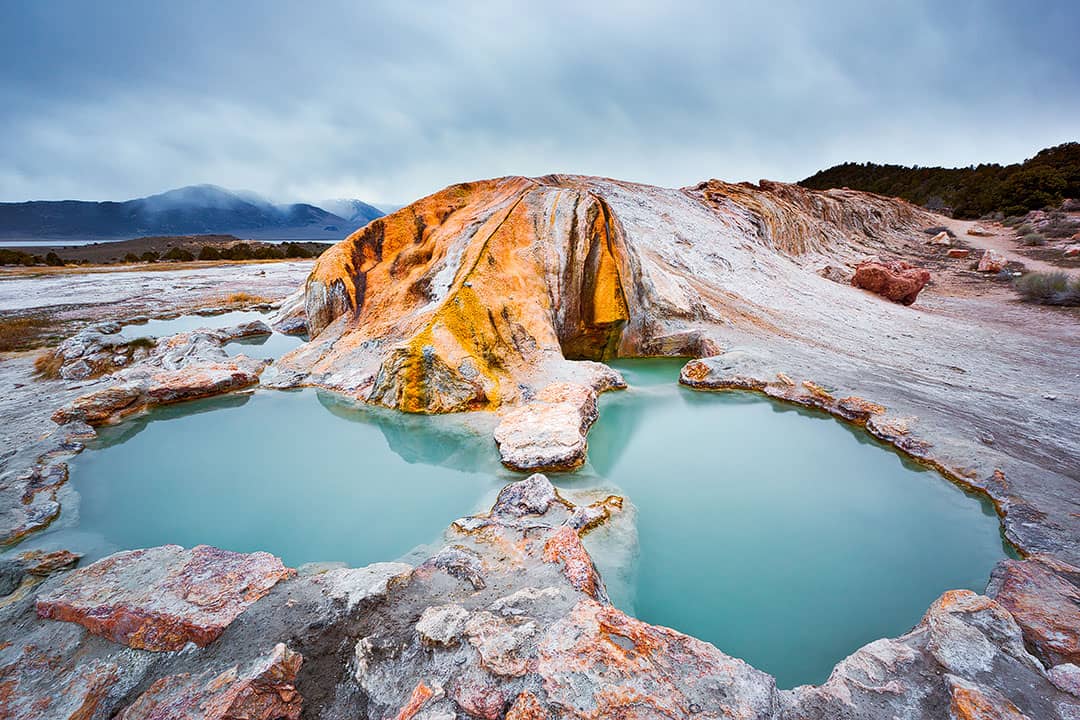
Hot springs attract tourists seeking relaxation and therapeutic benefits, creating important sources of income for local communities. Many of the world's most popular tourist destinations are volcanic islands, such as Hawaii, where visitors come to experience unique landscapes and dramatic volcanic activity.
Negative effects of volcanoes on people and the environment
Despite their benefits, volcanic eruptions can cause devastating impacts on human populations and the natural environment. These negative effects often receive more attention due to their immediate and dramatic nature.
Loss of life and property damage
Volcanic eruptions can bury people under ash and cinders, as tragically occurred in Pompeii when Mount Vesuvius erupted. Large areas of farmland can be completely destroyed, leaving communities without food sources or livelihoods.
Important
The tragedy of Pompeii serves as a stark reminder that volcanic eruptions can happen with little warning and completely overwhelm populated areas within hours.
Global climate effects
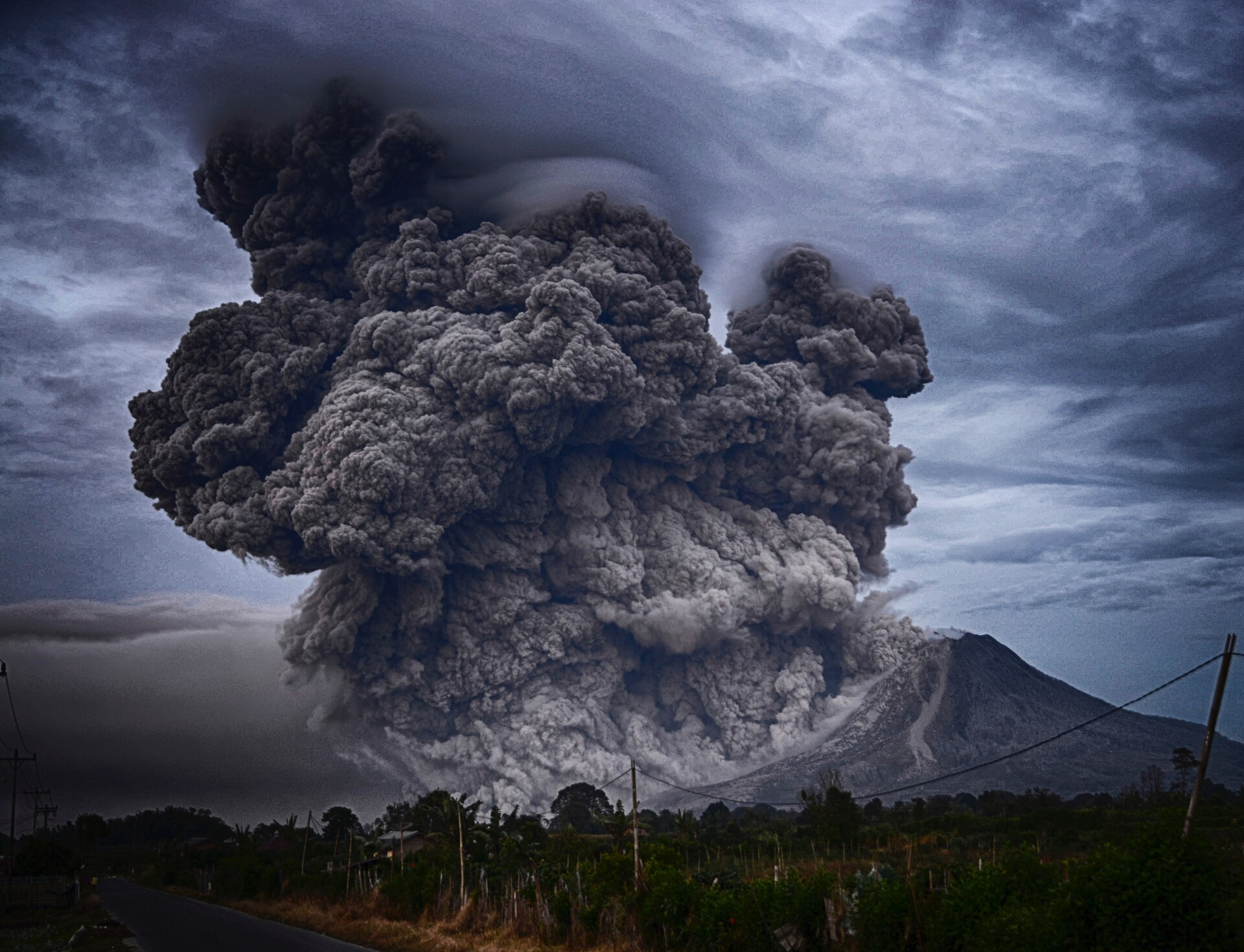
Large, explosive eruptions that produce ash-filled clouds can significantly impact global weather patterns. These eruptions may cause the world's temperature to cool temporarily, as occurred with the Krakatau eruption. The massive amounts of ash and particles released into the atmosphere can block sunlight and affect climate systems worldwide.
Environmental pollution
Volcanic eruptions release toxic gases that contribute to acid rain and air pollution. These pollutants can damage ecosystems, harm wildlife, and affect human health over large areas.
Disruption to transportation
Ash clouds from volcanic eruptions can severely disrupt air travel, stranding passengers and causing significant economic losses. The 2010 Iceland volcanic eruption demonstrated how volcanic activity in one location can affect transportation systems across entire continents.
Infrastructure destruction
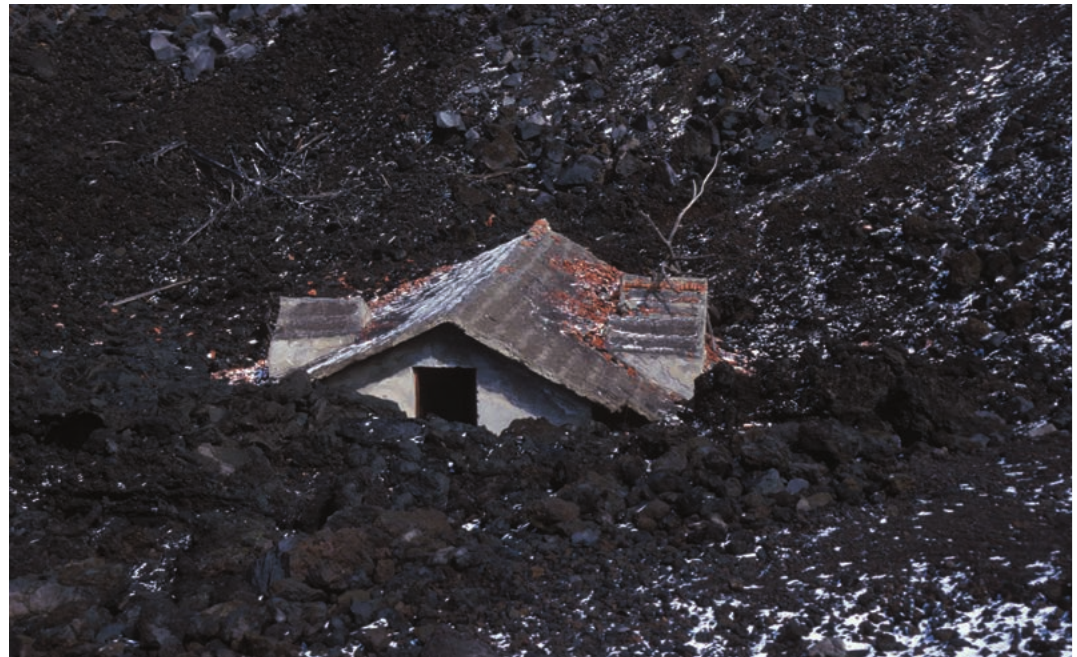
Lava flows and volcanic ash can destroy roads, buildings, and essential infrastructure. This destruction not only causes immediate damage but also hampers rescue efforts and economic recovery.
Mud flows and flooding
Eruptions can melt snow and ice, creating dangerous mud flows that bury settlements. Mount St. Helens provides a notable example of how volcanic activity can trigger devastating mud flows that destroy everything in their path.
Long-term land use restrictions
Areas covered in lava cannot be reused for agriculture or development for many years. This creates long-term economic challenges for affected communities and limits future development opportunities.
Case studies of volcanic eruptions
Examining specific volcanic eruptions helps us understand how different types of volcanoes impact people and environments in various ways. These case studies demonstrate the diversity of volcanic hazards and human responses to volcanic activity.
Mount Merapi, Indonesia
Example
Case Study: Mount Merapi's 2010 Eruption
Mount Merapi represents one of the world's most active and dangerous volcanoes, regularly threatening the densely populated Indonesian island of Java.
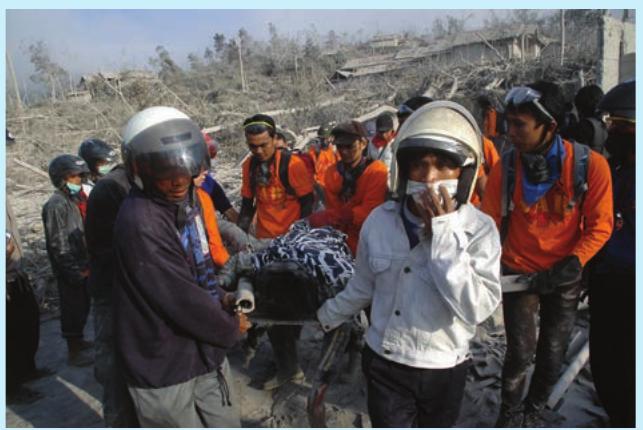
Timeline and Impact: Since October 25th, 2010, Mount Merapi has continuously erupted, spewing hot gases and ash as far as 5,000 metres into the atmosphere. This ongoing volcanic activity has created havoc for surrounding villages and farms whilst significantly disrupting air travel across the region.
Human Cost: The human cost of these eruptions has been severe, with more than 140 people losing their lives during a two-week period. The Indonesian government evacuated hundreds of thousands of residents, forcing many to live in temporary shelters whilst authorities maintained a 20-kilometre "safe zone" around the volcano.
Arenal, Costa Rica
Example
Case Study: Arenal Volcano - Tourism and Risk Management
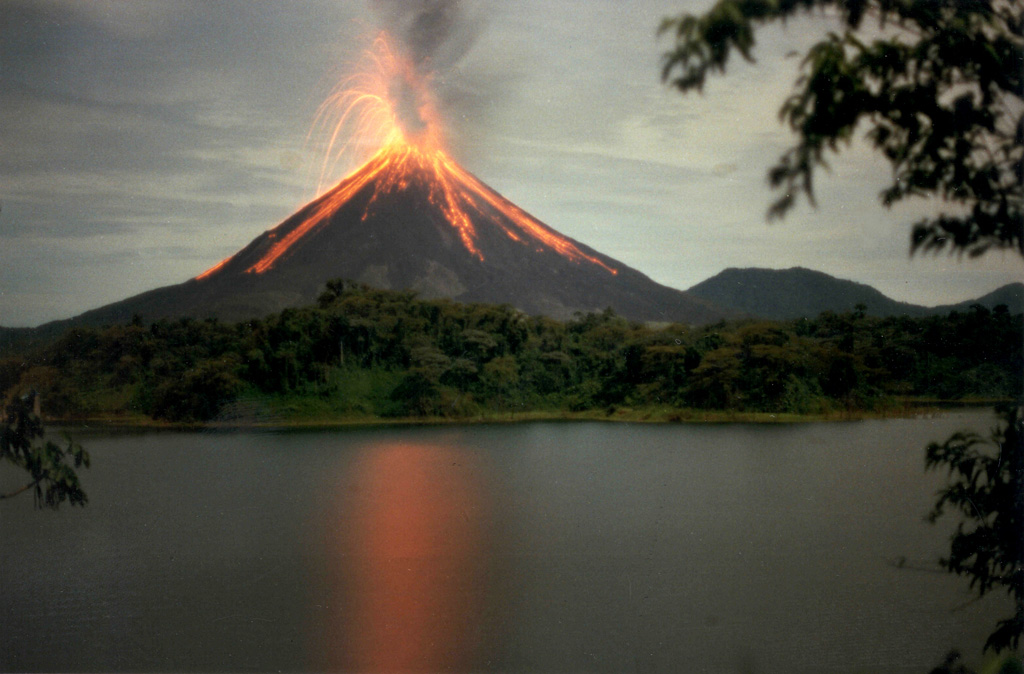
The Arenal volcano in Costa Rica demonstrates how volcanic activity can coexist with tourism and economic development when properly managed.
Key facts about Arenal:
- Location:
- Altitude: 1,720 metres above sea level
- Age: At least 7,000 years old
- Rock type: Andesite (sticky volcanic lava that flows slowly)
- Eruption type: Explosive ash and gas clouds with lava flows
Continuous Activity: Arenal has been erupting more or less continuously since 1968, making it one of the ten most active volcanoes globally. Despite this ongoing activity, the volcano has become a major tourist attraction within Costa Rica's national park system.
Tourism Benefits: The volcano offers spectacular fiery displays almost every night, making lava watching a significant draw for tourists. The surrounding national park features numerous hotels, restaurants, nightclubs, shopping centres, and hot springs, all benefiting from volcanic tourism.
Ongoing Risks: However, the volcano's continued activity also poses ongoing risks. In May 2010, authorities evacuated the national park after the volcano erupted, spewing geysers of lava, ash, and toxic gases from its crater.
Eyjafjallajökull, Iceland
Example
Case Study: Eyjafjallajökull - Global Impact of Local Eruption
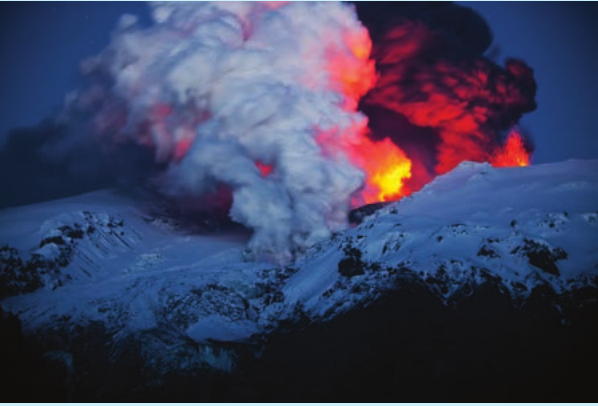
The 2010 eruption of Eyjafjallajökull volcano in Iceland provides an excellent example of how volcanic activity can have far-reaching international consequences.
Geological Setting: Iceland sits on top of the Mid-Atlantic Ridge, where two major tectonic plates meet and shift. This unique geological position, combined with the country's landscape of glacial valleys, snowy volcanoes, and bubbling geysers, creates ongoing volcanic activity shaped by explosive forces deep below the surface.
Local impacts: The eruption created significant challenges for local farmers raising sheep, cattle, and horses on pastures around the volcano. However, the immediate danger came not from lava flows but from flooding caused by molten rock melting the glacier that filled the crater.
International consequences: The power of Eyjafjallajökull's eruption carried volcanic ash halfway across northern Europe, grounding hundreds of aeroplanes and stranding passengers worldwide. This demonstrated how volcanic activity in one location can create global disruptions.
Emergency Response: Locals received automated text messages and phone calls instructing them to evacuate three times - initially due to the explosion and twice because of subsequent flooding. The eruption highlighted the interconnected nature of modern transportation systems and how natural disasters can have cascading effects across international boundaries.
Summary
Key Points to Remember:
-
Volcanoes bring both benefits and hazards - They create fertile soils and provide energy resources, but also cause destruction and loss of life
-
Positive impacts support large populations - Fertile volcanic soils, geothermal energy, and tourism opportunities explain why millions live near volcanoes
-
Negative impacts can be global - Large eruptions affect climate, air travel, and environments far from the volcano itself
-
Different volcanoes pose different risks - Explosive volcanoes like Eyjafjallajökull disrupt air travel, whilst lava-producing volcanoes like Arenal threaten local areas but attract tourists
-
Case studies show human adaptation - People develop strategies to live with volcanic risks, from evacuation plans to tourism industries that benefit from volcanic activity