The Impact of Climate on Africa (Grade 10 NSC Matric Geography): Revision Notes
📚Revision Notes
The Impact of Climate on Africa
Climate change affects Africa more severely than many other continents because Africa is already a dry continent with limited resources to adapt. The impacts of global warming and climate change create serious challenges for African communities, especially for poor people who have fewer ways to protect themselves.
Note
Africa's vulnerability to climate change stems from a combination of geographical, economic, and social factors that make adaptation particularly challenging compared to more developed regions.
Droughts and floods
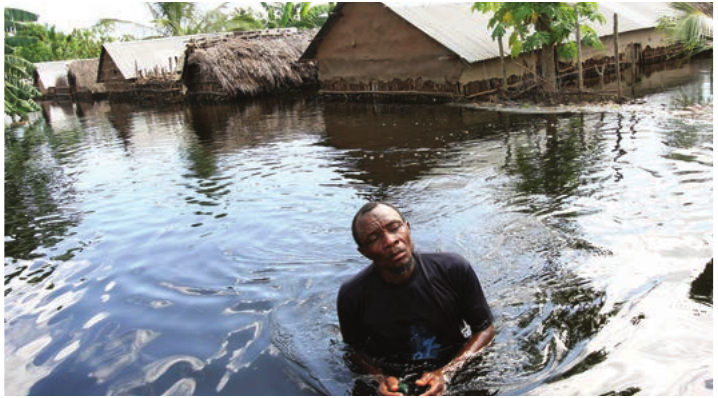
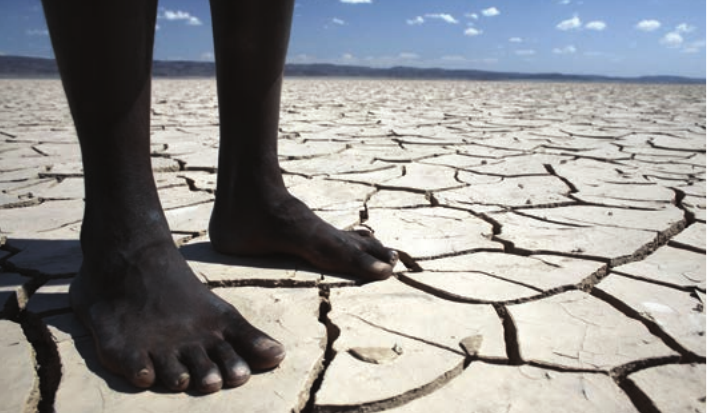
Climate change is making weather patterns more extreme across Africa. This means that some areas experience longer periods without rain (droughts), whilst others face sudden heavy rainfall that causes flooding. These extreme weather events are becoming more common and more severe.
Drought is a long period with little rainfall, whilst a flood occurs when usually dry land becomes covered with water overflowing from rivers, lakes, or heavy rains. Both of these weather extremes create serious problems for African communities.
Important
Poor communities are hit hardest by these climate changes because they lack the resources and infrastructure needed to adapt to extreme weather conditions.
Poor communities are hit hardest by these climate changes for several important reasons:
- Limited access to technology - Poor communities cannot afford dams, irrigation systems, or other technology that could help them cope during droughts or floods
- Dependence on subsistence farming - Most poor people rely on growing their own food, so when crops fail due to drought or flooding, they have no other source of income to buy food
- No financial safety net - Poor families have no savings or insurance to help them survive during difficult times
- Rural abandonment - When conditions become too difficult, men often leave rural areas to find work in cities, leaving behind elderly people and children who struggle to cope with changing conditions
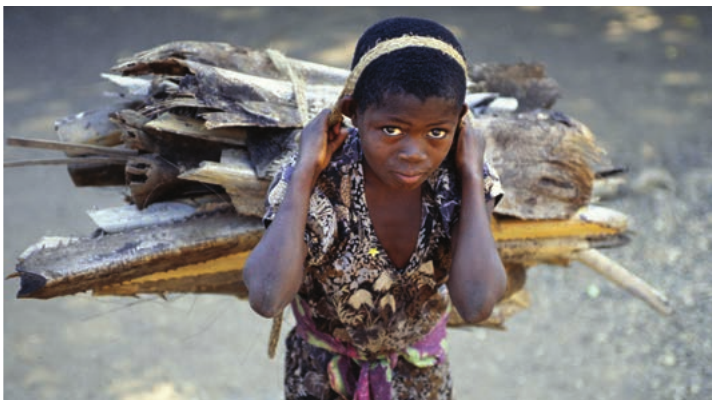
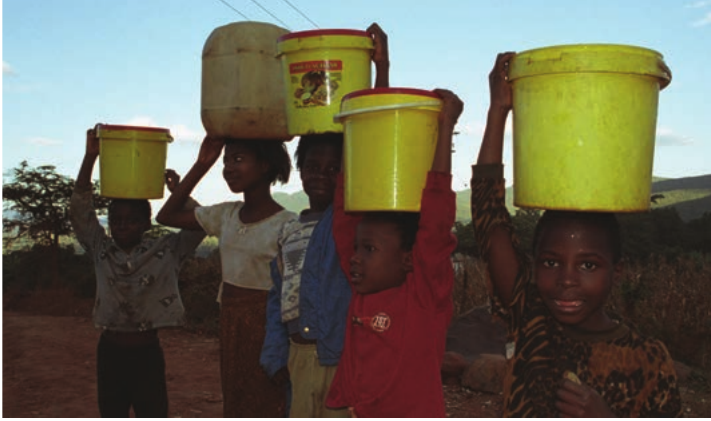
The effects of drought on communities are devastating. Families cannot grow enough food to eat, children must leave school because parents cannot afford fees, and people may be forced to beg or steal to survive. Animals also suffer during droughts, leaving families without milk or meat. Medical care becomes impossible to afford, and mothers struggle to care for sick family members.
Rising sea levels
Sea levels around Africa's coast have risen by approximately 17 cm in the past century. Scientists predict they will continue to rise by 22-34 cm between 1990 and 2080. This may not sound like much, but it creates serious flooding risks for coastal cities where millions of people live.
Many African cities are located in Low Elevation Coastal Zones (LECZ), which means they sit very close to sea level. When sea levels rise, these cities become vulnerable to flooding, especially during storms or high tides.
Note
Low Elevation Coastal Zones (LECZ) are areas that lie within 10 meters of sea level. These zones are home to millions of people across Africa's coastline, making them extremely vulnerable to even small increases in sea level.
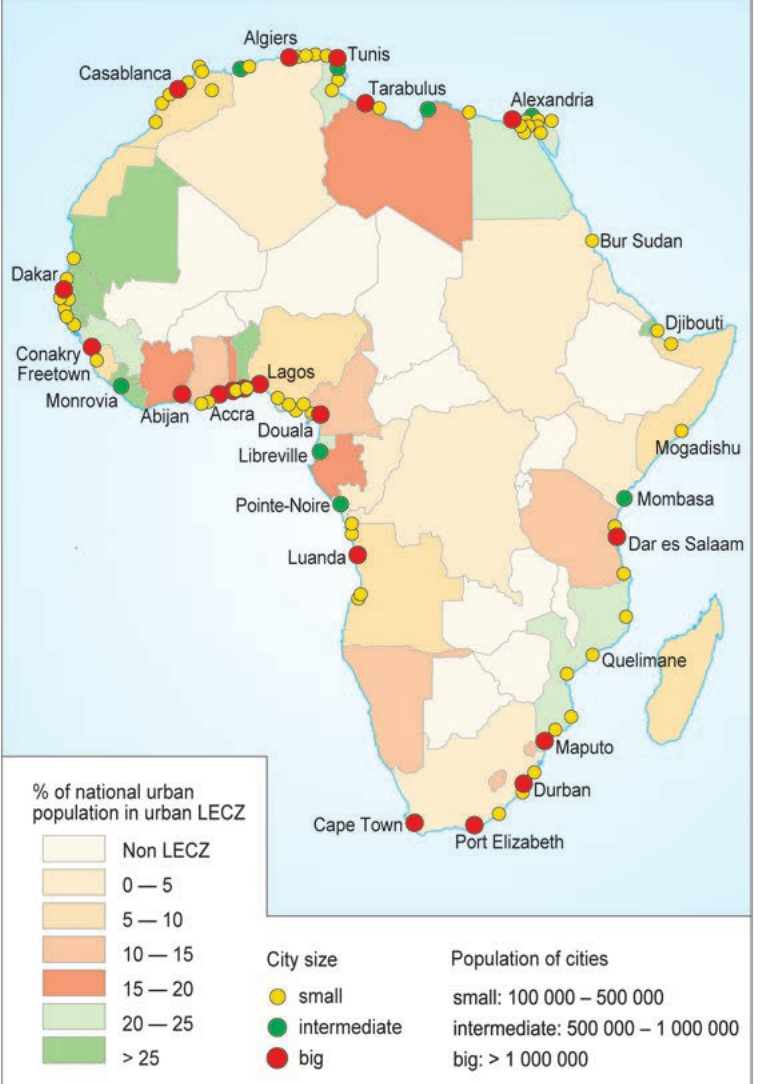
The flooding of coastal areas will have several serious consequences:
- Less land available - Flooding reduces the amount of land people can live on or use for farming
- Food shortages worsen - With less farmable land, it becomes even harder to produce enough food for growing populations
- Increased conflict - As land becomes scarcer, competition between communities may lead to conflict and even war
- Mass displacement - People living in flooded areas will be forced to move inland, creating overcrowding and social problems
Deserts and desertification
Africa contains three major desert regions that are clearly visible from space. The largest is the Sahara Desert in northern Africa, which is the world's largest hot desert. In southern Africa, we find the Kalahari Desert in Botswana and the Namib Desert in Namibia.
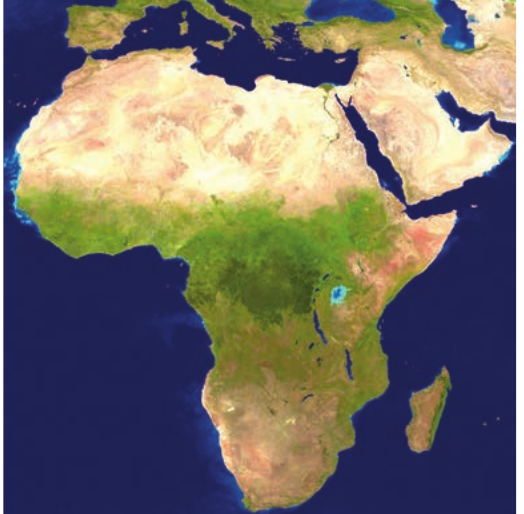
Climate change is making these desert areas expand. The process of fertile land turning into desert is called desertification. This is happening particularly rapidly in the Sahel, which is the strip of land just south of the Sahara Desert.
Important
The Sahel region is experiencing rapid desertification, which threatens the livelihoods of millions of people who depend on this land for farming and grazing animals.
The Sahel region is shrinking because several factors are working together:
- Overgrazing - Too many animals eating the grass and plants
- Deforestation - People cutting down trees and bushes for fuel
- Soil erosion - Without plants to hold it in place, the thin topsoil blows away
- Climate change - Rising temperatures and changing rainfall patterns make it harder for plants to survive
This desertification process creates a cycle of problems. As the land becomes more desert-like, people can no longer grow crops or graze animals. This forces them to move to other areas, putting pressure on land that is still fertile. The Sahara and Kalahari Deserts are already creeping 160 km closer to each other every year due to desertification and erosion.
Note
This desert expansion represents one of the most visible and dramatic effects of climate change in Africa, with consequences that extend far beyond the immediate affected areas.
Scientists worry that climate change will speed up desertification even more, causing widespread famine and death for people living in these regions. As global temperatures increase, the desert expansion is expected to accelerate, affecting millions more people across Africa.
Summary
Key Points to Remember:
- Three main climate impacts affect Africa: droughts and floods, rising sea levels, and expanding deserts
- Poor communities suffer most because they lack technology, depend on farming, have no savings, and are often left behind when others migrate
- Extreme weather events like droughts and floods are becoming more common and severe due to climate change
- Coastal cities are at risk from rising sea levels, with millions of people living in vulnerable low-elevation areas
- Desertification in regions like the Sahel is accelerating due to climate change, overgrazing, and deforestation, forcing people to abandon their homes