Forms of Water in the Atmosphere (Grade 10 NSC Matric Geography): Revision Notes
📚Revision Notes
Forms of Water in the Atmosphere
Water is the only substance that naturally exists in three different states within Earth's atmosphere. Understanding these forms and how they change is essential for comprehending weather patterns and atmospheric processes. The term humidity refers to the amount of water vapour present in the air, and this varies significantly across different locations and times.
The three states of atmospheric water
Water vapour
Water vapour is the invisible, gaseous form of water that surrounds us constantly. You cannot see it directly, but it plays a crucial role in weather formation and atmospheric processes.
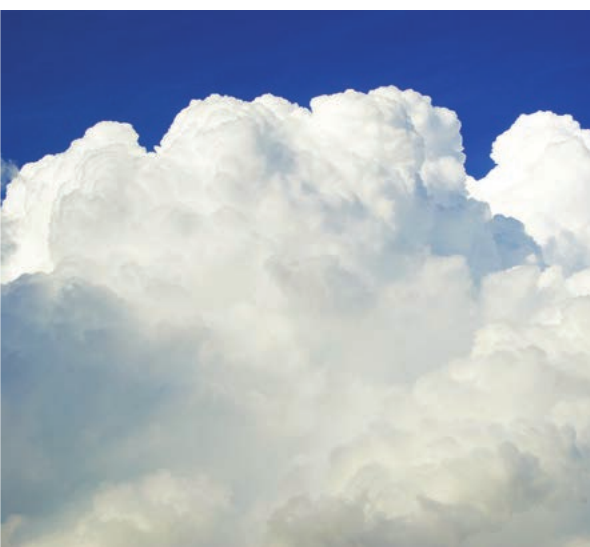
The amount of water vapour in the atmosphere varies dramatically depending on location and conditions. Desert regions typically have very low humidity levels, whilst tropical areas near oceans contain much more moisture in the air. Even at the same location, humidity levels change throughout the day and between seasons.
Important
Temperature controls how much water vapour air can hold. Warm air acts like a larger sponge - it can absorb and hold much more moisture than cold air.
Liquid water
When air temperatures cool sufficiently, water vapour transforms into tiny liquid droplets through a process called condensation. Initially, these droplets are extremely small and lightweight, allowing them to float suspended in the atmosphere as clouds.
Note
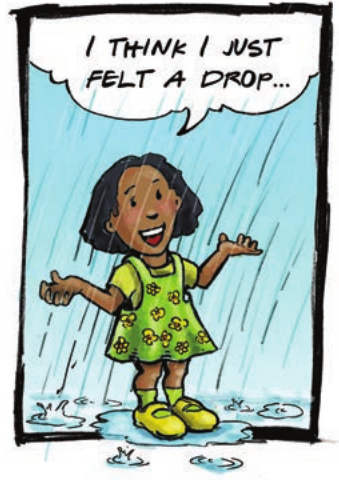
As more water vapour condenses, these tiny droplets gradually join together in a process called coalescence. When enough droplets combine and become heavy enough, gravity pulls them down to Earth as precipitation - most commonly as rain.
Ice (solid water)
When atmospheric temperatures drop below 0°C, water can exist as ice in various forms. This frozen water appears in the atmosphere as snowflakes, hailstones, or frost.
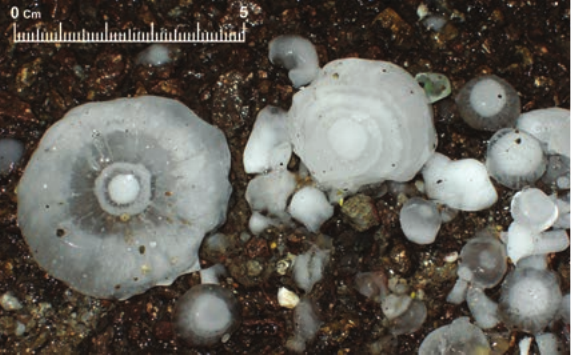
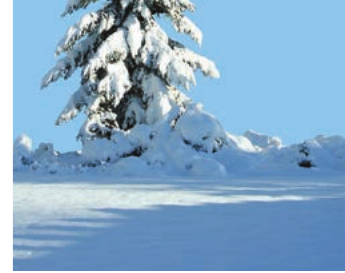
Interestingly, water vapour can sometimes change directly into ice without first becoming liquid - a process called sublimation. This happens when snow forms under specific atmospheric conditions.
Atmospheric water processes
Evaporation and condensation cycle
The continuous movement of water between its three states creates a natural cycle that drives much of our weather.
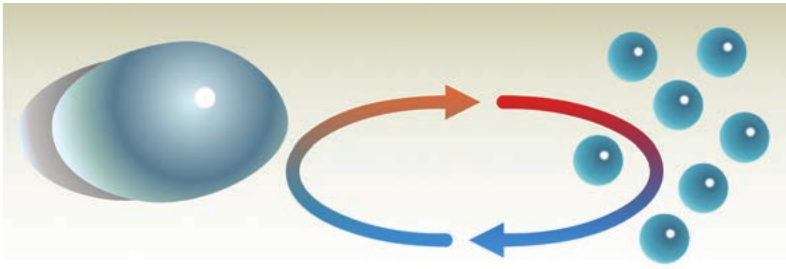
Evaporation occurs when liquid water absorbs heat energy and transforms into water vapour. This happens constantly from oceans, lakes, rivers, and even from wet soil and plant leaves.
Condensation happens when water vapour cools and changes back into liquid droplets. This cooling often occurs when warm, moist air rises higher in the atmosphere, where temperatures are naturally cooler.
Precipitation formation
Air movement causes water droplets in clouds to collide and stick together. This process, called coalescence, gradually creates larger and heavier droplets. Eventually, these droplets become too heavy to remain suspended in the air and fall as precipitation.
Note
Precipitation is the scientific term for any form of water - whether liquid or solid - that falls from clouds to the ground. The type of precipitation depends on atmospheric temperature conditions both in the clouds and between the clouds and ground.
Precipitation includes:
- Rain - liquid droplets
- Snow - ice crystals formed through sublimation
- Hail - ice pellets formed in thunderstorms
- Frost - ice crystals that form directly on surfaces
Key vocabulary
- Humidity: The amount of moisture or water vapour in the air
- Condensation: Water changing from gas (vapour) to liquid when temperatures decrease
- Evaporation: Water changing from liquid to gas when temperatures increase
- Precipitation: Any form of water falling from clouds (rain, snow, hail, frost)
- Coalescence: Many tiny water droplets joining together to form larger droplets
- Sublimation: Water changing directly from gas to ice, or ice to gas, without becoming liquid
Summary
Key Points to Remember:
- Water exists in three states in the atmosphere: vapour (invisible gas), liquid (droplets in clouds and rain), and ice (snow, hail, frost)
- Temperature controls water's state - warm air holds more vapour, cold conditions create liquid or ice
- The water cycle involves continuous evaporation and condensation, driven by temperature changes
- Precipitation forms when tiny water droplets combine through coalescence until they're heavy enough to fall
- Understanding these processes helps explain how weather patterns develop and why different types of precipitation occur