European Societies (Grade 10 NSC Matric History): Revision Notes
📚Revision Notes
European Societies
Introduction to European societies around 1600
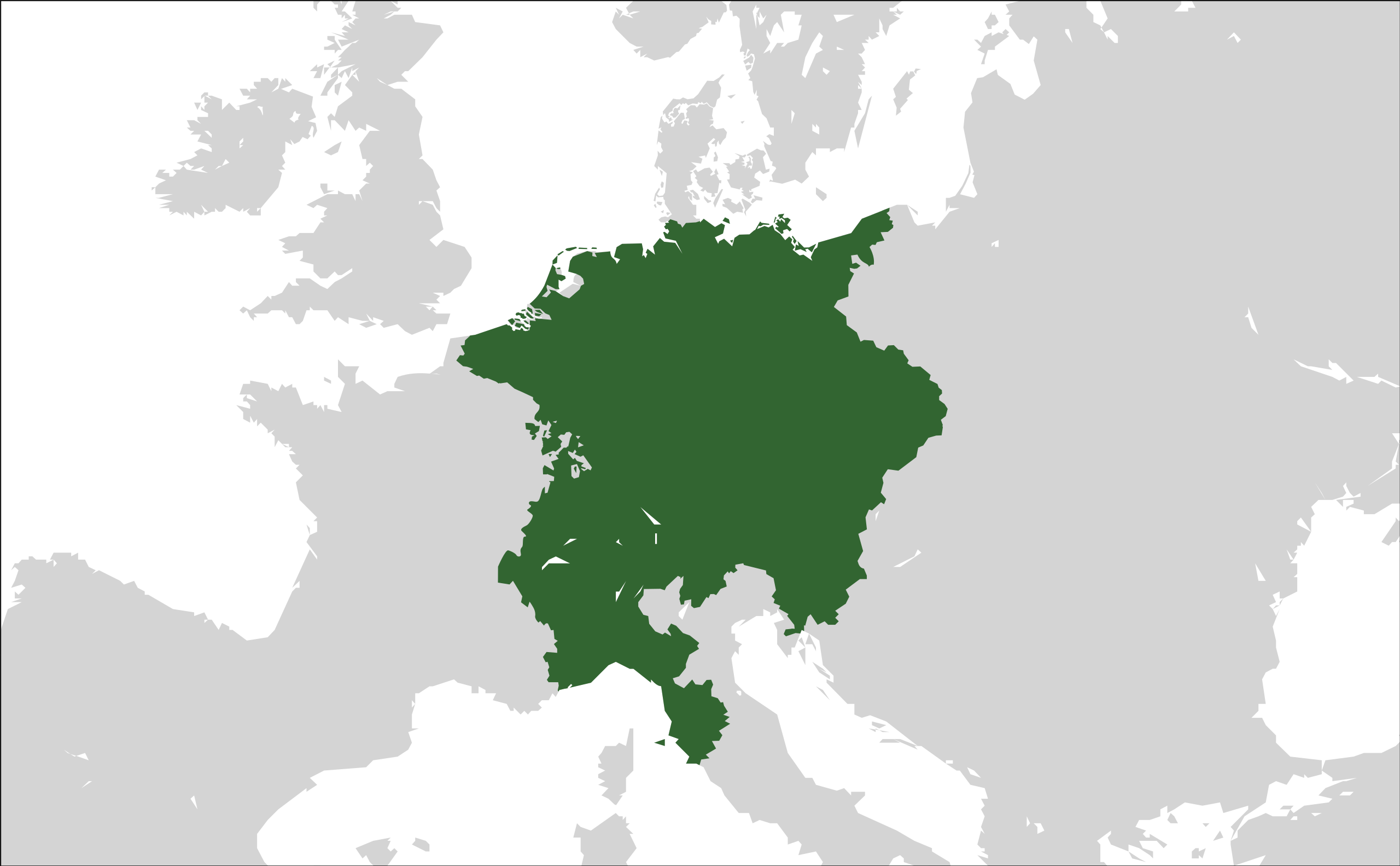
During the period when powerful Chinese, Indian and Songhai emperors ruled wealthy empires in other parts of the world, Europe was quite different. Instead of being unified under strong central governments, Europe was divided into many small states, each ruled by their own kings or princes.
There was a European empire called the Holy Roman Empire, which lasted from 800 until 1806. However, this was not a powerful, centralised state like the empires in Asia and Africa. Instead, it was made up of many smaller states that were often fighting with each other. The Holy Roman Emperor was elected to his position and had very little real power over the individual states.
Note
Unlike the powerful, centralized empires in Asia and Africa during this period, Europe's political fragmentation made it quite different from other major world regions. This division would significantly impact how European societies developed economically and socially.
The expansion of trade and commerce became increasingly important in Europe during the 12th and 13th centuries. The main long-distance trade routes connected the Baltic and eastern Mediterranean regions to central and northern Europe, creating networks that would transform European society.
A major turning point came in 1347 when the bubonic plague (also called the Black Death) reached European cities along these trade routes. This devastating disease killed approximately half of Europe's population by 1400, fundamentally changing European society.
Following this crisis, the economy and trade began to recover in the 1400s, leading to a period called the Renaissance. This era brought renewed interest in art and learning, as well as a spirit of enquiry that encouraged voyages of exploration to new lands.
Feudal societies by 1300
The feudal system structure
European society before 1300 was organised according to a system called feudalism. This was a hierarchical system where land ownership determined power and social position.

Important
Understanding Feudalism: Feudalism was not just a political system - it was a complete social, economic, and military organization that controlled every aspect of medieval European life. Land was the source of all wealth and power, and personal loyalty was the foundation of all relationships.
Key features of feudal society:
- Kings, nobles, and bishops of the Catholic Church controlled huge areas of land, giving them all the wealth and power
- The nobles gave land to knights and manor lords in exchange for military service
- Knights and manor lords had to provide the king and nobles with soldiers when needed
- These soldiers were peasants and serfs (people similar to slaves) who lived on the nobles' land
- The nobles were supposed to protect the peasants, but the peasants had to pay many feudal dues (taxes and payments) to them
The role of the church
The Catholic Church played a central role in feudal society:
- Bishops and abbots were very wealthy and powerful, controlling large abbeys and monasteries
- Abbeys were places of agricultural production and trade, not just religious centres
- Monks, nuns and priests provided essential community services:
- They conducted marriages and funerals
- They cared for orphans, sick, disabled, elderly and poor people
- They controlled education
Note
The Catholic Church in medieval Europe functioned as much more than a religious institution - it was essentially a parallel government that provided social services, education, and economic organization alongside spiritual guidance.
Women in feudal society
There were significant differences between the lives of wealthy and poor women:
- Wealthy women had legal and social rights - they could own land and some managed the accounts of manors
- Peasant women had very hard lives, working in the fields alongside their other responsibilities
The Black Death
Origins and spread
In 1347, the first wave of deaths from the bubonic plague swept across Europe, marking the beginning of one of history's most devastating pandemics.
How the plague spread:
- The disease originated along trade routes from China
- It was brought to Europe by ship rats that came ashore carrying disease-carrying fleas
- The plague followed the established trade routes, spreading rapidly through European cities
Important
The Black Death's Impact: This pandemic was one of the most catastrophic events in human history. By killing approximately half of Europe's population, it fundamentally altered European society, economy, and culture in ways that would last for centuries.
Symptoms and impact
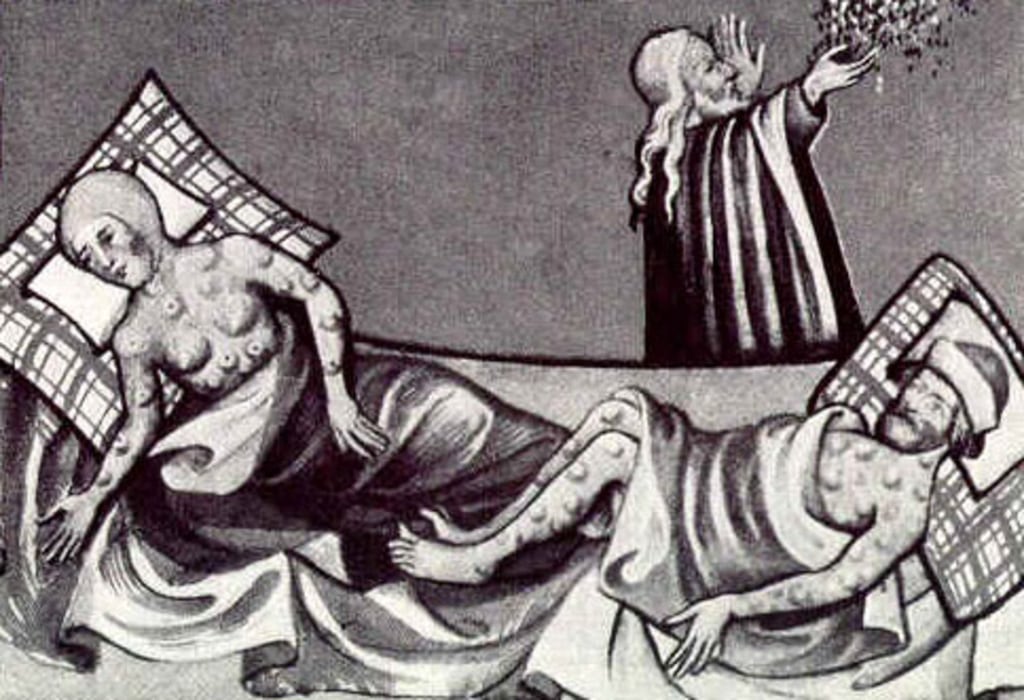
Symptoms of the Black Death:
- Swellings in the armpit and groin area
- Skin became covered in black blotches (which is why it was called the "Black Death")
The disease primarily affected poor people because their resistance to disease was low. Many were already sick and weak from starvation caused by floods and bad harvests, making them more vulnerable to the plague.
Social and religious responses
Flagellants were groups of people who whipped themselves in public, believing this would show God that they were accepting punishment for their sins and that He would then stop the plague. This demonstrates how people tried to understand the disaster in religious terms.
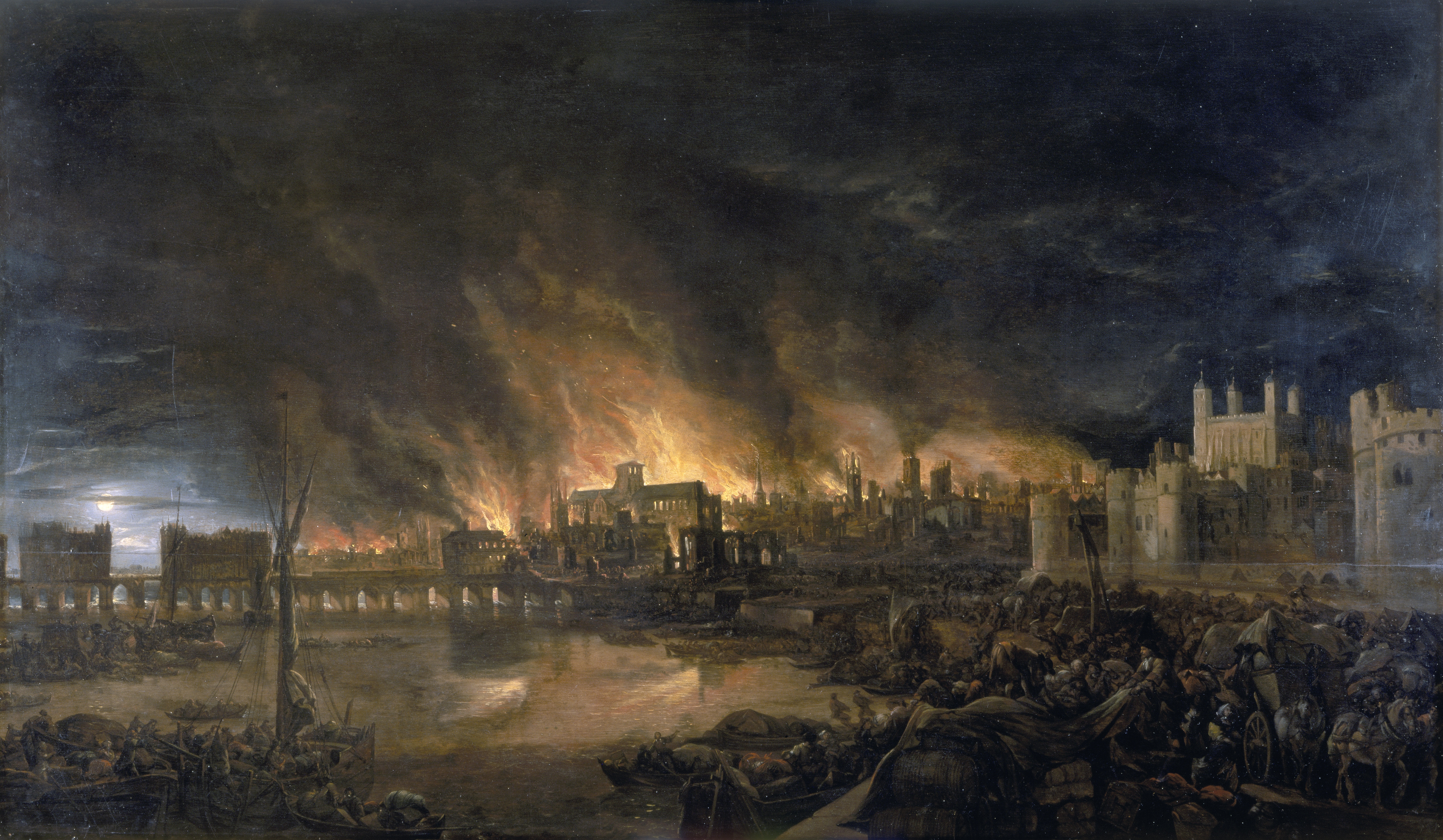
The plague finally ended in England in 1666 when the Great Fire of London killed all the rats that were carrying the disease.
Consequences of the Black Death
The Black Death had far-reaching effects on European society:
- Economic decline due to the massive loss of life (thousands of deaths)
- Labour shortage as so many workers had died
- Loss of faith - survivors began to lose confidence in government leaders and the church
- Artistic changes - artists became obsessed with images of death in their paintings, reflecting the trauma of the period
Travel and trade across Europe and the Baltic Sea
Major trading centres
The centre of European trade was located in Italy, positioned perfectly on the crossroads between Eastern and Western trade routes.
Important trading locations:
- Ports: Genoa and Venice were the most significant trading ports
- Trading towns: Florence in Italy, and various towns in Flanders (present-day Belgium)
Note
Italy's geographic position made it the natural bridge between European and Eastern markets. The Italian city-states became incredibly wealthy by controlling this strategic trade position, which would later fund the Renaissance cultural flowering.
Economic and social changes
The growth of trade brought significant changes to European society:
- A new middle class of wealthy merchants and traders developed
- Kings began taxing trade, which increased their own wealth and power
- A new capitalistic spirit developed - the idea that you could become wealthy regardless of what social class you were born into
- A banking system was established to support the growing trade
The Baltic Sea trade network
The Baltic Sea played a crucial role in connecting European trade routes:
- It linked the trade routes of various European countries
- Key goods transported included timber, furs and metal
- This trade network helped to integrate European economies
Art, science and technology in the Renaissance
The Renaissance period
As trade increased in the 14th century, Italy became very rich and powerful. This wealth led to growing interest in art, literature and science.
Key characteristics:
- The period from the 14th to 17th century is known as the Renaissance (meaning "rebirth")
- It represented a renewed interest in learning, art and scientific discovery
Note
The Renaissance represented a fundamental shift in European thinking. The wealth generated by trade allowed wealthy patrons to support artists and scholars, leading to unprecedented cultural and scientific achievements that would reshape European civilization.
Major Renaissance figures
Florence as a cultural centre:
-
Florence became one of the greatest centres of art and literature
-
Its ruler, Lorenzo de Medici, sponsored artists and scientists, providing them with financial support

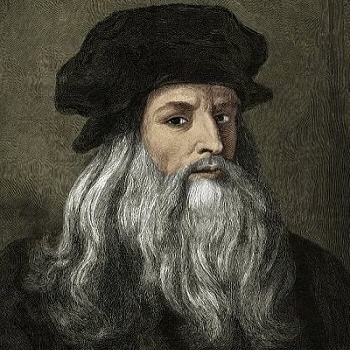
Leonardo da Vinci:
-
Still admired today as one of the greatest artists in the world
-
He was a brilliant painter, sculptor, engineer and scientist
-
His most famous painting is the Mona Lisa
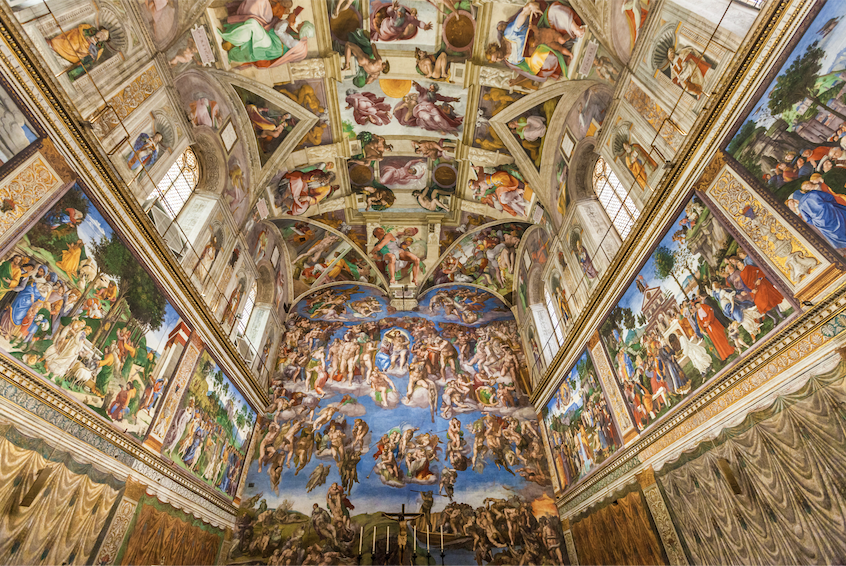
Michelangelo:
-
Another great Renaissance artist
-
He was a painter, sculptor and architect
-
He painted the ceiling of the Sistine Chapel in the Vatican in Rome
Literature and scientific discoveries
English Renaissance literature:
-
The Renaissance in England produced great literature
-
William Shakespeare wrote many plays, including the famous Romeo and Juliet

Scientific advances:
- Copernicus made the startling discovery that the Sun, not the Earth, was the centre of the solar system
- This discovery went against the teaching of the Catholic Church at the time
- The spirit of inquiry during this period led to the voyages of discovery by explorers like Columbus, Dias and Vasco da Gama
Important
Revolutionary Thinking: Copernicus's heliocentric theory was revolutionary not just scientifically, but socially and religiously. It challenged the Church's authority and the traditional view of humanity's place in the universe, paving the way for the Scientific Revolution.
Changes in feudalism: emerging middle classes
Economic transformation
Trade fundamentally changed the economies of Europe, leading to significant social and political changes:
- New towns and cities grew rapidly around trading centres
- The traditional feudal economy began to break down
Social changes
Formation of new social classes:
- Merchants and artisans formed new social classes
- These new classes challenged the old feudal system
- Traditional feudal ties between nobles and peasants were broken
Note
The emergence of a wealthy merchant class created a new power dynamic in European society. Unlike nobles, who derived their authority from land ownership and hereditary titles, merchants gained influence through economic success and commercial connections.
New economic institutions
Merchant guilds:
- These were organisations used to protect trading interests
- They regulated trade and maintained standards
- They gave merchants collective power to negotiate
Changes in government finance:
- Kings began taxing trade rather than relying solely on feudal dues
- This gave monarchs a new, more reliable source of income
- It reduced their dependence on the feudal nobility
Important
The Decline of Feudalism: The shift from a land-based economy to a trade-based economy fundamentally weakened feudalism. As kings gained income from trade taxes and merchants accumulated wealth, the traditional power structure based on land ownership began to crumble.
Summary
Key Points to Remember:
- Feudalism was a hierarchical system based on land ownership where nobles controlled peasants and provided military service to kings
- The Black Death (1347-1400) killed half of Europe's population and fundamentally changed European society through economic decline and social upheaval
- Trade expansion in the 12th-13th centuries created new wealth and led to the emergence of a middle class of merchants
- The Renaissance (14th-17th centuries) brought renewed interest in art, science and exploration, producing figures like Leonardo da Vinci and Shakespeare
- Social transformation saw the decline of feudalism and the rise of new economic systems based on trade and capitalism rather than land ownership