Franchising, Outsourcing, and Leasing (Grade 11 NSC Matric Business Studies): Revision Notes
📚Revision Notes
Franchising, Outsourcing, and Leasing
When starting a business, entrepreneurs don't always have to create something completely new. Sometimes it's easier and more practical to acquire an existing business or use established business models. There are three main ways to do this: franchising, outsourcing, and leasing. Let's explore what each of these means and their benefits and challenges.
Note
These business acquisition methods allow entrepreneurs to leverage existing systems, expertise, and resources rather than building everything from scratch.
Franchising
Franchising is like getting permission to run a copy of a successful business. It's a business arrangement where you (the franchisee) pay to use another company's (the franchisor) name, products, and proven way of doing business in your local area.
Example
South African Franchise Examples
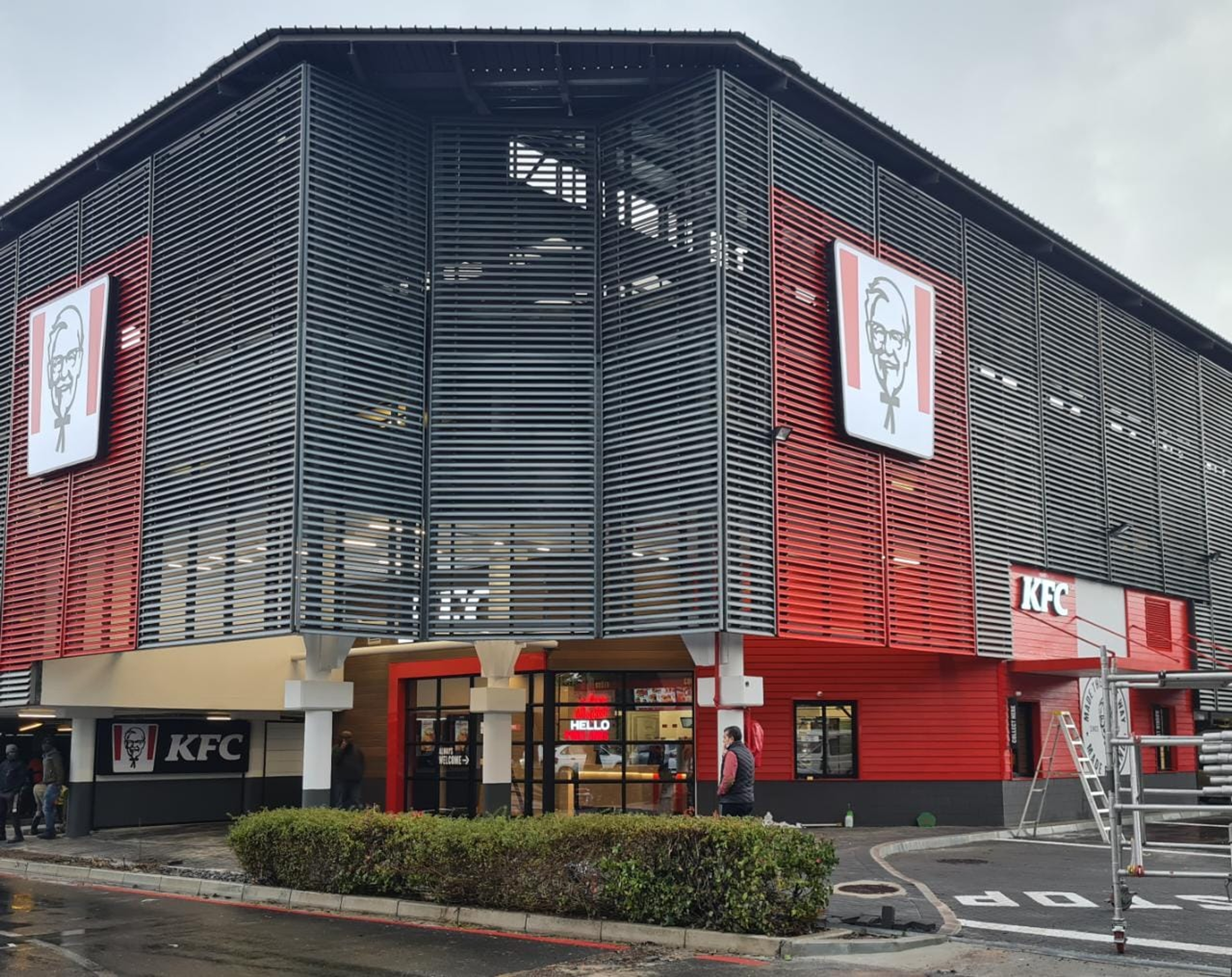
Popular South African brands like KFC, Steers, Debonairs Pizza, and McDonald's are all franchises where local business owners pay to operate under these well-known brand names.
How franchising works
The franchisor owns the original business idea, brand name, and operating methods. They allow franchisees to use these in specific areas. In return, franchisees usually pay:
- An initial fee to start the franchise
- Royalties (ongoing payments) - typically a percentage of their sales
Note
Royalties are payments made to the owner or creator of an asset for its use. In franchising, these are usually calculated as a percentage of the franchisee's monthly or annual sales.
Many restaurant chains in South Africa operate as franchises, giving local entrepreneurs the chance to run established businesses rather than starting from scratch.
Advantages of franchising
Franchising offers many benefits that make it attractive to new business owners:
- Special financing options - Franchisors often help franchisees access funding that wouldn't be available to completely new businesses
- Lower costs - Buying into a proven system can be cheaper than developing your own business from the ground up
- Tested business model - The products, services, and methods have already been tried and proven successful
- Reduced risk - Since the business model is established, there's less chance of failure compared to brand-new ventures
- Expert guidance - Franchisors provide advice and support because they want their franchisees to succeed
- Bulk purchasing power - As part of a larger group, franchisees can get better deals from suppliers
- Instant brand recognition - Customers already know and trust the brand name
- Established systems - Everything from operations to customer service procedures is already worked out
- Creative freedom limitations become benefits - Having clear guidelines means less guesswork about how to run the business
- Location advantages - Franchisors often help with finding good business locations and have restrictions that prevent oversaturation
- Professional reputation - The established brand comes with a track record and customer trust
- Independence with support - Franchisees own their business but get the backing of a larger network
- Higher success rates - Franchises typically have better survival rates than completely new businesses
- Shared marketing costs - Advertising expenses are often spread across all franchisees, making them more affordable
- Ongoing support network - Access to other franchisees and continued help from the franchisor
- Training provided - Most franchisors train their franchisees, so prior business experience isn't always necessary
- Lower financial risk - Banks are more willing to lend to established franchise operations
- Guaranteed market presence - The product or service already has proven demand
Disadvantages of franchising
Despite the benefits, franchising also has some significant challenges:
Important
Major Financial Considerations
The high upfront costs and ongoing royalty payments can significantly impact profitability and make franchising unsuitable for entrepreneurs with limited capital.
- High upfront costs - The initial investment can be substantial, making it difficult for some entrepreneurs to get started
- Difficult to exit - Selling a franchise or ending the agreement can be complicated and expensive
- Expensive initial investment - Beyond the franchise fee, there are often additional setup costs
- Limited control - Franchisees must follow the franchisor's rules about how to run the business
- Restricted growth - Creative entrepreneurs may feel limited in how they can expand or modify their ideas
- Brand reputation risks - If other franchisees perform poorly, it can damage your business's reputation
- Ongoing royalty payments - A significant portion of profits must be paid to the franchisor regularly
- Complex exit procedures - Getting out of a franchise agreement is often difficult and costly
- Profit sharing requirements - Franchisees typically pay the franchisor a percentage of their earnings
- High startup costs - The initial investment can be prohibitive for many potential business owners
- Limited operational flexibility - All franchisees must operate in a very similar way
- Market saturation risks - Too many similar outlets in one area can hurt individual businesses
- Creativity restrictions - The need for brand consistency limits innovative ideas
- Single point of failure - One poorly performing franchise can negatively impact the entire brand
Contractual implications of franchising
When entering into a franchise agreement, several important legal and business terms must be clearly defined:
- Product and service policies - Exactly what can and cannot be sold or offered
- Royalty payment terms - How much must be paid and when payments are due
- Ownership structure - What type of business entity the franchise will operate as
- Marketing and pricing specifications - Rules about advertising, pricing, and promotional activities
- Termination conditions - Clear guidelines about when and how the franchise agreement can be ended by either party
Outsourcing
Outsourcing means hiring another company to handle business tasks that your company used to do internally. Instead of having your own employees do everything, you pay specialists outside your business to take care of specific functions.

Note
Companies often outsource functions like accounting, IT support, cleaning, security, or manufacturing to focus on their main business activities while reducing costs.
How outsourcing works
Businesses identify tasks that don't require their direct attention or expertise, then find external companies that specialise in those areas. This allows the main business to concentrate on what it does best while potentially saving money on overhead costs like employee salaries, equipment, and office space.
Cyclical demand refers to business needs that change regularly based on seasons, economic conditions, or other predictable patterns. Outsourcing is particularly useful for handling these varying demands.
Advantages of outsourcing
Outsourcing can provide numerous benefits for businesses:
- Business continuity - External providers can maintain operations even when your regular staff are unavailable
- Core business focus - Companies can concentrate on their main activities instead of getting distracted by secondary tasks
- Cost-effective solutions - Operations that are expensive to run internally can often be done more cheaply by specialists
- Flexible staffing - Businesses can adjust their workforce based on cyclical demand without hiring and firing employees
- Specialised skills access - External companies bring expertise that might be expensive to develop internally
- Reduced operational costs - Outsourcing can decrease expenses for staff salaries, equipment, and facility management
- Improved efficiency - Specialised companies often perform tasks more effectively than generalist in-house teams
- Access to advanced resources - External providers often have better equipment and technology for specific functions
- Lower fixed costs - Many outsourcing arrangements have variable costs that change with business needs
Disadvantages of outsourcing
However, outsourcing also comes with several potential problems:
Important
Control and Security Risks
Loss of management control and confidentiality concerns are major risks when outsourcing critical business functions. Carefully evaluate which functions can safely be outsourced.
- Loss of management control - It becomes harder to directly oversee work quality and employee performance
- Reduced personal attention - External providers may not care as much about your specific business needs
- Hidden expenses - Additional costs may emerge that weren't apparent in the original agreement
- Dependency risks - Relying on external companies can create problems if they fail to deliver
- Confidentiality concerns - Sharing sensitive business information with outside companies can be risky
- Quality control challenges - Managing the standard of outsourced work can be more complex
- Contract limitations - External companies may have more negotiating power, especially if you need their services urgently
- Information security risks - Sharing confidential data like payroll or medical records creates potential security breaches
- Business continuity risks - If the outsourcing company fails, it can seriously disrupt your operations
- Employee morale issues - Remaining staff may feel threatened if some functions are outsourced
Contractual implications of outsourcing
Outsourcing agreements must clearly address several key areas:
- Responsibilities and rights - What each party is expected to do and what they're entitled to receive
- Contract duration - How long the outsourcing arrangement will last
- Confidentiality protection - Safeguards for sensitive business information that will be shared
The outsourcing business is responsible for paying the external provider according to their agreement, while the provider must deliver the agreed-upon services.
Leasing
Leasing is like renting business equipment or property instead of buying it. A lease is a contract where one party (the lessee) pays to use something owned by another party (the lessor) for a specific period.
Note
The lessee is the person or business that rents the asset, while the lessor is the owner who allows others to use their property in exchange for regular payments.
How leasing works
Instead of purchasing expensive equipment, vehicles, or property outright, businesses can lease these assets. They make regular payments to use them but don't own them. At the end of the lease period, the assets typically return to the owner, though some agreements allow the lessee to purchase them.
Advantages of leasing
Leasing offers several financial and operational benefits:
- Lower initial costs - No large upfront payment is required, making it easier to access expensive equipment
- Maintenance included - The lessor usually handles repairs and replaces damaged parts
- Asset flexibility - Equipment can be returned when no longer needed, avoiding obsolete technology
- Tax benefits - Lease payments are often treated as business expenses, reducing taxable income
- Easier budgeting - Regular, predictable payments make financial planning simpler and improve cash flow control
- Access to newer technology - Leasing makes it affordable to use updated equipment without major capital investment
- Tax deductions - Lease costs can often be claimed as business expenses
- Simplified financing - Getting approval for a lease is often easier than securing a large business loan
- Limited usage period - Assets are only used when needed, avoiding long-term ownership costs
- Expert maintenance - Lessors are typically specialists who provide high-quality servicing and support
- Regular maintenance schedules - Upkeep is usually included and properly scheduled
- Technical support availability - Lessors often provide ongoing advice and assistance
- Reputation protection - Leasing companies want to maintain their equipment properly to protect their business reputation
Disadvantages of leasing
Despite the advantages, leasing also has some drawbacks:
Important
No Ownership Benefits
Remember that leasing means you never own the asset. This eliminates potential benefits like property appreciation and ownership-related tax advantages.
- No ownership - At the end of the lease, the lessee doesn't own the asset
- No tax ownership benefits - Cannot claim depreciation or other ownership-related tax advantages
- Ongoing expenses - Lease payments are considered business costs, not investments in assets
- No property appreciation - Cannot benefit from any increase in the asset's value over time
- Reduced net income - Lease payments decrease the business's profitability
- Credit implications - Leasing arrangements are treated as debt, which can affect the ability to get additional loans
- Complex documentation - Lease agreements require thorough paperwork and careful review
- Maintenance responsibilities - The lessee typically remains responsible for proper care and operation of leased assets
- Contract obligations - Lessees are bound by the terms of the lease agreement throughout its duration
Contractual implications of leasing
Lease agreements typically include several important terms and responsibilities:
Main responsibilities and rights of the lessee:
- Occupancy rights - Permission to use the asset, such as occupying a property
- Usage rights - Authority to use the asset for its intended purpose, like operating a delivery van
- Maintenance obligations - Responsibility to keep the asset in good condition
- Payment responsibilities - Obligation to make lease payments on time
- Modification restrictions - Agreement not to make changes without the lessor's permission
- Insurance requirements - Often must arrange insurance coverage for leased assets
Summary
Key Points to Remember:
-
Franchising allows you to operate under an established brand name and business model, providing support and proven systems, but requires ongoing royalty payments and limits your operational freedom.
-
Outsourcing helps businesses focus on their core activities by hiring external specialists for non-essential functions, reducing costs but potentially creating quality control and confidentiality challenges.
-
Leasing provides access to expensive equipment and property without large upfront costs, offering flexibility and tax benefits, but doesn't build equity or ownership.
-
All three options involve contractual obligations that must be carefully understood before entering into agreements.
-
Each avenue of acquiring businesses offers different advantages depending on your financial situation, business goals, and risk tolerance.