Apartheid Becomes an International Word (Grade 11 NSC Matric History): Revision Notes
📚Revision Notes
Apartheid Becomes an International Word
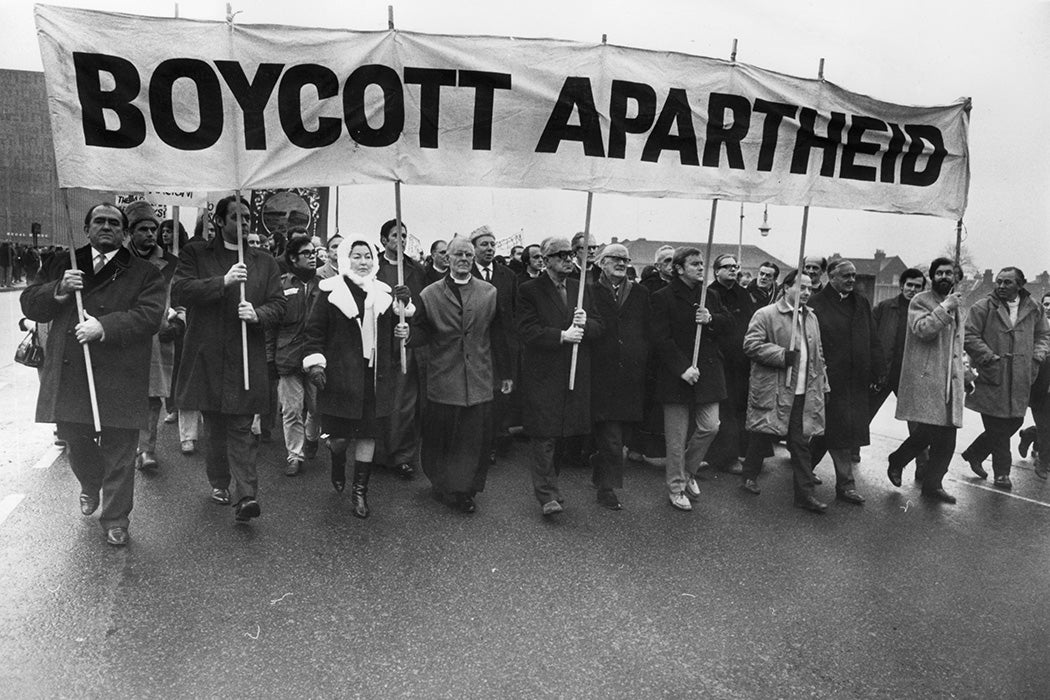
Understanding the global impact of apartheid
The story of how apartheid became a word known around the world is fascinating and shows us how South Africa's racial policies made the country stand out globally for all the wrong reasons. Let's explore how this happened and why it mattered so much.
Note
The word "apartheid" literally means "separateness" in Afrikaans, but it came to represent one of the most systematic forms of racial oppression in modern history. Understanding its global impact helps us see how international pressure can influence domestic policies.
The shift from segregation to apartheid in 1948
Before we dive into the international story, it's important to understand what made apartheid different from what came before:
The world before 1948
- Segregationist policies existed in many Western countries and colonies around the world
- Racial separation wasn't unique to South Africa at this time
- South Africa's policies were moving along with similar practices worldwide
The crucial turning point: 1948
Important
The year 1948 marked a dramatic change when:
- The National Party (NP) won the South African election
- They immediately began implementing their apartheid system
- Apartheid became the official policy - meaning legally enforced racism and separation of races between blacks, whites, coloureds and Indians
This legal enforcement was the key difference. Rather than informal segregation, South Africa created an entire system of laws to carry out racial separation.
Why apartheid became internationally notorious
The timing was terrible for South Africa
The timing of apartheid's introduction was particularly damaging for South Africa's international reputation:
Note
Most of the world was moving towards supporting human rights after World War II. The United Nations Declaration of Human Rights (UNDHR) was being embraced globally, and the Charter of the United Nations focused specifically on protecting human rights. This made South Africa's move towards legally enforced racism seem completely out of step with global trends.
The irony that damaged South Africa's reputation
Important
It was deeply ironic that just as the world was coming together to support human rights and equality, South Africa was doing the exact opposite by creating laws to enforce racial separation. This timing made apartheid look particularly harsh and outdated.
International response and consequences
Growing isolation after Sharpeville
The international response to apartheid intensified over time, particularly after the Sharpeville Massacre:
- Most countries began to view South Africa as the 'polecat of the world' because of its racial policies
- Many nations "woke up" to just how repressive the South African government had become
- South Africa became increasingly isolated internationally
Types of international pressure
The international community used various methods to pressure South Africa to change its policies:
Economic pressure:
- Trade embargoes were imposed to limit business with South Africa
- Sanctions were put in place by the UN to restrict economic ties
Cultural and social pressure:
- Cultural boycotts meant artists and entertainers refused to perform in South Africa
- Sports boycotts prevented South African teams from participating in international competitions
Political pressure:
- The Anti-apartheid Movement grew internationally
- Many countries broke diplomatic ties with South Africa
Why this international response mattered
The global reaction to apartheid was significant because it showed that South Africa's policies were seen as uniquely oppressive. It put real economic and social pressure on the country to change, isolated South Africa diplomatically, making it harder for the government to operate internationally, and gave hope and support to those fighting against apartheid within South Africa.
Summary
Key Points to Remember:
- 1948 was the crucial year when the National Party introduced legally enforced apartheid, just as the world was embracing human rights
- Apartheid meant the legal enforcement of racism and racial separation - this made it different from informal segregation practices elsewhere
- The timing was ironic - South Africa moved towards legal racism just as the UN was promoting human rights
- International isolation followed, including trade embargoes, cultural boycotts, sports sanctions, and diplomatic pressure
- The Sharpeville Massacre was a key turning point that intensified international condemnation of South Africa's policies