The Rivonia Trial and Its Consequences (Grade 11 NSC Matric History): Revision Notes
📚Revision Notes
The Rivonia Trial and Its Consequences

Introduction
The Rivonia Trial was one of the most significant political trials in South African history during the apartheid era. This landmark case marked a crucial turning point in the struggle against apartheid and had far-reaching consequences for both the liberation movement and the National Party government.
Note
The Rivonia Trial is considered one of the most important legal proceedings in South African history, fundamentally shaping the course of the anti-apartheid struggle and the eventual transition to democracy.
What was the Rivonia Trial?
Background and arrests
The Rivonia Trial began following a major police raid on 11 July 1963 at Liliesleaf Farm in Rivonia, north of Johannesburg. This farm served as the secret headquarters for Umkhonto we Sizwe (MK), the armed wing of the African National Congress (ANC).
Note
Liliesleaf Farm was a 28-acre property that had been purchased by the Communist Party in 1961 as a safe house and meeting place for ANC leadership. Its remote location made it ideal for clandestine operations.
Key details of the trial
-
Duration: The trial ran from 26 November 1963 to 12 June 1964 - lasting approximately seven months
-
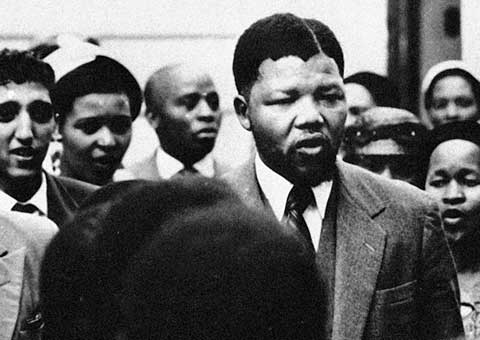
Defendants: Ten prominent ANC leaders were put on trial
-
Charges: The accused faced 221 acts of sabotage - an extremely serious charge that could carry the death penalty
-
Plea: All ten defendants pleaded not guilty to the charges
Important
The charge of sabotage under the apartheid legal system was extremely serious and could result in the death penalty. This made the trial a life-or-death situation for all the accused.
The evidence
During the raid, police discovered documents relating to Operation Mayibuye, which was a planned campaign of sabotage operations. The apartheid government argued that this operation was designed to overthrow the South African government through violent means.
Note
Operation Mayibuye (meaning "Operation Return" in Zulu and Xhosa) was a comprehensive plan that included guerrilla warfare tactics, international support recruitment, and coordinated sabotage campaigns across the country.
Trial outcomes and verdicts
The sentences
- Eight of the accused were found guilty and received harsh sentences
- Two defendants were discharged (found not guilty or charges dropped)
- The eight convicted leaders were sentenced to life imprisonment
- These men included prominent figures like Nelson Mandela, Walter Sisulu, and other key ANC leaders
Important
The life sentences imposed on these leaders effectively removed the entire top tier of ANC leadership from active participation in the liberation struggle for the next 27 years.
Those who escaped
- Oliver Tambo and several other ANC leaders managed to flee South Africa into exile before they could be arrested
- This allowed some leadership to continue the struggle from outside the country
Consequences of the Rivonia Trial
Impact on the ANC
The trial had devastating immediate effects on the liberation movement:
- Leadership crisis: The ANC lost most of its top leadership to imprisonment
- Organisational collapse: ANC structures suffered serious disorganisation
- Underground reconstruction: The movement was forced to build new underground structures from scratch
- Strategic shift: The ANC had to develop new approaches to promote mass struggle and armed resistance
Important
The removal of experienced leadership created a significant gap in the liberation movement's organizational capacity, requiring years of rebuilding and restructuring to regain effectiveness.
Broader political consequences
International campaign
- A major campaign was launched internationally to win support against the apartheid government
- This helped raise global awareness about the injustices of apartheid
- International pressure on South Africa began to increase significantly
Note
The international campaign that emerged from the Rivonia Trial became one of the most successful human rights movements of the 20th century, ultimately leading to comprehensive international sanctions against South Africa.
Government response and economic impact
- The apartheid government ended the state of emergency after the trial
- South Africa experienced an economic boom during this period
- This economic growth increased support for the National Party among white voters
- The economic success encouraged the government to move forward with separate development policies
Homelands policy acceleration
The trial's outcome gave the National Party government confidence to accelerate its apartheid policies:
- The homelands system was further developed
- Plans advanced to relocate black South Africans to designated homelands
- This was part of the government's strategy of separate development
Important
The government's confidence following the trial led to some of the most aggressive implementation of apartheid policies, including forced removals and the creation of impoverished homelands that would affect millions of South Africans.
Historical significance
Turning point in the struggle
The Rivonia Trial marked a crucial shift in the anti-apartheid struggle. With key leaders imprisoned, the movement had to adapt and find new ways to continue resistance both within South Africa and from exile.
International awareness
The trial brought unprecedented international attention to apartheid South Africa. The dignified conduct of the accused, particularly Nelson Mandela's famous speech from the dock, helped garner global sympathy for the liberation cause.
Note
Mandela's speech during the trial, where he declared his willingness to die for the ideals of a democratic and free society, became one of the most famous political speeches in history and helped transform him into an international symbol of resistance.
Long-term impact
While the trial was a severe blow to the ANC in the short term, it ultimately became a symbol of resistance. The imprisoned leaders became international symbols of the fight against apartheid, and their eventual release would mark key moments in South Africa's transition to democracy.
Summary
Key Points to Remember:
- The Rivonia Trial lasted from November 1963 to June 1964, following arrests at Liliesleaf Farm in July 1963
- Eight ANC leaders were sentenced to life imprisonment for 221 acts of sabotage, while two were discharged
- The trial caused major disruption to ANC structures, forcing the organisation to rebuild underground networks
- An international campaign emerged to oppose apartheid, increasing global pressure on South Africa
- The apartheid government gained confidence from the trial's outcome, leading to economic growth and acceleration of the homelands policy