The Subtropical High Pressure Belt (Grade 12 NSC Matric Geography): Revision Notes
📚Revision Notes
The Subtropical High Pressure Belt
What is the subtropical high pressure belt?
The subtropical high pressure belt is a zone of high atmospheric pressure that surrounds South Africa and significantly influences the country's climate patterns. This belt consists of large, semi-permanent high pressure systems that create distinctive weather conditions across different regions of the country.
South Africa's climate is controlled by three major high pressure cells that are positioned around the country. These powerful atmospheric systems determine rainfall patterns, temperature variations, and overall weather conditions throughout the year.
Note
High pressure systems are areas where air pressure is higher than the surrounding areas. These systems are characterised by descending air masses that create stable weather conditions, typically resulting in clear skies and dry weather.
The three high pressure cells affecting South Africa
South Africa experiences the influence of three distinct high pressure systems that work together to create the country's diverse climate patterns:
South Atlantic High Pressure (SAHP)
This high pressure system is located over the South Atlantic Ocean, to the west of South Africa. The SAHP brings cool, dry air masses that affect the western and southwestern coastal regions of the country. This system is responsible for the dry conditions experienced along the west coast, contributing to the arid climate found in areas like the Northern and Western Cape.
South Indian High Pressure (SIHP)
Positioned over the South Indian Ocean to the east of South Africa, the SIHP influences the eastern coastal regions. This system brings warm, moist air masses that contribute to higher humidity and more favourable conditions for rainfall along the east coast, particularly affecting areas like KwaZulu-Natal.
Kalahari High Pressure (KHP)
The Kalahari High Pressure system is located over the interior of southern Africa and has the most significant impact on South Africa's overall climate. This continental high pressure system is particularly important for understanding the climate of the interior plateau regions.
Important
The Kalahari High Pressure (KHP) has the greatest impact on South Africa's climate compared to the other two systems. This is because it directly affects the large interior plateau where most of the population lives.
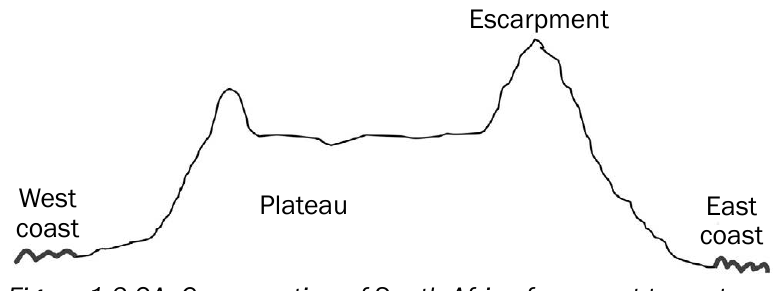
Impact of the Kalahari High Pressure on South Africa's climate
The Kalahari High Pressure system plays a crucial role in determining the climate patterns experienced across South Africa's interior plateau. This system creates several important climatic characteristics that define much of the country's weather patterns.
Clear skies and warm temperatures
Example
Climate Impact Example: Winter Weather Patterns
During winter months, the Kalahari High Pressure creates:
- Step 1: Air descends from higher altitudes
- Step 2: Descending air becomes compressed and warms up
- Step 3: Stable atmospheric conditions prevent cloud formation
- Result: Clear, sunny days with minimal cloud cover
During winter months, the Kalahari High Pressure creates generally clear skies and warm temperatures across the plateau region. This occurs because high pressure systems are associated with descending air masses. As air descends from higher altitudes, it becomes compressed and warms up, creating stable atmospheric conditions that prevent cloud formation.
The descending air is also very dry, which contributes to the low humidity and clear skies characteristic of high pressure conditions. This explains why areas under the influence of the Kalahari High Pressure experience bright, sunny days with minimal cloud cover during winter months.
Summer rainfall patterns
One of the most important impacts of the Kalahari High Pressure is that it creates a summer rainfall pattern across the interior plateau. During winter months, the high pressure system dominates the region, preventing rainfall due to the stable, descending air conditions.
However, during summer months, the position and intensity of the high pressure system changes. This allows moisture-bearing air masses to move inland, creating conditions favourable for thunderstorm development and rainfall. This is why most of South Africa's interior receives the majority of its annual rainfall during the summer months (October to March).
Note
The seasonal shift in high pressure system behaviour explains why South Africa's interior experiences wet summers and dry winters - a pattern completely opposite to the Mediterranean climate found in the Western Cape.
Regional climate control
The Kalahari High Pressure system effectively controls the climate of the South African plateau, which covers much of the country's interior. This high pressure system is responsible for:
- Creating the distinction between wet summers and dry winters
- Maintaining generally stable weather conditions
- Preventing excessive rainfall during winter months
- Contributing to the semi-arid to temperate climate found across the interior
Understanding synoptic weather charts
Weather scientists use synoptic weather charts to show the position and movement of high pressure systems like those affecting South Africa. These charts display isobars (lines of equal atmospheric pressure) and help meteorologists track how high pressure cells move and change over time.
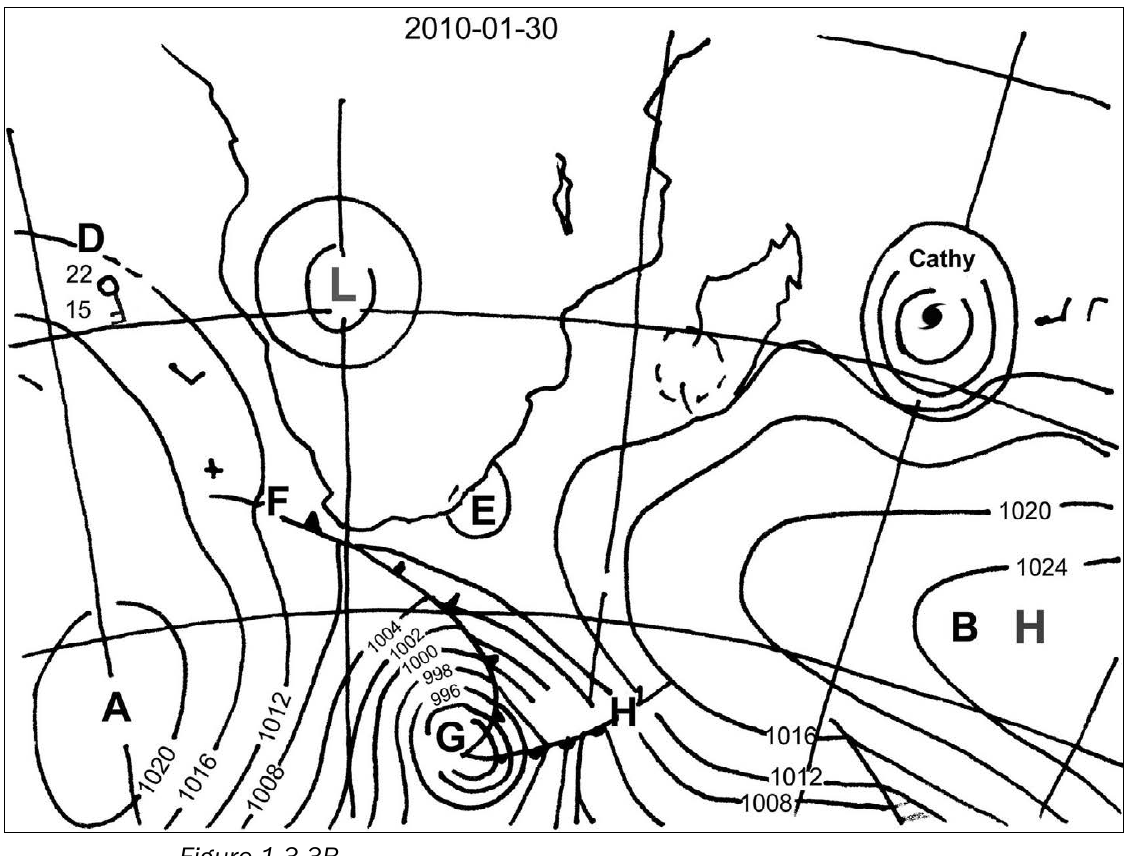
Note
On weather charts, high pressure systems are typically marked with the letter "H" and show concentric circles of isobars with pressure values increasing towards the centre. The spacing between isobars indicates the strength of the pressure gradient, which affects wind speed and direction around the system.
Seasonal variations and climate impacts
The subtropical high pressure belt doesn't remain static throughout the year. The position, intensity, and influence of these high pressure systems change seasonally, creating the distinct climate patterns experienced across South Africa.
During winter months, the high pressure systems tend to be more dominant and stable, creating dry conditions across most of the country. In summer, these systems shift and weaken, allowing for the development of weather patterns that bring rainfall to different regions.
This seasonal variation in high pressure system behaviour explains why South Africa experiences such diverse climate patterns, from the Mediterranean-type climate of the Western Cape (with winter rainfall) to the summer rainfall climate of the interior plateau.
Important
Understanding how these high pressure systems shift seasonally is crucial for explaining South Africa's complex climate patterns. The movement of these systems determines when and where rainfall occurs across the country.
Climate pattern summary
Summary
Key Points to Remember:
The Three High Pressure Systems:
- South Atlantic High Pressure (SAHP) - affects western coastal regions
- South Indian High Pressure (SIHP) - influences eastern coastal areas
- Kalahari High Pressure (KHP) - has the greatest impact on interior climate
Kalahari High Pressure Effects:
- Creates descending air which results in clear skies and dry conditions
- Controls summer rainfall patterns on the interior plateau
- Causes warm temperatures and stable weather conditions
- Responsible for the wet summer, dry winter pattern of the interior
Important Climate Concepts:
- High pressure systems create descending, dry air
- Seasonal shifts in pressure systems control rainfall timing
- Understanding pressure belt behaviour explains South Africa's diverse regional climates