Farming in South Africa (Grade 12 NSC Matric Geography): Revision Notes
📚Revision Notes
Farming in South Africa
Introduction to farming as a primary economic activity
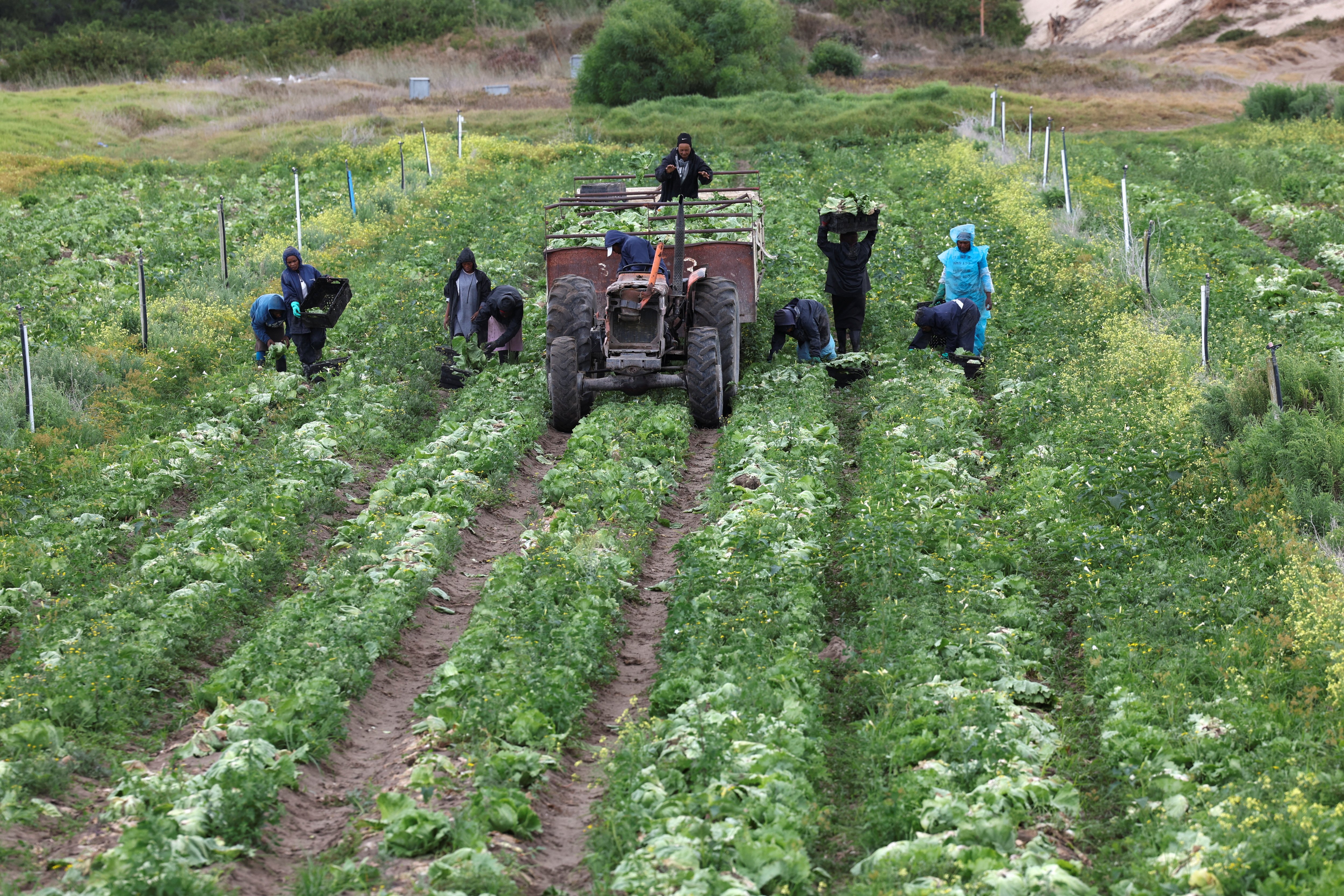
Farming is one of the most important primary economic activities in South Africa. Primary activities involve extracting or obtaining raw materials directly from the earth, including farming, fishing, forestry, and mining. These activities form the foundation of South Africa's economy and provide the raw materials that support secondary activities (processing and manufacturing) and tertiary activities (services).
In South Africa, farming encompasses different types of agricultural practices: crop farming (growing plants), stock farming (raising livestock), and mixed farming (combining both crops and livestock). The term "agriculture" refers to all types of farming activities.
Note
Primary activities like farming are essential because they provide the raw materials that all other economic sectors depend on. Without these foundational activities, secondary and tertiary industries cannot function effectively.
Types of farming operations
Understanding the different scales of farming operations is crucial for comprehending South Africa's agricultural landscape. Farmers operate at various scales depending on their resources, goals, and market access.
Small scale farming
Small scale farmers typically work with limited resources and often focus on direct relationships with consumers. These farmers include hobby farmers who farm as a secondary activity, retirement farmers who continue farming after their main careers, and lifestyle farmers who choose farming as a way of life. Many small scale farmers bypass traditional wholesale distribution networks by selling directly to consumers through farmers' markets, community-supported agriculture programmes, and other alternative marketing channels. Some small scale farmers diversify by growing vegetables or fruits while simultaneously raising livestock.
Large scale farming
Large scale farming represents the modern trend towards enlarging farm operations to achieve optimal business efficiency. Unlike traditional family-sized farming units, these operations are designed as business enterprises that maximise production and profitability. Large scale farmers typically have access to more capital, advanced technology, and extensive land areas, allowing them to produce crops and livestock on a commercial scale.
Note
Key Difference: The main distinction between small and large scale farming lies in their approach - small scale farmers prioritise direct consumer relationships and lifestyle choices, while large scale farmers focus on maximising business efficiency and commercial production.
Factors that favour farming in South Africa
Several natural and human factors create favourable conditions for agricultural development across different regions of South Africa. Understanding these advantages helps explain why certain areas become major agricultural centres.
Market demand and economic factors
High market demand for farming products creates profitable opportunities for farmers. When there is strong demand both domestically and internationally, farmers can sell their crops more easily and often command higher prices. Access to overseas markets with demand for South African agricultural products particularly benefits farmers by providing additional income streams and reducing dependence on local markets alone.
Physical geographical advantages
The fertile floodplains of South Africa's rivers provide excellent soil conditions that allow farmers to produce more crops and support better grazing land for livestock. These areas naturally receive nutrient-rich sediments during flooding, creating highly productive agricultural zones that significantly boost farming profits.
Important
Rainfall is Critical: The eastern regions receiving more than 500mm of rain annually have a significant advantage. This adequate rainfall makes it possible to produce diverse crops and ensures greener pastures for stock farming, directly contributing to increased agricultural productivity and profitability.
Temperature conditions also play a vital role in farming success. The relatively high summer temperatures experienced in many farming regions help crops grow more effectively and increase overall crop production. These warm conditions also ensure that pastures remain green and nutritious for livestock throughout the growing season.
Human resources
The availability of labour (workers) provides farmers with the human resources necessary to plant, maintain, and harvest crops effectively. Adequate labour supply is particularly important during busy farming periods such as planting and harvesting seasons.
Factors that hinder farming in South Africa
Despite many advantages, South African farmers face significant challenges that can limit agricultural productivity and profitability. These obstacles require careful management and adaptation strategies.
Climate and environmental challenges
Rainfall variability presents major difficulties, particularly in plateau regions where precipitation is low and unreliable. These conditions limit crop production possibilities and reduce the quality of available grazing land for livestock farming. Inconsistent rainfall makes farming planning extremely difficult and often results in crop failures.
Important
Soil Erosion Warning: Soil erosion caused by incorrect farming methods represents a serious long-term threat to agricultural sustainability. When farmers use inappropriate techniques, valuable topsoil is lost, increasing farming costs while simultaneously decreasing productivity and profits.
Natural hazards including droughts, floods, and hailstorms can cause devastating damage to crops and livestock. These weather-related disasters often destroy entire seasons of work and significantly reduce production levels, leading to substantial financial losses for farmers.
Health and social factors
HIV and AIDS have created significant challenges for the agricultural sector by negatively affecting the health and productivity of farm workers. This health crisis reduces the available workforce and impacts the overall efficiency of farming operations, making it more difficult to maintain consistent production levels.
Economic pressures
Price fluctuations create uncertainty and financial stress for farmers. When agricultural product prices rise and fall unpredictably, it becomes extremely difficult for farmers to plan their operations effectively and maintain consistent profitability. These market variations can make farming financially unsustainable for many producers.
Pest infestations affect both crops and livestock, requiring expensive control measures that increase production costs. Pest problems can cause significant decreases in both production levels and overall profits, sometimes destroying entire harvests or affecting livestock health severely.
Importance of farming in South Africa's economy
Farming plays multiple crucial roles in supporting South Africa's economic development and social welfare. The agricultural sector contributes to the country's prosperity in several interconnected ways.
Employment and social benefits
Farming provides essential employment opportunities that help reduce unemployment levels across the country. Agricultural jobs support not only farm workers but also create employment in related industries such as transportation, equipment manufacturing, and food processing.
Food production and security
Agriculture ensures that South Africa can produce food domestically, reducing the need for expensive food imports. When food is supplied locally, it costs less than imported alternatives, making nutrition more affordable for the population. This local food production also provides greater food security by reducing dependence on other countries.
Industrial development
The farming sector stimulates local manufacturing by creating demand for agricultural equipment. While much farming equipment is imported, South Africa has developed local manufacturing capabilities for items such as irrigation systems, reducing costs and supporting domestic industry.
Infrastructure development
Agricultural activities drive improvements in the country's infrastructure as crops need to be transported to markets. This transportation requirement leads to better roads, railway systems, and communication networks that benefit the entire economy beyond just farming.
Foreign exchange earnings
South African farming products exported to other countries earn valuable foreign exchange that strengthens the national economy. These export earnings help balance the country's international trade and provide funds for importing necessary goods and services.
Note
The interconnected nature of farming's economic benefits shows how agriculture supports multiple sectors simultaneously - from direct employment to infrastructure development and international trade.
Food security and insecurity
Understanding food security is essential for appreciating the social importance of farming in South Africa.
Defining food security
Food security exists when all people have consistent access to enough nutritious food to maintain healthy and productive lives. This condition requires that commercial farms can produce adequate food supplies due to favourable climatic conditions, that people have sufficient income to afford the food they need, and that local production reduces the need for expensive food imports from other countries. Additionally, food security is enhanced when farmers use genetically modified crops that resist diseases and pests more effectively, allowing for more reliable crop production.
Understanding food insecurity
Food insecurity occurs when not all people have adequate access to sufficient nutritious food for healthy and productive living. This problem particularly affects people living in poverty, many of whom reside in rural areas. These individuals often attempt to survive by practising subsistence farming - a type of agriculture that produces only enough food to feed the farmer's own family, without surplus for sale or trade.
Causes of food insecurity
Several factors contribute to food insecurity in South Africa. Limited availability of fertile, arable land restricts food production possibilities. Climate change increases the frequency and severity of natural disasters such as droughts and floods, which damage crops and reduce food availability.
Poverty creates barriers to accessing farming resources, making it difficult for people to purchase necessary items such as adequate land, proper equipment, quality seeds, and efficient irrigation systems. Many subsistence farmers lack education about improved farming techniques, leading to overuse of land for crops or overgrazing by cattle, which degrades soil quality over time.
Solutions for preventing food insecurity
Several strategies can help address food insecurity challenges and promote sustainable agricultural practices.
Example
Practical Solution: Soil Conservation Methods
Step 1: Implement crop rotation
- Plant different crops in sequence to maintain soil nutrients
- Allow soil to recover between growing seasons
Step 2: Practice rotational grazing
- Move cattle between different fields or camps
- Prevent overgrazing in any single area
- Allow grasslands time to regenerate
Step 3: Result These methods help maintain soil fertility and ensure long-term agricultural productivity.
Developing efficient food storage methods becomes particularly important during high-rainfall seasons when crop production increases. Proper storage prevents food waste and ensures that surplus production can be preserved for times when fresh crops are not available.
Improving water management through better storage systems and more efficient usage reduces water wastage and ensures that water resources are available when needed for irrigation and livestock.
Summary
Key Points to Remember:
- Primary activities like farming form the foundation of South Africa's economy by extracting raw materials from the earth
- Small scale farmers work with limited resources and sell directly to consumers, while large scale farmers operate as business enterprises focused on maximum efficiency
- Factors favouring farming include good market demand, fertile soils, adequate rainfall, suitable temperatures, and available labour
- Factors hindering farming include unreliable rainfall, soil erosion, natural disasters, health challenges, price fluctuations, and pest problems
- Farming is crucial for job creation, food security, industrial development, infrastructure improvement, and earning foreign exchange for South Africa's economy