The Structure of Nucleic Acids (Grade 12 NSC Matric Life Sciences): Revision Notes
📚Revision Notes
The Structure of Nucleic Acids
What are nucleic acids?
Nucleic acids are incredibly important organic compounds that serve as the foundation for all life on Earth. Think of them as nature's instruction manual - they contain all the information needed to build and maintain living organisms. There are two main types of nucleic acids that you need to know about: DNA (deoxyribonucleic acid) and RNA (ribonucleic acid).
These complex molecules are not built as single units, but rather are constructed from smaller building blocks called monomers. In the case of nucleic acids, these building blocks are called nucleotides.
Note
Understanding this concept is crucial: just like how a brick wall is made from individual bricks, nucleic acids are made from individual nucleotides joined together in long chains.
The basic structure of nucleotides
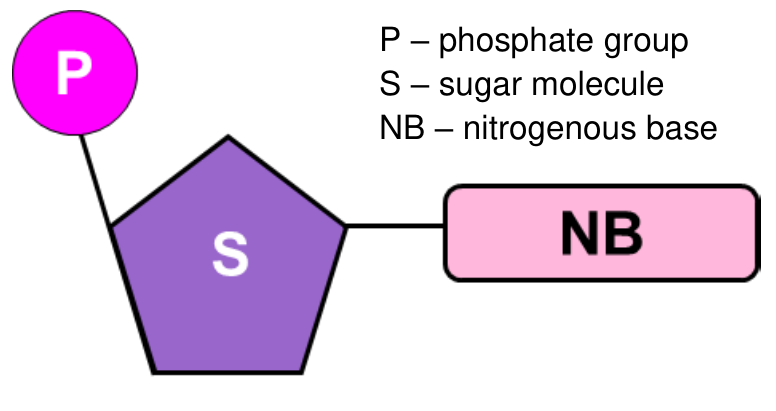
Every nucleotide, whether it becomes part of DNA or RNA, has the same basic three-part structure. Think of nucleotides as having three essential components that work together like pieces of a puzzle.
Important
The Three Essential Components of Every Nucleotide:
Each nucleotide consists of:
- Phosphate group (P) - This is the part that gives nucleic acids their acidic properties. The phosphate group contains phosphorus and provides the "backbone" structure when nucleotides link together.
-
Sugar molecule (S) - This five-carbon sugar provides structural support and helps form the backbone alongside the phosphate group. The type of sugar differs between DNA and RNA.
-
Nitrogenous base (NB) - This is the most variable part of the nucleotide and contains nitrogen. The nitrogenous base is what makes each nucleotide unique and carries the genetic information.
These three components are chemically bonded together to form a single nucleotide unit. When thousands of these nucleotides join together in long chains, they form the nucleic acids we know as DNA and RNA.
DNA structure and composition
DNA, or deoxyribonucleic acid, has some unique structural features that make it perfect for storing genetic information. The structure of DNA is specifically designed to be stable, yet accessible when the cell needs to read the genetic code.
The four nitrogenous bases in DNA
DNA contains four different types of nitrogenous bases, each with a specific chemical structure:
Note
The Four-Letter Genetic Alphabet:
- Adenine (A)
- Thymine (T)
- Guanine (G)
- Cytosine (C)
These four bases are like a four-letter alphabet that spells out the genetic code. The sequence in which these bases are arranged determines the genetic information stored in the DNA.
The double helix structure
One of DNA's most famous features is its double helix structure. Picture a twisted ladder - that's essentially what DNA looks like. The "sides" of the ladder are made from the phosphate-sugar backbone of nucleotides, while the "rungs" of the ladder are formed by pairs of nitrogenous bases.

Note
Why the Double Helix Structure is So Important:
This twisted spiral structure serves several important purposes:
- It protects the genetic information stored in the base sequences
- It allows DNA to be tightly packed into the cell nucleus
- It makes DNA replication possible by allowing the two strands to separate
Types of DNA in cells
DNA doesn't exist in just one location within your cells. There are actually two main types based on where they're found:
- Nuclear DNA - This is the DNA found inside the nucleus of your cells. This contains most of your genetic information and forms the chromosomes that carry hereditary traits from parents to offspring.
- Extra-nuclear DNA - This refers to DNA found outside the nucleus, specifically in:
- Mitochondria (the cell's powerhouses)
- Chloroplasts (in plant cells only)
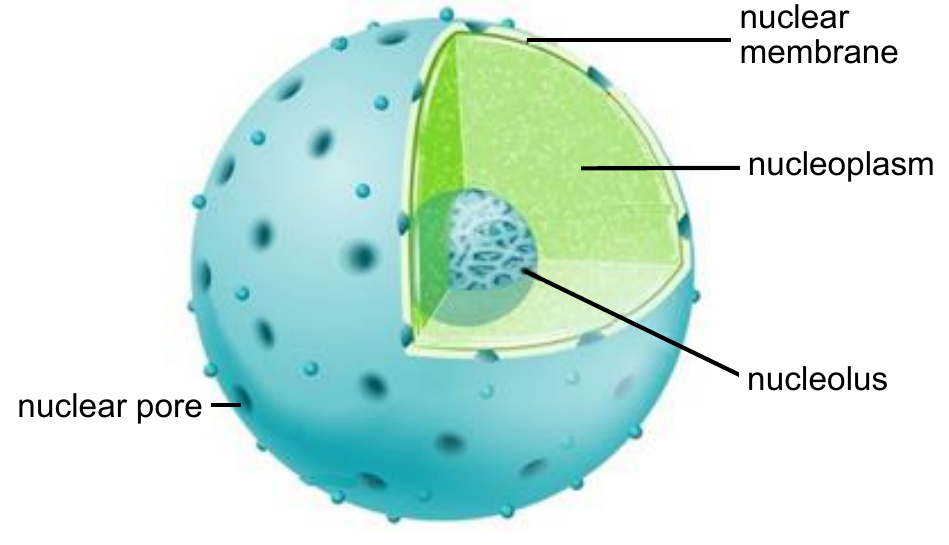
Understanding where DNA is located helps explain how genetic information is stored and passed on. The nucleus serves as the cell's control centre, housing the majority of genetic material in a protected environment.
The hereditary function
The structure of nucleic acids directly relates to their most important function - carrying hereditary information. This means that the genetic code stored in the sequence of nitrogenous bases can be passed from parent organisms to their offspring.
The specific arrangement of adenine, thymine, guanine, and cytosine bases in DNA creates a unique genetic code for each organism. This code contains instructions for making proteins, which ultimately determine an organism's characteristics and traits.
Summary
Key Points to Remember:
-
Nucleic acids are organic compounds made from nucleotide building blocks - these form the basis of all genetic material
-
Every nucleotide has three parts: phosphate group, sugar molecule, and nitrogenous base - think of them as molecular LEGO blocks
-
DNA has a double helix structure with four nitrogenous bases (A, T, G, C) - like a twisted ladder with a four-letter genetic alphabet
-
DNA exists in two locations: nuclear DNA (in the nucleus) and extra-nuclear DNA (in mitochondria and chloroplasts) - most genetic information is stored in the nucleus
-
The structure of nucleic acids allows them to carry hereditary information - the sequence of bases creates a genetic code that can be passed to offspring