Significance of DNA Replication (Grade 12 NSC Matric Life Sciences): Revision Notes
📚Revision Notes
Significance of DNA Replication
What is DNA replication and when does it happen?
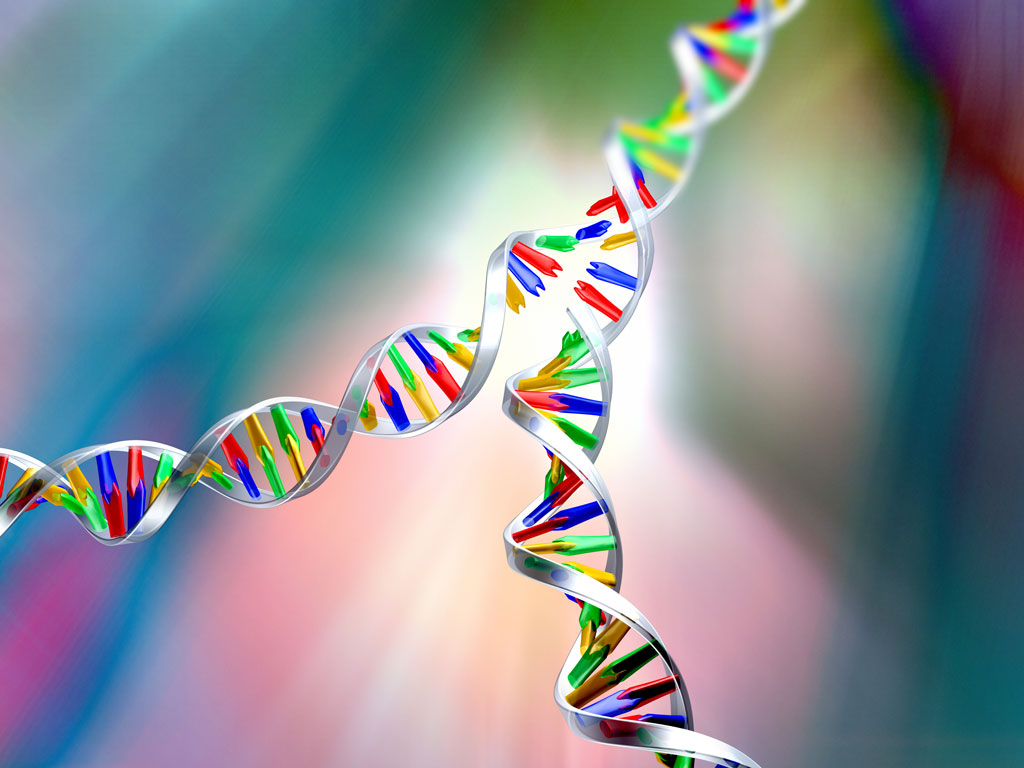
DNA replication is a crucial process that occurs during interphase, which is the phase before meiosis begins. Understanding why this process is so important will help you grasp how cells ensure genetic information is properly passed on during meiosis.
Note
Understanding DNA replication is essential for grasping how meiosis works. This process sets the foundation for all genetic inheritance in organisms.
Every species has a specific number of chromosomes that float freely in the nucleoplasm (the fluid inside the nucleus). When cells aren't actively dividing, this genetic material exists as a tangled network called chromatin.
The DNA replication process during interphase
Let's break down what happens step by step during DNA replication:
Before replication
Initially, chromosomes exist as single-stranded structures. Think of them as individual threads of genetic information floating around in the nucleus in a disorganised, tangled chromatin network.
During replication
When interphase begins and DNA replication takes place, something remarkable happens:
- Each single-stranded chromosome is duplicated
- The chromosome becomes double-stranded
- The new structure consists of two chromatids joined together at a point called the centromere
After replication
Each chromosome now has twice the genetic material it had before, but it's still counted as one chromosome because the two chromatids remain attached at the centromere.
Example
Worked Example: The DNA Replication Process
Step 1: Starting state
- Chromosomes exist as single-stranded structures
- Genetic material forms a tangled chromatin network
Step 2: Replication begins during interphase
- DNA replication machinery duplicates each chromosome
- Single-stranded becomes double-stranded
Step 3: Final result
- Each chromosome now consists of two identical chromatids
- Chromatids are joined at the centromere
- Cell is ready for meiosis
Why is DNA replication significant for meiosis?
The significance of DNA replication becomes clear when you consider what happens during meiosis:
Ensuring equal distribution of genetic material: When meiosis occurs, the cell needs to divide its genetic material between the daughter cells that will be formed. By replicating the DNA beforehand, the cell ensures there's enough genetic information to share.
Important
Without DNA replication, daughter cells would receive incomplete genetic information, which could be fatal or lead to genetic disorders.
Creating identical copies: The two chromatids in each chromosome are identical copies of each other. This means that when they eventually separate during meiosis, each daughter cell receives exactly the same genetic information.
Maintaining species characteristics: Since each species has a characteristic number of chromosomes, DNA replication ensures that this number can be maintained across generations through proper distribution during meiosis.
Note
This is why humans always have 46 chromosomes in their body cells - the replication and distribution process maintains this species-specific number.
Preparing for reduction division: Meiosis is a reduction division that ultimately produces gametes with half the chromosome number. DNA replication ensures that even after this reduction, each gamete still contains complete genetic information.
Summary
Key Points to Remember:
- DNA replication occurs during interphase, before meiosis begins
- Single-stranded chromosomes become double-stranded through replication
- Each replicated chromosome consists of two identical chromatids joined at the centromere
- This replication ensures proper distribution of hereditary material to all daughter cells
- Without DNA replication, daughter cells wouldn't receive complete genetic information