Biotechnology – Past, Present, and Future (HSC SSCE Biology): Revision Notes
📚Revision Notes
Biotechnology – Past, Present, and Future
What is biotechnology?
Biotechnology refers to the use of biological materials as tools. Put simply, it involves using living organisms or their products to fulfil human needs. This includes using biological materials, processes or products to create new items that benefit humans in fields such as industry, agriculture and medicine.
Note
Examples of biological materials used in biotechnology include:
- Cell products (enzymes, antibiotics)
- Living cells
- Tissues
- Whole organisms (micro-organisms, plants, animals)
Biotechnology applications range from ancient practices like bread-making and wine production to modern techniques involving gene manipulation. Whilst biotechnology offers many benefits, it can also be detrimental to the environment or other living things. The field of bioethics has developed to examine the social and ethical impacts of biotechnology and establish appropriate boundaries.
The three eras of biotechnology
Biotechnology has been practised for thousands of years, though the term was only introduced in by Hungarian scientist Karl Ereky. We can divide biotechnology into three main periods:
Note
The Three Periods of Biotechnology:
- Ancient biotechnology - practices from thousands of years ago
- Classical biotechnology - practices from the late s to mid-s
- Modern biotechnology - practices from the s to present (since DNA discovery)
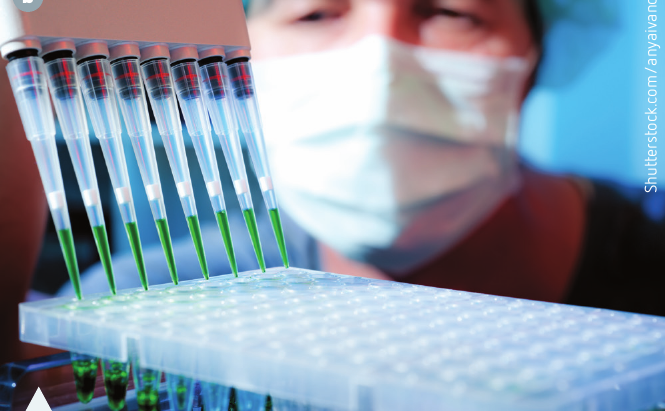
Ancient biotechnology
Ancient biotechnology was practised for thousands of years without people fully understanding the biological and biochemical processes involved. Early developments focused on improving basic human needs like food, shelter and clothing.
Agriculture and domestication
Farming began approximately years ago in the Middle East (the 'fertile crescent'). By years ago, farming had spread to China, and by years ago to Mesoamerica.
Early farmers discovered the benefits of:
- Selecting seeds from the best crops
- Breeding the best-quality animals
This was the start of selective breeding (or artificial selection), where humans choose organisms with desirable characteristics to cross-breed. This ensured beneficial traits passed to future generations. Cross-breeding different varieties produced stronger, healthier offspring than inbreeding - a phenomenon called hybrid vigour.
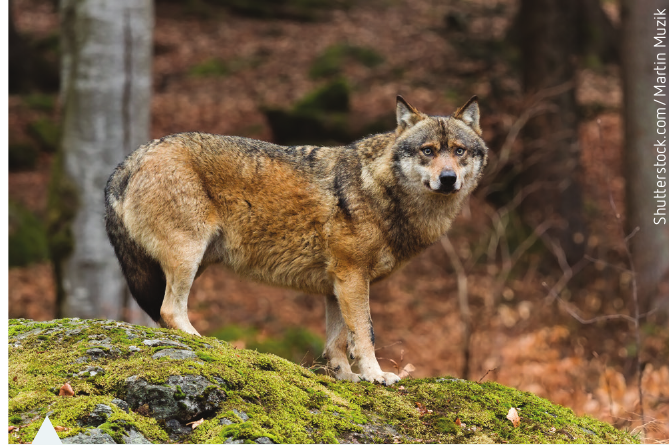
Note
Evidence shows domestication of dogs occurred as far back as BCE, with the Eurasian grey wolf believed to be the ancestor of modern dogs. Dogs provided humans with help in physical work and protection.
Aboriginal people and aquaculture
Archaeological evidence shows Aboriginal people built sophisticated canal systems up to years old. Stone foundations reveal canals that meandered from the ocean to inland areas in the Lake Condah district of western Victoria. Evidence of eel traps (Budj Bim eel traps) has been found in this district and similar systems existed in Mount William, Tolondo, and the Barwon-Darling river system in western NSW.
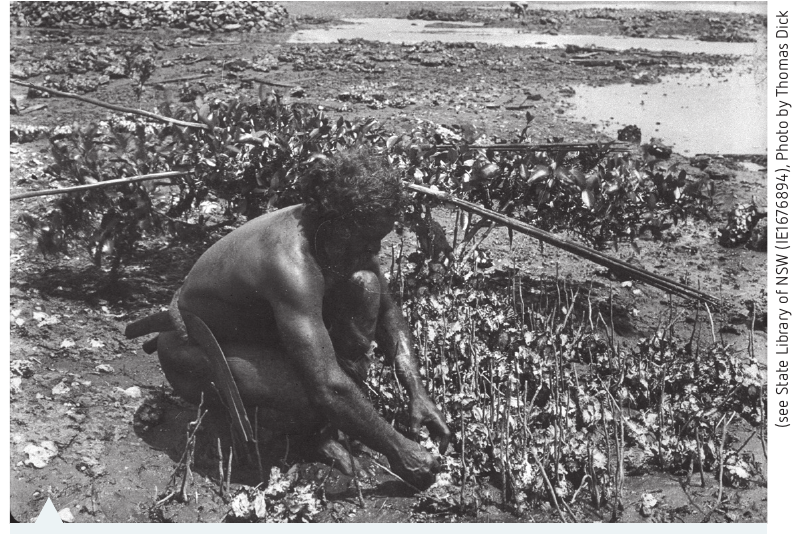
Aboriginal people preserved eels by smoking them in tree hollows, ensuring food supplies during scarce periods and for trade with other groups. This aquaculture practice continues today among Aboriginal communities.
Food production: bread and cheese making
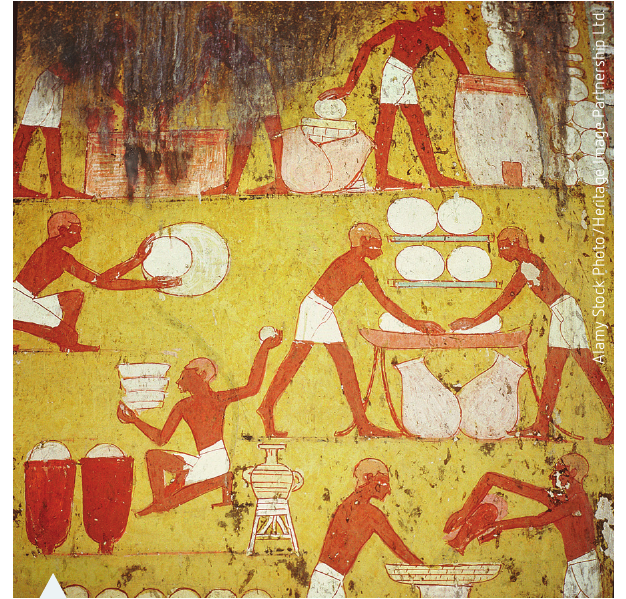
Bread making
The earliest evidence of plant breeding comes from caves in the Middle East inhabited approximately years ago. Fossilised grain layers show changes in wheat characteristics over time:
- Bottom layers: older wild Einkorn wheat requiring pounding to release seeds
- Top layers: younger Emmer wheat with seeds that naturally released
Evidence from ancient Egyptian tombs (around BC) shows the use of yeast in bread making. Wild yeast likely entered dough accidentally around years ago. Once people noticed the benefits, they began adding it intentionally.
Example
How Yeast Works in Bread:
Yeast ferments sugars to produce carbon dioxide, which makes bread rise. Baker's yeast has been used since the s. Today, the Saccharomyces cerevisiae strain is commonly used.
The process:
- Yeast consumes sugars in the dough
- Carbon dioxide gas is produced through fermentation
- Gas bubbles become trapped in the dough
- The dough rises and becomes light and fluffy
Cheese making
Cheese making involves bacterial action on milk and dates back approximately years ago. By the time of classical cheese making, people understood that adding enzymes purposefully would combine with naturally present bacteria to produce curds and whey. Pressing the curds removes excess water, and storage in a dry environment allows ripening. Other surface bacteria during ripening give cheese its distinct flavour.
Note
Yoghurt making dates to approximately BC. The Chinese used Lactobacillus bacteria to ferment milk into a semi-liquid consistency, extending storage time. This same genus is still used in yoghurt production today.
Classical biotechnology (1800s to mid-20th century)
Classical biotechnology emerged when scientific understanding advanced significantly. Key contributions came from scientists like Louis Pasteur and Gregor Mendel.
Important
Key Discoveries in Classical Biotechnology:
- Pasteur: Discovered fermentation results from micro-organisms, not chemical processes
- Mendel: Introduced the concept of genetic information transfer between generations
- By the end of the 19th century, cell products like enzymes were in use
- First antibiotic discovered in , used as medicine from
Classical biotechnology uses known biological materials (cells like yeast and microbes) and cell products (enzymes and antibiotics) to achieve specific goals.
Fermentation
The word fermentation comes from the Latin word fervere, meaning 'to boil'. Fermentation use began over years ago, believed to have started in ancient Egypt.
In the s, people recognised that froth on beer resulted from gas accumulation. Joseph Louis Gay-Lussac proposed the chemistry behind this, but Louis Pasteur discovered that microbes were responsible for gas production. In the s, Pasteur used experiments to prove fermentation is a biological process, not a chemical one.
Example
Beer and Wine Making Processes:
Beer making: Brewers used barley and other grains. In the Middle Ages, hops were added. The process relied on airborne yeast. A sugar-rich solution containing grain or fruit naturally contains yeasts that ferment sugars to produce:
- Alcohol
- Carbon dioxide
Wine making: Grape skins contain natural sugars and yeasts that facilitate fermentation.
Medicine and antibiotic production
Ancient peoples used plants for healing long before modern medicine:
- Willow bark: Contains salicin, used for inflammation and pain relief
- Turmeric: Used to improve circulation, recognised today for anti-inflammatory properties
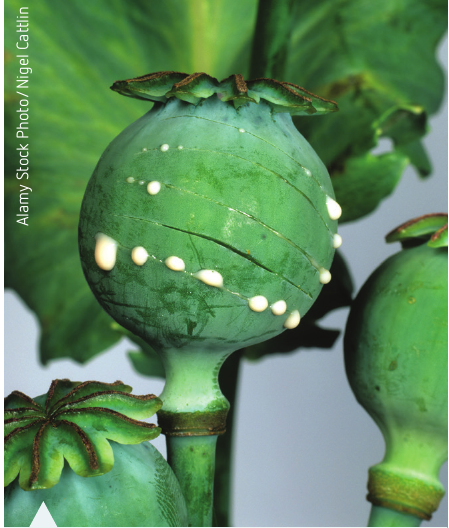
- Opium poppy: Persians and Egyptians used the milk from Papaver somniferum to ease pain. Poppy seed cakes and pods found in Neolithic Swiss dwellings from years ago
- Cinchona bark (Jesuit bark): Used by indigenous South American people to ease fever. Contains quinine with antimalarial properties
Important
Penicillin Discovery: One of the most famous natural antibacterial products came from the fungus Penicillium. English bacteriologist Alexander Fleming discovered it in . Australian pharmacologist and pathologist Howard Florey later stabilised it to form the antibiotic penicillin we know today. This revolutionised treatment of bacterial infectious diseases and is still used today.
Plant selective breeding techniques
Hybridisation and artificial pollination were (and still are) commonly used in horticulture and agriculture. Hybridisation produces hybrid offspring with combined traits making them:
- Better suited to their environment
- More useful for their end purpose
Note
Benefits of Hybrid Vigour:
- Bigger flowers
- Higher nutrient value
- Increased crop yield
- Shorter breeding time
- Greater resistance to drought, disease or salinity
- Higher stamina
Important
Important Trade-off to Consider:
Sometimes traits beneficial to breeders and consumers may be detrimental to the plant. For example, making fruit sweeter may attract more pest feeding. Some disease resistance traits may be lost when breeding for other characteristics.
Modern biotechnology (1950s - present)
Modern biotechnology took a huge step forward with the discovery of DNA and its manipulation at the molecular level. This has been compared to the biological equivalent of humans landing on the moon.
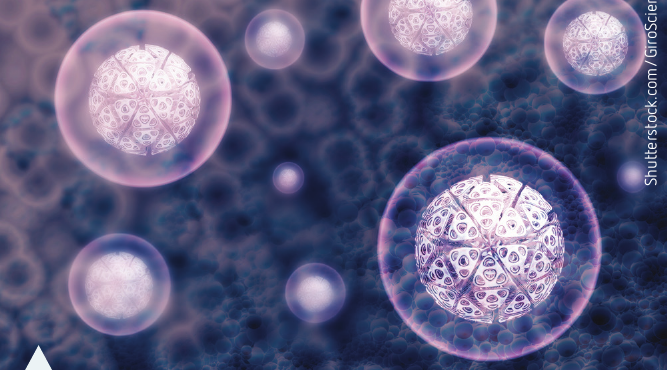
Genetic engineering involves humans manipulating the DNA base pattern (genotype) of an organism to change its appearance or behaviour (phenotype). The most common steps involve 'cutting, copying and pasting' DNA sequences.
Note
Key Terms in Modern Biotechnology:
- Gene technology: Manipulation of DNA to create products for human use
- Recombinant DNA (rDNA): DNA made from more than one species (e.g., bacterial DNA with an inserted human gene)
- Genetically modified organisms (GMOs): Organisms with altered DNA
- Transgenic species: GMOs able to pass their newly constructed genome to the next generation
Example
Creating Transgenic Bacteria:
Scientists have modified bacteria by using enzymes to cut out a human gene and insert it into bacteria. This enables bacteria to produce human proteins like insulin and human growth hormone.
Process:
- Identify and isolate the desired human gene
- Use restriction enzymes to cut the gene from human DNA
- Insert the gene into bacterial DNA
- The modified bacteria can now produce the human protein
Technology to manipulate DNA
Modern biotechnology uses specialised biological tools (many are enzymes) from other living organisms like bacteria and viruses. DNA technology is the generic term for using these tools to modify, measure, manipulate and manufacture DNA.
DNA splicing
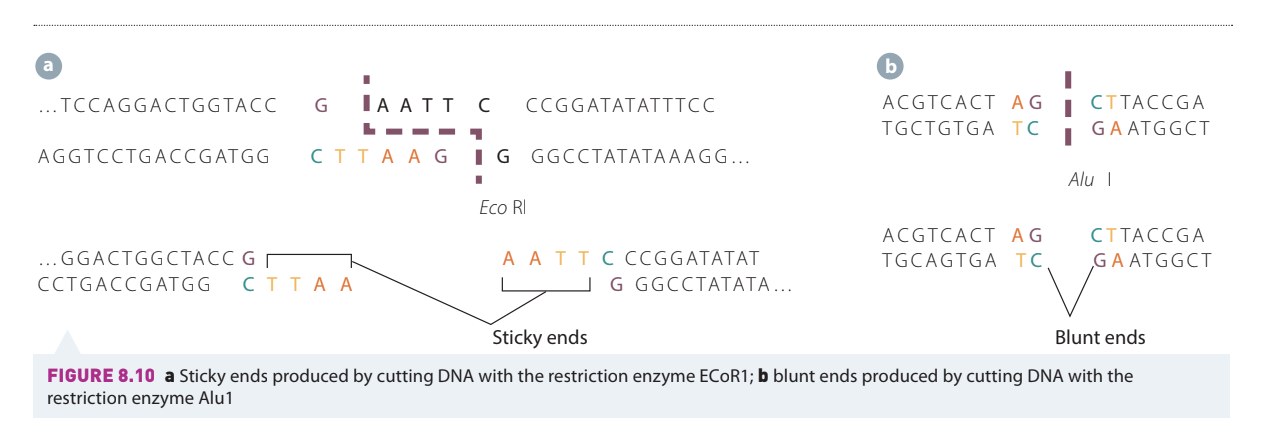
DNA splicing means cutting out genes. The required gene or DNA base sequence is removed using restriction enzymes that cut DNA at specific base sequences.
Note
How Restriction Enzymes Work:
- Occur naturally in bacteria
- Their natural purpose is to 'chop up' foreign DNA from invading viruses
- Scientists use them like 'molecular scissors'
- They snip DNA into smaller pieces at specific base sequences
Restriction enzymes can produce two types of ends:
- Sticky ends: Staggered cuts that leave overhanging single-stranded DNA
- Blunt ends: Straight cuts with no overhangs
DNA amplification
DNA amplification means copying genes. This occurs through the polymerase chain reaction (PCR), where DNA polymerase enzyme replicates DNA fragments many times before insertion into a new genome.
Recombining DNA
Recombining DNA means 'pasting' genes together. A DNA ligase enzyme joins DNA pieces together, forming bonds in the sugar-phosphate backbone of DNA.
Technology to analyse and visualise DNA
DNA molecules are too small to see, even with a microscope. Special techniques enable scientists to analyse and visualise them. DNA is usually cut into small fragments that can be identified and built into a picture of a whole DNA molecule or genome.
Agarose gel electrophoresis
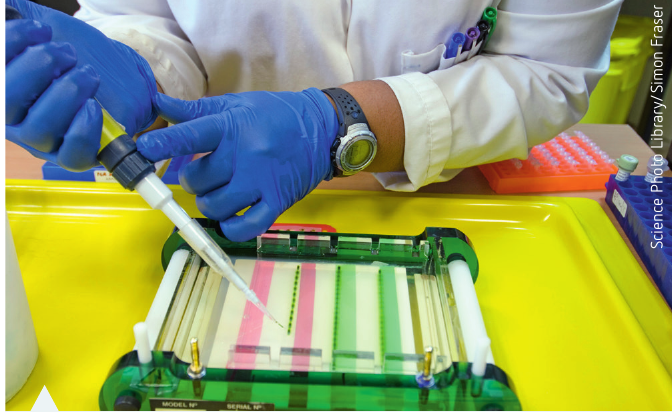
Gel electrophoresis is used to analyse DNA and identify the 'DNA fingerprint' of an individual. The process involves:
- Fragmenting DNA
- Passing fragments through a gel
- Viewing the distribution pattern as bands on the gel
- Each band represents a DNA fragment of a particular size
Note
This information works like a barcode to identify an individual or species.
Gene probes
A gene probe is a specific length of single-stranded DNA (- nucleotides long) that is complementary to a known DNA sequence from a specific gene.
Key features:
- Can be manufactured artificially
- Tagged with a fluorescent dye or radioactive atom
- Allows the DNA to be 'visualised'
- Thousands of genes can be tested simultaneously using a micro-array
DNA sequencing
DNA sequencing determines the exact nucleotide sequence of DNA or a gene, revealing the genetic code for a particular trait. This can be done using:
- Gel electrophoresis
- 'Next-generation' automated sequencing technologies (e.g., nanopores)
Note
All published sequence data is saved in a public database called GenBank.
DNA profiling
DNA profiling involves:
- DNA amplification of short tandem repeats (STRs) by PCR
- Gel electrophoresis analysis
The purpose is to compare base sequences of two or more individuals to determine relatedness based on differences in DNA repeat lengths.
Applications of modern biotechnology
Human needs drive biotechnology, which today encompasses food creation, medical and agricultural products, and extends to industrial biotechnology and gene technology. These applications impact Earth's biodiversity.
Industrial biotechnology applications
Industrial biotechnology includes enzyme engineering, bio-nanotechnology, synthetic biology, and biochemical and bio-material engineering.
Current applications:
Pollution prevention:
- Using micro-organisms to clean up and reduce waste
- Enzymes in washing powders to remove stains (replacing phosphates that contributed to eutrophication)
- Production of environmentally friendly products: fertilisers, biopesticides, biofuels, biodegradable materials from plants
Note
Biomaterial Production:
Any natural or synthetic substance made to interact with biological systems for medical, therapeutic or diagnostic purposes. Examples include:
- Joint replacements
- Artificial heart valves
- Stents
- Breast implants
Future applications:
Biofabrication: Automated production of tissues and organs using D printing principles with materials like cells, fibres and gels to replace diseased or injured tissue.
Synthetic biology: Using computer technology to construct synthetic genomes that function in living cells. In , American scientist J. Craig Venter and his team created the first synthetic cell.
Example
The 'Synthia' Breakthrough:
- Used a computer to create a digital genetic code of million base pairs
- Replicated the full genome of bacterium Mycosplasma mycoides
- Made in the laboratory from synthetic nucleotides
- When implanted into an enucleated cell of a related bacterium, the genome directed production of new proteins
- The synthetic cell divided under instruction of the synthetic code to become a colony of M. mycoides cells
Significance: This technology opens possibilities for making large-scale changes to genetic systems using computers, enabling incorporation of different or novel amino acids into proteins to improve gene expression and exclude genetic diseases.
Agricultural biotechnology applications
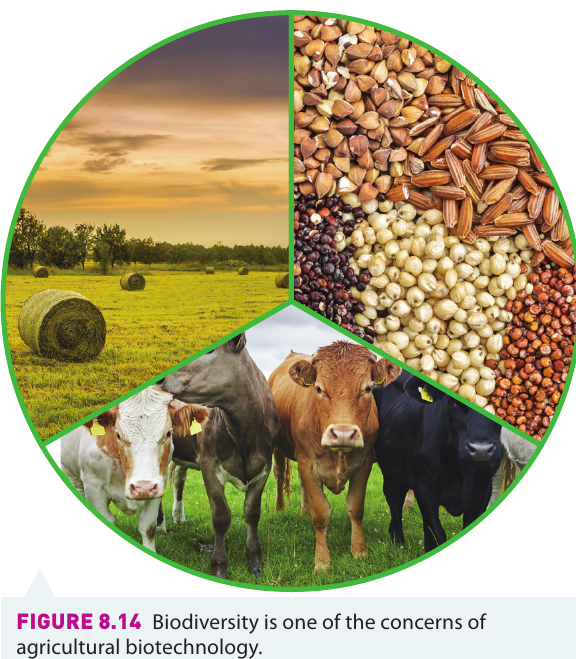
Agricultural biotechnology aims to improve plant and animal production by increasing:
- Yield
- Nutritional value
- Disease resistance
It enhances quality and economic returns from commercial crops using reproductive technology and gene technology.
Reproductive technologies and genetic diversity
Modern reproductive technologies include:
- Artificial insemination (animals)
- Artificial pollination (plants)
- In vitro fertilisation
- Embryo transfer
- Cloning
Advanced technology uses DNA manipulation to insert desired genes into organisms by genetic engineering, creating transgenic species.
Note
Advantages of Selective Breeding in Agriculture:
- Increased milk yield in female cattle
- Improved beef quality in cattle
- Larger eggs from chickens (more frequent laying)
- Higher grain yield from wheat
- Increased protein in food
- Enhanced vitamin content in food (e.g., golden rice)
Example
Golden Rice Case Study:
Golden rice addresses hunger in poor and developing countries, working towards eradicating starvation. It was created by inserting two genes into rice:
- One gene from daffodil (later replaced by corn)
- One gene from a bacterium
The Result: Golden rice differs from other rice because it contains beta carotene, a vitamin A pre-cursor. This rice, with much higher vitamin A content, was developed to combat vitamin A deficiency in the developing world. Vitamin A deficiency can cause blindness and other serious health problems.
Important
Concerns About Genetic Diversity:
Worldwide concern has grown about loss of genetic diversity and biological resources due to farming, particularly in developing countries. At the Convention on Biological Diversity in Japan, the Nagoya Protocol was adopted. This addressed:
- Access to genetic resources by various countries
- Fair and equitable sharing of benefits from using these resources
- A legal framework for the biotechnology industry to sustain biological diversity
Conservation biology applications
Progress has been made using plant biotechnology for biodiversity conservation. Advances in genomics and proteomics enable researchers to:
- Identify desirable traits in crops and plants using molecular markers
- Bank (save) favourable germplasm
Note
Germplasm: Any living tissue from which new plants can form, including:
- Whole plants
- Plant parts (leaves, stems)
- Pollen
- Clusters of cells
Germplasm can be incorporated into crop varieties through selective breeding or genetic manipulation to increase biodiversity.
Animal biotechnology applications:
- Researchers map relatedness between animals (wild and captive)
- Design breeding programs to maximise hybrid vigour and genetic biodiversity
Example
Examples of Conservation Efforts:
Black-footed ferrets: Researchers at the Smithsonian National Zoo in the USA used artificial insemination in animals at risk of extinction, producing one hundred black-footed ferrets for release into their natural former habitat.
Scimitar-horned oryx: Veterinarians at the Zoological Society of London's conservation centre conducted habitat surveys in Niger and Chad, Africa, to reintroduce a herd of antelope extinct in the wild. The zoo appealed to other zoos worldwide for female oryxes or sperm to ensure broad genetic variation in offspring.
Sumatran rhino: Some species close to extinction, like the Sumatran rhino, cannot be saved in the wild. Captive breeding technologies are critical for saving these species.
Southern white rhino success story: At the start of the 20th century, approximately southern white rhinos remained. Through captive breeding with close mapping of relatedness, there are now over white rhinos with no apparent birth defects despite inbreeding from a small parent population. Rhinos remain in captive populations at conservation centres to reduce risk from disease, natural disaster or poaching.
Note
Genetic Material Banks: Oocytes and gametes are being cryogenically preserved at zoos worldwide to conserve animal genes for biodiversity purposes.
Genetic engineering can produce plants and animals that are:
- More fertile
- Resistant to disease and drought
- Able to grow in nutrient-poor soils
This is crucial for maintaining biodiversity.
Medical technology applications
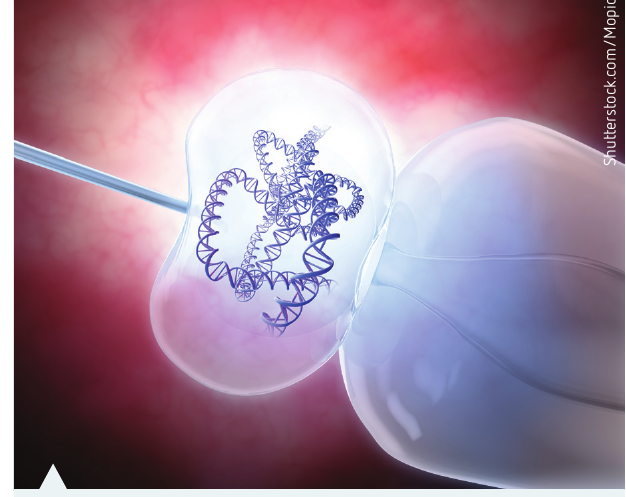
Gene therapy is a technique based on delivering normal, functional genes to individuals lacking a functional copy who suffer from a genetic disorder.
Example
Example - SCID Treatment:
Scientists have had success treating severe combined immunodeficiency (SCID). Sufferers are very susceptible to infection because the mutant gene disrupts functioning of B and T cells in their immune systems.
Gene therapy provides a functional copy of the gene, allowing the immune system to develop properly.
In vitro fertilisation (IVF) has been used in humans for about years. It has become more sophisticated with greater success rates thanks to:
- Improved understanding of endocrinology and reproduction
- Advances in biotechnology
Note
IVF Success:
IVF is now successful in:
- Allowing couples with fertility issues to reproduce
- Preventing children being born with inherited genetic diseases
One technique uses gamete material from three parents to avoid a child being born with mitochondrial disease.
Remember!
Summary
Key Points to Remember:
- Biotechnology is the use of living organisms or their products for human benefit
- Ancient biotechnology began thousands of years ago with crop and animal domestication and using living cells to make food products like bread, cheese and wine
- Classical biotechnology emerged with scientific understanding of fermentation (Pasteur), antibiotics (Fleming) and genetics (Mendel)
- Modern biotechnology involves genetic engineering - manipulating DNA at the molecular level to create recombinant DNA and transgenic organisms
- Key DNA techniques include splicing (cutting), amplification (copying), recombining (pasting), and analysis through gel electrophoresis, gene probes and DNA sequencing
- Applications span industrial, agricultural, conservation and medical fields, all with significant impacts on biodiversity