Continuity of Species (HSC SSCE Biology): Revision Notes
📚Revision Notes
Continuity of Species
Introduction
All living organisms come from other living organisms - this is a fundamental principle of biology. The continuity of species describes how species survive over time by passing characteristics from parents to their offspring in an unbroken line through generations. This process depends on two key factors working together: passing on accurate genetic information (genetic stability) and occasionally introducing small variations, which allows species to adapt to changing environments.
Note
Think of it this way: accurate DNA copying maintains genetic stability, whilst mutations create genetic variation. Although variation drives evolution, stability is crucial for individual survival. Both elements work together to ensure species continue to exist.
What is genetic continuity?
Genetic continuity refers to the preservation of genetic information as it passes from one generation to the next. This process relies on two essential conditions:
Important
Essential Conditions for Genetic Continuity:
-
When a cell divides through mitosis, the two new daughter cells must contain the same number and types of genes as the original parent cell.
-
When organisms reproduce sexually, their offspring must inherit the same number of genes as their parents, and any variations in these genes must not cause severe harm or death.
Genetic continuity ensures species survival because it guarantees that new cells and organisms possess all the genes they need in working condition. Without genetic continuity, disease and death occur, potentially leading to extinction of the species.
Maintaining continuity through genetic stability
In asexual reproduction, offspring receive identical characteristics from a single parent, provided DNA replication occurs accurately. In sexual reproduction, offspring inherit a mixture of characteristics from two parents.
In both reproductive methods, the correct number of chromosomes and characteristics pass through family lines. At the genetic level, stability occurs when chromosomes are copied accurately, producing identical daughter chromosomes.
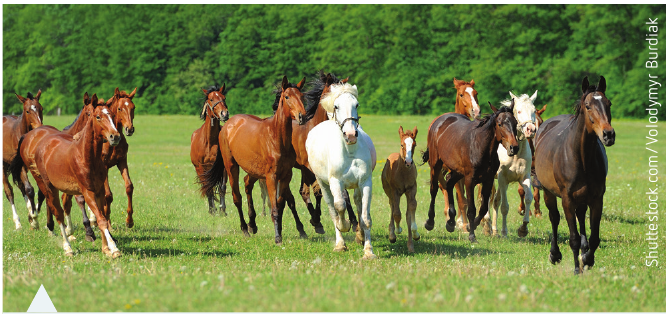
For species-level continuity, successful beneficial traits must be inherited, along with occasional random errors introduced by mutation. These chance variations allow species to evolve when environmental conditions change.
Example
How Natural Selection Maintains Continuity:
Natural selection ensures that individuals best suited to their environment survive to reproduce, passing their genes to offspring. This mixing of parental genes during sexual reproduction, including some arising from mutations, increases genetic diversity and helps maintain species continuity.
Mechanisms ensuring genetic continuity
Several mechanisms have evolved to ensure genetic traits pass successfully between generations and species continue to survive:
- Consistent replication: DNA copies accurately before cells divide through mitosis and meiosis
- Orderly chromosome distribution: Chromosomes are distributed systematically when cells divide and gametes form
- Species-specific fertilisation: Methods ensure individuals of the same species breed successfully
- Embryo survival strategies: Production of large numbers of offspring, or protection and nourishment of developing embryos, plus parental care
- Natural selection: The fittest individuals survive to reproductive age and pass on their genes
Mechanisms creating genetic variation
Whilst stability is crucial, variation also plays an important role. Genetic variation in species arises through:
- Mutation: Changes in DNA occurring spontaneously or induced by mutagens (mutation-causing agents)
- Sexual reproduction: Mixing of parental genes through crossing over and independent assortment during meiosis, plus random fertilisation of gametes
Genetic errors threatening species continuity
Many variations arising from spontaneous DNA changes are temporary - enzymes immediately correct them through DNA repair. The large number of DNA repair enzymes in cells demonstrates how critical accurate replication and repair are for survival.
Note
DNA Repair and Human Disease
In humans, numerous diseases link to reduced DNA repair ability during or after replication. Research shows people with impaired DNA repair are more susceptible to certain cancers. Decreased repair ability during replication may also cause accelerated ageing and neurodegeneration - an area of active research.
When DNA repair fails
When a mutation occurs in a DNA repair gene, that gene may be expressed incorrectly or not at all.
Important
Critical Example: Xeroderma Pigmentosum
People with Xeroderma pigmentosum (XP) cannot repair DNA damage, making them extremely vulnerable to ultraviolet ray damage and skin cancer. Recent research links germline mutations in DNA repair genes to lethal prostate cancer forms.
Animal embryology research reveals that missing DNA repair genes (such as the base excision repair gene) causes embryo death - these are called lethal mutations.
Genetic information can only be stored stably and passed on consistently when DNA repair enzymes continuously scan DNA for replication errors and replace incorrect or damaged nucleotides. Natural selection acts as a protective mechanism, removing individuals carrying severely damaged genes from populations, preventing threats to species continuity.
The importance of accurate DNA replication
Accurate DNA replication matters for two main reasons:
Important
Why Accurate DNA Replication Matters:
Heredity: Genetic material must transfer accurately:
- From one cell to another during mitosis, enabling growth, repair and maintenance
- From one generation to the next during meiosis (when gametes form for sexual reproduction)
Gene expression: Genetic material must transmit accurately to provide correct instructions for cell structure, function and behaviour - essential for organism survival.
Summary
Summary
Key Points to Remember:
- Continuity of species means the ongoing survival of species through passing characteristics from parents to offspring in continuous lineages
- Genetic continuity preserves genetic information across generations through accurate cell division and reproduction
- Both genetic stability (accurate replication) and genetic variation (mutations) are necessary for species continuity
- Multiple mechanisms ensure continuity, including consistent replication, orderly chromosome distribution, successful fertilisation, embryo survival strategies, and natural selection
- Failures in DNA repair can threaten continuity, causing diseases, accelerated ageing, or lethal mutations
- Natural selection removes harmful variations from populations, protecting species continuity