Innate and Adaptive Immune Systems (HSC SSCE Biology): Revision Notes
📚Revision Notes
Innate and Adaptive Immune Systems
Understanding scientific models in immunology
Before we explore the immune system, it's important to understand how scientists study complex biological processes. In science, a model is a representation of an idea, object, process, or system. Scientists use models to describe and explain phenomena that cannot be experienced directly, making them central to research and scientific communication.
Note
Models provide a simplified representation of reality. They help link theory with experiment by guiding research and enabling scientists to develop and test predictions. Throughout history, models have been crucial tools for testing hypotheses and predicting outcomes.
However, models are not always perfect initially - scientists may lack complete data when first creating them. This is why it's essential for scientists to continuously test and refine their models as new information becomes available.
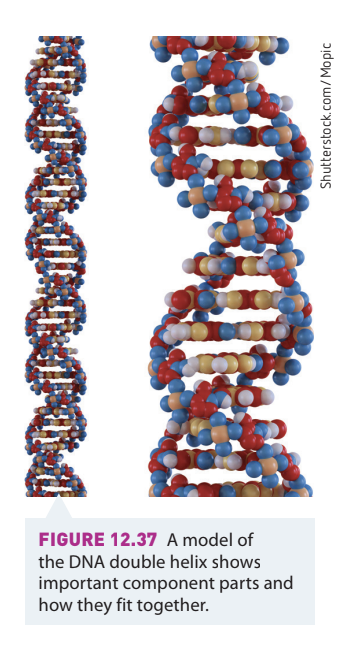
For example, the DNA double helix model shows how component parts fit together, making it easier to understand the structure and function of genetic material. Similarly, we can model the immune system to better understand how our body defends against disease.
The immune system: two complementary defence strategies
Your body employs two main strategies to protect itself from pathogens: the innate immune system and the adaptive immune system. These systems work together but have distinct characteristics that make each suited to different defensive roles.
The innate immune system
The innate immune system represents your body's first and second lines of defence. This system responds rapidly to invading pathogens but doesn't "remember" previous infections. Key features include:
Physical and chemical barriers: The body prevents pathogen entry through barriers like skin's thick keratin layer, which is particularly effective against fungal infections.
Cellular responses: When pathogens breach these barriers, various white blood cells spring into action:
- Neutrophils increase in number during bacterial infections, working alongside complement proteins that punch holes in bacterial cell walls
- Phagocytes engulf invading microorganisms, including fungi
- Eosinophils increase in response to parasitic infections, particularly macroparasites like worms
Note
Response characteristics: The innate response activates within minutes to hours of pathogen detection. It provides broad, non-specific protection but doesn't form immunological memory.
The adaptive immune system
The adaptive immune system, also called acquired immunity, develops targeted responses to specific pathogens. This system takes longer to activate but provides long-lasting protection through immunological memory. There are two main types:
Humoral response: This involves antibody production by B cells. Antibodies circulate in body fluids (humours) and target pathogens in extracellular spaces. The humoral response is particularly important for neutralising toxins and preventing pathogen spread through bodily fluids.
Cell-mediated response: This involves T cells, particularly cytotoxic T cells, which directly attack infected cells. This response is crucial for dealing with:
- Intracellular bacteria that hide inside host cells
- Virus-infected cells
- Some fungal infections
Important
Response characteristics: The adaptive response takes days to fully develop but creates memory cells that enable faster, more effective responses to future encounters with the same pathogen. This immunological memory is the foundation of vaccination.
Comparing immune responses
Understanding the differences between innate and adaptive immunity is crucial for comprehending how your body fights disease. The following table summarises the key characteristics:
| Focus areas | Innate response | Acquired humoral response | Acquired cell-mediated response |
|---|---|---|---|
| What initiates the response? | General pathogen-associated patterns | Specific antigens (extracellular) | Specific antigens (intracellular) |
| How fast is the response? | Minutes to hours | Days (first exposure) | Days (first exposure) |
| Cellular components | Neutrophils, phagocytes, eosinophils | B cells, plasma cells | T cells (cytotoxic T cells, helper T cells) |
| Chemical components | Complement proteins, cytokines, antimicrobial peptides | Antibodies (immunoglobulins) | Cytokines, perforins |
| Presence or absence of memory formation | Absent (-) | Present (+) | Present (+) |
Note
Notice how the innate response is fastest to activate but lacks memory, while both adaptive responses take longer initially but provide long-term protection through immunological memory.
Immune responses to specific pathogen types
Different pathogens trigger characteristic immune responses that can be detected through laboratory testing:
Bacterial infections:
- Extracellular bacteria provoke increased neutrophil production
- Intracellular bacteria require cytotoxic T cell responses
- The gut microbiome plays an important defensive role against pathogens like cholera bacteria
Viral infections: These commonly cause leukopaenia (reduced white blood cell count in the blood), distinguishing them from bacterial infections which typically increase white cell counts.
Note
The reduction in white blood cells during viral infections occurs because viruses often target immune cells themselves or trigger their redistribution to infected tissues.
Fungal infections: Physical barriers like skin provide primary protection. When fungi penetrate these barriers, phagocytes engulf them, and cytotoxic T cells may become involved. Blood tests often show increased neutrophils and monocytes.
Protozoan infections: These single-celled parasites typically cause eosinophilia (increased eosinophils) due to accelerated bone marrow production. Some protozoa have evolved strategies to evade immune detection.
Macroparasitic infections: Worms and other large parasites cause eosinophilia and increased IgE antibody levels in peripheral blood.
Important
Diagnostic note: A full blood count provides useful initial information about pathogen presence but isn't sufficiently accurate when used alone - it must be combined with other diagnostic tests for reliable pathogen identification.
Modelling immune responses
Creating models of immune system function helps students and scientists understand complex interactions between cells, chemicals, and pathogens. Effective models of immune responses should demonstrate:
- The specific pathogen or antigen triggering the response
- The chemical and cellular components involved in defence
- The circumstances initiating each response type
- The speed of response activation (minutes, hours, or days)
- Whether immunological memory forms
- Where reactions occur in the body (tissues, lymph nodes, blood vessels)
Note
Models can take many forms - physical structures, computer animations, diagrams, role plays, or board games. The key is that they accurately represent the biological reality whilst making complex processes easier to visualise and understand.
Summary
Key Points to Remember:
- The innate immune system provides rapid, non-specific defence within minutes to hours but forms no immunological memory
- The adaptive immune system develops specific, targeted responses over several days and creates long-lasting immunological memory
- Humoral immunity uses antibodies to combat extracellular pathogens and toxins
- Cell-mediated immunity uses cytotoxic T cells to destroy infected cells containing intracellular pathogens
- Different pathogen types (bacteria, viruses, fungi, protozoa, worms) trigger characteristic patterns of immune cell changes detectable through blood testing
- Scientific models help us understand complex immune processes by simplifying and visualising interactions that cannot be directly observed