Chemical Tests for Functional Groups (HSC SSCE Chemistry): Revision Notes
📚Revision Notes
Chemical Tests for Functional Groups
Introduction
Organic compounds are essential to every aspect of our lives. They form the basis of the food we eat, the medicines we use to treat diseases, the fuels that power our world, and even make up the structure of our own bodies. With millions of naturally occurring and synthetic organic compounds in existence, chemists need reliable methods to identify and characterise these substances.
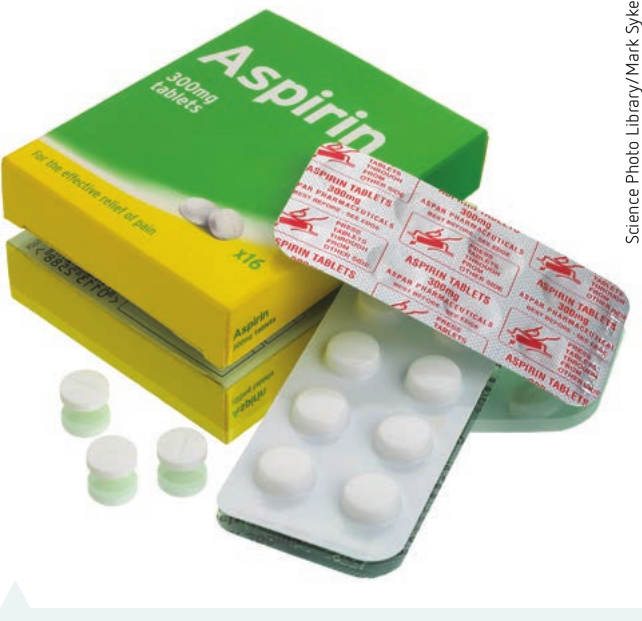
Understanding the structure of organic molecules at the atomic level is crucial for several reasons. It allows chemists to predict how molecules will react, to isolate new compounds from natural sources, and to synthesise new substances with specific properties. This knowledge has revolutionised the development of pharmaceuticals, materials, and countless other applications of organic chemistry.
Note
To identify organic compounds, chemists use a systematic approach based on detecting specific structural features called functional groups. A functional group is a characteristic arrangement of atoms that gives an organic compound its distinctive chemical properties. By conducting targeted chemical tests, you can determine which functional groups are present and therefore identify the class of compound you are working with.
Key organic compound classes
Organic compounds are classified into different groups based on their functional groups. This note focuses on three important classes that you need to be able to identify through chemical testing:
| Class | Suffix | Functional Group | Example | Structure |
|---|---|---|---|---|
| Alkene | -ene | Carbon-carbon double bond () | Ethene | |
| Alcohol | -ol | Hydroxyl group () | Ethanol | |
| Carboxylic acid | -oic acid | Carboxyl group () | Ethanoic acid |
Alkenes are hydrocarbons containing at least one carbon-carbon double bond. This double bond makes alkenes more reactive than alkanes (which have only single bonds). The general formula for alkenes is .
Alcohols are organic compounds containing one or more hydroxyl groups () attached to a carbon atom. The hydroxyl group is polar, making alcohols more soluble in water than hydrocarbons. Alcohols can be classified as primary, secondary, or tertiary depending on how many carbon atoms are attached to the carbon bearing the hydroxyl group.
Carboxylic acids contain the carboxyl functional group (), which consists of a carbonyl group () and a hydroxyl group on the same carbon atom. This functional group is acidic, releasing ions in solution.
Chemical tests for identifying functional groups
The chemical properties of different organic compound classes can be exploited to distinguish between them. The following sections describe the key tests used to identify carboxylic acids, alkenes, and alcohols. These tests are based on the characteristic reactions of each functional group.
Note
When identifying an unknown organic compound, it is best to start with the most distinctive tests and work systematically through the possibilities. The test results will narrow down the options until you can confidently identify the compound class.
Tests for carboxylic acids
Carboxylic acids are the most easily identified of the three classes because they exhibit clear acidic properties. Two main tests confirm the presence of a carboxylic acid:
Litmus test
The simplest initial test is to use blue litmus paper. Carboxylic acids will turn blue litmus paper red, indicating that the solution is acidic. This occurs because the carboxyl group donates a proton () to form the carboxylate ion:
However, this test alone is not conclusive, as other acids would also turn litmus red. You need a confirmatory test to specifically identify carboxylic acids.
Sodium carbonate test
The definitive test for carboxylic acids involves adding sodium carbonate solution () to the sample. If a carboxylic acid is present, you will observe the formation of colourless gas bubbles. This gas is carbon dioxide (), which can be confirmed by the limewater test—limewater turns cloudy in the presence of .
The reaction between a carboxylic acid and sodium carbonate is:
Example
Worked Example: Ethanoic Acid with Sodium Carbonate
When ethanoic acid reacts with sodium carbonate solution:
Observation: Colourless gas bubbles form rapidly. When this gas is bubbled through limewater, the limewater turns cloudy, confirming the presence of carbon dioxide.
Conclusion: The sample contains a carboxylic acid.
The production of bubbles is a reliable indicator that distinguishes carboxylic acids from other acidic substances.
Tests for alkenes
Alkenes are characterised by their carbon-carbon double bond, which is a region of high electron density. This makes alkenes more reactive than alkanes and allows them to undergo addition reactions readily.
Bromine water test
The key test for alkenes involves adding bromine water (or bromine dissolved in an organic solvent) to the sample. Bromine water has a distinctive brown colour. When an alkene is present, the bromine undergoes an addition reaction across the double bond, and the solution loses its colour—it becomes decolourised.
The general reaction is:
Example
Worked Example: Ethene with Bromine Water
When ethene is added to bromine water:
Observation: The brown colour of the bromine water rapidly disappears, and the solution becomes colourless.
Conclusion: The rapid decolourisation at room temperature confirms the presence of a carbon-carbon double bond, indicating an alkene.
This decolourisation occurs rapidly at room temperature and requires no UV light (unlike the substitution reaction between bromine and alkanes, which requires UV light). If the brown colour of bromine disappears quickly when added to your sample, it indicates the presence of a carbon-carbon double bond.
Important
Distinguishing Alkenes from Alkanes
Remember that alkanes do not decolourise bromine water at room temperature in the absence of UV light. This key difference helps distinguish alkenes from alkanes. The alkene's carbon-carbon double bond allows an addition reaction that alkanes cannot undergo.
Tests for alcohols
Alcohols can be identified through several different chemical tests. Because multiple tests are available, it is often useful to use more than one to confirm the presence of an alcohol.
Sodium metal test
The most definitive test for alcohols involves adding a small piece of sodium metal to the sample. This is a teacher demonstration only due to the reactivity of sodium.
Important
Critical Safety Consideration
Before conducting this test, any water in the sample must be removed by adding granules of a dehydrating agent such as calcium chloride (). This is crucial because sodium reacts vigorously with water, and you need to distinguish the reaction with alcohol from the reaction with water. Only use a very small piece of sodium—about the size of a rice grain.
When sodium is added to an alcohol, colourless gas bubbles form. This gas is hydrogen (), which can be confirmed using the "pop test"—the gas burns with a popping sound when ignited.
The general reaction is:
Example
Worked Example: Ethanol with Sodium Metal
When sodium metal is added to dry ethanol:
Observation: The sodium fizzes vigorously, producing colourless gas bubbles. The gas produces a "pop" sound when ignited with a lighted splint, confirming it is hydrogen.
Product: The reaction produces an alkoxide ion (), which is the conjugate base of ethanol.
The product is an alkoxide ion (), which is the conjugate base of the alcohol. The alkoxide is a strong base and readily reacts with water to regenerate the alcohol:
Note
Avoiding Confusion with Carboxylic Acids
Carboxylic acids also react with sodium in a similar way, producing hydrogen gas. However, carboxylic acids will have already been identified by the earlier acid tests (litmus and sodium carbonate), so this should not cause confusion in a systematic identification process.
The rate at which hydrogen gas is produced can also provide additional information about the type of alcohol present:
- Primary alcohols react fastest
- Secondary alcohols react at a moderate rate
- Tertiary alcohols react most slowly
This difference in reactivity is due to the increasing steric hindrance around the hydroxyl group as more carbon atoms are attached to the carbon bearing the group.
Bromine water test (negative result)
Unlike alkenes, alcohols do not decolourise bromine water at room temperature. This negative result helps distinguish alcohols from alkenes. If a sample does not react with bromine water but does produce hydrogen with sodium metal, it is likely to be an alcohol.
Esterification test
Alcohols can be identified through their ability to form esters when reacted with carboxylic acids. Add a small amount of glacial acetic acid (concentrated ethanoic acid) and drops of concentrated sulfuric acid to the alcohol sample. Warm the mixture in a water bath for approximately 10 minutes, then pour the mixture into cold water.
If an alcohol is present, an ester will form. Esters have characteristic fruity or sweet smells, so you will detect a pleasant, fruity odour. This smell is distinctive and easily recognised.
Example
Worked Example: Esterification of Ethanol
When ethanol reacts with ethanoic acid in the presence of concentrated sulfuric acid:
Observation: After warming and pouring into cold water, a distinctive fruity smell (similar to pear drops) is detected from the ester layer.
Product: Ethyl ethanoate, an ester with a pleasant fruity aroma.
Role of sulfuric acid: The concentrated sulfuric acid acts as a catalyst for this reaction.
Note
Limitation with Tertiary Alcohols
Tertiary alcohols produce only small amounts of ester, so the fruity smell may be difficult to detect. This test is most reliable for primary and secondary alcohols.
Acidified potassium permanganate test
Add drops of acidified potassium permanganate () solution to the sample. Acidified permanganate has a characteristic pink-purple colour.
If a primary or secondary alcohol is present, the permanganate will be reduced and the pink colour will disappear—the solution becomes decolourised. This occurs because primary and secondary alcohols can be oxidised by permanganate.
Primary alcohols are oxidised first to aldehydes and then to carboxylic acids:
Secondary alcohols are oxidised to ketones:
However, tertiary alcohols do not react with permanganate because they cannot be easily oxidised. The pink colour remains unchanged if a tertiary alcohol is present.
Important
Distinguishing from Alkenes
Alkenes also decolourise acidified permanganate, but alkenes will have already been identified by the bromine water test. If a compound decolourises both bromine water and acidified permanganate, it is an alkene. If it decolourises only acidified permanganate (not bromine water) and produces hydrogen with sodium, it is a primary or secondary alcohol.
Practical application: identifying unknown compounds
By systematically applying these tests, you can identify unknown organic compounds. Here is an example showing how to use test results:
Example
Worked Example: Identifying Four Unknown Compounds
Consider the table above showing test results for four unknown bottles:
Bottle A Analysis:
- Soluble in water ✓
- Not flammable ✗
- Does not decolourise bromine ✗
- Conclusion: Water (not an organic compound, but included for comparison)
Bottle B Analysis:
- Not soluble in water ✗
- Flammable ✓
- Decolourises bromine ✓
- Conclusion: Alkene (1-hexene)
- The decolourisation of bromine is the key identifying feature, indicating the presence of a carbon-carbon double bond.
Bottle C Analysis:
- Not soluble in water ✗
- Flammable ✓
- Does not decolourise bromine ✗
- Conclusion: Alkane (pentane)
- It has no functional group to react with bromine, distinguishing it from alkenes.
Bottle D Analysis:
- Soluble in water ✓
- Flammable ✓
- Does not decolourise bromine ✗
- Conclusion: Alcohol (ethanol)
- The solubility in water is due to hydrogen bonding from the group, and the lack of reaction with bromine distinguishes it from alkenes.
This example demonstrates how a series of simple tests can definitively identify the class of organic compound in each sample.
Summary of key differences
To successfully identify organic compounds, remember these key distinguishing features:
Carboxylic acids are the only compounds that:
- Turn blue litmus red
- Produce bubbles with sodium carbonate
Alkenes are the only compounds that:
- Decolourise bromine water rapidly at room temperature without UV light
Alcohols are compounds that:
- Produce gas with sodium metal
- Do NOT decolourise bromine water
- Can form esters with fruity smells
- Decolourise acidified permanganate (primary and secondary only)
By applying these tests systematically and carefully observing the results, you can confidently identify whether an unknown organic compound is a carboxylic acid, an alkene, or an alcohol.
Summary
Key Points to Remember:
-
Functional groups are characteristic arrangements of atoms that determine the chemical properties of organic compounds.
-
Three key tests can distinguish between carboxylic acids, alkenes, and alcohols: sodium carbonate (for acids), bromine water (for alkenes), and sodium metal (for alcohols).
-
Carboxylic acids are identified by turning blue litmus red and producing bubbles with sodium carbonate.
-
Alkenes decolourise bromine water due to addition reactions across the double bond.
-
Alcohols produce gas with sodium metal and form esters with fruity smells. Primary and secondary alcohols can be oxidised by acidified permanganate.
-
Always work systematically through tests, starting with the most distinctive ones, and ensure proper safety precautions (especially when using sodium metal).