Immunotherapy (VCE SSCE Biology): Revision Notes
📚Revision Notes
Immunotherapy
What is immunotherapy?
Immunotherapy is a form of medical treatment that modulates the functioning of the immune system in order to treat disease. Sometimes, our immune system needs assistance to work effectively, similar to how you might need coffee to help you concentrate during an early morning exam. Immunotherapy provides that assistance by either boosting or suppressing immune responses.
There are two main categories of immunotherapy:
- Activation immunotherapies - these aim to increase or enhance an immune response
- Suppression immunotherapies - these aim to reduce or prevent an immune response
Note
Immunotherapy is particularly useful for treating diseases related to the immune system. It represents a relatively new approach to managing disease, and many immunotherapy treatments are still being researched and tested in experimental phases.
Examples of immunotherapy treatments
Several types of immunotherapy treatments exist, each working in different ways to modify immune system function:
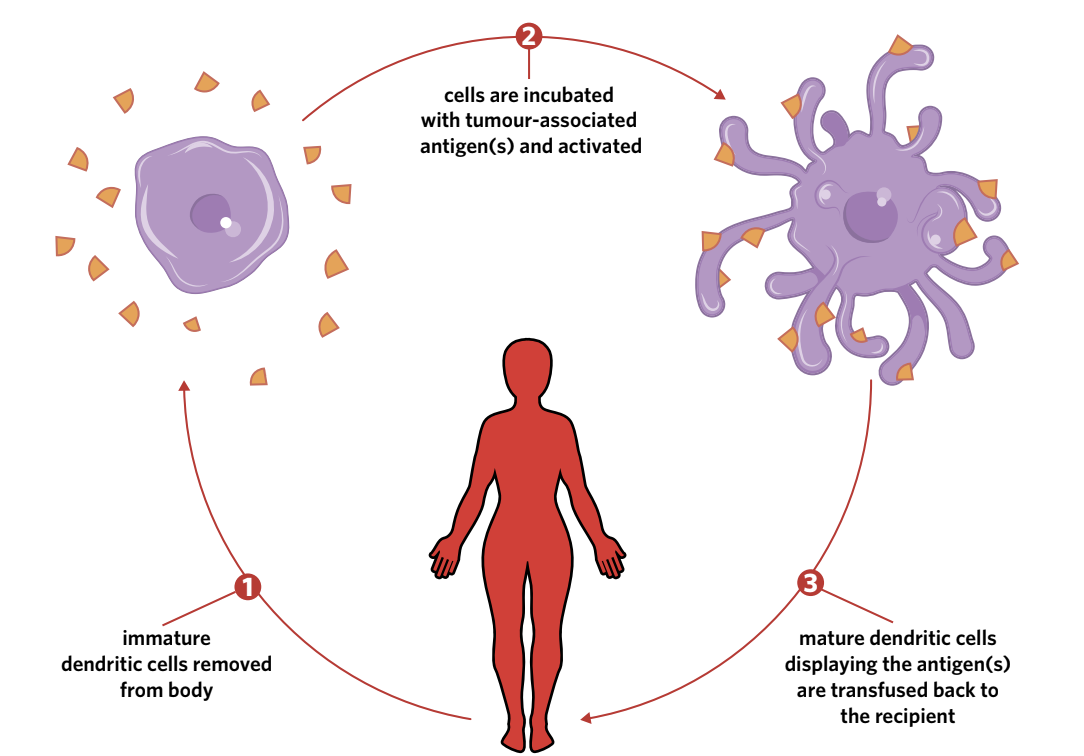
Dendritic cell therapy involves priming dendritic cells with tumour-associated antigens (TAAs). This process activates lymphocytes and prepares them to destroy any cells displaying the tumour antigen. The priming can happen through vaccination with TAAs, or by removing dendritic cells from the patient's body, treating them with TAAs in a laboratory, and then returning them to the patient.
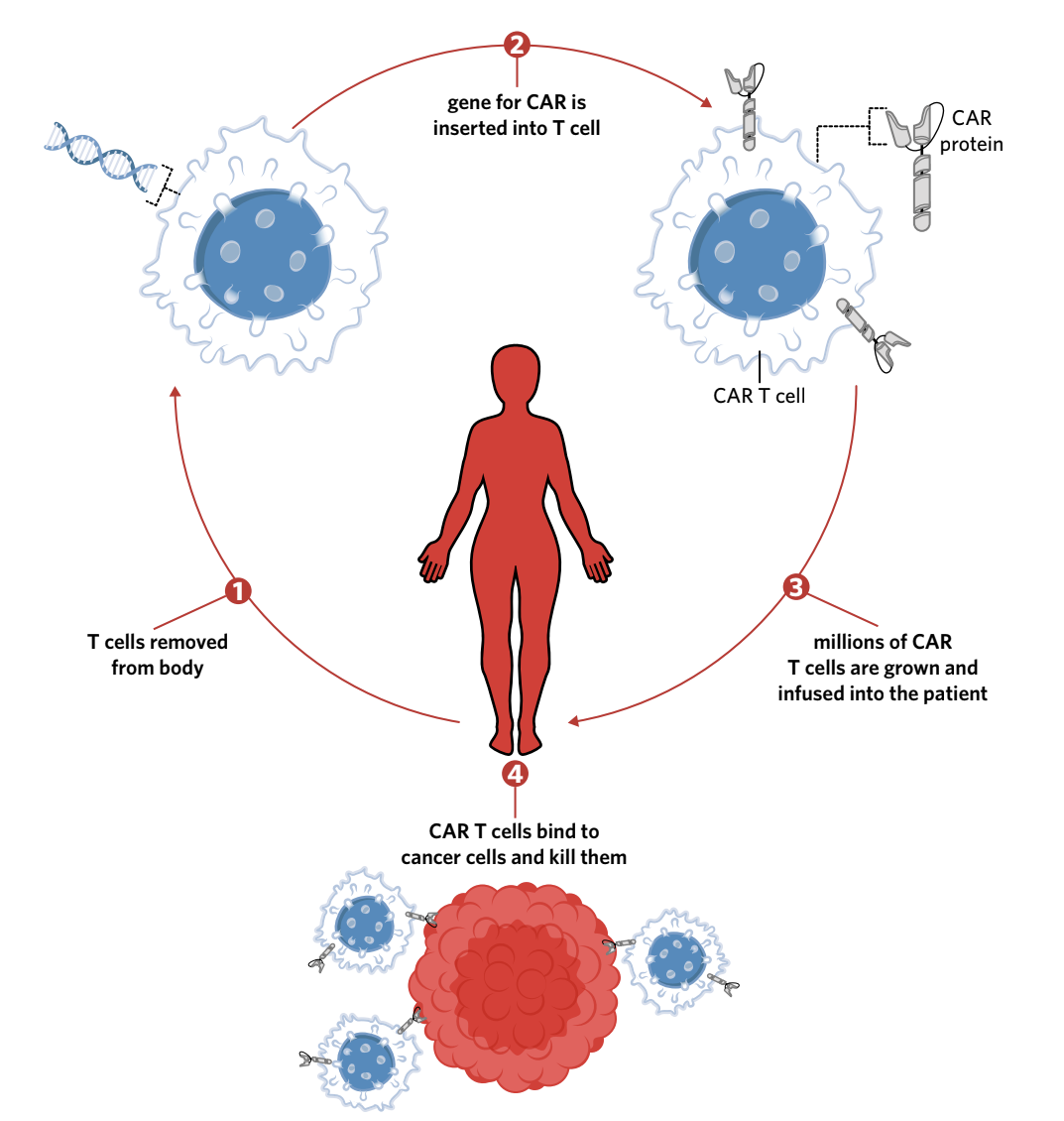
CAR-T therapy modifies T cells to recognise and eliminate cancer cells. Scientists extract T cells from the patient and insert a gene that codes for a special antigen receptor. This creates cells with chimeric antigen receptors (CAR) that can identify and destroy cancer cells when reintroduced into the patient.
Antibody therapy uses antibodies to stimulate and improve immune system functioning, particularly in cancer treatment. The antibodies used are typically monoclonal antibodies, which we'll explore in detail below.
Cytokine therapy employs immune signalling molecules such as interferons and interleukins to adjust how the immune system responds.
Note
Key term: Chimeric refers to an organism or cell containing genetic material from another organism or cell.
Monoclonal antibodies
What are monoclonal antibodies?
Monoclonal antibodies (mAbs) are identical laboratory-made antibodies produced by plasma cell clones. These specialised proteins bind to a specific antigen, making them highly targeted therapeutic tools.
Because monoclonal antibodies are specific to one antigen, they can target particular types or parts of cells for various therapeutic purposes. For instance, they can trigger the destruction of cancerous cells or self-recognising cells in autoimmune diseases. However, monoclonal antibodies can also treat diseases without modulating the immune system, demonstrating their versatility as medical tools.
Important
The key feature of monoclonal antibodies is their specificity to one antigen, which makes them incredibly precise therapeutic tools compared to treatments that affect the entire immune system.
How are monoclonal antibodies produced?
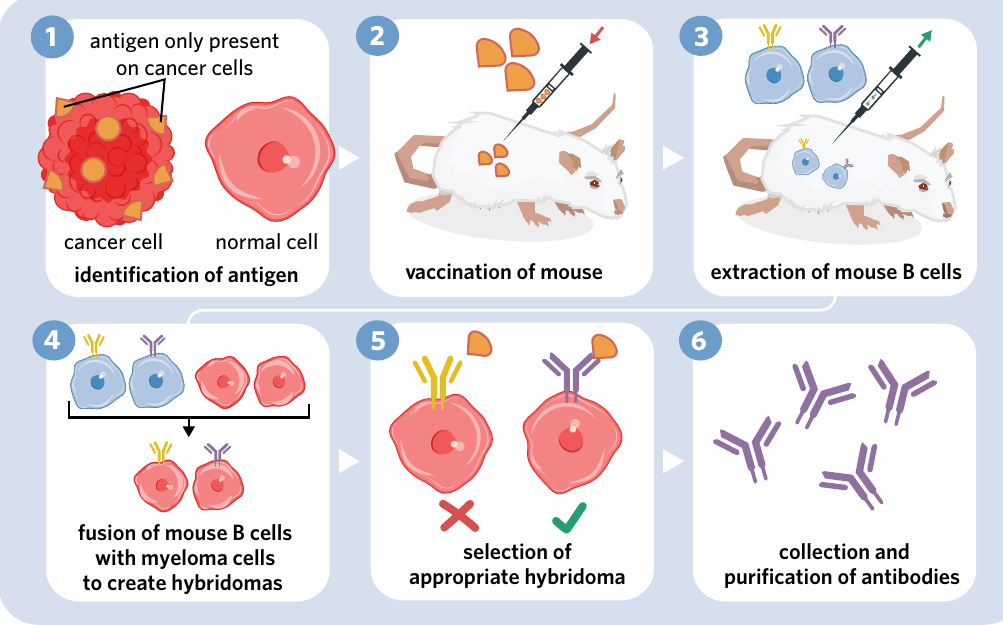
Scientists can produce monoclonal antibodies through various laboratory methods. For your studies, you need to understand the traditional process, which follows these steps:
Example
Worked Example: Monoclonal Antibody Production Process
Step 1: Antigen identification Scientists identify and isolate an antigen present on the target cell they want to treat, such as a cancer cell.
Step 2: Animal vaccination Scientists vaccinate an animal (usually mice) with the antigen. This vaccination triggers an immune response and causes the selection and multiplication of B lymphocytes that match the antigen.
Step 3: B lymphocyte extraction Scientists extract these B lymphocytes from the mouse's spleen.
Step 4: Cell fusion The extracted B lymphocytes are fused with rapidly-dividing cancerous human plasma cells called myeloma cells. The resulting cells are called hybridomas. Myeloma cells are chosen because B lymphocytes don't grow well in laboratory conditions, whereas myeloma cells can grow indefinitely and produce large quantities of antibodies.
Step 5: Selection Scientists screen the hybridomas to select only cells producing the desired antibody. These selected hybridomas are then cloned, resulting in mass production of the specific antibodies.
Step 6: Collection and purification Finally, the antibodies are collected and purified before being given to patients.
Note
Key terms:
- B lymphocyte - a type of lymphocyte that plays an important role in humoral immunity and differentiates into plasma cells and B memory cells
- Myeloma cells - rapidly-dividing cancerous plasma cells which are fused with extracted B cells from mice to produce hybridomas
- Hybridoma - the product of the fusion between a mouse's extracted plasma cell and a myeloma cell
Monoclonal antibodies and cancer
Understanding cancer
Cancer is a disease caused by the uncontrolled replication of cells with the ability to migrate to other parts of the body. This complex group of diseases develops through the accumulation of mutations in cancer cell DNA. These mutations allow cancer cells to bypass normal cell cycle checkpoints and gain survival advantages.
Normally, the immune system recognises cells with mutations and destroys them before they can replicate. However, cancerous cells can sometimes evade the immune system or develop mutations that suppress the immune response against them. Cancer development, therefore, partly results from the immune system failing to destroy abnormal cells. This is where immunotherapy becomes valuable.
Important
A critical concept to understand: Cancer development partly results from the immune system failing to destroy abnormal cells. This is why immunotherapy, which enhances the immune system's ability to recognise and destroy cancer cells, can be an effective treatment approach.
How monoclonal antibodies treat cancer
Monoclonal antibodies function as activation immunotherapies, helping the immune system recognise and destroy cancerous cells. There are two main types used in cancer immunotherapy:
Naked monoclonal antibodies are antibodies without any additional molecules attached to them. They work through three main mechanisms:
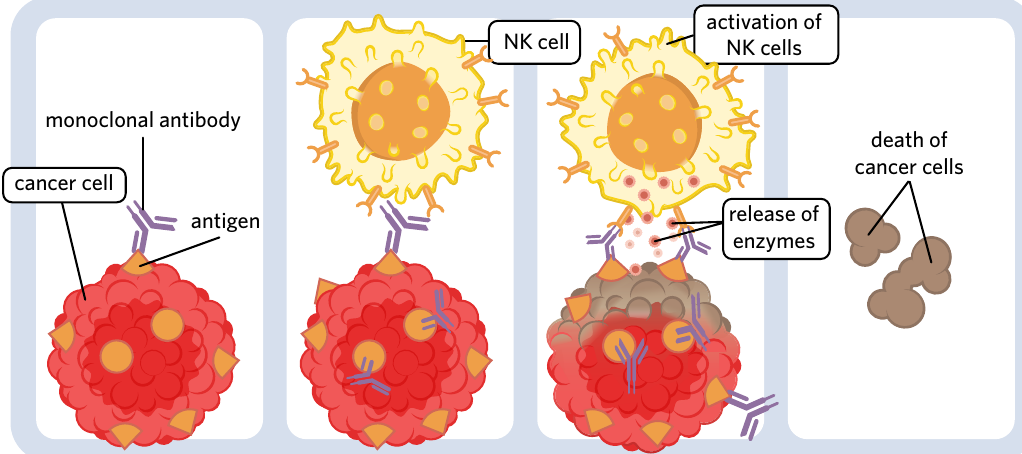
Antibody-dependent cell-mediated cytotoxicity (ADCC)
Monoclonal antibodies attach to cancer cells and interact with immune system cells, particularly natural killer (NK) cells. This causes NK cells to recognise the antibody-coated cancer cell as foreign and destroy it.
Note
In ADCC, the monoclonal antibody acts as a "flag" that marks cancer cells for destruction by the immune system. Think of it like putting a target on the cancer cell that makes it visible to immune cells.
Complement activation
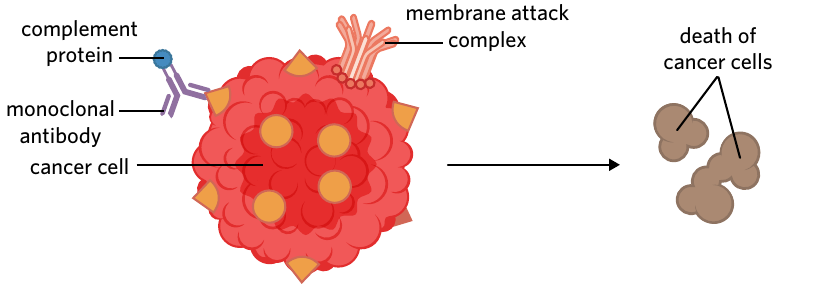
Monoclonal antibodies bind to cancer cells and interact with complement proteins. These complement proteins can then destroy the cancerous cell either by forming a membrane attack complex (MAC) or by enhancing other immune cell functions.
Note
Key terms:
- Complement proteins - various types of proteins found in the blood that opsonise pathogens, cause lysis, and attract phagocytes to invading pathogens
- Membrane attack complex (MAC) - a pore formed by complement proteins in a pathogen's cell membrane, disrupting the membrane and leading to the pathogen's destruction
Checkpoint inhibition
Immune checkpoints are regulatory mechanisms in the immune system that, when activated, suppress immune responses. While suppressing the immune system is sometimes necessary for normal body function, some cancer cells release molecules that stimulate immune checkpoints, reducing the immune system's ability to recognise and destroy them. Monoclonal antibodies can block these immune checkpoints, allowing the immune system to function at greater capacity and destroy cancer cells more effectively.
Other uses of monoclonal antibodies in cancer treatment
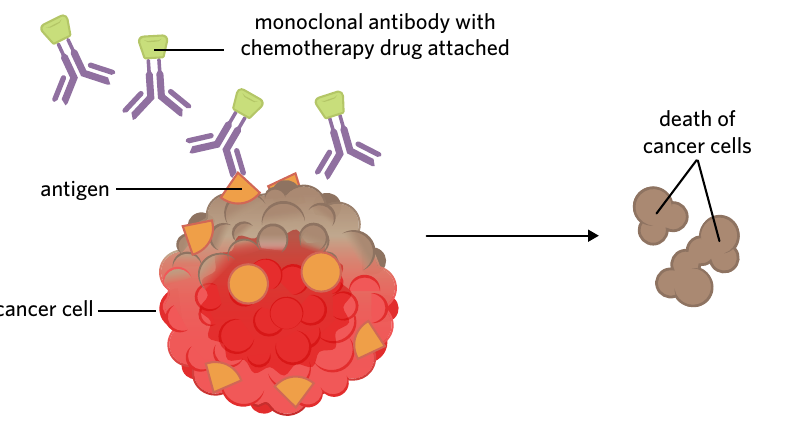
Conjugated monoclonal antibodies have other molecules attached to them, such as chemotherapy drugs or radioactive isotopes. These molecules are toxic to cancer cells. Because of their specificity for cancer cell antigens, conjugated monoclonal antibodies can deliver these toxic molecules directly to cancer cells, killing them whilst minimising damage to healthy cells.
Monoclonal antibodies can also treat cancer through non-immunotherapy methods:
- Blocking cell growth by preventing connections between cancer cells and proteins that promote cell growth
- Triggering cell membrane destruction or apoptosis (controlled cell death)
Note
Key term: Apoptosis is the controlled death of cells in the body, also known as programmed cell death.
Comparing immunotherapy with traditional cancer treatments
Traditional cancer therapies such as chemotherapy and radiotherapy work by directly targeting and killing rapidly dividing cells, rather than stimulating the immune system. Cancer cells divide quickly and are therefore killed by these therapies. However, a major problem is that many other body cells also divide quickly, including hair follicles and cells lining the mouth and gut. These healthy cells are also killed by traditional treatments, causing side effects such as hair loss, nausea, and vomiting.
Important
Common side effects of traditional cancer treatments:
Traditional therapies like chemotherapy and radiotherapy cannot distinguish between rapidly dividing cancer cells and rapidly dividing healthy cells (such as hair follicles and gut lining cells). This lack of specificity causes significant side effects including hair loss, nausea, and vomiting.
Antibody-based immunotherapies, by comparison, tend to be more specific and targeted. Because monoclonal antibodies have variable regions that bind specifically with cancer antigens, there's a lower chance of other body cells being affected by treatment and experiencing side effects. Unlike traditional cancer treatments that directly kill cancer cells, monoclonal antibodies can function as activation immunotherapy, stimulating the immune system to recognise and destroy cancer cells.
However, immunotherapy can still cause various side effects and is currently only available as treatment for specific types of cancer. Additionally, it's typically used alongside traditional cancer treatments such as chemotherapy and radiotherapy rather than as a replacement.
Monoclonal antibodies and autoimmune diseases
Understanding autoimmune diseases
Cells in the body express major histocompatibility complex (MHC) proteins that mark them as 'self'. When a person's immune system functions normally, their lymphocytes recognise these markers and don't attack cells expressing them. Sometimes, however, lymphocytes fail to recognise these self-markers and induce an immune response against self-cells. When this occurs, it results in an autoimmune disease.
Over 80 types of autoimmune diseases are known, and nearly every part of the body can be affected by them. Examples include rheumatoid arthritis, type 1 diabetes, and coeliac disease. Autoimmune disease symptoms are caused by both B and T cells responding to self-tissues as if they were foreign. B cells release autoantibodies, and T cells become autoreactive.
Note
Key terms:
- Autoimmune disease - a disease in which an individual's immune system initiates an immune response against their own cells
- Autoantibodies - antibodies directed against an organism's own tissues
- Autoreactive - a cell that recognises a self-tissue or self-antigen as non-self
How monoclonal antibodies treat autoimmune diseases
Monoclonal antibodies function as suppression immunotherapies, dampening the immune system and reducing its ability to attack self-cells, leading to immunosuppression. They can reduce the immune response in several ways:
Cytokine inhibition
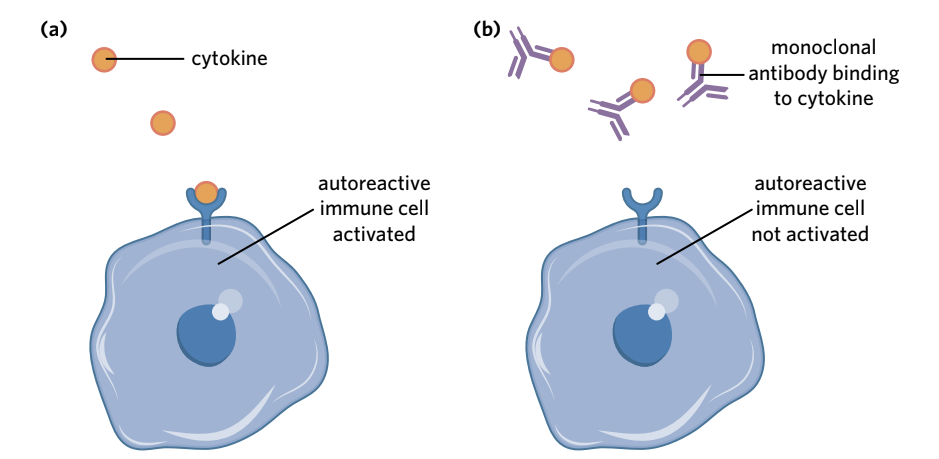
Cytokines are messenger molecules used by the immune system to coordinate responses. Monoclonal antibodies that bind to and inhibit cytokines can reduce the immune response by preventing these signalling molecules from activating autoreactive immune cells.
Note
Think of cytokines as the "communication system" of the immune system. By blocking these messenger molecules, monoclonal antibodies can prevent autoreactive immune cells from receiving the signals that would activate them to attack self-cells.
B cell and T cell depletion and inhibition
Monoclonal antibodies that bind to autoreactive B and T cells can either inhibit these cells or stimulate other immune cells to destroy them, reducing the autoimmune response.
Note
Key terms:
- Immunosuppression - a reduction in the ability of the immune system to generate an immune response
- Immune deficiency - a state in which the immune system is no longer able to protect the body against infection or disease (also known as immunodeficiency)
Comparing immunotherapy with traditional autoimmune disease treatments
Most autoimmune diseases have no cure at present. Instead, doctors focus on reducing the symptoms experienced by patients. Traditional treatments for autoimmune diseases have involved suppressing a patient's entire immune system using immunosuppressant medications such as non-steroidal anti-inflammatory drugs (NSAIDs) or corticosteroids. This broad immunosuppression makes patients immunodeficient and more susceptible to developing infections and cancer.
Important
Major drawback of traditional treatments:
Traditional immunosuppressant medications suppress the patient's entire immune system, not just the autoreactive cells. This makes patients immunodeficient and more vulnerable to infections and cancer.
Whilst immunotherapy for treating autoimmune conditions is a relatively new approach, it offers significant potential benefits. Immunosuppression through immunotherapy would be far more specific, suppressing only autoreactive cells and leaving the rest of the immune system to function normally. Currently, a few immunotherapy options are available for people with autoimmune diseases, but most are still used alongside more traditional treatments.
Summary
Key Points to Remember:
-
Immunotherapy is medical treatment that modulates immune system functioning to treat disease, either by activation (enhancing responses) or suppression (reducing responses).
-
Monoclonal antibodies are identical laboratory-made antibodies that bind to specific antigens, making them highly targeted therapeutic tools.
-
Monoclonal antibodies are produced by fusing mouse B lymphocytes with myeloma cells to create hybridomas that produce large quantities of specific antibodies.
-
In cancer treatment, monoclonal antibodies act as activation immunotherapies through mechanisms including ADCC, complement activation, and checkpoint inhibition, offering more targeted treatment than traditional chemotherapy and radiotherapy.
-
In autoimmune disease treatment, monoclonal antibodies act as suppression immunotherapies by inhibiting cytokines or depleting autoreactive B and T cells, providing more specific immunosuppression than traditional broad-spectrum immunosuppressant drugs.