Covalent Lattices (VCE SSCE Chemistry): Revision Notes
📚Revision Notes
Covalent Lattices
In previous studies of covalent bonding, you learned about substances made up of discrete molecules. However, covalent bonding can also create continuous three-dimensional structures called covalent lattices. Instead of forming individual molecules, non-metal atoms bond together to form extended networks that continue throughout the entire substance. This section focuses on two important examples of covalent lattices: diamond and graphite, both of which are forms of carbon.
Note
Unlike molecular substances where individual molecules are held together by intermolecular forces, covalent lattices are continuous networks where all atoms are connected by strong covalent bonds. This fundamental difference in structure leads to dramatically different properties.
What are allotropes?
Allotropes are different structural forms of the same element. In allotropes, atoms of the same element are bonded together in different ways, creating substances with distinctly different properties.
A familiar example involves oxygen. Oxygen gas () consists of molecules with two oxygen atoms bonded together. Ozone () is another form of oxygen, where three oxygen atoms bond together in a bent shape. Both contain only oxygen atoms, so they are allotropes of oxygen.
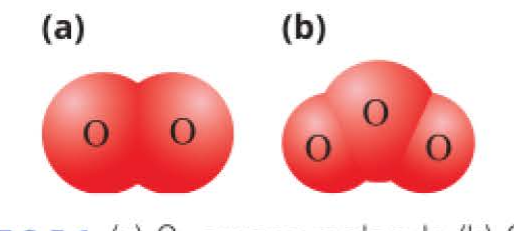
Diamond and graphite are both allotropes of carbon. Despite being made of exactly the same element, their different structures give them completely different properties.
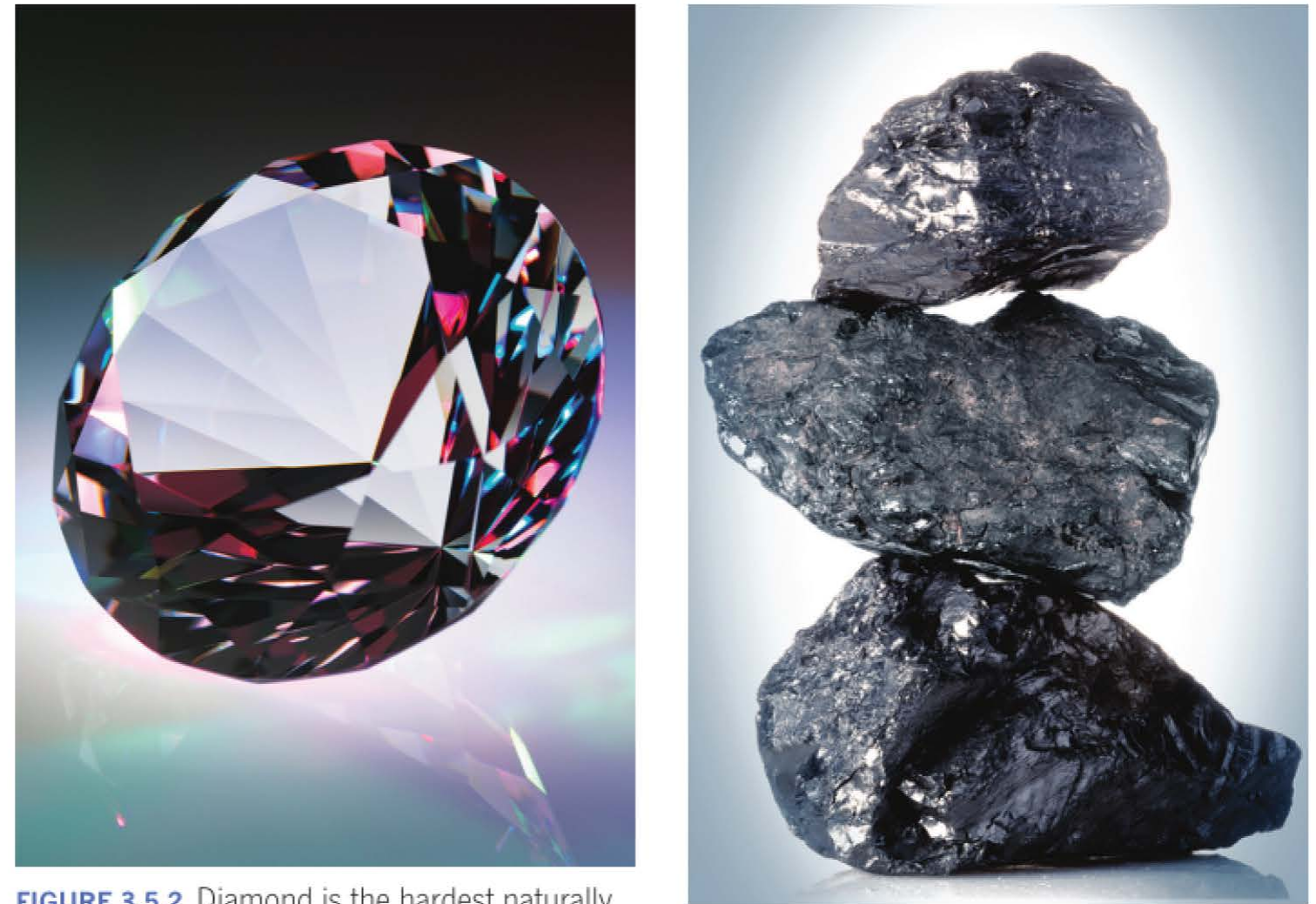
Allotropes of carbon
Carbon exists in three main allotropic forms: diamond, graphite, and amorphous carbon. Each has a unique structure that determines its properties and uses. Understanding these differences helps explain why diamond is extremely hard whilst graphite is soft and slippery, even though both are pure carbon.
Diamond structure and properties
Covalent network lattice structure
Diamond has a covalent network lattice structure. Unlike molecular substances, diamond does not contain separate, individual molecules. Instead, each carbon atom forms strong covalent bonds with four neighbouring carbon atoms, creating a continuous three-dimensional network that extends throughout the entire crystal.
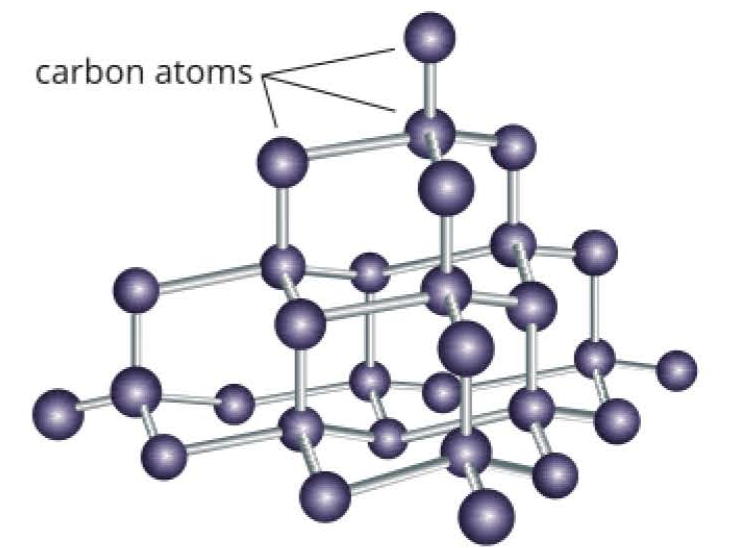
The four bonds around each carbon atom are arranged in a tetrahedral shape, with bond angles of approximately . This arrangement positions the bonding electron pairs as far apart as possible, minimising repulsion between them.
Important
In diamond's structure, there are no weak intermolecular forces—only strong covalent bonds throughout the entire crystal. This is why diamond has such exceptional properties compared to molecular substances.
Properties arising from structure
Diamond's unique properties are directly related to its covalent network lattice structure:
Exceptional hardness: Diamond is the hardest naturally occurring substance. The entire structure consists of a continuous network of strong covalent bonds. This makes diamond extremely rigid and resistant to deformation. There are no weak intermolecular forces, only strong covalent bonds throughout.
Very high sublimation point: Diamond sublimes (transforms directly from solid to gas) at approximately . Breaking apart the diamond structure requires breaking many strong covalent bonds simultaneously, which requires enormous energy.
Non-conductive: Diamond does not conduct electricity because all four valence electrons from each carbon atom are involved in bonding. There are no delocalised electrons or mobile charged particles that could carry electric current.
Brittleness: Although diamond is very hard, it is also brittle. The rigid structure means that diamonds break rather than bend when subjected to sharp impacts.
Excellent heat conductivity: The strong bonding throughout the structure allows diamond to conduct heat very efficiently. Its thermal conductivity is five times greater than copper, making it useful in specialised electronic applications where heat needs to be transferred away from sensitive components.
Uses of diamond
The exceptional hardness of diamond makes it valuable for both decorative and industrial purposes:
Jewellery: The crystalline appearance and high refractive index of diamonds make them sparkle brilliantly, making them highly prized as gemstones.
Industrial cutting and drilling tools: Many industrial tools are diamond-tipped to take advantage of diamond's hardness. These tools can cut through extremely tough materials like rock and concrete.
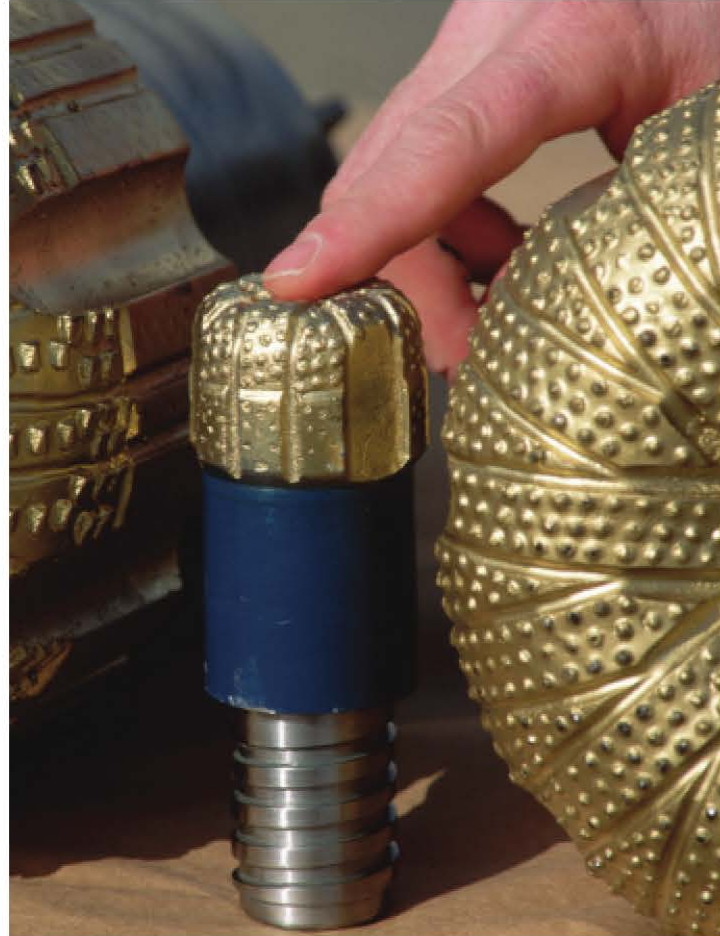
Mining applications: Diamond-tipped drill bits are used in the oil mining industry to drill through hard rock formations deep underground.
Diamond mining and formation
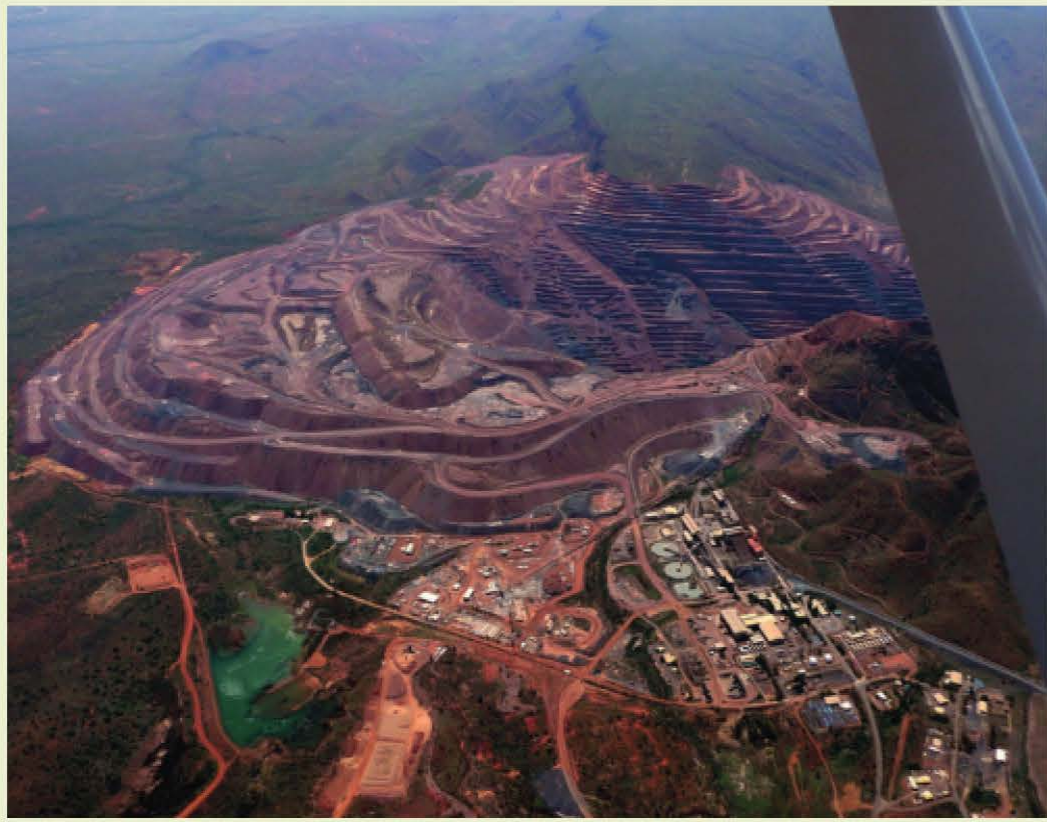
Natural diamonds form deep underground, approximately to km below the Earth's surface. At these depths, extreme temperatures (around ) and pressures cause carbon to crystallise into diamond over billions of years. Volcanic activity eventually brings these diamonds closer to the surface where they can be mined.
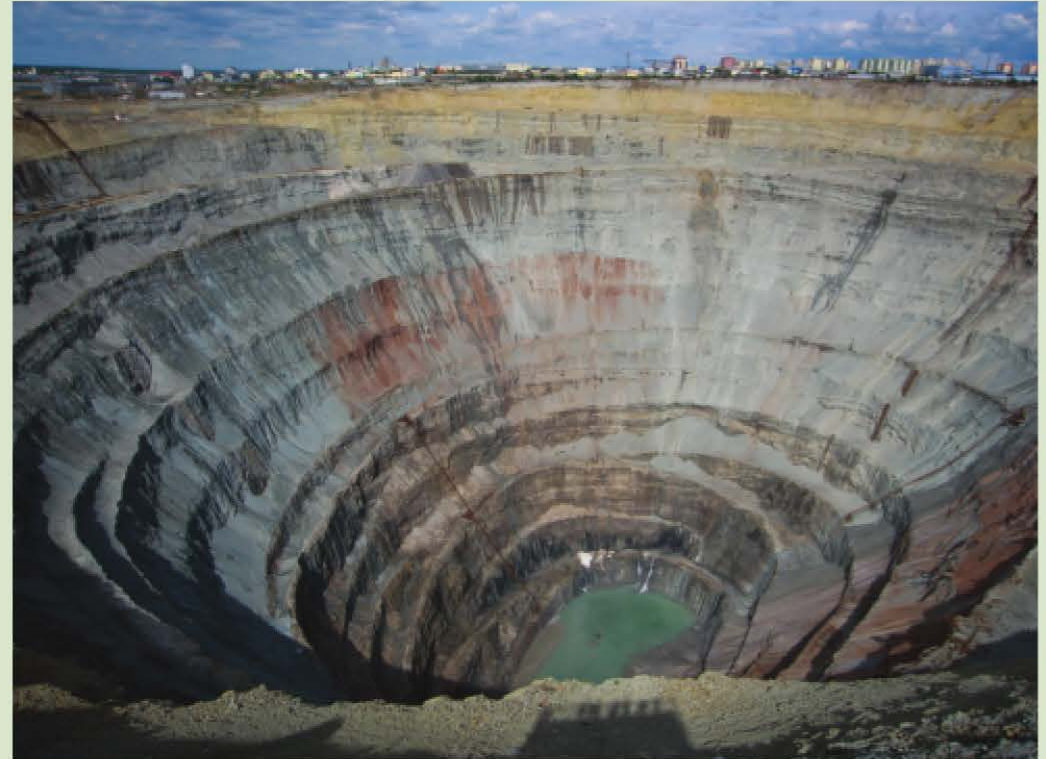
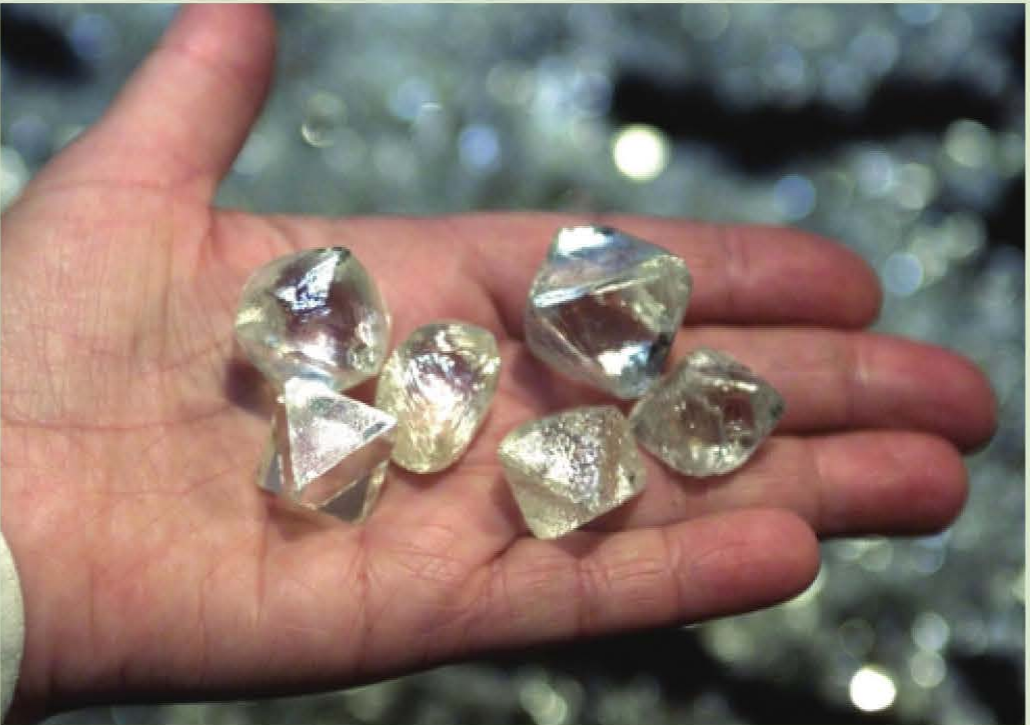
Large-scale diamond mining operations use open-pit mines, where diamonds are extracted from the surrounding rock. These mines can extend hundreds of metres deep into the ground.
Mined versus synthetic diamonds
Modern technology can produce synthetic diamonds in laboratories by recreating the high temperature and pressure conditions found deep underground. This allows diamonds to be grown in weeks rather than billions of years.
Note
Synthetic diamonds are chemically identical to mined diamonds. Both consist of pure carbon with the same covalent network lattice structure. The controlled laboratory conditions produce very pure synthetic diamonds with excellent clarity and few imperfections (which occur when other elements are incorporated into the lattice during formation).
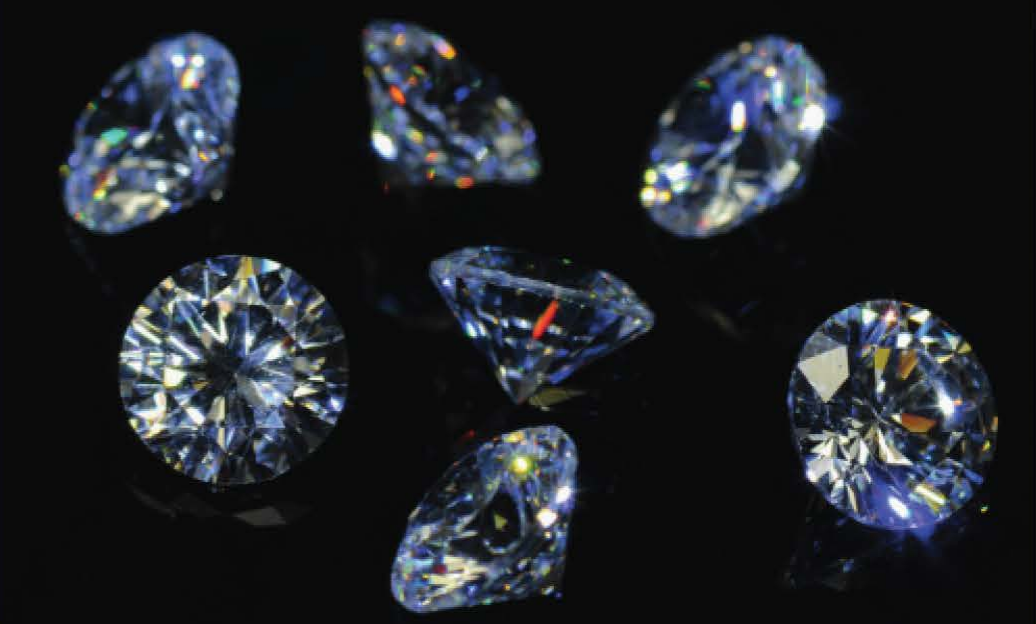
Experts cannot distinguish between mined and synthetic diamonds by visual inspection alone. Complex analytical techniques are needed to differentiate them. One significant difference is cost: synthetic diamonds typically cost about one quarter the price of mined diamonds.
Graphite structure and properties
Covalent layer lattice structure
Graphite has a very different structure from diamond, even though both are pure carbon. In graphite, the carbon atoms are arranged in flat layers, creating what is called a covalent layer lattice.
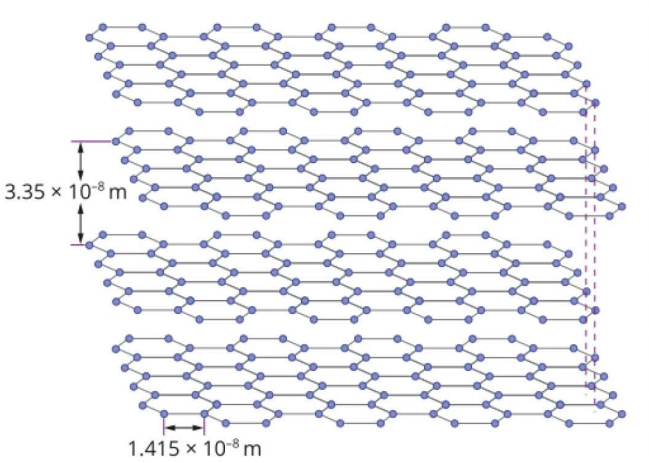
Within each layer, the carbon atoms are arranged in a hexagonal pattern. Each carbon atom forms strong covalent bonds with three neighbouring carbon atoms in the same layer. The bond length between carbon atoms is approximately m.
Between the layers, there are only weak dispersion forces. The distance between layers is approximately m. These weak forces between layers contrast sharply with the strong covalent bonds within layers.
Note
The structure of graphite creates a fascinating contrast: strong covalent bonds within layers give graphite strength in one direction, whilst weak dispersion forces between layers allow the layers to slide over each other, making graphite slippery and soft in the perpendicular direction.
Delocalised electrons
Each carbon atom in graphite has four valence electrons but forms only three covalent bonds. The fourth valence electron from each atom is not involved in bonding. Instead, these electrons are delocalised, meaning they are free to move throughout the layer. This is a crucial structural feature that explains graphite's electrical conductivity.
Important
The delocalised electrons in graphite are the key difference that makes it electrically conductive whilst diamond is not. In diamond, all four valence electrons are involved in bonding, leaving no free electrons to carry current.
Properties arising from structure
The covalent layer lattice structure explains graphite's distinctive properties:
Electrical conductivity: Unlike diamond, graphite conducts electricity. The delocalised electrons can move freely through the layers, carrying electric current. This makes graphite suitable for applications where conductivity is needed but metal is unsuitable, such as battery electrodes.
Slippery and soft: The weak dispersion forces between layers allow the layers to slide over each other easily. This makes graphite feel slippery and soft when rubbed. In contrast, the strong covalent bonds within layers make graphite hard in the direction along the layers.
High sublimation point: Despite being soft and slippery, graphite has an extremely high sublimation point of about . This is because the strong covalent bonds within the layers require enormous energy to break.
Directional properties: Graphite is hard in one direction (along the layers) but soft in another direction (perpendicular to the layers, where layers can slide apart).
Uses of graphite
Graphite's unique properties make it useful in many applications:
Lubricant: The ability of layers to slide over each other makes graphite an excellent dry lubricant for locks and machinery. It reduces friction between moving parts without the mess of oil-based lubricants.
Electrodes: The electrical conductivity of graphite makes it ideal for use as electrodes in batteries and other electrical applications where a non-metallic conductor is needed.
Pencils: When graphite is rubbed against paper, layers slide off and stick to the paper surface, leaving a dark mark. This property has been exploited in pencil manufacture for centuries.
Reinforcing fibres: Graphite can be woven into strong fibres that are used to reinforce plastics and create composite materials. These materials are used in sports equipment like tennis racquets and fishing rods, as well as in racing car components.
Additives: Graphite is added to rubber products to improve their properties.
Amorphous carbon
Amorphous carbon refers to carbon that lacks a consistent, regular structure. Unlike diamond and graphite, which have ordered crystalline arrangements, amorphous carbon contains irregularly packed, tiny crystals of graphite mixed with other non-uniform arrangements.
Forms of amorphous carbon
Several forms of amorphous carbon exist, with somewhat blurred distinctions between them:
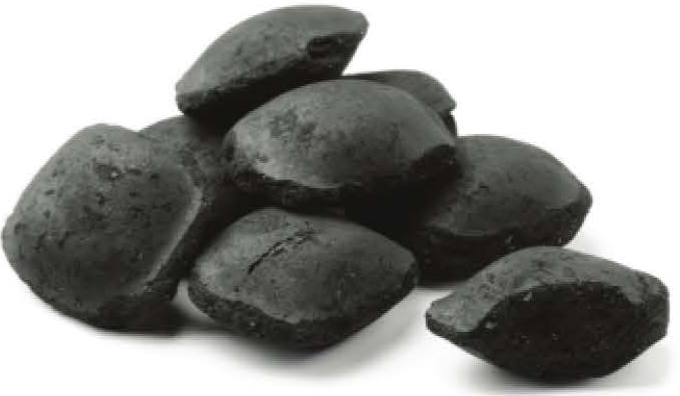
Charcoal: Produced from the incomplete combustion of wood and plant matter when there is limited air supply. Charcoal has been used as a fuel for centuries.
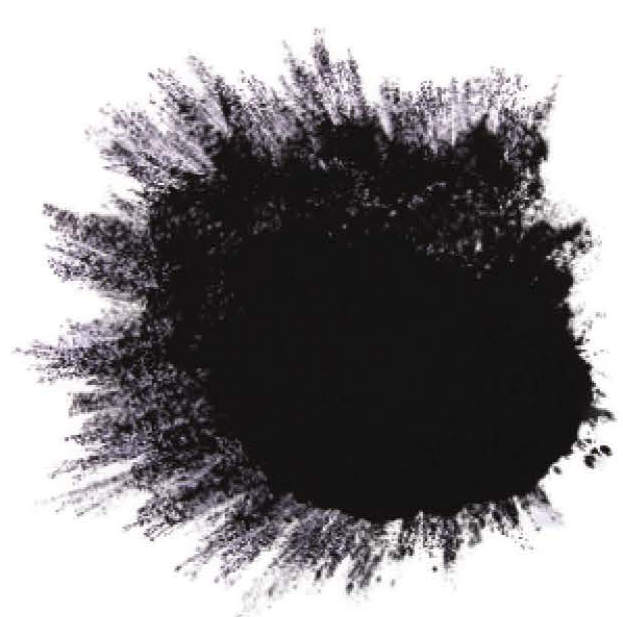
Carbon black: A more refined form of amorphous carbon with more uniform particle size. It appears as a fine black powder.
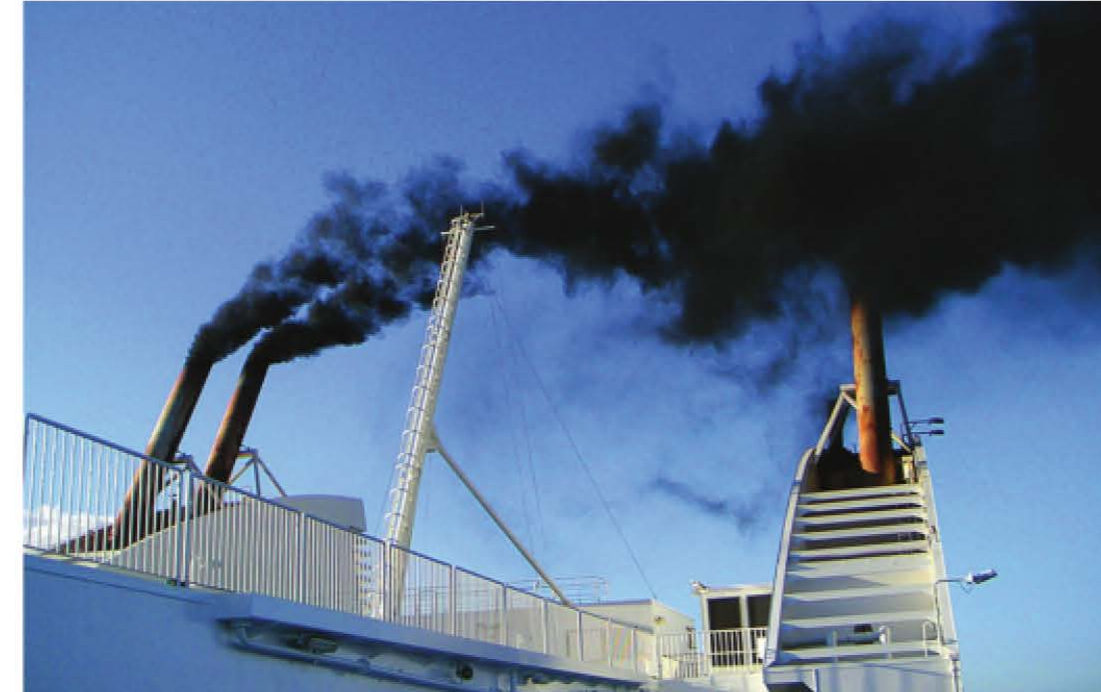
Soot: Produced during incomplete combustion, appearing as black particles in smoke and exhaust.
Formation
Amorphous carbon forms when wood or other plant matter undergoes combustion with a limited supply of air. This prevents complete burning to carbon dioxide and instead produces solid carbon in various irregular forms.
Note
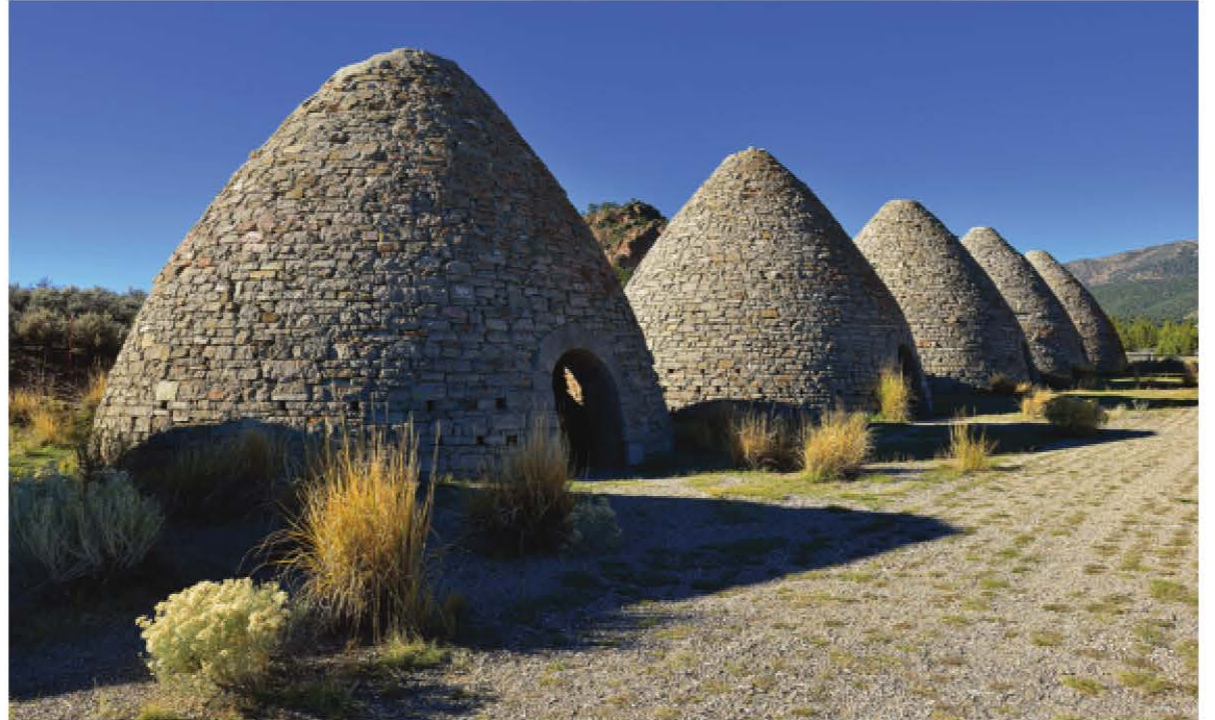
Historically, charcoal was produced in specialised ovens. These structures, sometimes beehive-shaped, were designed to control the amount of air during the burning process, ensuring incomplete combustion that produces charcoal rather than complete combustion to carbon dioxide.
Properties and uses of amorphous carbon
Non-crystalline structure: Unlike diamond and graphite, amorphous carbon lacks a regular, repeating structure.
Electrical conductivity: Despite the irregular structure, amorphous carbon can conduct electricity.
Low cost: Amorphous carbon is generally inexpensive to produce compared to pure diamond or graphite.
Uses of carbon black
Carbon black has important industrial applications:
Rubber reinforcement: Most carbon black is used to reinforce rubber products, particularly tyres and hoses. The fine carbon particles interact with rubber molecules at the surface, increasing strength and toughness. This is why most rubber tyres are black.
Printing and photocopying: Many printer toners and photocopier toners contain carbon black particles mixed with a binding polymer and other additives. The black particles create the dark text and images.
More than million tonnes of carbon black are used worldwide each year, demonstrating its industrial importance.
Comparison of carbon allotropes
The three main allotropes of carbon demonstrate how different atomic arrangements of the same element create vastly different materials:
| Property | Diamond | Graphite | Amorphous carbon |
|---|---|---|---|
| Structure | Covalent network lattice, each carbon bonded to 4 others in tetrahedral arrangement | Covalent layer lattice, each carbon bonded to 3 others, delocalised electrons | Irregular structure with many different non-continuous packing arrangements |
| Hardness | Very hard | Soft and slippery (between layers) | Varies |
| Electrical conductivity | Non-conductive | Conductive | Conductive |
| Sublimation point | ~ | ~ | Varies |
| Other properties | Brittle, excellent heat conductor | Greasy feel, lubricating | Non-crystalline, cheap |
| Uses | Jewellery, cutting tools, drills | Lubricant, pencils, electrodes, reinforcing fibres | Printing ink, carbon black filler, activated charcoal, photocopying |
Summary
Key Points to Remember:
- Allotropes are different structural forms of the same element with different properties.
- Diamond has a covalent network lattice where each carbon atom bonds to four others in a tetrahedral arrangement, creating an extremely hard, non-conductive material with a very high sublimation point.
- Graphite has a covalent layer lattice with strong bonds within layers but weak dispersion forces between layers, making it slippery and soft whilst remaining a good electrical conductor due to delocalised electrons.
- The structure of a covalent lattice directly determines its properties: diamond's 3D network creates hardness, whilst graphite's layered structure allows layers to slide.
- Amorphous carbon lacks regular structure and includes forms like charcoal, carbon black, and soot, widely used in industry for rubber reinforcement and printing.