Organic Materials (VCE SSCE Chemistry): Revision Notes
📚Revision Notes
Organic Materials
Introduction to organic materials
Carbon is an extraordinary element that forms the basis of over 90% of all known compounds. This remarkable ability has enabled the development of an immense diversity of living organisms, all composed of carbon-based molecules. The term 'organic' originally reflected the belief that only living things could produce these carbon-containing compounds.
Note
The carbon atoms that exist on Earth today have been present for billions of years. These atoms have cycled through countless different forms - sometimes existing as carbon dioxide in the atmosphere, sometimes as part of a living organism, and sometimes locked away in rocks or fossil fuels. The total amount of carbon on Earth remains essentially constant; only its location and chemical form change over time.

Note
The Stardust Connection
Interestingly, the carbon and other elements in our bodies were formed through nuclear fusion reactions in ancient stars. When massive stars exploded as supernovae billions of years ago, these elements were scattered across the universe. They eventually became incorporated into new clouds of gas and dust, which later formed planets like Earth. In this sense, we truly are made of stardust.
What is organic chemistry?
Organic chemistry is the branch of chemistry that studies carbon-containing compounds. However, this definition comes with important exceptions. Some simple carbon compounds are classified as inorganic rather than organic:
- Carbon monoxide ()
- Carbon dioxide ()
- Carbonic acid ()
- Carbonate compounds such as calcium carbonate () and sodium carbonate ()
This distinction dates back to the chemist Jöns Joseph Berzelius (1779-1848), who defined inorganic compounds as those originating from non-living systems.
Composition of organic compounds
Organic compounds are found everywhere - both around us and within our own bodies. While carbon is their defining element, most organic compounds also contain:
- Hydrogen - almost always present
- Oxygen - very commonly present
Additionally, organic compounds may contain:
- Nitrogen ()
- Sulfur ()
- Phosphorus ()
- Halogens (fluorine, chlorine, bromine, iodine)
Note
Common examples of organic compounds include caffeine, petrol, plastics, and biological molecules such as proteins, fats, and carbohydrates. Understanding organic chemistry is essential for comprehending both the chemistry of living systems and the properties of many important materials used in modern society, including fuels, polymers (plastics), paints, medicines, and cosmetics.
Sources of organic compounds
Organic compounds can be obtained from two main sources: fossil fuels (particularly crude oil) and plant-sourced biomass. These sources differ fundamentally in their sustainability and environmental impact.
Crude oil - a non-renewable source
Crude oil formed over millions of years through a fascinating geological process. When prehistoric marine microorganisms such as bacteria and plankton died, they settled to the ocean floor and were buried by accumulating sand and sediment. Over time, these organic remains became part of the Earth's crust. As they were buried deeper, they experienced increasingly high temperatures and pressures. These extreme conditions converted the oils and fats in the dead organisms into hydrocarbons (compounds containing only hydrogen and carbon) and other organic compounds. The resulting mixture is what we call crude oil.
Note
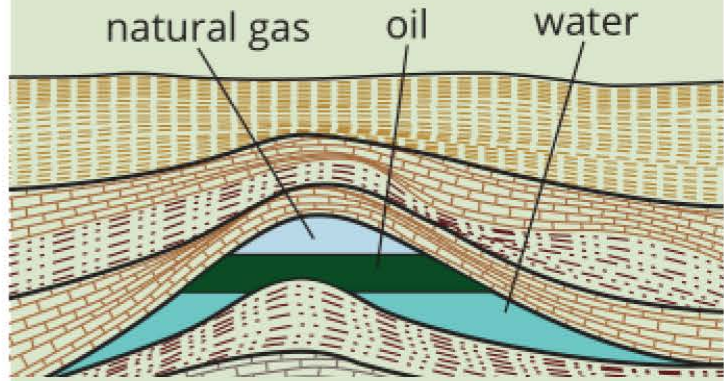
Crude oil has a lower density than the surrounding rock, allowing it to migrate upwards through the Earth's crust. Often it becomes trapped beneath impervious (impermeable) rock layers, creating underground reservoirs called oil fields. These natural accumulations of oil and natural gas are the sources we extract through drilling and mining operations.
Fractional distillation of crude oil
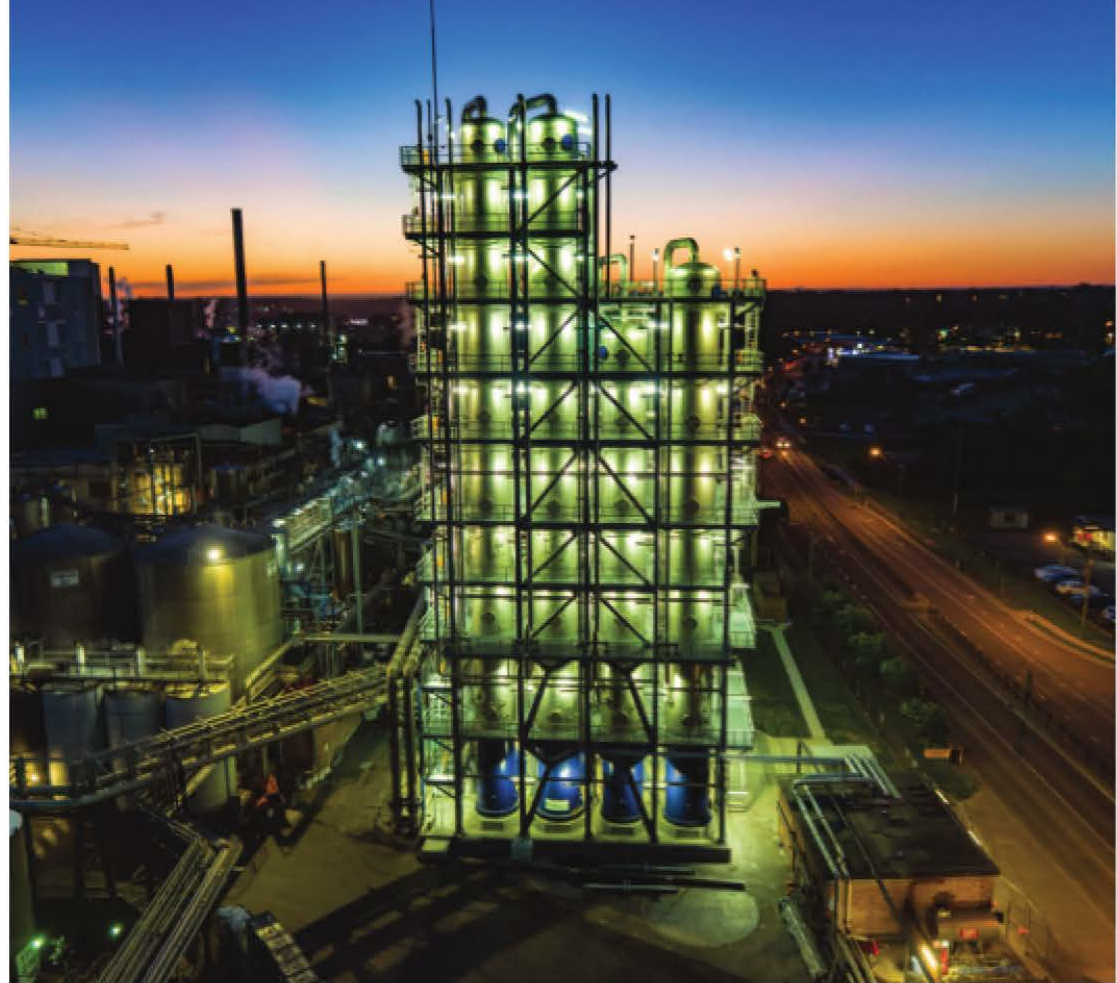
Crude oil is not used in its raw state. After extraction from oil fields, it is transported to refineries where it undergoes fractional distillation. This process separates the complex mixture of hydrocarbons based on their different boiling points (the temperature at which a liquid becomes a gas).
Important
Key Principle of Fractional Distillation
The separation works because of a key relationship: longer hydrocarbon chains have stronger intermolecular forces between molecules, which means they have higher boiling points. During fractional distillation, the crude oil is heated and the different components vaporise at different temperatures. As the vapours rise through a distillation column, they cool and condense at different heights, allowing them to be collected separately.
The various fractions obtained have different uses:
- Gasoline ( to ): used to make petrol
- Kerosene ( to ): used for jet fuel and can be processed into diesel
- Diesel/gas oil ( to ): used for diesel fuel
Currently, over 90% of crude oil products are used as fuels.
The sustainability problem
Crude oil is a fossil fuel - so called because it originates from the fossilised remains of ancient organisms. As such, it represents carbon that has been locked away in the Earth's crust for millions of years. This makes crude oil a non-renewable resource: we are consuming it far faster than it can possibly form through natural geological processes. Once depleted, it cannot be replaced on any human timescale.
Important
Conservation Strategies for Crude Oil
This finite availability has prompted the search for sustainable alternatives and conservation strategies, including:
- Recycling materials made from hydrocarbons, such as polymers, to create new products
- Replacing petrol and diesel vehicles with electric cars
- Reusing materials derived from crude oil rather than disposing of them after a single use
- Finding renewable replacement materials that can substitute for those derived from crude oil
Plant-sourced biomass - a renewable alternative
Plant-sourced biomass refers to carbon-based materials that come from plants. Unlike fossil fuels, plants represent a renewable source of organic compounds because they can be continuously regrown and harvested.
The key to this renewability is photosynthesis, the process by which plants capture carbon dioxide from the atmosphere and convert it into glucose using energy from sunlight:
Through photosynthesis, plants continually fix atmospheric carbon dioxide into organic molecules. This makes plant biomass a renewable carbon source, as the carbon can be replenished through new plant growth.
Making bio-polyethene from sugar cane
An excellent example of plant-sourced biomass in action is the production of bio-polyethene from sugar cane. Polyethene is a widely-used polymer (plastic) found in products such as clingwrap, food containers, and toys. When polyethene is derived from plant sources rather than crude oil, it is called bio-polyethene.
Example
Production Process: Bio-polyethene from Sugar Cane
The production process involves several steps:
Step 1: Growing and harvesting sugar cane
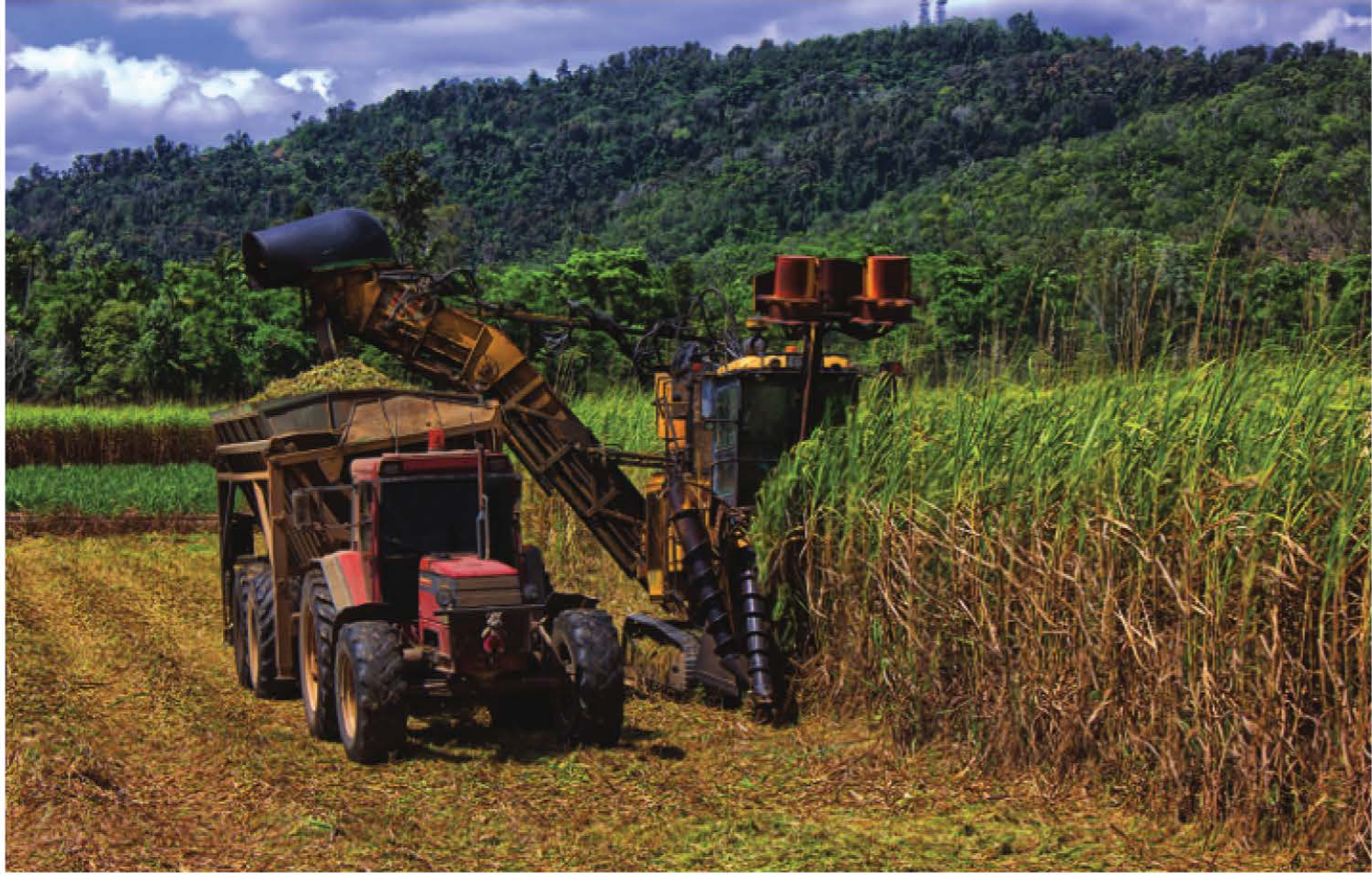
Sugar cane (or other sugar-rich crops) is grown and harvested. The crop itself has already captured carbon dioxide from the atmosphere through photosynthesis.
Step 2: Extraction and fermentation
Sugar is extracted from the harvested cane, then fermented by microorganisms to produce a solution of bioethanol (ethanol made from biological sources) in water. This process is similar to brewing alcoholic beverages:
Importantly, more carbon dioxide is absorbed during photosynthesis than is released during fermentation, making this process a net absorber of atmospheric . This contrasts sharply with crude oil-based production, which releases large amounts of that had been locked away underground.
Step 3: Distillation
The bioethanol is separated from water by distillation in an industrial refinery, producing concentrated ethanol.
Step 4: Conversion to bio-polyethene
The bioethanol is further processed to make bioethene, which is chemically identical to ethene derived from crude oil. This bioethene can then be polymerised into bio-polyethene using standard manufacturing processes.
Note
Bio-polyethene Applications
Because bio-polyethene is chemically identical to petroleum-based polyethene, it can be used as a direct replacement in existing products and manufacturing processes. Many companies are now choosing bio-derived polyethene to make their products more environmentally friendly. For example, LEGO has produced approximately 150 different elements (specific shaped pieces) from bio-polyethene, including all the leaves and plant pieces in certain sets.
Case study: everyday products from organic compounds
Many everyday objects around us are made from organic compounds, particularly polymers. A common example is ABS (Acrylonitrile Butadiene Styrene), which is used to make computer keyboards, mice, calculator bodies, mobile phone covers, light switch surrounds, electrical wall sockets, car interior parts, LEGO bricks, and even medical equipment.
What is ABS?
ABS is a polymer made from three different monomers (small molecules that join together to form polymers):
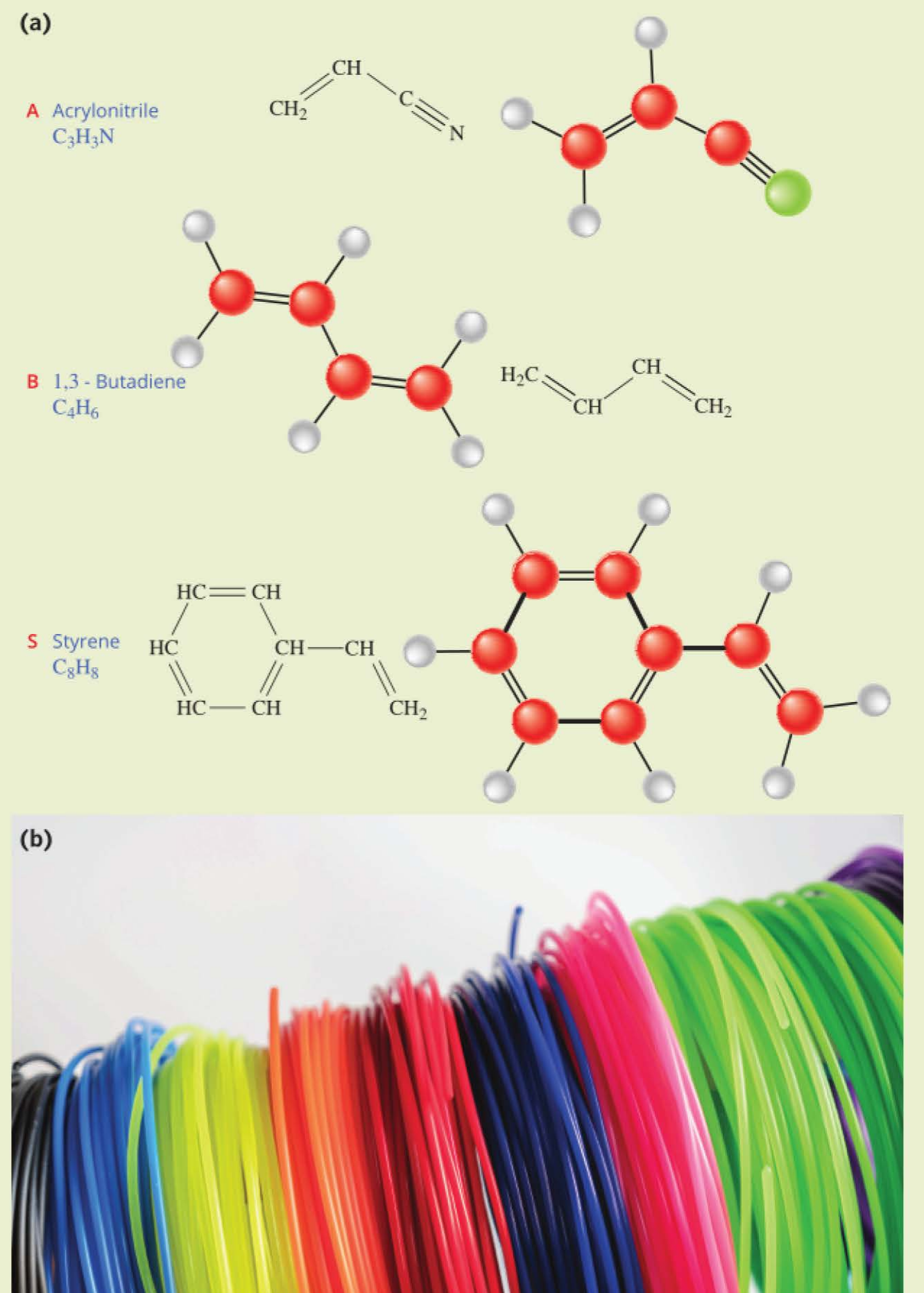
- Acrylonitrile ()
- 1,3-Butadiene ()
- Styrene ()
Note
All three of these monomers are currently derived from crude oil. When polymerised together, they create a material that is strong, durable, and resistant to reaction with many chemicals. ABS can be softened by heating and shaped by injection moulding, making it ideal for manufacturing a wide variety of products.
The recycling challenge
Important
The Recycling Dilemma
The very properties that make ABS useful - its durability and chemical resistance - also create environmental problems. When ABS products are disposed of in landfill, they persist for extremely long periods because they resist degradation.
While ABS is technically 100% recyclable in Australia, practical recycling faces challenges. ABS is classified as recycling number 7 for household collection, which groups it together with many other polymers. This requires special sorting processes before the material can actually be recycled. Although the technology for effective recycling exists, the practical infrastructure and systems are still developing.
Summary
Key Points to Remember
-
Organic compounds are carbon-based compounds, excluding simple molecules like carbon monoxide, carbon dioxide, and carbonates.
-
Crude oil is a non-renewable source of organic compounds formed from ancient organisms over millions of years. It is separated into useful fractions by fractional distillation based on boiling points.
-
Plant-sourced biomass provides a renewable alternative to crude oil through photosynthesis, which captures atmospheric carbon dioxide.
-
Bio-polyethene can be produced from sugar cane through photosynthesis, fermentation, and chemical processing. It is chemically identical to petroleum-based polyethene but more environmentally sustainable.
-
Conservation strategies for crude oil resources include:
- Recycling polymers
- Replacing fossil fuel vehicles with electric cars
- Reusing materials
- Developing renewable replacements like bio-polymers