Oxidation and Reduction (VCE SSCE Chemistry): Revision Notes
📚Revision Notes
Oxidation and Reduction
Redox reactions are fundamental chemical processes that occur constantly in everyday life. The term redox comes from combining "reduction" and "oxidation." These reactions are involved in a remarkable range of processes including hair bleaching, metal corrosion, extracting metals from ores, burning fuels, generating electricity in batteries, and even biological processes such as respiration and photosynthesis.
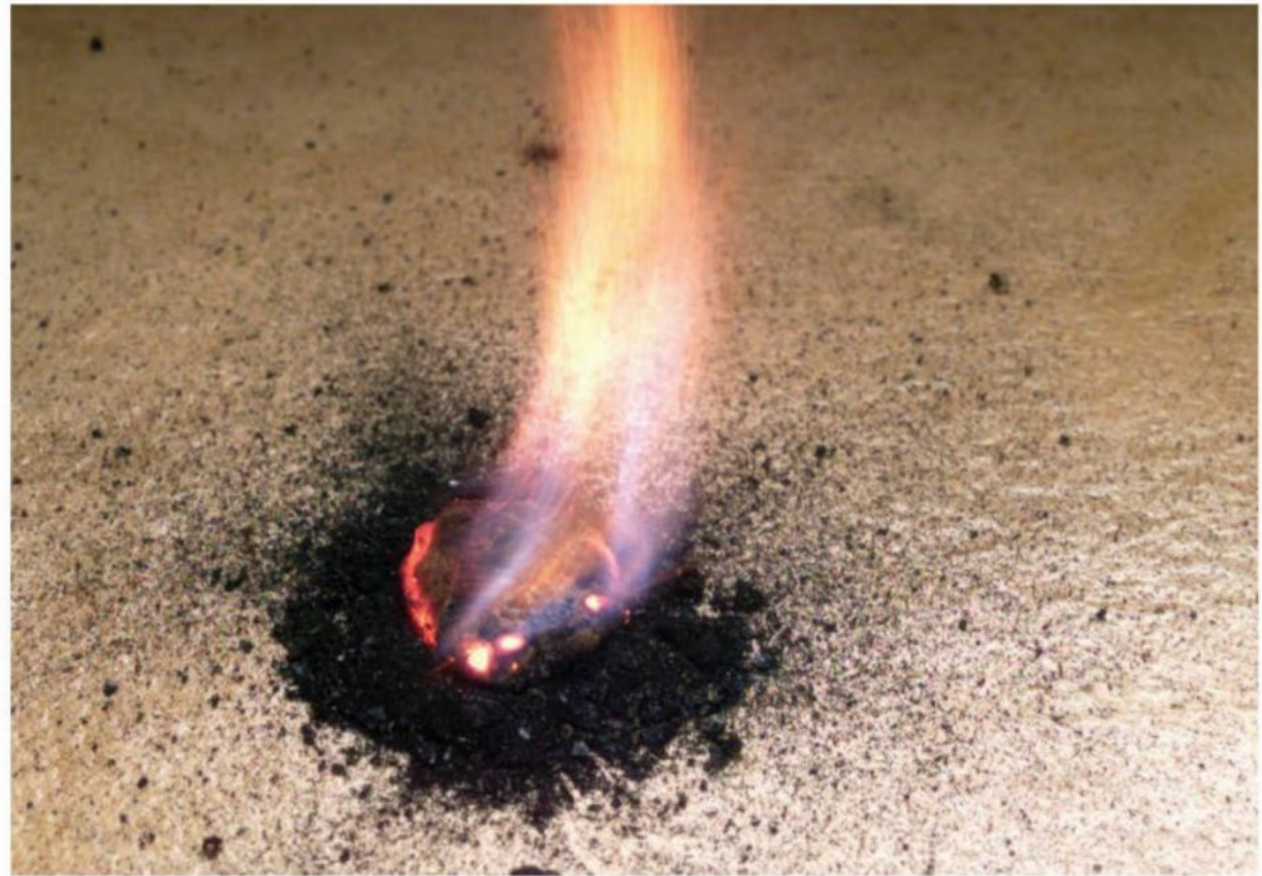
All redox reactions share a common characteristic: they involve the transfer of electrons from one chemical species to another. Understanding how electrons move during these reactions is key to mastering redox chemistry.
Understanding electron transfer in redox reactions
Redox reactions can be thought of as occurring in two interconnected parts. In every redox reaction, one reactant loses electrons whilst another reactant gains electrons. These two processes happen at the same time - you cannot have one without the other.
The process of losing electrons is called oxidation. When a substance loses electrons, we say it has been oxidised.
The process of gaining electrons is called reduction. When a substance gains electrons, we say it has been reduced.
Important
Oxidation and reduction always occur simultaneously in redox reactions. You cannot have one process without the other - the electrons lost by one substance must be gained by another substance. This is why they are called redox reactions, combining both processes into one term.
The OIL RIG mnemonic
A useful way to remember the definitions of oxidation and reduction is the mnemonic OIL RIG:
Note
OIL RIG Memory Aid
- Oxidation Is Loss (of electrons)
- Reduction Is Gain (of electrons)
This simple memory aid helps you quickly identify which process is occurring based on the movement of electrons. An alternative mnemonic is LEO says GER: Loss of Electrons is Oxidation, Gain of Electrons is Reduction.
How metals and non-metals behave in redox reactions
The tendency of atoms to lose or gain electrons depends on their position in the periodic table and their electronegativity.
Metal atoms typically have low electronegativities and contain 1, 2, or 3 electrons in their valence (outer) shell. When a metal atom loses its valence electrons, it becomes a positively charged ion with the stable electronic configuration of the nearest noble gas. This loss of electrons is oxidation. For example, a sodium atom loses one electron to become a Na⁺ ion, achieving the same electron configuration as neon.
Non-metal atoms generally have relatively high electronegativities and their atoms need to gain 1, 2, or 3 electrons to achieve a stable noble gas electronic configuration. When non-metal atoms gain electrons, they become negatively charged ions. This gain of electrons is reduction. For example, a chlorine atom gains one electron to become a Cl⁻ ion, achieving the same electron configuration as argon.
The reaction between aluminium and iodine
Let's examine a specific redox reaction to see these principles in action. When aluminium metal reacts with iodine, a vigorous exothermic reaction occurs, producing aluminium iodide.
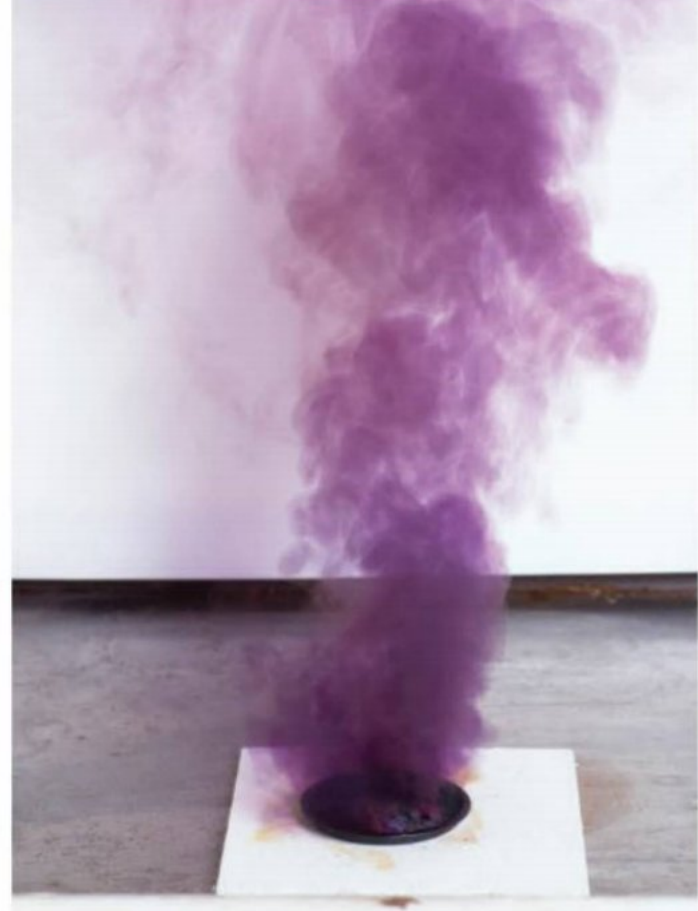
Aluminium is in group 13 and each atom has 3 electrons in its valence shell. Iodine is in group 17 and each atom has 7 electrons in its valence shell. During the reaction, both oxidation and reduction occur simultaneously.
Example
Worked Example: Identifying Oxidation and Reduction in the Aluminium-Iodine Reaction
Step 1: Write the overall equation
Step 2: Identify what happens to aluminium
Each aluminium atom loses 3 electrons and becomes an Al³⁺ ion. The aluminium is oxidised.
Oxidation half-equation:
Step 3: Identify what happens to iodine
Each iodine atom gains 1 electron and becomes an I⁻ ion. The iodine is reduced.
Reduction half-equation:
Key observation: The electrons gained by iodine are the same electrons that were lost by aluminium. These ions then combine to form the ionic compound aluminium iodide.
We can represent the oxidation and reduction processes separately using half-equations. These show the electron transfer explicitly, making it clear which species is losing electrons and which is gaining them.
Writing redox equations
Writing simple half-equations
Half-equations are useful tools for showing exactly what happens during oxidation and reduction. Like all chemical equations, half-equations must be balanced - the same number of atoms of each element must appear on both sides, and the total charge must also be balanced. Always include state symbols in your equations.
Example
Worked Example: Writing Half-Equations for Magnesium and Bromine
Let's consider the reaction between magnesium and bromine in aqueous solution.
Writing the oxidation half-equation for magnesium:
On the left side, magnesium has zero charge. On the right side, we have a 2+ charge from the Mg²⁺ ion. To balance the charge, we add two electrons (each with a 1− charge) to the right side. This makes sense because oxidation involves losing electrons, so the electrons appear as products on the right-hand side.
Writing the reduction half-equation for bromine:
Here, we need to add two electrons to the left side to balance the 2− charge from the two Br⁻ ions on the right. This makes sense because reduction involves gaining electrons, so the electrons appear as reactants on the left-hand side.
Important
Quick Rule for Identifying Half-Equations:
- In oxidation half-equations, electrons always appear on the right-hand side (as products)
- In reduction half-equations, electrons always appear on the left-hand side (as reactants)
This helps you quickly identify which type of process you're looking at.
Writing overall redox equations
Once you have written the half-equations for a redox reaction, you can combine them to create an overall equation. The crucial rule is that the overall equation must not show any electrons - all electrons lost during oxidation must be gained during reduction.
To achieve this, you may need to multiply one or both half-equations by a factor to ensure the number of electrons produced equals the number consumed. The key is to find the lowest common multiple of the electron numbers.
Example
Worked Example: Writing an Overall Redox Equation for Iron and Chlorine
Let's look at the reaction between iron and chlorine as an example.
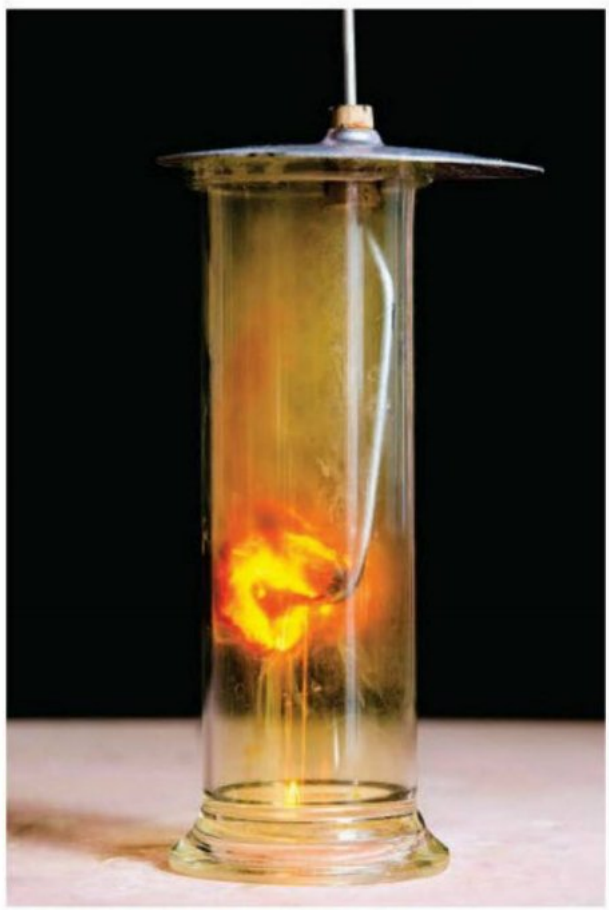
Step 1: Write the half-equations
(oxidation)
(reduction)
Step 2: Identify the electron imbalance
Each iron atom loses 3 electrons, but each chlorine molecule only gains 2 electrons. To balance this, we need to find the lowest common multiple of 3 and 2, which is 6.
Step 3: Multiply the half-equations to balance electrons
Multiply the iron half-equation by 2:
Multiply the chlorine half-equation by 3:
Step 4: Add the equations and cancel electrons
Now both half-equations involve 6 electrons. Add the two equations together and cancel the electrons:
This is the balanced overall equation with no electrons shown.
Note
Important Tip: When multiplying half-equations, you must multiply all coefficients (including the electrons) by the same factor. This ensures that the equation remains balanced.
Oxidising agents and reducing agents
In any redox reaction, there are two types of chemical agents at work: oxidising agents and reducing agents. Understanding these concepts helps you identify the role each substance plays in the electron transfer process.
Oxidising agents
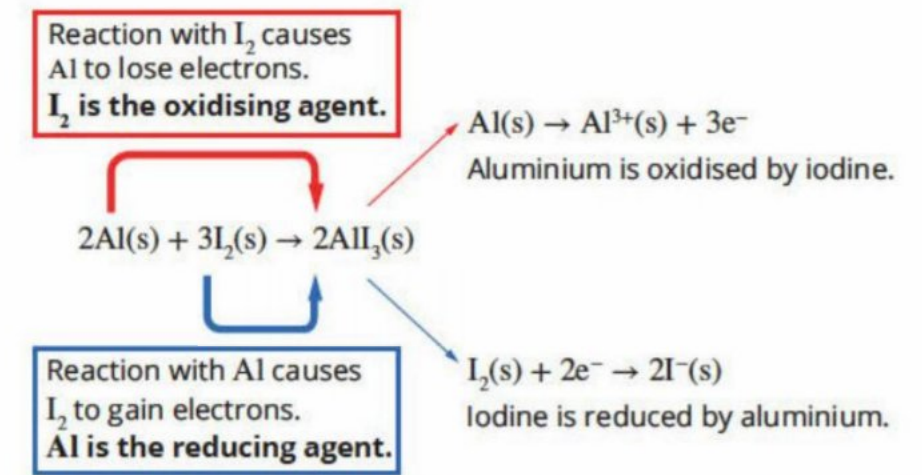
An oxidising agent (or oxidant) is a substance that causes another substance to be oxidised. In the process of causing oxidation, the oxidising agent itself is reduced - it gains the electrons that the other substance loses.
In the aluminium-iodine reaction, iodine is the oxidising agent. It causes aluminium to lose electrons (to be oxidised), and in doing so, iodine itself gains electrons (is reduced).
Reducing agents
A reducing agent (or reductant) is a substance that causes another substance to be reduced. In the process of causing reduction, the reducing agent itself is oxidised - it loses the electrons that the other substance gains.
In the aluminium-iodine reaction, aluminium is the reducing agent. It causes iodine to gain electrons (to be reduced), and in doing so, aluminium itself loses electrons (is oxidised).
Important
Key Principle: The Agent Does the Opposite
This is a crucial concept to remember:
- Oxidising agents are reduced (they gain electrons while causing oxidation)
- Reducing agents are oxidised (they lose electrons while causing reduction)
The agent always undergoes the opposite process to what it causes!
Common oxidising and reducing agents
Certain types of substances tend to act as oxidising or reducing agents based on their ability to gain or lose electrons. Understanding these patterns helps you predict the behavior of substances in redox reactions.
Reducing agents (substances that can lose electrons) include:
- Metals such as zinc and magnesium
- Negatively charged non-metal ions such as Br⁻ and I⁻
For example:
Oxidising agents (substances that can gain electrons) include:
- Non-metals such as fluorine and chlorine
- Positively charged metal ions such as Cu²⁺ and Ag⁺
For example:
Note
Pattern Recognition Tip:
Notice that metals and negative ions tend to be reducing agents because they can easily lose electrons or donate their extra electrons. In contrast, non-metals and positive ions tend to be oxidising agents because they have a strong tendency to gain electrons. This pattern follows from their positions in the periodic table and their electronegativities.
Case study: Using redox chemistry to keep tree roots out of pipes
Redox chemistry has many practical applications. One innovative solution addresses a common problem: tree roots growing into and blocking stormwater and sewerage pipes. When trees grow near water pipes, their roots naturally grow toward the moisture and can penetrate the pipes, eventually forming dense root masses that cause blockages, flooding, and sewage overflow.
A UK company developed a clever solution using redox chemistry. They created a root barrier system called CuTex - a geocomposite fabric consisting of an 18 mm layer of copper pressed between two layers of woven polypropylene material. This fabric is permeable (allows water through) and flexible, so it can be wrapped around pipes that need protection.
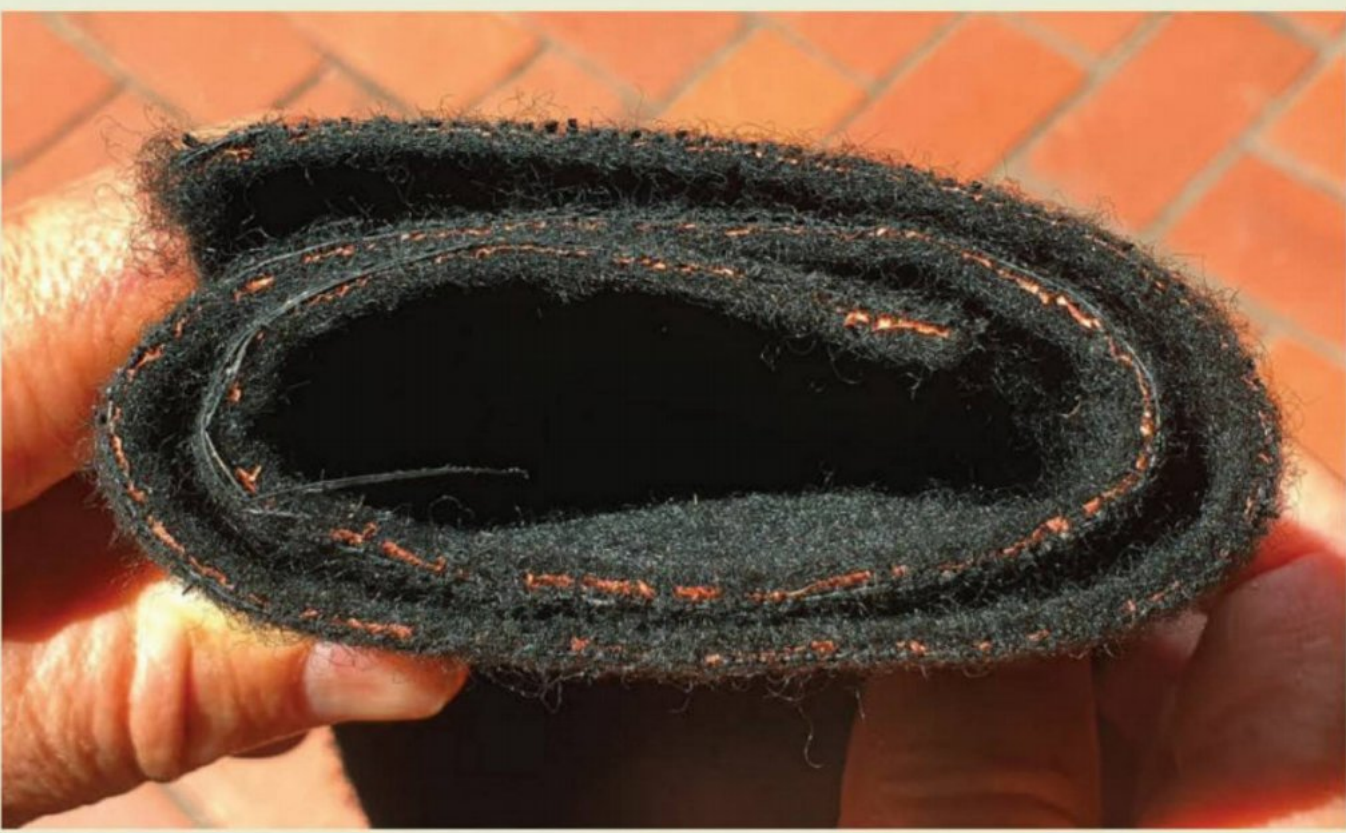
The copper in the fabric undergoes a redox reaction with water and oxygen from the soil, forming copper(II) ions:
In this reaction, oxygen acts as the oxidising agent and copper acts as the reducing agent.
Root cells require oxygen to respire and only grow in soil containing both water and oxygen. Growth occurs at the root tips. As root tips grow toward the water and pipes, they encounter a region containing a low concentration of copper(II) ions. These copper(II) ions are toxic to plants, causing the dividing cells at the root tips to die. The roots then grow away from this area, whilst the plant itself remains healthy.
Testing at the University of Leeds in England showed that the concentration of copper(II) ions is so low that it doesn't affect the surrounding ecosystem or groundwater. Although installing this solution requires digging up and re-laying the pipes, it provides a sustainable long-term solution for households experiencing ongoing problems with roots in their sewerage pipes.
The thermite reaction
Another important example of a redox reaction is the thermite reaction, which occurs between powdered aluminium and iron(III) oxide. This reaction is used for welding and iron foundry work. When the thermite mixture is ignited, the reaction is rapid and highly exothermic, producing molten iron:
In apparatus used for welding railway tracks in remote locations, the thermite reaction occurs in the upper chamber of a reaction vessel. The molten iron flows down through the bottom of the vessel into the gap between the ends of two rails, welding the tracks together as it cools. This demonstrates the practical importance of understanding and controlling redox reactions in real-world applications.
Summary
Key Points to Remember:
-
Redox reactions involve electron transfer - one substance loses electrons (oxidation) whilst another gains electrons (reduction). These processes always occur simultaneously.
-
Use the OIL RIG mnemonic - Oxidation Is Loss of electrons, Reduction Is Gain of electrons. In half-equations, electrons on the right indicate oxidation; electrons on the left indicate reduction.
-
Half-equations show electron movement explicitly - they must be balanced for both atoms and charge. To create an overall equation, ensure electrons lost equal electrons gained by using multiplication factors based on the lowest common multiple.
-
Oxidising agents are reduced; reducing agents are oxidised - oxidising agents cause oxidation but are themselves reduced. Reducing agents cause reduction but are themselves oxidised. Remember: the agent does the opposite to what it causes.
-
Metals and negative ions tend to be reducing agents; non-metals and positive ions tend to be oxidising agents - this pattern follows from their tendency to lose or gain electrons based on their position in the periodic table and their electronegativities.