Inequality and Discrimination (VCE SSCE Health and Human Development): Revision Notes
📚Revision Notes
Inequality and Discrimination
Introduction to inequality and discrimination
Equality and freedom from discrimination are fundamental human rights. The United Nations Universal Declaration of Human Rights establishes that all human beings are born free and equal in dignity and rights, and everyone is entitled to these rights without distinction based on race, colour, sex, language, religion, or other status.
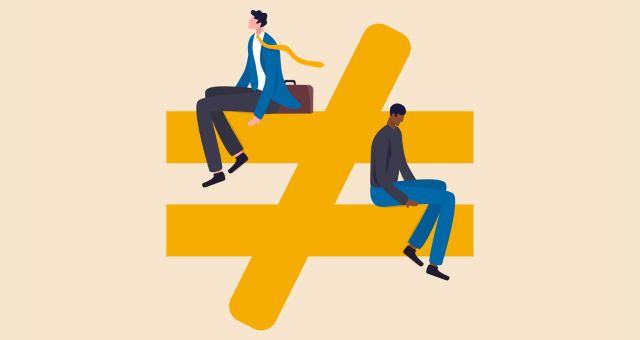
Unfortunately, these rights are not upheld for everyone. Discrimination against specific groups creates significant inequalities in health status and burden of disease compared to other population groups. While average incomes, living conditions, and health status have improved globally, these improvements have not occurred equally across all countries or among all population groups within countries.
Note
Key terms:
- Discrimination: When a person or group is treated differently than others, often due to factors such as race, religion, sex, sexual orientation, or gender identity.
- Human rights: The freedoms and conditions to which every person is entitled.
Inequality in health status frequently results from an inability to access essential resources including education, employment, and healthcare. Discrimination often prevents these resources from being available to many groups. People who face discrimination experience various negative outcomes:
- Higher rates of depression and anxiety
- Higher rates of premature death, including increased under-five mortality
- Greater likelihood of being victims of intentional violence
Although many countries, including Australia, have laws prohibiting discrimination, minority groups worldwide still face discrimination and health inequalities. These groups include:
- Those from minority racial groups, including indigenous peoples and migrants
- Those from minority religious groups
- Females
- People on the LGBTQIA spectrum
- Those who identify as a gender different from the sex assigned at birth
Race and its effect on health status and burden of disease
Racial discrimination occurs when a person is treated less favourably than another person in a similar situation because of their race, colour, descent, national or ethnic origin, or immigrant status.
Racial discrimination happens worldwide and often leads to social exclusion. This prevents millions of people from participating in society regarding education, healthcare access, community involvement, employment, and housing opportunities.
Indigenous peoples and ethnic minorities
According to the World Health Organization, minorities and indigenous peoples are among the poorest and most vulnerable groups in almost every country. They suffer greater ill health and receive poorer quality healthcare than other population segments. This ill health and inadequate healthcare typically result from poverty and discrimination.
Important
Critical Findings from The State of the World's Indigenous Peoples (UN, 2009):
- Indigenous people experience higher rates of illness and disability, with dramatically shorter life expectancy than other groups in the same countries
- Discrimination, racism, and lack of cultural understanding prevent access to healthcare for many indigenous people
- Health systems often fail to reflect the social and cultural practices and beliefs of indigenous peoples
- The world's 370 million indigenous peoples are among the most marginalised people globally
- They are often isolated politically and socially by geographical location and their distinct histories, cultures, languages, and traditions
- Indigenous peoples rank among the world's poorest, with the poverty gap between indigenous and non-indigenous groups increasing in many countries
- This poverty influences their quality of life and their right to optimal health and wellbeing
Research by DeLaet and colleagues (2015) shows that racial minorities experience worse physical and mental health and wellbeing in terms of morbidity and mortality across all geographic regions with available comparative data. According to Donna Ah Chee from the Central Australian Aboriginal Congress, racism acts as a life stressor that directly and negatively affects health by:
- Affecting the cardiovascular system, causing high blood pressure, hypertension, and heart disease
- Seriously impacting mental health and wellbeing, causing depression, anxiety, and other psychological and psychiatric disorders
- Contributing to low birth weight of newborns and premature birth
Displacement
In some instances, victims of racial discrimination become displaced from their homes when forced to flee and live in foreign countries as refugees or become displaced within their own country.
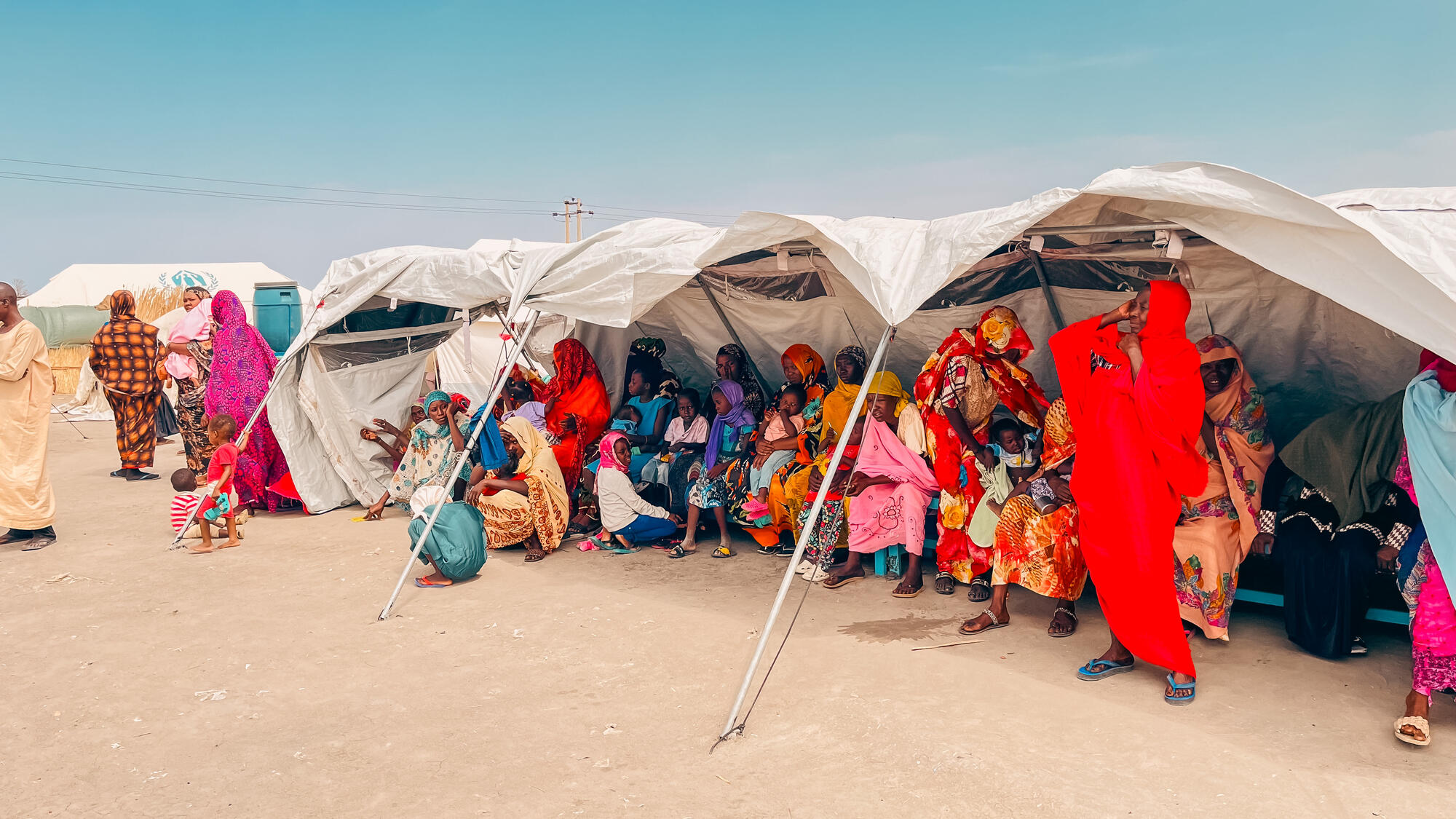
Displacement creates a flow-on effect because the new living environment may lack food and water, educational opportunities for children, employment opportunities for adults, and healthcare services. The number of displaced people has increased dramatically in recent years, contributing to higher rates of illness and premature death among these groups.
Religion and its effect on health status and burden of disease
Many members of religious or belief communities face daily discrimination based on their religion or belief. This discrimination often prevents them from realising their human rights and participating fully in their community, particularly in accessing public education, health services, and employment. In extreme cases, some people are arrested or killed due to their religious beliefs.
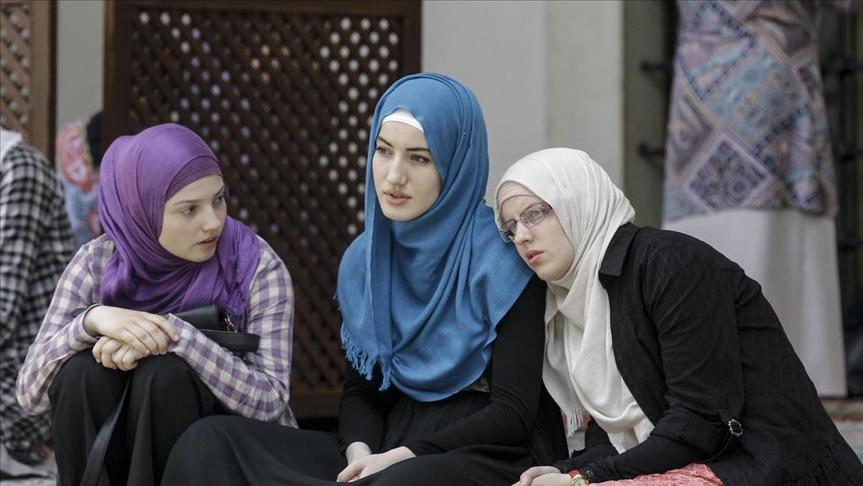
Religious minorities have faced discrimination in many countries, including Australia. Muslim and Jewish Australians have been particularly targeted by discriminatory acts, including being verbally abused, spat on, told they do not belong in Australia, and denied employment opportunities.
Note
Health Impacts of Religious Discrimination (VicHealth):
Religious discrimination contributes to increased rates of:
- Anxiety
- Depression
- Psychiatric disorders
- Stress
- Decreased life satisfaction
- Self-rated poor health status
- Tobacco smoking
- Alcohol abuse
- Drug use
These outcomes and risk factors contribute to higher rates of burden of disease experienced by victims of religious discrimination worldwide.
Sex and its effect on health status and burden of disease
Sex refers to the physiological characteristics, including DNA and sex organs, present in an individual at birth. Most people are born as either male or female, although some are born with a combination of both characteristics (intersex).
When women have the same power and control over their lives as men, their health status improves. However, globally, females often have less power and control over resources than males. This typically leads to disadvantage in economic, political, social, educational, and health domains.
Women in Australia generally have the same opportunities for education, employment, and community participation as men, which increases the health status experienced by Australian women. On a global scale, however, sex inequalities impact women's health status more severely than men's.
Education and employment
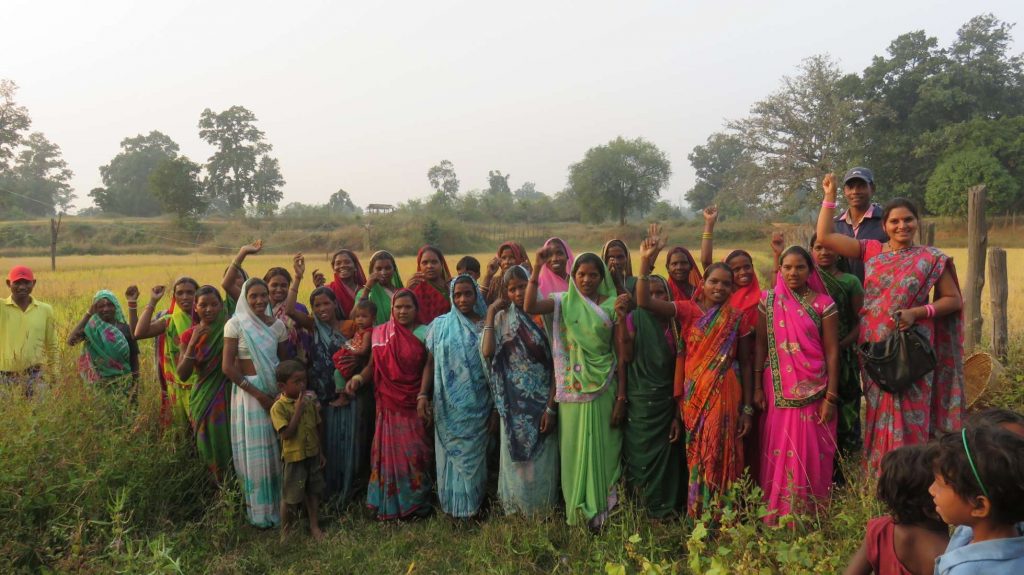
When financial resources are limited, they are often allocated to areas deemed most important. The lower status of women in many low- and middle-income countries means they often miss out on educational and employment opportunities. This explains why two-thirds of the 775 million people worldwide who lack basic literacy skills are female (UN, 2020).
Consequently, many women work in jobs that are often badly paid, dangerous, and laborious, directly putting their health and wellbeing at risk. Sex work is one example, as it raises levels of HIV/AIDS infections. Globally, women earn 24 per cent less than men, and up to 75 per cent of female employees work in informal jobs not protected under law in low- and middle-income countries.
Note
The Power of Education:
Educated women are more likely to have healthier children and adopt health-promoting behaviours such as:
- Having their children immunised
- Implementing methods to reduce transmission of infectious diseases like malaria and diarrhoeal disease
Educated women tend to have fewer children, meaning the children they do have generally enjoy greater opportunities and better access to resources such as education, food, and healthcare, contributing to higher health status and lower burden of disease.
Decision-making power
Globally, females have less say in decisions affecting their lives than males. Societal norms in many countries make men the sole decision makers. This affects the role women play in society and their health and wellbeing. For example, one study on a cyclone's impact in Bangladesh noted that many women perished with their children at home because they had to wait for their husbands to return and make an evacuation decision.
In many countries, women must abide by their father's or husband's decisions. Violence may result if women challenge male authority. It may be socially acceptable for men to have multiple sexual partners without using protection. Wives may face increased risk of contracting sexually transmissible infections (including HIV/AIDS) but may not be able to protect themselves. Women may also be last to be fed, leading to malnourishment. Adequate nourishment is a basic need to prevent ill health and premature mortality.
Important
Lack of Political Representation:
Women also lack influence nationally in many countries:
- Women hold an average of 3 per cent of seats in national parliaments in Pacific Island countries
- An average of 10 per cent in western Asia
This lack of governmental input means women have little say in issues affecting their health and wellbeing, such as male-perpetrated violence.
Case study: Violence against women in Papua New Guinea
Example
Case Study: Violence Against Women in Papua New Guinea
A Human Rights Watch report titled "Bashed Up: Family Violence in PNG" found that the Papua New Guinea government is failing to protect victims of family violence. Women are left unprotected even when they seek help.
Key Findings:
- More than two-thirds of PNG women have experienced family violence
- In some parts of the country, 80 per cent of men admit to being responsible for sexual violence against their partner
- Women described harrowing accounts of attacks by their husbands, sometimes with knives or burnt with hot sticks
- Police often ignored their claims or told them to return to their husbands
Systemic Failures:
- Police and prosecutors rarely pursue criminal charges against perpetrators, even in serious cases of rape or murder
- One woman suffered multiple broken bones and went to police 17 times asking for her husband's arrest, but they refused
- Monica Paulus, co-founder of the Highlands Women Human Rights Defenders movement, notes that police often tell women to "go back and solve it at home", especially if the offender is a powerful community member
Additional Barriers:
- Women trying to escape violence also battle poverty, traditions tying them to their husband's families, and a lack of safe houses
- Women pursuing cases in village courts must pay several fees and are often charged for medical reports documenting their injuries
- Cases often drag on so long that women give up
- Sorcery accusations can be raised against women, particularly if husbands want to remarry, becoming another form of family violence
Despite the Family Protection Act passed two years prior, which set new penalties for family violence, the situation remains dire.
Maternal mortality
Of the 280,000 women who die each year from pregnancy complications, 99 per cent are in low- and middle-income countries. Women are often neglected regarding healthcare, essential services, and supplies, increasing mortality rates.
Forced marriage
Forced marriage occurs when one or both parties are married against their will. It is considered a human rights violation and viewed by some as a form of slavery.
Although outlawed in many countries, forced marriage still occurs with devastating consequences, particularly for females. More than 13 million girls under age 18 are estimated to be forced into marriage each year, often with much older men.
Important
Devastating Health Consequences of Forced Marriage:
When girls are forced into marriage:
- They are often withdrawn from school
- They regularly become pregnant before their bodies are adequately developed for pregnancy and childbirth
- Pregnant girls are more likely to experience conditions such as obstetric fistula and other complications like excessive bleeding
- Maternal mortality is a leading cause of death for females aged 15-19 in low- and middle-income countries
Obstetric Fistula: Caused by prolonged obstructed labour when a female spends days in labour without medical help or pain relief. If she survives, the baby will be stillborn, and internal injuries can cause holes in the vaginal walls, bladder, and rectum. This leads to urinary incontinence and sometimes bowel incontinence.
Many fistula survivors are abandoned by their husbands, rejected by society, and forced to live lives of shame and despair. They may spend their lives as destitute outcasts unless they can access healthcare for repair.
Child brides face higher risk of contracting HIV/AIDS because they often marry older men with greater sexual experience. For example, girls aged 15-19 are two to six times more likely to contract HIV/AIDS than boys of the same age in sub-Saharan Africa.
Child brides are less likely to be educated and more likely to live in poverty, further increasing the risk of numerous health and wellbeing impacts.
Female genital mutilation
Female genital mutilation (FGM) describes procedures that intentionally alter or cause injury to female genital organs for non-medical reasons. Knives, scissors, scalpels, pieces of glass, or razor blades are used to cut or remove tissue such as the clitoris. FGM is carried out in more than 25 countries on girls between infancy and age 15. In some countries such as Somalia, Egypt, and Gambia, up to 90 per cent of females have been subjected to FGM.
FGM is often carried out in the name of culture or religion, but no religion specifies this procedure should occur.
Important
The Scale and Impact of Female Genital Mutilation:
- UNICEF estimates that more than 200 million females live with FGM
- Up to 3 million girls are subjected to this practice each year
- FGM has no benefit for women or girls
Severe Health Consequences:
- Severe pain
- Excessive bleeding (haemorrhage)
- Infections
- Shock
- Psychological problems
- Death
Sexual orientation and its effect on health status and burden of disease
Sexual orientation describes the sex that an individual is sexually and romantically attracted to. It is also associated with discrimination and inequality worldwide.
Note
Classifications of Sexual Orientation:
- Heterosexual: Those attracted to members of the opposite sex
- Homosexual: Usually described as gay (males attracted to males) or lesbian (females attracted to females)
- Bisexual: Attracted to both sexes
- Asexual: Not attracted to either sex
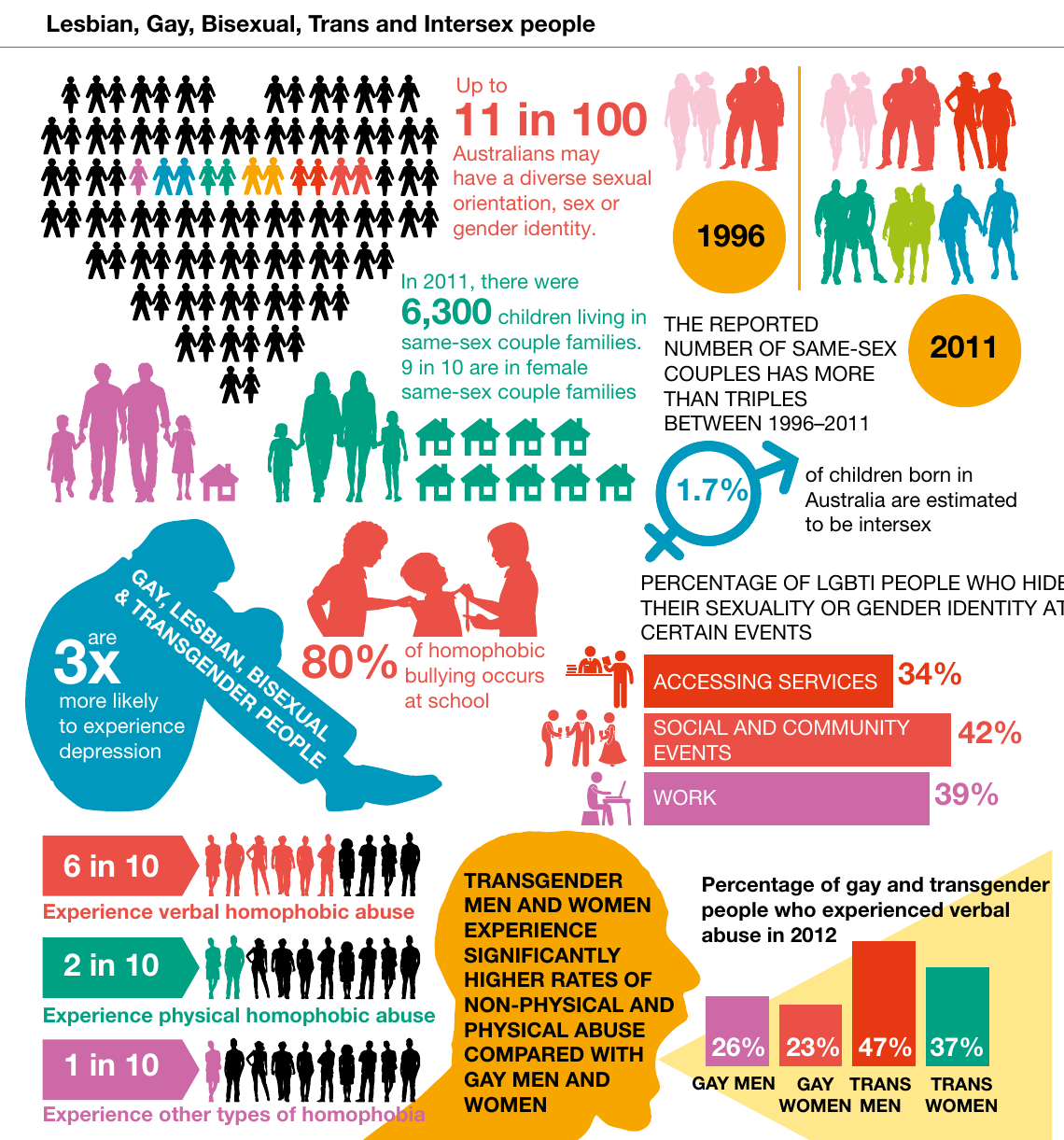
Those who do not identify as heterosexual are often subjected to discrimination, including being:
- Refused jobs
- Refused educational opportunities
- Refused healthcare
- Subjected to sexual assault
- Subjected to physical beatings
- Subjected to criminal proceedings
- Subjected to the death penalty
Gender identity and its effect on health status and burden of disease
Gender identity describes how individuals perceive themselves as male, female, a blend of both, or neither. One's gender identity can be the same or different from the sex assigned at birth.
Note
Gender Identity Classifications:
People can be:
- Cisgender: A person whose gender identity is consistent with the sex assigned at birth
- Transgender: A person who identifies with the opposite sex to that assigned at birth
- Gender non-conforming: Individuals who do not identify as either gender, or identify with a combination of both male and female genders
Individuals who are transgender or gender non-conforming are at higher risk of discrimination in most societies and experience:
- Higher rates of mental disorders
- Higher rates of physical and sexual assault
- Increased rates of self-harm including suicide
Important
Understanding the Difference:
Gender identity should not be confused with sexual orientation. Sexual orientation refers to the sex that an individual is sexually and romantically attracted to, while gender identity describes how individuals perceive themselves.
Remember!
Summary
Key Points to Remember:
-
Discrimination occurs when people are treated differently based on characteristics such as race, religion, sex, sexual orientation, or gender identity, leading to significant health inequalities.
-
Indigenous peoples and ethnic minorities worldwide experience worse health outcomes due to discrimination, poverty, and social exclusion from essential services.
-
Religious discrimination contributes to increased mental health problems, substance abuse, and decreased life satisfaction among affected communities.
-
Women in many low- and middle-income countries face discrimination that limits their access to education, employment, healthcare, and decision-making power, resulting in poorer health outcomes. Specific practices like forced marriage and female genital mutilation cause severe harm.
-
People with diverse sexual orientations and gender identities face discrimination globally, experiencing higher rates of mental health disorders, violence, and self-harm, with some countries even imposing criminal penalties or death sentences based on sexual orientation.