Safe Water and Sanitation (VCE SSCE Health and Human Development): Revision Notes
📚Revision Notes
Safe Water and Sanitation
Introduction
Access to safe water and sanitation are critical factors that contribute to the similarities and differences in health status and burden of disease between high-income, middle-income, and low-income countries. Understanding these factors is essential for addressing global health inequalities.
Note
Safe water and sanitation are closely linked issues. Many communities that lack access to safe water also lack adequate sanitation systems, which compounds their impact on health and wellbeing. This is particularly true for people living in rural and remote areas, where the infrastructure needed to provide these basic resources is often unavailable.
Access to safe water
What is safe water?
Safe water, sometimes called clean water, is water that is not contaminated with disease-causing pathogens (such as bacteria and viruses) or harmful chemicals (such as lead and mercury). It is essential for human survival and wellbeing.
Safe water is required for multiple purposes in daily life:
- Consumption: The human body consists of between 55 and 75 per cent water. Water is a significant component of body tissues and is essential for optimal functioning of every cell. The average adult loses around 2.5 to 3 litres per day through breathing, sweating, and waste elimination. Because the body cannot store water for later use, it must be consumed regularly to ensure survival.
- Food preparation and cooking: Clean water is essential to wash food products and remove harmful pathogens that could cause illness. Many cooking processes also require clean water to ensure food items are safe for human consumption.
- Washing and hygiene: Clean water is required to maintain high levels of personal hygiene and prevent infection through handwashing, bathing, and showering.
- Agriculture and production: Clean water is required for producing food and other products such as clothing and electricity.
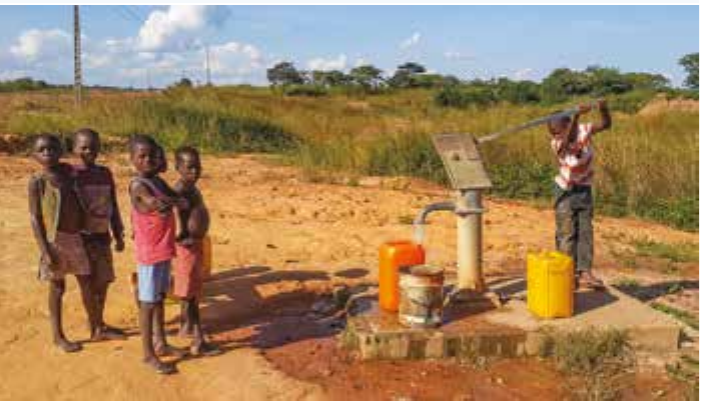
How safe water affects health status and burden of disease
Important
The average person requires a minimum of around 50 litres of safe water per day to survive. A reliable and clean source of water is therefore essential for every human being.
Global access to safe water
In 2017, 2.2 billion people globally (one in three people) did not have access to clean water in their home that was free from contamination and available when needed. This deficit is responsible for around 3 per cent of total global DALY and just over 1.2 million deaths each year. The vast majority of this impact is experienced in low-income and lower middle-income countries.
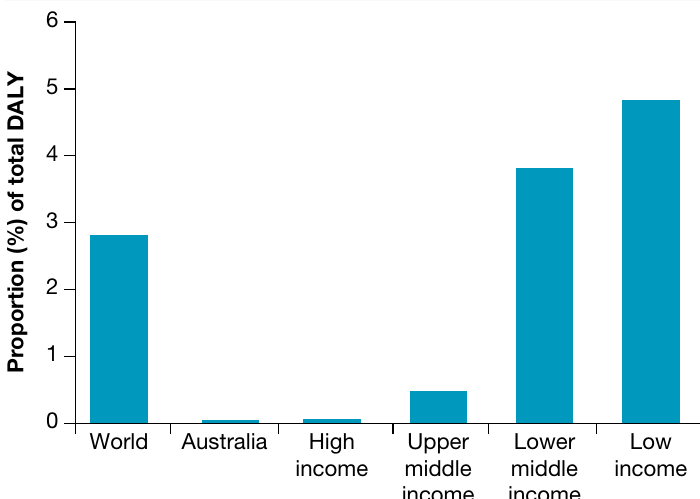
Australia has a well-established and reliable water supply, though interruptions are sometimes experienced in remote Aboriginal and Torres Strait Islander communities and following natural disasters such as floods. However, emergency provisions can generally be supplied when clean tap water is unavailable.
People in low-income and middle-income countries are at much greater risk of the effects of unsafe water. They are less likely to have the infrastructure to supply clean drinking water effectively, especially in rural and remote areas. Governments of these countries often lack strict controls on water quality and monitoring, or the financial resources to provide clean water to those who need it.
Urban versus rural access
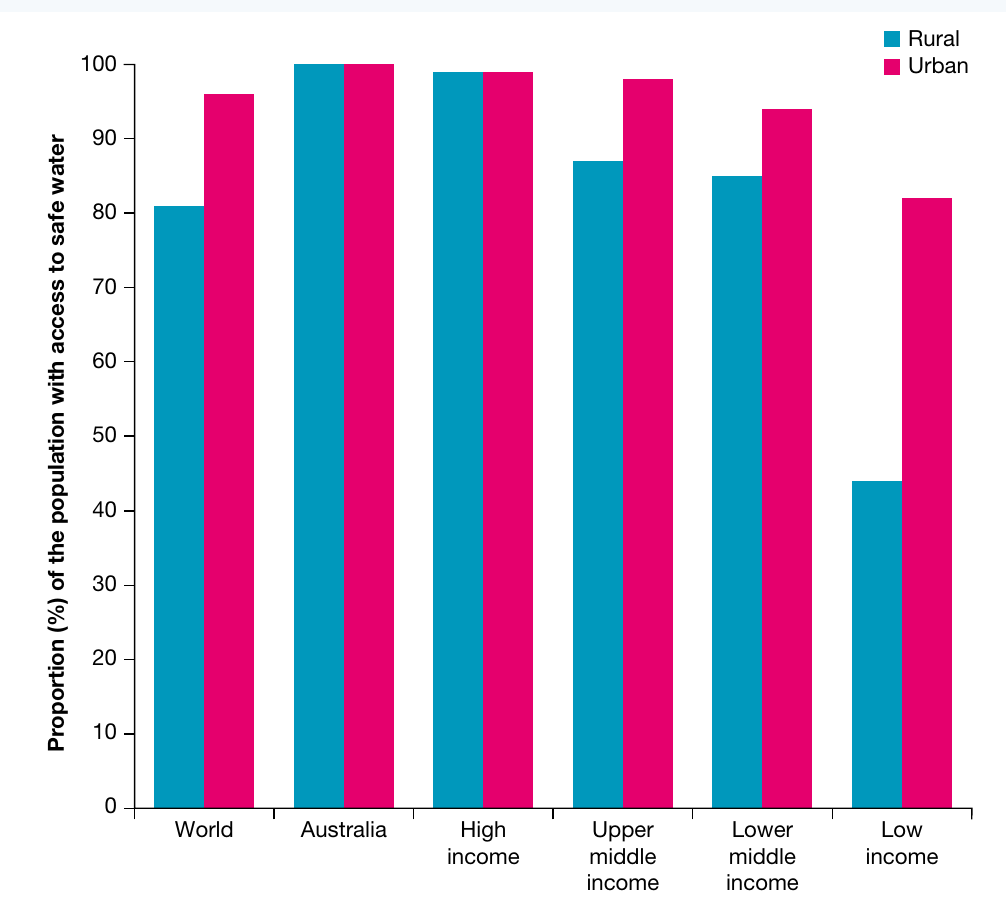
There is a significant disparity between urban and rural populations when it comes to access to safe water. Urban populations consistently have higher access than rural populations, with this gap widening dramatically in lower-income countries.
Note
In Australia and high-income nations, nearly 100 per cent of both urban and rural populations have access to safe water. However, in low-income countries, the disparity is stark: while approximately 82 per cent of urban populations have access, only around 43 per cent of rural populations do. This rural disadvantage is a major contributor to health inequalities.
Health impacts of unsafe water
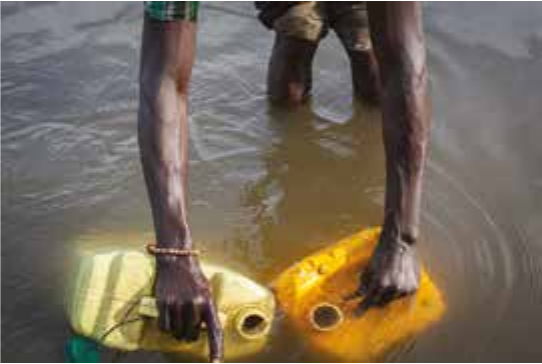
Many diseases are waterborne, meaning they transmit easily from the water source to individuals who drink or use it. These include gastroenteritis, diarrhoea, dysentery, and cholera. Children are particularly vulnerable to the impacts of unsafe water, as they are likely to experience repeated infections.
Important
Diarrhoea causes 1.1 million preventable child deaths per year, nearly all in low-income and middle-income countries. Diarrhoea can be caused by drinking unsafe water containing bacteria and other microbes. As the body dehydrates from diarrhoea, individuals consume more water to relieve thirst. If this water is also contaminated, it creates a deadly cycle of reinfection and dehydration.
Undernutrition causes 450,000 preventable child deaths per year, with most deaths occurring in low-income and middle-income countries. Many cases of undernutrition are compounded by repeated bouts of diarrhoea and infections. This reduces the efficient functioning of the immune system, making individuals more susceptible to secondary infections and, in many cases, death.
Educational and economic impacts
Lack of access to safe water contributes to hundreds of millions of missed school days each year. This occurs through a combination of ill health and time spent collecting water, which reduces levels of education and the potential to earn a decent income in the future. This contributes to a cycle of poverty that is responsible for many of the differences in burden of disease between high-income, middle-income, and low-income countries.
In communities where water is not available nearby, it is often women who must trek long distances to collect water and carry it back. They may have to make this trip many times in one day. This reduces their ability to care for their children, pursue education, or engage in paid employment. It also contributes significantly to the development of physical ailments such as musculoskeletal conditions.
Note
According to the World Health Organization, women and children spend 125 million hours every day collecting water. This translates to $24 billion in lost economic benefits each year. This economic impact contributes to differences in burden of disease in low-income and middle-income countries by affecting the economy and reducing the capacity of governments to provide resources such as healthcare. This in turn increases rates of morbidity, mortality, and the number of DALY experienced.
Stagnant water and disease breeding
Stagnant water (water without a current or flow) provides ideal breeding conditions for malaria-carrying mosquitoes and many disease-causing bacteria. Uncontrolled watercourses such as swamps and dams can provide perfect conditions for these organisms to reproduce. These conditions are significant contributors to the differences in burden of disease between high-income, middle-income, and low-income countries.
Access to sanitation
What is sanitation?
Sanitation generally refers to the provision of facilities and services for the safe disposal of human urine and faeces. It can also refer to the maintenance of hygienic conditions through services such as garbage collection and wastewater disposal. Adequate sanitation requires a flushing toilet or covered latrine (a simple communal toilet facility, often a trench dug in the ground or a pit) and the hygienic removal or containment of waste products.
Important
Globally, more than 2 billion people (one in four) lack access to basic sanitation. Almost 700 million of these people defecate in the open, for example in street gutters, behind bushes, or into open bodies of water. This waste often seeps into water sources and contaminates the water that people will eventually consume.
How sanitation affects health status and burden of disease
Health impacts
In 2019, lack of sanitation contributed to more than 750,000 deaths, or around 2 per cent of all deaths globally. The proportion of deaths attributable to inadequate sanitation has been decreasing over time, but remains a significant issue, particularly in low-income and middle-income countries.
Inadequate sanitation is one of the main causes of contaminated water supplies in low-income and middle-income countries. It leads to increased rates of DALY from infectious diseases such as diarrhoea, cholera, and typhoid. As many as one in three people globally are infected with intestinal worms including hookworm, roundworm, and whipworm. These infections occur as a result of soil contaminated with faeces. Adequate sanitation could entirely prevent this cause of death.
Educational impacts, particularly for girls
Few schools in low-income and middle-income countries have adequate toilet facilities. This particularly affects girls, who often don't attend school, especially when they are menstruating. Sometimes schools have toilets but they are not segregated between boys and girls, which also acts as a barrier to girls attending school.
Note
The majority of the 121 million children and youth currently not enrolled in school worldwide are female, with inadequate sanitation contributing significantly to this trend.
Without private toilets, many cultures expect girls to wait until it is dark before they can relieve themselves. This exposes them to dangers including harassment, assault, animal attacks, discomfort, loss of dignity, and sometimes illness. According to WaterAid, women and girls living without a toilet spend 266 million hours each day finding a place to relieve themselves. Nearly all of them live in low-income and middle-income countries.
This reduces their ability to receive an education or meaningful employment, driving them further into poverty and contributing to the differences in burden of disease between low-income, middle-income, and high-income countries.
The poverty cycle
Repeated infections caused by inadequate sanitation require medical treatment. When treatment is available, the associated costs are often the responsibility of the individual or their family in low-income and middle-income countries. These costs drain family income further and make it more difficult to break the poverty cycle.
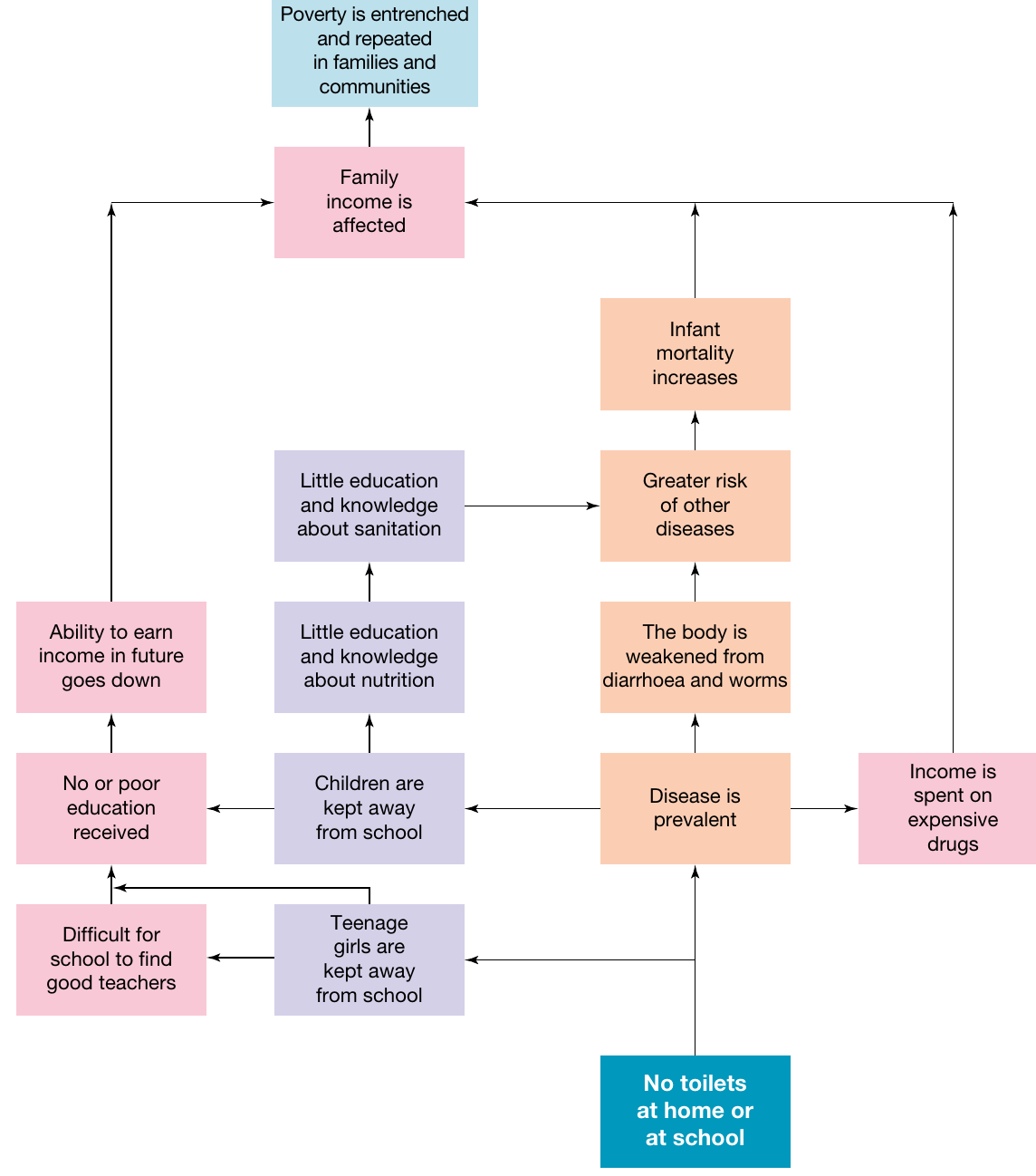
The following diagram illustrates how lack of sanitation creates and perpetuates a cycle of poverty, poor health, and reduced opportunities:
Note
The Sanitation-Poverty Cycle
The cycle shows how the absence of toilets at home or school leads to:
- Prevalent disease in the community
- Weakened bodies from diarrhoea and worms
- Greater risk of other diseases
- Increased infant mortality
- Children (especially teenage girls) being kept away from school
- Poor or no education received
- Little education about nutrition and sanitation
- Difficulty finding good teachers
- Reduced ability to earn income in the future
- Family income being affected
- Income spent on expensive drugs
- Poverty becoming entrenched and repeated in families and communities
This cycle demonstrates the interconnected nature of sanitation, health, education, and economic wellbeing, and helps explain why inadequate sanitation perpetuates health inequalities between countries.
Exam tips
Summary
Key Points for Exam Success:
- Be prepared to explain the difference between safe water and sanitation, even though they are often discussed together
- Understand the specific statistics about access rates in different income-level countries
- Be able to explain how lack of safe water and sanitation particularly affects women and children
- Recognise the connection between these factors and the poverty cycle
- Remember that rural populations typically have much less access than urban populations, especially in low-income countries
- Be able to discuss specific diseases associated with unsafe water and poor sanitation (diarrhoea, cholera, dysentery, typhoid, intestinal worms)
Remember!
Summary
Essential Takeaways:
- Safe water is water not contaminated with disease-causing pathogens or harmful chemicals. The average person needs a minimum of 50 litres per day.
- 2.2 billion people (one in three) lack access to clean water at home, causing approximately 3 per cent of global DALY and 1.2 million deaths annually.
- More than 2 billion people (one in four) lack basic sanitation, contributing to over 750,000 deaths in 2019.
- Lack of safe water and sanitation disproportionately affects low-income and middle-income countries, particularly rural populations, women, and children.
- These factors create a cycle of poverty by causing disease, reducing educational opportunities, limiting economic productivity, and draining family resources, which perpetuates health inequalities between countries.