Access to Health Services and Information (VCE SSCE Health and Human Development): Revision Notes
📚Revision Notes
Access to Health Services and Information
Introduction
Several key factors influence whether people can access health services and use health information effectively. Understanding these barriers helps explain why some Australians face greater challenges in receiving appropriate healthcare.
Health services include all services associated with the diagnosis and treatment of disease, as well as those promoting health and wellbeing. Access to these services is not equal across the Australian population.
Note
The main factors that affect access to health services and information are:
- Geographic location
- Socioeconomic status
- Health literacy
- Cultural factors
- Gender
Each of these factors can create significant barriers that prevent individuals from receiving the healthcare they need.
Geographic location
Australia is a vast country with a relatively small population spread across a large land area. While most Australians live in major cities like Melbourne, Sydney, or Perth, or in regional centres such as Ballarat or Bendigo, approximately one-third of the population resides in rural and remote areas.
Challenges for rural and remote Australians
People living in rural and remote regions face considerable difficulty accessing the same level of health services available to those in major cities. The primary challenge is simply the large distances that must be travelled to reach doctors and hospitals.

Healthcare provider distribution
Data from the Australian Institute of Health and Welfare reveals stark differences in healthcare provider availability between major cities and remote areas:
Important
Critical Disparities in Healthcare Provider Availability
General practitioners:
- Major cities: 105 per 100,000 population
- Very remote areas: 150 per 100,000 population
While GP numbers are actually higher in very remote areas, this masks the real problem with specialist services.
Specialist doctors:
- Major cities: 143 per 100,000 population
- Remote areas: 54 per 100,000 population
- Very remote areas: 22 per 100,000 population
Dentists:
- Major cities: 57 per 100,000 population
- Very remote areas: 17 per 100,000 population
Psychologists:
- Major cities: 73 per 100,000 population
- Very remote areas: 19 per 100,000 population
These statistics demonstrate that rural and remote Australians have severely limited access to specialist healthcare, dental services, and mental health support.
Technology and treatment limitations
Beyond the shortage of healthcare providers, rural and remote areas also have reduced availability of current technology for diagnosing and treating patients. This affects both emergency care and the management of chronic health conditions.
Emergency services
Services such as the Royal Flying Doctor Service help improve access for some people in remote areas. However, treatment for emergency health needs is still considerably slower than for those living in major cities, where ambulances and hospitals are in close proximity.
Preventative health services
Accessing preventative health services, such as cancer screening, is particularly difficult for people living in rural and remote areas. They may need to travel to a large regional hospital or city, which creates several barriers:
- Time away from work
- Time away from family
- Stress of travelling large distances
- Cost of travel and accommodation
Note
These factors create major barriers for rural and remote populations in accessing both emergency and preventative health services. The combination of distance, cost, and time requirements means that many essential health interventions are simply not feasible for people in these areas.
Socioeconomic status
Socioeconomic status (SES) refers to a person's position in society relative to other people, based on three key factors: income, occupation, and education. All three factors, particularly income, can significantly affect a person's ability to access health services and information.
Income barriers
Many Australians face barriers to accessing health services due to cost. Despite Medicare providing bulk-billing GP services and free treatment and accommodation in public hospitals, there can still be substantial out-of-pocket expenses for:
- Prescription medication
- Specialist consultations
- Surgery
- Dental care
For families and individuals on low incomes, these costs can make health services simply too expensive to access.
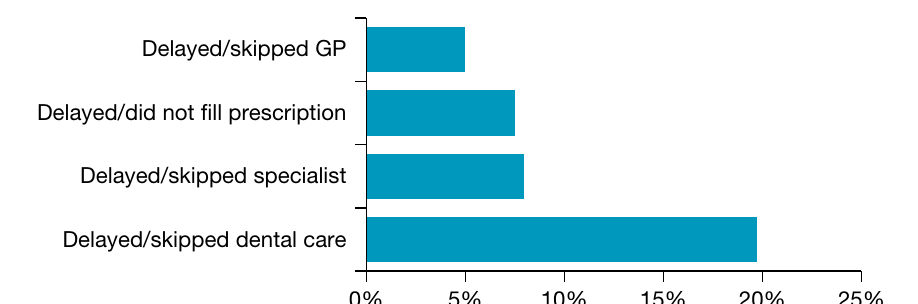
Statistics on delayed or skipped healthcare
Important
The Cost Barrier: A Persistent Problem
Recent data shows concerning levels of delayed or skipped healthcare due to cost:
- Approximately 1 in 20 Australians who needed to see a GP skipped or delayed the visit because of cost
- Almost 1 in 5 Australians delayed or skipped dental care because it was too expensive
- In 2016-17, 1.3 million Australians delayed seeing a GP due to cost
These statistics have remained relatively constant over time, indicating that cost continues to be a significant barrier for many Australians.
Private health insurance
Private health insurance can help reduce waiting times for elective surgery and specialist appointments. However, premiums can cost over $3,000 per year for families. Many families on low incomes cannot afford these premiums, which means they:
- Face long waiting times for elective surgery through the public hospital system
- Still have out-of-pocket expenses when seeing specialists
- Have limited access to dental and allied health services
Transport limitations
Limited financial resources also reduce transport options. Without easy access to transport, such as a car or affordable public transport, it becomes very difficult for some people to reach health services. This barrier is particularly significant for:
- Older Australians
- Those living in rural and remote areas
- People with disabilities
Occupation factors
A person's occupation can affect their ability to access medical services in several ways:
Note
Time constraints:
People who work long hours, do shift work, or travel for their occupation may not have time to seek medical treatment outside their work hours. Many people in well-paying jobs with high levels of responsibility feel they cannot take time off work to seek medical attention.
Lack of sick leave provisions:
Some people do not have provisions for sick leave in their employment, including:
- Casual workers
- Self-employed individuals
For these workers, taking time off to access medical services means they do not get paid. This creates a significant financial barrier that prevents them from accessing necessary healthcare.
Education and health literacy
Education is the third aspect of socioeconomic status. Its impact on the ability to access health services and information is particularly significant through its connection to health literacy, which is discussed in detail in the next section.
Health literacy
Overall levels of education are important in accessing and understanding health information. However, health literacy is a specific factor that deserves particular attention.
Important
Definition of Health Literacy
Health literacy is the degree to which individuals have the capacity to obtain, process, and understand basic health information and services needed to make appropriate health decisions.
The importance of health literacy
The need for health consumers to be 'health literate' in today's society is greater than ever before. Modern healthcare requires consumers to:
- Participate in more complicated preventative healthcare
- Engage in complex self-care regimes
- Understand increasingly complex health information
- Navigate more complex health systems
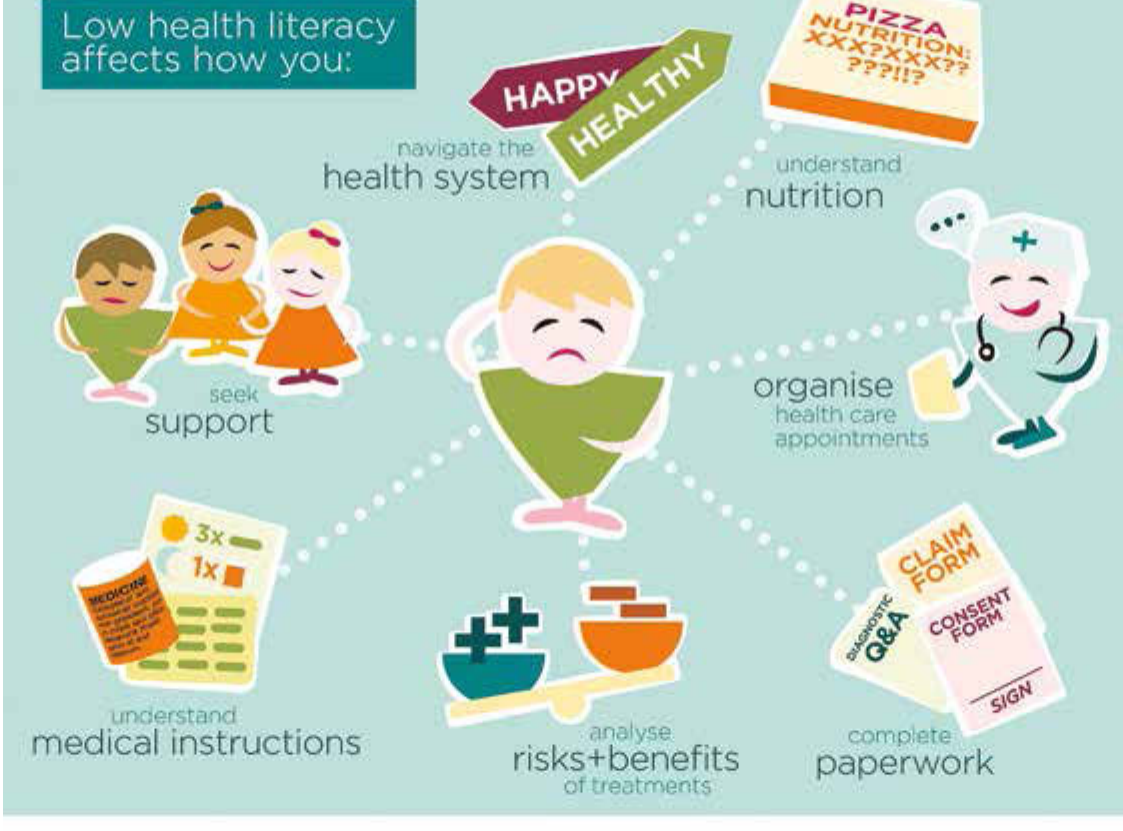
Health literacy statistics
Important
Critical Health Literacy Gap in Australia
Low levels of health literacy represent a significant problem in Australia:
- Only 40% of adults have the level of individual health literacy needed to meet the complex demands of everyday life
- This drops to 26% for those who speak English as a second language
- Only 21% of populations with low incomes have adequate health literacy
Beyond reading and interpreting
Health literacy is not just about reading and interpreting information about health problems and issues. It involves using that information to make good decisions based on a thorough understanding of:
- The health services available
- How best to access these services
- How to use these services effectively
Impact of low health literacy
Low levels of health literacy are associated with:
- Lower rates of participation in preventative health approaches such as cancer screening
- Reduced uptake of vaccinations
- Poor management of medications
- Difficulty navigating the healthcare system
- Problems understanding medical instructions
- Challenges in completing healthcare paperwork
Factors increasing barriers to health literacy
Note
The likelihood of a person experiencing barriers to health literacy increases when there are:
- Low levels of general education
- Socioeconomic disadvantage
- Existing language barriers
These factors often compound each other, creating even greater challenges for affected individuals.
Benefits of high health literacy
High levels of health literacy help people:
- Access a greater range of health services
- Use health information to make better decisions
- Promote their health and wellbeing more effectively
- Achieve improved overall levels of health and wellbeing
Cultural factors
Many different cultural factors may affect a person's ability to access health services and information. These factors include language barriers, religious beliefs, values, and expectations of the services provided.
Language barriers
A language barrier is a consistent and significant factor in limiting access to medical services and information. Australia is a culturally diverse country with many residents originating from non-English speaking backgrounds, including:
- Indigenous Australians
- Migrants
- Refugees
All of these groups may not use English as their first language at home. Those with a language barrier are much less likely to access medical services and information because they:
- Don't understand the information they are given
- May not feel they are in a safe environment
- May not feel they are in a culturally appropriate environment
Indigenous Australians
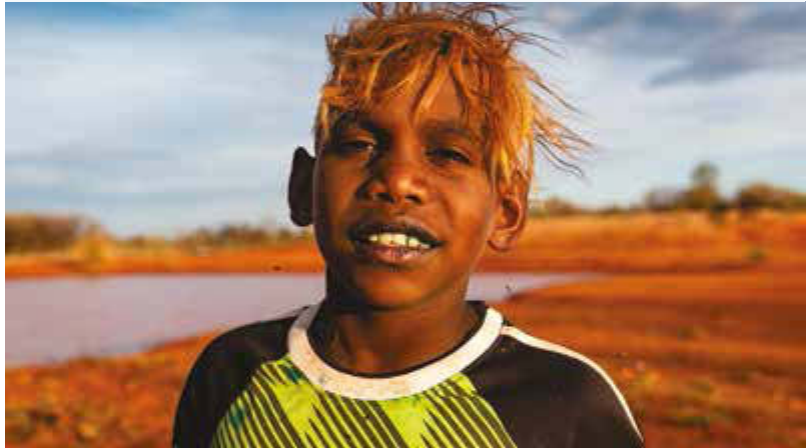
For Aboriginal and Torres Strait Islander peoples, additional cultural barriers exist:
Important
Western-oriented health system:
The predominantly western-oriented health system is staffed by non-Indigenous practitioners who may lack understanding of:
- Indigenous culture
- Indigenous concepts of health and wellbeing
Communication difficulties:
This cultural gap can leave patients feeling disempowered and less likely to access health services. Indigenous Australians, particularly in very remote areas, experience difficulties communicating with medical staff. As a result, they are less likely to access medical services, even when they are available.
Religious beliefs and values
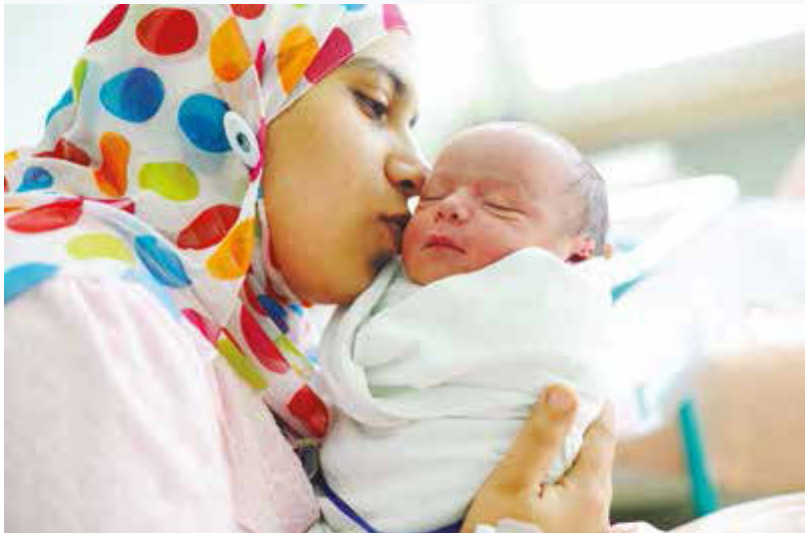
Religious beliefs and values contribute to barriers for some Australians accessing medical services in several ways:
Treatment restrictions:
In some religions, beliefs prevent patients from receiving certain available treatments. For example:
- Members of the Jehovah's Witness religion are not allowed to receive blood donations from others
- This limits their ability to access a full range of medical services during emergencies or surgery
Gender-specific care:
Some religions may prohibit women from consulting with male doctors. Requirements for dressing modestly may make some patients reluctant to expose parts of their body for examination. This may prevent them from seeking medical assistance at all.
Note
Dietary requirements:
Religious beliefs around food and fasting may act as a barrier to accessing necessary services such as in-hospital treatment where meals need to be provided. Healthcare facilities need to be aware of and accommodate these requirements to ensure equitable access.
Migrants and Medicare
An additional barrier to accessing the Australian healthcare system for new migrants is that they might not be covered by Medicare. This increases the costs of any services they might require, making healthcare financially inaccessible for many newly arrived migrants.
Gender
Australia's population of approximately 25.3 million is roughly half male and half female. Despite this equal split, there is a large disparity in the use of medical services between these two genders.
Gender disparity in healthcare use
Important
Significant Gender Gap in Healthcare Access
Statistics from 2018-2019 show:
- Australian males accessed an average of 14 Medicare services per person
- Females accessed 19.5 Medicare services per person
- Compared with females, males made a smaller proportion of GP consultations and hospitalisations
- Eleven per cent of males enrolled with Medicare in 2015-16 did not access any Medicare-provided services at all
Barriers preventing males from accessing health services

Several key factors have been identified as major barriers preventing males from accessing health services:
Limited opening hours:
Many medical services have limited opening hours outside of work hours, making it difficult for working males to attend appointments.
Lack of male health professionals:
Males may experience embarrassment at discussing sensitive, emotional issues, or reproductive health services with female health professionals. The lack of male health professionals in some areas creates a barrier.
Waiting room discomfort:
Discomfort in the waiting room and having to state the reason for the visit can deter males from seeking medical help.
Note
Social norms and masculinity:
Social norms and values associated with a traditional view of masculinity create barriers, including:
- Self-reliance
- Perseverance in the face of pain
- Reluctance to appear vulnerable
- Expectation to 'tough it out'
These factors mean that males are often reluctant to access medical services and ignore preventative health measures that may be offered.
Case study: Heart of Australia
Example
Worked Example: Addressing Geographic Barriers Through Innovation
Background:
Australians living in rural areas have a 44% higher chance of dying from heart disease than those in major Australian cities. In 2004, Brisbane-based cardiologist Dr Rolf Gomes set about changing this statistic.
The innovation:
Dr Gomes designed a mobile heart clinic known as the 'heart bus', which began travelling around outback Queensland. This initiative gives residents of rural and remote towns a far greater chance of surviving heart disease by bringing medical services directly to them, rather than requiring them to travel prohibitive distances to major regional or city hospitals.
The service:
Heart of Australia runs three custom-designed, high-tech trucks that are fully equipped with:
- Multiple treatment rooms
- A testing room
- Wheelchair-accessible patient waiting rooms
The trucks travel more than 8,000 km each month across two routes covering much of south-western and central Queensland. Healthcare is brought to people in remote towns such as Cloncurry, Charleville, Longreach, and Charters Towers.
Expansion:
Since its beginning, Dr Gomes has been joined by several other specialists, including:
- Cardiologists
- Endocrinologists
- Gynaecologists
- Doctors in other medical specialty areas
This expansion has increased access to a number of areas of medicine for people in remote towns.
Impact:
Dr Gomes credits Heart of Australia with saving more than 250 lives of rural Australians by diagnosing previously undetected heart conditions that would have gone untreated if medical care could not be accessed easily.
Remember!
Summary
Key Points to Remember:
-
Five key factors affect access to health services: geographic location, socioeconomic status, health literacy, cultural factors, and gender. Understanding these helps identify why some Australians struggle to receive appropriate healthcare.
-
Rural and remote Australians face significant barriers due to distance, fewer specialist doctors (22 per 100,000 in very remote areas versus 143 per 100,000 in major cities), limited technology, and difficulties accessing both emergency and preventative care.
-
Cost creates major barriers: Almost 1 in 5 Australians delay or skip dental care due to cost, and 1.3 million Australians delayed seeing a GP in 2016-17 because of financial concerns.
-
Health literacy is critically low: Only 40% of adults have adequate health literacy to meet everyday demands, dropping to 26% for those with English as a second language. This affects people's ability to navigate the health system, understand medical instructions, and make informed health decisions.
-
Males use significantly fewer health services than females: On average, males accessed 14 Medicare services per person compared to 19.5 for females. Barriers include limited opening hours, lack of male health professionals, waiting room discomfort, and social norms around masculinity that discourage help-seeking behaviour.