Early Life Experiences and the Intergenerational Nature of Health and Wellbeing (VCE SSCE Health and Human Development): Revision Notes
📚Revision Notes
Early Life Experiences and the Intergenerational Nature of Health and Wellbeing
Understanding intergenerational health and wellbeing
Health and wellbeing pass from one generation to the next. What happens to parents affects their children, and what happens to children affects their future children. This is called the intergenerational nature of health and wellbeing.
Intergenerational: The health and wellbeing of one generation affects the health and wellbeing of the next.
Note
Research demonstrates powerful intergenerational connections:
- Children born to mothers with high stress hormone levels during pregnancy are more likely to become addicted to nicotine as adults
- Children whose mothers smoke during pregnancy have higher rates of obesity and poorer cardiovascular health decades later
- A healthy mother creates a positive cycle of health that benefits future generations
Early life experiences also shape our health and wellbeing as adults. Risk factors such as low birth weight or stress in early life can build up over time and lead to chronic diseases in adulthood. The prenatal stage, infancy and early childhood set us on a path either towards or away from good health and optimal development.

When parents understand that early experiences have long-lasting effects, they can make better decisions about raising their children.
Epigenetics
What is epigenetics?
Throughout our development, our DNA gathers chemical markers called the epigenome. These markers decide how much or how little our genes are expressed (switched on or off). This explains why identical twins, who share the same DNA, can develop different behaviours, skills and health outcomes.
Epigenetics: The study of how behaviours and environment can cause changes that affect the way genes work.
Epigenome: A set of instructions that decides which bits of your DNA are activated, or which genes are switched on or off.
Genome: An individual's complete set of DNA.
How does the epigenome work?
Note
The DNA Music Analogy
Think of your DNA as a unique song. Your epigenome acts like an audio engineer, deciding which parts of the song play loudly, which get edited out, and which instruments dominate. Just as an audio engineer can create different versions of the same song, your epigenome can create different outcomes from the same genetic code.
Each type of cell in your body (skin, fat, liver, brain) has its own epigenome. While your DNA stays the same throughout your life, your epigenomes change based on your experiences.
What influences the epigenome?
The epigenome responds to both positive and negative experiences:
Positive influences:
- Secure attachment to caregivers
- Supportive relationships
- Play and learning opportunities
- Nurturing environments
Negative influences:
- Smoking and alcohol consumption
- Poor diet and lack of physical activity
- Obesity
- Psychological stress and trauma
- Physical stress
- Infectious diseases
- Environmental pollutants
- Sun exposure
- Stressful life circumstances
These factors affect how easily genes switch on or off, which impacts health and development.
Intergenerational transmission of epigenetic changes
Epigenetic changes can pass from parents to children and even grandchildren. This happens in several ways:
Maternal transmission:
What a mother does during pregnancy affects her developing baby's epigenome. For female babies, this impact extends even further. A female baby's lifetime supply of eggs forms while she grows in her mother's womb. This means a pregnant mother's experiences can affect her grandchildren's health.
Example
Case Study: The Dutch Famine and Three Generations
During World War II (1944-1945), German forces cut off food supplies to parts of the Netherlands, creating the Dutch famine. This tragic event provided insights into intergenerational health:
First Generation: Babies born to women during this famine had lower birth weights.
Second Generation: When these babies grew up and had their own children, the effects continued.
Third Generation: The grandchildren of famine survivors experienced significantly higher rates of diabetes and obesity than the rest of the population.
This demonstrates how a grandmother's experiences during pregnancy can affect the health of her grandchildren, even when those grandchildren never experienced the original stress.
Paternal transmission:
Fathers can also transfer epigenetic changes to their children through changes to sperm around conception. Studies in mice show that physical stress in father mice increases anxiety in offspring. However, positive changes work too - increased physical activity in father mice has beneficial effects on their offspring.
Body weight
The critical first 1000 days
Important
The First 1000 Days
The first 1000 days - from the beginning of pregnancy to a child's second birthday - are the most important period for development. What happens during this time sets the foundation for lifelong health and wellbeing.
Children born to undernourished mothers face increased risks of:
- Premature birth
- Low birth weight
- Weakened immune response
- Coronary heart disease in later life
- Obesity in later life
- Hypertension in later life
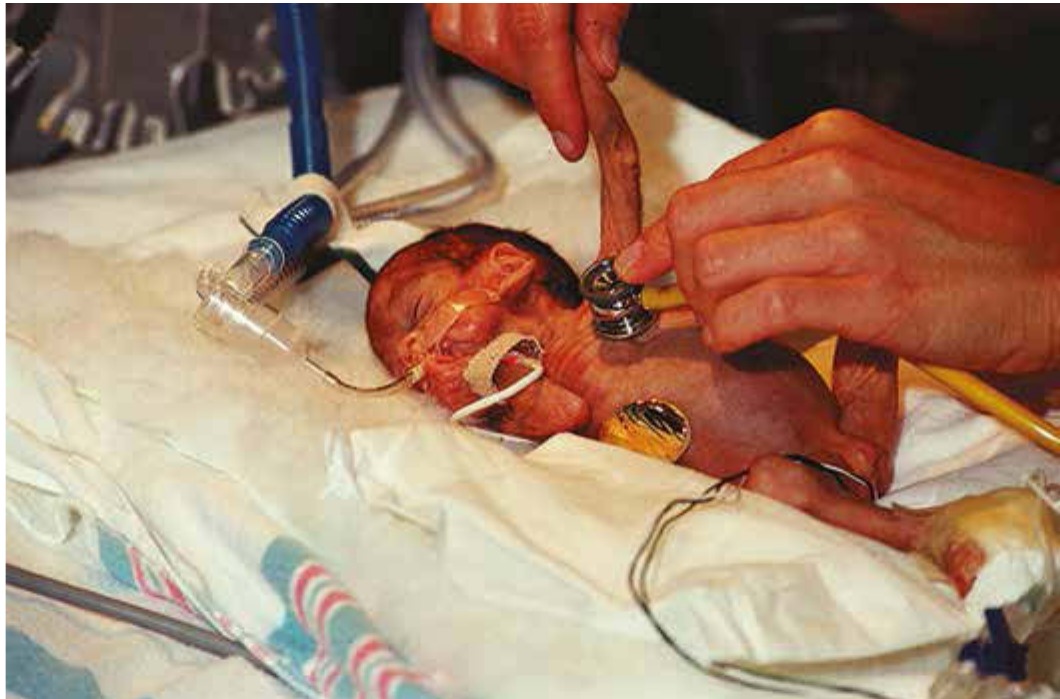
Low birth weight
Adequate birth weight generally means the body's systems have developed properly during pregnancy. This leads to better adaptation after birth and lower risk of health problems. Low birth weight suggests the body's systems are underdeveloped, increasing the risk of various health and development problems.
Classifications of low birth weight:
- Low birth weight: Less than 2500 grams at birth
- Very low birth weight: 1000-1500 grams
- Extremely low birth weight: Below 1000 grams
Causes of low birth weight:
- Premature birth
- Disrupted growth in the uterus due to parental smoking
- Poor maternal nutrition
Low birth-weight babies face several challenges. They may struggle with feeding, gaining weight and fighting infections. Because they have little body fat, they find it difficult to stay warm at normal temperatures.
Note
Statistics: One in 20 Australian babies is born with low birth weight. Indigenous babies experience higher rates (1 in 10), though this trend is improving.
Impact of very low or extremely low birth weight
| Impact on health and wellbeing | Impact on development |
|---|---|
| Reduced lung function | Reduced muscle bulk |
| Increased risk of bronchiolitis (inflammation of small airways in the lungs) | Reduced coordination |
| Feeding difficulties leading to inadequate nutrition | Poor sucking and swallowing reflexes |
| Increased risk of bradycardia (slow heart rate) | Greater likelihood of impaired growth and motor skill development |
| Apnoea (temporary suspension of breathing) | Greater likelihood of impaired learning capabilities |
| Jaundice (yellowing of the skin due to the immature liver's inability to process bilirubin) | Damage to the retina, potentially causing sight difficulties or blindness |
| Increased probability of lengthy hospital stay after birth | Increased risk of cerebral palsy |
| Increased risk of asthma during childhood | Increased risk of deafness |
Overweight and obesity in childhood
Early childhood experiences a natural slowdown in growth rate, which can affect appetite. Children have small stomachs, making it difficult to meet nutritional needs with only three meals daily. Healthy snacks between meals may be necessary.
Eating patterns should include foods from all five core food groups, with variety within each group. The focus should be on healthy family foods and creating an environment that encourages positive food behaviours.
Factors contributing to childhood obesity:
- Diet high in saturated fats and simple carbohydrates
- Overconsumption of carbohydrates, fats and protein
- Increased screen time
- Busy family lifestyles
- Lack of outdoor space for physical activity
Note
Children learn by example. They are more likely to make healthy choices and be active when they see their caregivers eating well and being physically active.

Important
Long-term outlook: Overweight or obese children are likely to remain obese as youth and adults. About 80% of obese youth become obese adults. The earlier someone experiences obesity, the sooner they may develop complications including:
- Type 2 diabetes
- Cardiovascular disease
- Metabolic syndrome
- Cancer
Research from the Netherlands indicates that being overweight during childhood triples the risk of developing depression in later life.
Consequences of childhood obesity
| Short-term consequences | Long-term consequences |
|---|---|
| Physical discomfort | Twice the risk of cardiovascular disease (high blood pressure, angina, heart attack) in adulthood |
| Bone and joint problems | Three times the risk of type 2 diabetes in adulthood |
| Asthma or shortness of breath during exercise | Increased risk of premature death |
| Tiredness and lethargy | Poor self-esteem leading to increased smoking and alcohol use, resulting in conditions such as lung cancer, cardiovascular disease and cirrhosis of the liver |
| High blood pressure | |
| Abnormal cholesterol levels | |
| Interrupted sleep due to breathing difficulties (sleep apnoea) | |
| Social and psychological distress from discrimination, bullying and teasing | |
| Low self-esteem | |
| Poor peer relationships |
Early relationships
Attachment
Attachment is a strong, long-lasting bond between a baby and their caregiver. A secure attachment develops when babies receive consistent and empathetic love and care during their first months of life. This creates a foundation for security, safety and good coping skills.
Attachments formed in infancy support social, emotional and mental health throughout life. They influence:
- Success or failure of future intimate relationships
- Ability to maintain emotional balance
- Ability to enjoy being ourselves and find satisfaction in being with others
- Ability to recover from disappointment and misfortune
How supportive relationships protect children
When young children have supportive relationships with adults, they learn to cope with everyday challenges - meeting new people, encountering new situations, or the frustration of a minor fall. With loving care, their stress response system returns to normal after difficult events.
Even with more serious difficulties (such as frightening injuries or parental divorce), children surrounded by caring adults who help them adapt are protected against the damaging effects of abnormal stress hormone levels.
Important
The Danger of Stress Without Support
Frequent or prolonged adverse experiences without adequate adult support can harm development. Experiences like:
- Extreme poverty
- Maternal depression
- Family violence
...when combined with lack of support, cause excessive cortisol (stress hormone) to disrupt brain development.
Problems created by stressful early environments:
In childhood:
- Poor school readiness
- Poor literacy and communication
- Social and health problems
In adulthood:
- Mental health problems
- Aggression and antisocial behaviour
- Poor literacy
- Effects of substance abuse
Parenting practices
Parenting practices refer to how parents or carers interact with their child daily and how they model behaviour. This includes the type of discipline used and how the parent responds to the child in different situations.
Parents with positive mental and emotional health are better able to create healthy parent-child relationships than those with poor mental health. For example, parental warmth means interactions characterised by:
- Affectionate behaviours
- Interest and involvement in the child's activities
- Responsiveness to the child's moods and feelings
- Positive expressions of approval and support
This warmth supports better social health through successful relationships with peers at school, at work, and with friends and partners.
Effects of child abuse
Some children experience abuse as part of their parenting environment. These children face greater risk of emotional and behavioural problems compared with other children.
Short-term effects of child abuse:
- Sleeping difficulties
- Regression to earlier developmental stages (bedwetting, thumb sucking)
- Anxiety or fear
- Aggressive or antisocial behaviour, or social isolation
- Avoiding social or school events
- Becoming victims or perpetrators of bullying, or being cruel to animals
- Stress-related illnesses (headaches, stomach cramps)
- Speech problems such as stuttering
Long-term effects:
Note
Children exposed to abuse may learn to solve problems using violence. Witnessing violent behaviour from adult role models, they may grow up to behave destructively in their own adult relationships.
Early environment and learning opportunities
Prenatal stress and cortisol
Stress during pregnancy releases cortisol. In early pregnancy, cortisol serves important functions - it suppresses the mother's immune system to prevent rejection of the foetus, and helps regulate blood flow between the placenta and foetus.
Important
Pregnant women with consistently high stress (and therefore high cortisol levels) face greater risk of:
- Premature birth
- Having a baby with much higher sensitivity to stress
Research shows that as these babies grow from infancy to early childhood, they may display heightened anxiety compared with other children, such as being scared of going to school.
Brain development
The human brain begins forming just three weeks after fertilisation. At birth, babies have approximately the same number of neurons as adults, but about ten times fewer connections between them.
Note
From Birth to Age Three:
The brain undergoes remarkable changes:
- The number of brain connections multiplies by 20
- A process called pruning selectively eliminates unused connections
- Pruning helps structure the brain into organised, efficient networks
- Every child's brain becomes unique depending on their individual experiences
- Repeated use and stimulation strengthens connections
- This contributes to networks supporting learning, memory and other cognitive abilities
The importance of play
Children need at least 60 minutes daily of unstructured play. This means entertaining themselves, alone or with other children, without adult or technological interference. During this time, they use imagination and creativity while practising decision-making and problem-solving.

Many developmental experts believe the best toys have the fewest rules. Through play, toddlers learn about the world.
Benefits of play for development:
Emotional benefits:
- Reduces fear, anxiety, stress and irritability
- Creates joy, self-esteem and mastery
Social benefits:
- Increases empathy and sharing
- Improves relationships and attachment
Physical benefits:
- Increases efficiency of immune, endocrine and cardiovascular systems
- Increases agility, coordination and balance
- Develops fine and gross motor skills
Intellectual benefits:
- Enhances creativity
- Develops problem-solving skills
- Improves language skills
Concerns about screen time
Important
The Impact of Excessive Screen Time
In the UK, the Association of Teachers and Lecturers reports that widespread tablet use among preschool-age children produces concerning developmental outcomes:
- Developmental delays in attention span
- Delays in fine motor skills and dexterity
- Speech delays
- Socialisation problems
UK research also indicates rising numbers of infants lack motor skills needed to play with building blocks because of over-reliance on tablet computers and smartphones.
The impact of poverty on development
Parents or carers struggling daily to ensure their children have enough to eat and are safe from harm may lack the material resources, information or time needed to provide stimulating experiences that foster optimal brain development.
Infants and children who are:
- Rarely spoken to
- Exposed to few toys
- Given little opportunity to explore and experiment with their environment
...may fail to fully develop the neural connections and pathways that support later learning.
Sleep and routines
Note
When safety needs are met, children can focus on play and exploring, allowing their brain to absorb experiences. However, when needs are not met consistently or pleas for comfort are ignored or met with harsh words, infants continue focusing energy on getting their needs met. They have increasing difficulty interacting with people and objects in their environment, and their brain may shut out the stimulation needed for optimal intellectual and social skill development.
When there is no routine for eating and sleeping, and comforting occurs unpredictably, healthy sleep-wake patterns and ability to settle do not develop well. This reduces the likelihood that babies will form healthy routines and the ability to self-regulate.
Secure, stable housing with quiet, predictable sleeping areas for babies is important for promoting optimal development from childhood through adulthood. Research suggests inadequate sleep leads to:
- Disruptive behaviour patterns
- Diminished intellectual performance
- Greater risk of obesity in childhood and adulthood
Summary
Key Points to Remember:
-
Intergenerational health: What happens to one generation affects the next. Early life experiences shape health and wellbeing throughout life and across generations.
-
Epigenetics matters: Environmental and lifestyle factors can change how genes are expressed, and these changes can pass to children and grandchildren. The first 1000 days (pregnancy to age 2) are especially critical.
-
Body weight impacts: Both low birth weight and childhood obesity create health risks extending into adulthood. Low birth weight can affect development across multiple systems, while childhood obesity increases risks of type 2 diabetes, cardiovascular disease and mental health problems.
-
Relationships are foundational: Secure attachment and positive parenting in early life create the foundation for lifelong mental, emotional and social wellbeing. Adverse experiences without adult support can disrupt brain development and create lasting problems.
-
Early learning shapes the brain: From birth to age three, brain connections multiply rapidly. Play, stimulation, positive relationships and adequate sleep are essential for optimal brain development and future capabilities.