The Role of Parents in Achieving Optimal Prenatal Development (VCE SSCE Health and Human Development): Revision Notes
📚Revision Notes
The Role of Parents in Achieving Optimal Prenatal Development
Understanding risk and protective factors
Parents play a crucial role in optimising the health and development of their unborn baby during pregnancy. By understanding the factors that can either help or harm foetal development, parents can make informed choices that set their child on a pathway to better health outcomes throughout life.
Risk factor: Something that increases the likelihood of developing disease or injury.
Protective factor: Something that enhances the likelihood of a positive health and wellbeing outcome and lessens the likelihood of negative health and wellbeing outcomes from exposure to risk.
Note
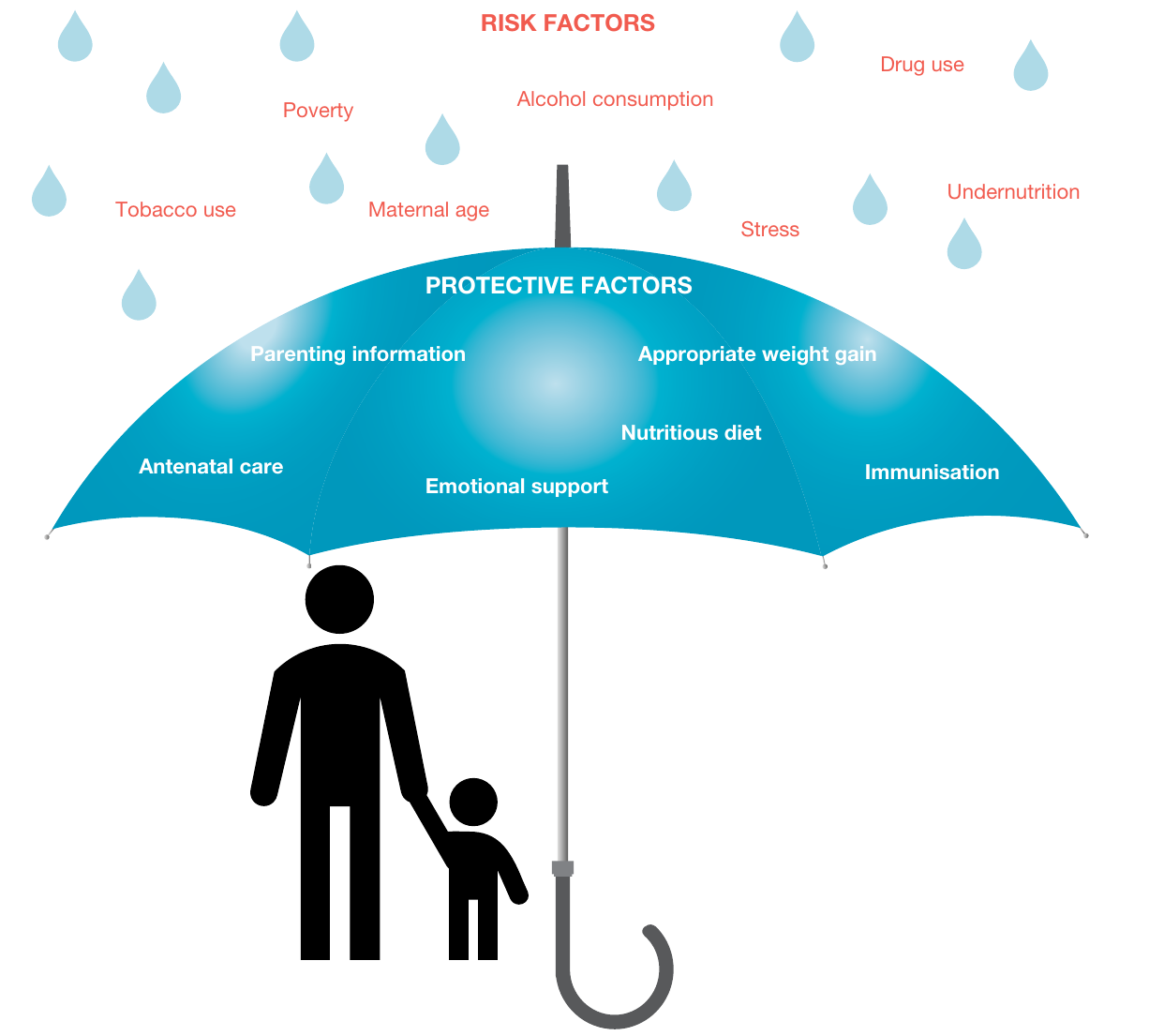
During pregnancy, numerous risk factors can threaten the developing baby, including poverty, tobacco use, maternal age, alcohol consumption, drug use, stress, and undernutrition. However, protective factors act as a shield against these risks. These include antenatal care, access to parenting information, nutritious diet, emotional support, appropriate weight gain, and immunisation.
Antenatal care
Seeking antenatal care is one of the most important responsibilities parents have during pregnancy. Regular antenatal visits provide essential monitoring and support for both mother and baby throughout the pregnancy journey.
The National Antenatal Care Guidelines recommend that pregnant women have their first antenatal visit within the first ten weeks of pregnancy. First-time mothers with uncomplicated pregnancies are advised to attend ten visits throughout their pregnancy. These visits serve multiple critical purposes.
Antenatal care helps ensure the baby develops normally and achieves a healthy birthweight. Regular monitoring can reduce rates of premature birth and decrease the risk of neonatal death after the baby is born. For mothers, these visits monitor and promote overall health and wellbeing.
Healthcare providers use antenatal visits to decrease the risk of certain birth defects through early screening and intervention. They can diagnose and treat pregnancy complications before they become serious. Antenatal care also provides guidance on healthy weight gain during pregnancy, along with counselling and reassurance for expectant parents.
Maternal undernutrition
When a fertilised egg implants in the uterus, it divides into two distinct types of cells. Some cells will form the developing baby, while others form the placenta, which provides nutrition and oxygen to the growing foetus.
In women who are undernourished, the body prioritises survival by directing more cells to form the placenta rather than the foetus. This means the developing baby starts smaller than it should be, and its growth in the uterus becomes restricted. This process significantly increases the risk that the baby will have low birthweight (weighing less than 2500 grams) when born.
Important
Low birthweight babies face numerous health complications. Because many low birthweight babies are also born prematurely, it can be difficult to separate which problems stem from early birth and which come from being underweight. However, we know that lower birthweight generally means higher risk for serious complications.
These complications include:
- Low oxygen levels at birth, which can damage developing organs
- Difficulty maintaining body temperature due to insufficient body fat
- Problems with feeding and gaining weight after birth
- Increased vulnerability to infection
- Breathing problems, including infant respiratory distress syndrome
- Increased risk of sudden infant death syndrome (SIDS)
Maternal diet
Proper nutrition is essential for supporting a healthy pregnancy, and this preparation ideally begins before conception. The developing foetus depends entirely on the mother's nutritional stores for its growth and development.
A woman's nutritional status during pregnancy directly reflects the nutritional reserves she has built up in her body before becoming pregnant. Women who have nutritional deficiencies before conception will likely continue to have these deficiencies during pregnancy. This becomes even more problematic because pregnancy creates additional nutritional demands to support the growing baby.
Three nutrients are particularly critical before and during pregnancy: folate, iodine, and iron.
Folate (folic acid)
Folate is a B-group vitamin with several vital functions during pregnancy. It is required for the formation of red blood cells, which transport oxygen throughout the body to all tissues and organs. Folate also assists with DNA synthesis, enabling cells to divide and multiply properly. Perhaps most importantly for pregnancy, folate supports cell growth and the development of the baby's nervous system.
Consuming adequate folate before conception and during early pregnancy significantly reduces the risk of neural tube defects in the developing baby.
Neural tube defect: Failure of the neural tube (which develops into the central nervous system) to close during the development of the embryo, resulting in conditions such as spina bifida.
Important
The neural tube is a cylindrical structure that forms early in pregnancy and eventually becomes the baby's brain and spinal cord. When this tube fails to close properly during development, it causes damage to the brain and spine, and to the nerve tissue of the spinal cord. The vertebrae (spine bones) or skull may not close completely, leaving the spinal cord or brain exposed and vulnerable to further damage.
Spina bifida is the most common type of neural tube defect. Children born with spina bifida may experience:
- Walking difficulties, with some unable to walk at all
- Reduced sensation in their legs and feet, increasing risk of burns and pressure sores
- Urinary and faecal incontinence
- Sexual dysfunction in later life
- Deformities of the spine (scoliosis), affecting posture and mobility
Good dietary sources of folate include green leafy vegetables, poultry, eggs, cereals, citrus fruits, and legumes. Recognising the importance of folate for preventing birth defects, the Australian government has mandated that all wheat flour used in bread making must contain added folic acid. This provides a common and inexpensive source of folate for pregnant women. Many breakfast cereals and fruit juices sold in Australia also have folic acid added.
Iodine
Iodine is particularly critical during the pre-conception period and the first 16 weeks of pregnancy. During this crucial time, iodine ensures the healthy development of the baby's brain and nervous system.
Important
When iodine is deficient during pregnancy, the consequences can be severe and permanent. Babies may experience:
- Stunted growth
- Intellectual disability
- Irreversible effects on brain development
The effects of iodine deficiency on brain development cannot be reversed once they occur.
Countries with sufficient iodine naturally present in the soil can usually meet their population's iodine needs through crops grown on that land. However, Australia does not have adequate iodine in the soil, which has led to a re-emergence of iodine deficiency in recent decades.
To address this public health concern, iodine in the form of iodised salt is added to other food items, particularly wheat flour used in bread making. However, Australians are also reducing their salt intake because of increasing rates of cardiovascular disease. This creates a challenge: people need iodine but should limit salt consumption. Therefore, it is essential that pregnant women ensure they meet their iodine requirements through other dietary sources.
Note
Iodine is naturally present in fish, seaweed, eggs, cow's milk, and strawberries.
Iron
Iron is a mineral that becomes especially important during pregnancy due to increased demands for oxygen for the developing foetus and increased energy needs of the mother.
During pregnancy, blood volume increases substantially to cater for the developing baby and the mother's enlarging reproductive organs. Iron is essential for making haemoglobin, a component of blood that carries oxygen around the body to all cells and tissues.
The developing foetus also draws iron from the mother to build up its own iron stores. These stores must last the baby through the first five or six months after birth when its growth demands are highest.
Good sources of iron include red meat, fortified cereals, egg yolks, legumes, nuts, and green leafy vegetables. Vitamin C assists with the uptake of iron from the small intestine, so consuming vitamin C-rich foods alongside iron sources improves absorption. However, high-fibre diets, alcohol, and tannic acid found in tea can interfere with iron absorption.
Important
When the body lacks sufficient iron, it cannot form enough haemoglobin, leading to iron-deficiency anaemia. In pregnant women, iron-deficiency anaemia creates serious risks:
- Increased likelihood of premature birth
- Higher risk of having a low birthweight baby
- Additional health complications for both mother and baby
Foods pregnant women should avoid
Maternal diet can also be a risk factor if it includes certain dangerous foods. Some foods contain the bacteria Listeria monocytogenes, which can cause listeria infection. This infection significantly increases the risk of miscarriage, stillbirth, or premature labour.
Note
To avoid listeria infection, pregnant women should not consume:
- Soft-serve ice-cream
- Unpasteurised foods and soft cheeses such as camembert, brie, and ricotta (unless these are cooked and served hot)
- Pre-cooked or prepared cold foods such as quiches, delicatessen meats, salad from buffets, and paté
- Raw seafood such as sashimi, oysters, and smoked seafood such as salmon
Foods containing high levels of mercury pose another risk to the developing baby. Mercury exposure can cause delayed development in the early years of life. Parents may not notice these effects until the child fails to reach developmental milestones at the expected age. Mercury exposure may also result in difficulties with memory, language, and attention span.
Women need to be selective about the types of fish they consume during pregnancy because some fish accumulate significantly higher levels of mercury than others. Pregnant women should avoid shark, swordfish, barramundi, gemfish, orange roughy, and southern bluefin tuna.
Parental smoking and tobacco smoke in the home
Smoking during pregnancy represents a significant risk factor for numerous conditions affecting both the mother and her unborn baby. Tobacco smoke contains thousands of different chemicals, many of which are toxic to the developing foetus.
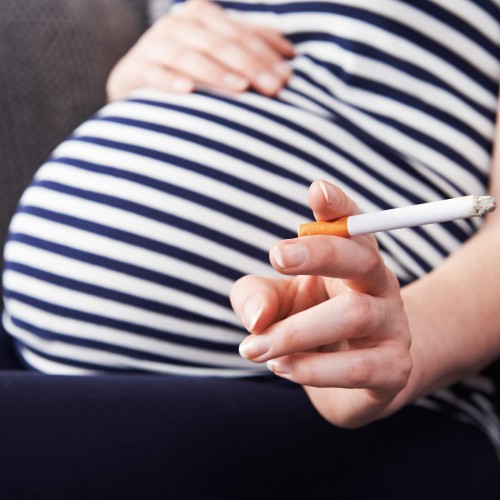
When a pregnant woman smokes, the tobacco smoke reduces oxygen flow to the placenta, meaning the developing baby receives less oxygen than it needs for healthy growth. At the same time, smoking exposes the developing foetus to numerous toxins that can interfere with normal development.
Paternal smoking can also play a role, as fathers who smoke may experience reduced fertility, making conception more difficult. Maternal smoking during pregnancy increases the risk of a wide range of health, wellbeing, and developmental conditions in the unborn baby.
Important
Risks associated with maternal smoking include:
- Low birthweight
- Spontaneous abortion (miscarriage)
- Ectopic pregnancy (when the embryo implants outside the uterus)
- Prematurity
- Complications with the placenta
- Various birth defects
- Lung function abnormalities and respiratory conditions
- Increased risk of perinatal mortality (death around the time of birth)
According to the Australian Institute of Health and Welfare, research shows that the more cigarettes a mother smokes, the higher the risk of poor birth outcomes. This dose-response relationship means that every cigarette matters.
Tobacco smoke in the home creates another serious risk through passive smoking. Passive smoking means breathing in other people's tobacco smoke, also called environmental tobacco smoke or second-hand smoke.
Tobacco smoke behaves in ways that make passive smoking particularly dangerous. It cools quickly after being released, which prevents it from rising upward. Because smoke is heavier than air, it tends to hang in mid-air rather than dispersing into the atmosphere. This means smoke concentrates in the lower half of rooms where people breathe.
For pregnant women who live with one or more smokers, the home becomes a significant source of exposure to second-hand smoke. This exposure to environmental tobacco smoke can contribute to the same health, wellbeing, and developmental effects as if the mother were smoking herself.
Alcohol use during pregnancy
Alcohol consumption poses serious risks to pregnancy from the very beginning. Even before conception, alcohol can interfere with fertility, making it harder for women to become pregnant. For this reason, women who are trying to fall pregnant should limit their alcohol consumption or stop drinking altogether.
The consumption of alcohol during pregnancy can cause significant harm to the unborn child. When a pregnant woman drinks alcohol, it crosses the placenta from the mother's blood directly into the baby's blood. The developing foetus cannot process alcohol the way an adult body can, so it remains in the baby's system, causing damage.
Foetal alcohol spectrum disorder (FASD): Describes a range of features seen in babies who have been exposed to alcohol while in the womb.
Important
A foetus severely affected by foetal alcohol spectrum disorder may die before birth. The alcohol can:
- Harm the development of the baby's nervous system, including the brain, causing permanent damage to cognitive function and behaviour
- Narrow the blood vessels in the placenta and umbilical cord, restricting the blood supply to the foetus
- Reduce the oxygen and nutrients the baby receives
The impact of foetal alcohol spectrum disorder on an unborn child is substantial and affects both health and physical development:
| Impact of alcohol consumption on health and wellbeing | Impact of alcohol consumption on physical development |
|---|---|
| Increased risk of premature birth | Low birthweight |
| Increased risk of stillbirth | Smaller head circumference (microcephaly) |
| Undernourishment of the growing baby due to alcohol blocking the absorption of nutrients | Small eyes and epicanthal folds (a skin fold of the upper eyelid covering the inner corner of the eye) |
| Reduction in the amount of oxygen available to the baby due to alcohol narrowing the blood vessels in the placenta and/or umbilical cord resulting in the restriction of blood supply | Flattened face, including the bridge of the nose due to earlier than normal cell changes in the baby's face during development |
| Underdeveloped vertical ridges between the nose and upper lip | |
| Smaller lower jaw | |
| Heart defects | |
| Restriction of movement of elbow and knees due to tightening of ligaments, muscles, tendons and skin around the joints |
Heavy consumption of alcohol, particularly during the first trimester (first three months) of pregnancy, is especially dangerous to the developing foetus. This is when critical organ systems are forming, and alcohol exposure can cause permanent damage.
Important
The World Health Organisation recommends that pregnant women consider not consuming alcohol at all during pregnancy. There is no known safe level of alcohol consumption during pregnancy, so complete avoidance is the only way to eliminate this risk.
Remember!
Summary
Key takeaways for optimal prenatal development:
-
Risk and protective factors matter: Understanding both risk factors (poverty, tobacco use, alcohol, poor nutrition, stress) and protective factors (antenatal care, nutritious diet, emotional support) helps parents make informed choices to optimise their baby's development.
-
Antenatal care is essential: Regular antenatal visits, beginning within the first ten weeks of pregnancy, help monitor development, identify problems early, and provide crucial guidance and support.
-
Three critical nutrients: Folate prevents neural tube defects like spina bifida; iodine is crucial for brain development in the first 16 weeks; and iron supports increased blood volume and prevents low birthweight.
-
Avoid harmful substances: Smoking reduces oxygen flow and exposes the baby to thousands of toxic chemicals. Alcohol crosses the placenta and can cause permanent damage through foetal alcohol spectrum disorder. Both should be completely avoided during pregnancy.
-
Food safety is important: Pregnant women should avoid foods containing Listeria bacteria (soft cheeses, deli meats, raw seafood) and high-mercury fish to protect their developing baby from infection and delayed development.