Initiatives to Address Indigenous Health and Wellbeing (VCE SSCE Health and Human Development): Revision Notes
📚Revision Notes
Initiatives to Address Indigenous Health and Wellbeing
Introduction
Aboriginal and Torres Strait Islander Australians face significant health disparities compared to other Australians, with lower life expectancy and poorer health outcomes across many areas. These inequalities represent substantial opportunities for improvement, making Indigenous health a major focus for health promotion initiatives across Australia. Understanding these programs helps identify successful approaches that can be expanded to bring greater improvements to Aboriginal and Torres Strait Islander peoples' health and wellbeing.
Note
Multiple programs have been developed to address these health disparities, each targeting different aspects of health and wellbeing. These initiatives work to empower communities, provide culturally appropriate healthcare, and address specific health challenges faced by Indigenous Australians.
The Closing the Gap initiative
Background and purpose
In March 2008, the Council of Australian Governments (COAG) made a commitment to work towards achieving equality in health status and life expectancy between Aboriginal and Torres Strait Islander peoples and other Australians. This agreement, known as Closing the Gap, originally set a target date of 2030 for achieving these goals.
Important
Following consultation with Aboriginal and Torres Strait Islander representatives in 2020, the agreement was revised to include Indigenous groups as partners alongside governments. The targets were broadened to focus on achieving equality across all aspects of life, not just health, and the deadline was adjusted to 2031. This represents an important example of building healthy public policy through government action.
Key targets for 2031
The revised Closing the Gap agreement identifies 16 targets to measure progress in Indigenous health and wellbeing. These targets address multiple areas including health outcomes, education, employment, housing, legal rights, and cultural preservation. Key targets include:
- Closing the gap in life expectancy within a generation
- Increasing the proportion of Aboriginal and Torres Strait Islander babies born with a healthy birthweight to 91%
- Increasing youth engagement in employment, education, or training to 67% for those aged 15-24 years
- Improving housing conditions, with 88% of Aboriginal and Torres Strait Islander people living in appropriately sized, non-overcrowded housing
- Achieving significant and sustained reductions in violence and abuse against Aboriginal and Torres Strait Islander women and children, working towards zero
- Achieving significant and sustained reductions in suicide among Aboriginal and Torres Strait Islander peoples, working towards zero
Under the Closing the Gap strategy, numerous programs and interventions have been implemented. These initiatives work at different levels and address various health concerns.
Specific health promotion programs
Deadly Choices initiative
The Deadly Choices initiative uses the Aboriginal slang term "deadly" (meaning great or excellent) to promote positive health choices. Beginning in Queensland in 2010, this program has expanded across Australia, working to empower Aboriginal and Torres Strait Islander peoples to make healthy decisions for themselves and their families.
The program focuses on three main areas: stopping smoking, eating nutritious food, and engaging in daily exercise. This initiative works to develop personal skills by providing education programs including tobacco cessation support and cooking classes. These programs give people practical knowledge they can use to improve their health.
Note
A central component is encouraging people to access Community Controlled Health Services for annual health checks. This approach reorients health services by enabling health workers to identify individuals at risk of health problems and address concerns before diseases or injuries develop. Early detection and prevention are key strategies for improving health outcomes.
The initiative strengthens community action by empowering Aboriginal and Torres Strait Islander communities to manage their own health services, delivered by community members. Cultural appropriateness is crucial for success, as culturally relevant healthcare increases the likelihood that Aboriginal and Torres Strait Islander peoples will access these services. This is particularly important for vulnerable groups like pregnant women and young children, where appropriate care can significantly improve health and wellbeing outcomes.
Learn Earn Legend!
Launched by the Australian government in February 2010, Learn Earn Legend! targets young Aboriginal and Torres Strait Islander peoples with a message about the value of education and employment. The program name itself communicates its core message: stay in school to learn, get qualifications to earn a living, and become a legend for yourself, your family, and your community.

The program develops personal skills by encouraging young people to remain in school and build capabilities like literacy and numeracy. These foundational skills are essential for future employment opportunities and overall wellbeing. Young participants are paired with Aboriginal and Torres Strait Islander mentors who provide guidance about the importance of education, training, and employment pathways.
Note
Learn Earn Legend! strengthens community action by using community leaders, sports stars, and respected local figures as program deliverers. This approach is effective because young Aboriginal and Torres Strait Islander people are more likely to engage with role models they respect and aspire to emulate. The program has created partnerships with major sporting organizations including AFL in NSW and ACT, Tennis Australia's National Indigenous program, NRL Indigenous All Stars, and Former Origin Greats (FOGS), using sport as a vehicle for positive health and social messages.
The 2 Spirits program
The 2 Spirits program takes a whole-of-community approach to improving sexual health and wellbeing for Aboriginal and Torres Strait Islander gay men and sistergirls. This program recognises the specific health needs and challenges faced by these community members.
Important
Sistergirls are Aboriginal and Torres Strait Islander transgender women who were assigned male at birth. They have a distinct cultural identity within Indigenous communities and often take on traditional female roles, including caring for children and family members.
The program reorients health services by working in consultation with community members to identify appropriate ways to address sexual health issues. Services provided include printed resources and campaigns, peer education workshops, retreats for gay men, sistergirls, and people living with HIV, and social support groups. This consultation ensures that services are culturally appropriate and meet the actual needs of the target population.
Additionally, 2 Spirits strengthens community action by extending services to partners, families, and friends of Aboriginal and Torres Strait Islander people living with HIV, gay men, and sistergirls, as well as the wider community. Community forums focusing on HIV/AIDS, sexual health and wellbeing, injecting drug use, discrimination, and sexuality issues help to develop personal skills by increasing knowledge and understanding throughout communities. This broader engagement helps reduce stigma and builds supportive environments.
The Aboriginal Road to Good Health program
This Victorian program focuses specifically on preventing type 2 diabetes among Aboriginal peoples and their families. Type 2 diabetes is a significant health concern for Indigenous Australians, often linked to lifestyle factors including diet and physical activity levels.
The program aims to develop personal skills by helping participants make sustainable lifestyle changes. This includes teaching people how to be more physically active and how to choose healthier food and drink options. Practical skills like reading food labels help participants make informed decisions about their nutrition. These changes not only reduce the risk of type 2 diabetes but also help prevent related conditions such as heart disease and high blood pressure.
Note
The program creates a supportive environment by being offered free of charge to participants, removing financial barriers to access. It operates in multiple communities across Victoria, delivered by Aboriginal health workers alongside other health professionals. This use of Indigenous health workers also reorients health services, as having health staff from the same cultural background can make services more accessible and appropriate for Aboriginal peoples.
Tackling Indigenous Smoking (TIS) initiative
The Tackling Indigenous Smoking program is a federal government initiative recognising that smoking is a major contributor to poor health outcomes and reduced life expectancy among Aboriginal and Torres Strait Islander peoples. The program works through local organisations to implement activities designed to reduce smoking rates in Indigenous communities.
The TIS program reorients health services through several mechanisms. It provides a three-day Quitskills training program that gives frontline community and health workers the knowledge and skills needed to support Aboriginal and Torres Strait Islander people who want to quit smoking. This upskilling of local workers means communities have increased capacity to address smoking within their own populations.
Note
The program also creates a supportive environment through various grant programs. Regional tobacco grants provide funding for local organisations to implement tobacco cessation activities tailored to their communities. Indigenous Quitline enhancement grants work to improve Quitline services so they can provide more accessible and culturally appropriate support for Aboriginal and Torres Strait Islander peoples. These funding mechanisms ensure that anti-smoking initiatives are properly resourced and can operate effectively at the local level.
Aboriginal Quitline
Aboriginal Quitline operates as a telephone counselling service specifically designed for Aboriginal and Torres Strait Islander peoples who want to quit smoking. The service is available to clients in Victoria, New South Wales, and Queensland.
The service creates a supportive environment by providing confidential, accessible support via telephone. This removes barriers such as travel distance to services, making help available regardless of where people live. Staff are trained professionals with specialist skills in helping people quit smoking in culturally appropriate ways.
Counsellors work to develop personal skills by providing callers with personalised quitting plans tailored to their individual needs. They offer information about different quitting methods and products, giving people the knowledge they need to successfully stop smoking. When requested, counsellors can also connect callers with local support groups, further creating a supportive environment by linking people to ongoing community-based assistance.
Feedin' the Mob
Feedin' the Mob is a nutrition, physical activity, and healthy lifestyle program operating in the City of Whittlesea, Victoria, specifically designed for Aboriginal Australians. Based at Plenty Valley Community Health, the program receives federal government funding and support from Whittlesea Council through its Healthy Communities initiative. This funding commitment represents building healthy public policy at both federal and local government levels.
The program strengthens community action by actively involving the community in program activities. It draws on local Indigenous culture to make health messages more relevant and engaging. This cultural connection helps participants feel the program is appropriate for them and increases engagement.
Note
Activities are designed to develop personal skills by teaching the benefits of healthy eating and active lifestyles. Target audiences include teenagers, parents and carers, people living with chronic illness, and Elders, recognising that different age groups and life stages have different needs. The program includes practical components like a community garden, cooking classes, and information sharing about primary healthcare and chronic disease prevention. These hands-on activities help participants learn by doing, making healthy behaviours more achievable.
Fitzroy Stars
The Fitzroy Stars Football Club, based in Melbourne's northern Aboriginal community, demonstrates how sport can be a vehicle for health promotion. While football is central to the club, its mission extends far beyond the game itself.
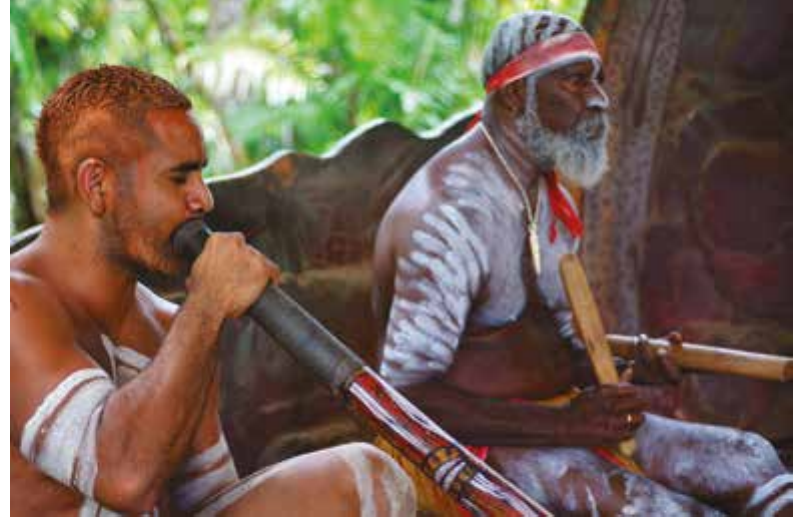
The club aims to nurture a culture promoting healthy lifestyles, promote fitness, nutrition, and self-esteem, offer pathways to employment and education, and foster reconciliation by building bridges between Aboriginal and non-Aboriginal communities.
Originally formed in 1970, the club was inactive for 13 years until 2008, when VicHealth, Oxfam, and the Aboriginal Advancement League worked together to resurrect it. This collaboration strengthened community action by bringing together different organisations with shared goals. Today, families and community members regularly participate in supporting their team and volunteering to sustain and grow the club.
Note
The Fitzroy Stars creates a supportive environment by providing a safe space where families can participate in sport and socialise. This gives community members a positive focus for their weekends and builds social connections that support wellbeing.
To achieve its broader mission, the club develops personal skills through education on topics like nutrition and employment. It also reorients health services by using health professionals to deliver weekly sessions on preventative healthcare topics such as quitting smoking and receiving regular health checks. This integration of health promotion into a sporting context makes health messages more accessible and engaging for participants.
Ottawa Charter action areas in Indigenous health initiatives
All the programs described above align with one or more of the five action areas from the Ottawa Charter for Health Promotion. Understanding these connections helps explain why these initiatives are effective and how they work to improve health and wellbeing.
| Action area | Examples from Indigenous health initiatives |
|---|---|
| Build healthy public policy | Closing the Gap represents an agreement between all levels of government and Aboriginal and Torres Strait Islander representatives to close the gap in life expectancy within a generation. Feedin' the Mob receives federal government funding and Whittlesea Council support through its Healthy Communities initiative, demonstrating commitment to funding as healthy public policy. |
| Create supportive environments | The Deadly Choices program provides culturally appropriate healthcare using people from the local community. Aboriginal Quitline offers confidential telephone counselling support for Aboriginal and Torres Strait Islander people wanting to quit smoking. Fitzroy Stars provides families with a safe place to participate in sport and socialise. |
| Strengthen community action | Learn Earn Legend! is delivered by community leaders, sports stars, and local community members whom young Aboriginal and Torres Strait Islander people respect and aspire to emulate. Feedin' the Mob encourages community involvement in activities that draw on local culture to teach benefits of healthy eating and lifestyle. |
| Develop personal skills | The 2 Spirits program presents community forums on HIV/AIDS, sexual health and wellbeing, injecting drug use, discrimination, and sexuality issues, increasing knowledge and understanding within Aboriginal and Torres Strait Islander communities. Learn Earn Legend! supports young Aboriginal and Torres Strait Islander Australians to stay at school to develop skills like literacy and numeracy. |
| Reorient health services | The Aboriginal Road to Good Health program is delivered by Aboriginal and Torres Strait Islander health workers and works to prevent type 2 diabetes. Fitzroy Stars uses health professionals to present weekly sessions on preventative healthcare such as quitting smoking and receiving regular health checks. |
Evaluating Indigenous health initiatives
Evaluation of health promotion initiatives is essential to ensure programs are effective and that limited funding is used to achieve the greatest possible improvements in health and wellbeing. For Indigenous health initiatives, evaluation must consider several key factors.
Key evaluation considerations
Important
Actual improvements in health and wellbeing are the most important measure of success. Effective initiatives conduct research to determine what level of improvement has been achieved. This evidence-based approach shows whether the program is genuinely making a difference to participants' health and wellbeing outcomes.
The number of participants involved in an initiative provides insight into its reach and engagement. Programs that keep records of participation can track trends over time. An increase in participants or sustained engagement over extended periods suggests the target audience finds the initiative valuable and relevant, helping it achieve its goals.
Participant feedback offers valuable qualitative information about program effectiveness. People taking part in initiatives can describe their personal experiences, indicating whether the program successfully promoted their health and wellbeing. This direct input from participants helps identify what works well and what could be improved.
Note
Action areas of the Ottawa Charter that are evident in an initiative indicate its comprehensiveness. Programs that address multiple action areas are generally more effective because they tackle health issues from different angles. Particularly important are:
- Developing personal skills through education, giving people resources they can use long after the program ends
- Strengthening community action through involvement of various stakeholders, allowing each to contribute their strengths and expertise
Important
Cultural appropriateness is critically important for Indigenous health initiatives. Programs must be suitable for Aboriginal and Torres Strait Islander peoples, including through consultation with community members, using Indigenous personnel, and training staff appropriately. Culture strongly influences the lives of many Aboriginal and Torres Strait Islander people, so culturally appropriate interventions increase participation and improve health outcomes.
Target group specific needs must be addressed for maximum effectiveness. The most significant health improvements occur when programs focus on the areas requiring the most attention. For Aboriginal and Torres Strait Islander peoples, this means addressing the specific health concerns and risk factors that most impact their communities.
Funding provision is essential for most interventions to operate effectively. Adequate financial support ensures programs are properly planned and implemented. The level and sustainability of funding can significantly affect whether an initiative achieves its goals.
Addressing significant health issues matters for overall impact. Programs that target major contributors to poor health outcomes can achieve more substantial improvements. For example, food intake significantly affects health outcomes for many Aboriginal and Torres Strait Islander people, so nutrition-focused programs can contribute to meaningful improvements in Indigenous health and wellbeing.
Why evaluation matters
Evaluation serves multiple purposes beyond measuring success. It helps identify which approaches work best, allowing successful strategies to be expanded and replicated. It also reveals areas for improvement, enabling programs to be refined and made more effective. In a context of limited resources, evaluation ensures funding is directed to initiatives that achieve the greatest health gains for Aboriginal and Torres Strait Islander peoples.
Remember!
Summary
Key Points to Remember:
-
Closing the Gap is a major government commitment, updated in 2020 to include Aboriginal and Torres Strait Islander representatives as partners, aiming to achieve equality in health status and life expectancy by 2031 through 16 specific targets.
-
Multiple initiatives address different aspects of Indigenous health and wellbeing, including Deadly Choices (healthy lifestyle choices), Learn Earn Legend! (education and employment), 2 Spirits (sexual health), Aboriginal Road to Good Health (diabetes prevention), TIS (smoking reduction), Aboriginal Quitline (smoking cessation), Feedin' the Mob (nutrition), and Fitzroy Stars (community health through sport).
-
Cultural appropriateness is essential for success - programs must involve Aboriginal and Torres Strait Islander people in planning and delivery, use Indigenous health workers, and respect cultural values and practices to increase participation and improve outcomes.
-
Ottawa Charter action areas provide a framework for understanding how initiatives work - effective programs often address multiple areas including building healthy public policy, creating supportive environments, strengthening community action, developing personal skills, and reorienting health services.
-
Evaluation must be comprehensive, considering health improvements, participation rates, participant feedback, cultural appropriateness, target group needs, funding levels, Ottawa Charter alignment, and whether the program addresses significant health issues for Aboriginal and Torres Strait Islander peoples.