The Judge and Magistrate (VCE SSCE Legal Studies): Revision Notes
📚Revision Notes
The Judge and Magistrate
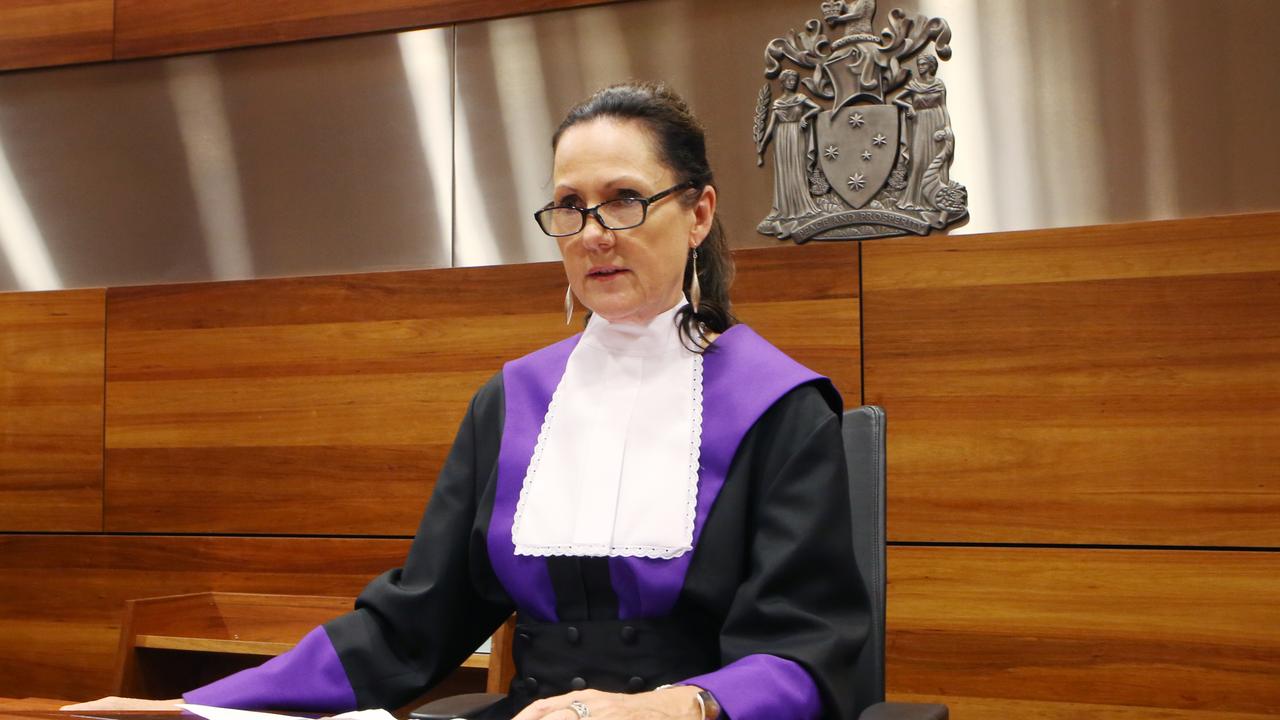
Overview of key personnel in criminal cases
In criminal cases that proceed to trial, three essential figures play distinct roles: the judge (or magistrate), the jury (where applicable), and the parties (prosecution and accused). The presence and specific responsibilities of these individuals depend on the type of offence and the court where the case is heard.
Court hierarchy and personnel
The nature of the criminal offence determines which court will hear the case and which judicial officer will preside:
Summary offences are typically heard in the Magistrates' Court, where a magistrate takes the primary role. No judge from higher courts becomes involved in these matters.
Indictable offences are generally heard in either the County Court or Supreme Court, where a judge presides over proceedings. However, magistrates also play an important part in indictable offence cases by overseeing the committal proceeding stage in the Magistrates' Court before the matter transfers to a higher court.
Note
The distinction between summary and indictable offences determines not only which court hears the case, but also which judicial officer has primary responsibility and whether a jury will be involved. This hierarchical structure ensures that more serious crimes receive more extensive judicial oversight.
Appointment and eligibility requirements
Unlike elected positions, judges and magistrates in Victoria are appointed to their roles based on specific qualifications and experience.
Requirements for judges
To be eligible for appointment as a judge, an individual must:
- Be under 70 years of age
- Have substantial experience practicing as a lawyer, OR
- Already hold a position as a judge or magistrate
Requirements for magistrates
To qualify for appointment as a magistrate, a person must:
- Have completed a law degree
- Possess at least eight years of experience working as a lawyer
Note
Appointment vs. Election
The appointment process for judicial officers differs fundamentally from political elections. Judges and magistrates are selected based on their legal expertise and experience rather than public popularity, helping to ensure judicial independence and professional competence in the courts.
The four core roles of judges and magistrates
Judges and magistrates fulfill several critical functions within criminal proceedings. These roles work together to uphold the principles of justice throughout the criminal justice process.
Role 1: Acting impartially
Impartiality represents a cornerstone principle of fair trials in our legal system. When judges and magistrates demonstrate impartiality, they maintain public confidence in both the court system and the broader administration of justice.
Judicial officers must act as neutral decision-makers without favoring either side. They cannot have any connection to the prosecution or the accused that might compromise their objectivity. This requirement is so fundamental that impartiality extends beyond actual neutrality to include the appearance of impartiality.
Understanding apprehended bias
Apprehended bias occurs when a fair-minded observer might reasonably believe that a judge or magistrate may not bring an impartial mind to a case. This perception can arise from two main sources:
Conduct-based concerns emerge when a judge's previous actions or statements suggest potential partiality. For example, if a judge has made public comments that indicate prejudgment of similar issues, parties may argue for the judge's removal from the case.
Association-based concerns arise when a judicial officer has a relationship with someone involved in the case, either directly or indirectly. Even distant connections might create an appearance of bias that compromises the integrity of proceedings.
Important
When apprehended bias is alleged, parties can request that the judge or magistrate recuse themselves (withdraw from the case) to eliminate any possibility of partiality. This safeguard is essential to maintaining public confidence in the justice system, as even the perception of bias can undermine the integrity of proceedings.
Recent federal inquiries have examined judicial impartiality to ensure proper management of potential bias issues in courts.
Case study: Cook v The Queen [2016] VSCA 174
Example
Case Study: Judicial Impartiality in Practice
This case illustrates how courts examine judicial conduct to assess impartiality. Following his conviction for two counts of armed robbery in the County Court on 25 March 2015, the appellant challenged his conviction on multiple grounds. He argued that the trial judge repeatedly interrupted cross-examination, made excessive interjections, and "descended to the arena" by becoming too involved in the proceedings. The appellant, who represented himself on appeal, also claimed the judge showed bias.
The Court of Appeal thoroughly reviewed the trial transcript, which revealed heated exchanges between the judge and the defense barrister (conducted outside the jury's presence). The Court noted that "it clearly emerges that the judge was highly unimpressed by forensic decisions being made by defence counsel."
In its judgment, the Court of Appeal stated:
"No matter what view a judge has of the manner in which counsel is running the case, to insult and demean counsel, even in the absence of the jury, is not only likely to offend and embarrass counsel but also to risk impeding counsel in conducting the trial and thus risk giving rise to a miscarriage of justice."
The Court emphasized that such exchanges might create an apprehension that the accused is not being treated fairly. However, after careful consideration, the Court of Appeal concluded that the grounds of appeal were not established and no reasonable apprehension of bias was demonstrated. The appeal was dismissed.
Key Takeaway: This case demonstrates that while judicial conduct is scrutinized carefully, not every instance of judicial criticism or heated exchange automatically establishes apprehended bias. The test requires objective assessment from the perspective of a fair-minded observer.
Role 2: Managing the trial or hearing
Judges and magistrates serve as supervisors and controllers of court proceedings, whether in the Magistrates' Court for summary offences or in higher courts for indictable offences. This management role ensures orderly and fair proceedings.
Specific management responsibilities
Ensuring proper procedure: Judicial officers must verify that correct court procedures are followed, allowing both parties equal opportunities to present their cases. This includes controlling witnesses, managing the sequence of events, and collaborating with legal practitioners regarding trial conduct.
Questioning witnesses: While judges and magistrates are not active participants in presenting either party's case, they can ask occasional questions of witnesses to clarify matters. They may recall a witness for clarification or, with permission from both sides, call a new witness. This limited involvement ensures they maintain their impartial position rather than assisting one party over another.
Making evidentiary rulings: Throughout proceedings, judicial officers must make crucial decisions about the admissibility of evidence (information, documents, and materials used to prove facts in a case). Specific rules and laws govern what evidence courts can accept:
Note
The Relevance Requirement
Evidence must directly relate to the issues in dispute. Irrelevant information cannot be presented to the court, as it risks confusing matters or prejudicing the decision-maker without providing probative value.
Important
The Hearsay Rule
In most circumstances, hearsay evidence is inadmissible. Hearsay evidence occurs when a witness relies on statements made by another person about a situation the witness did not personally observe.
For instance, if a witness testifies "John told me he saw the accused at the crime scene," but the witness did not see the accused themselves, this constitutes hearsay. The witness cannot verify the truth of John's statement from personal knowledge.
While some exceptions to this rule exist, the general prohibition ensures that evidence comes from direct observation rather than second-hand reports.
Note
Opinion Evidence Limitations
Generally, witnesses cannot offer opinions. Stating "I think the accused committed the crime" would be inadmissible opinion evidence, as it usurps the role of the decision-maker.
Exceptions exist, particularly for expert witnesses who possess specialized knowledge in fields such as forensic science, medicine, or psychology. These experts can provide opinion evidence within their area of expertise to assist the court.
Accommodating disadvantaged parties: Judges and magistrates can adjust trial processes when necessary to prevent disparity (inequality causing unfairness). This might include allowing regular breaks, permitting legal practitioners to remain seated during submissions, or making other reasonable accommodations for parties who might otherwise face disadvantage.
Maintaining neutrality: Crucially, judicial officers do not actively participate in the trial and do not favor either side. They will not compensate for inadequate legal representation by helping a barrister who is performing poorly.
Role 3: Deciding or overseeing the outcome of the case
The responsibility for determining guilt varies depending on whether the trial occurs in the Magistrates' Court or a higher court.
In the Magistrates' Court
Magistrates bear sole responsibility for determining guilt in summary offence cases, as no jury is present. They must:
- Listen carefully to cases presented by both parties
- Assess whether, based on the facts and applicable law, the prosecution has proven the accused's guilt beyond reasonable doubt
- If guilt is established, set a later date for sentencing
- If guilt is not established, acquit the accused, ending the matter
In the County or Supreme Courts
When cases proceed to higher courts, the jury decides guilt, not the judge. However, judges play several vital roles in ensuring the jury can fulfill its function properly:
Providing jury directions: Judges give instructions to ensure fair trials. For example, they must inform the jury that:
- The accused has no obligation to give evidence
- The jury should not assume guilt simply because the accused chose not to testify
Summarizing the case: After trial concludes, judges must present a comprehensive summary to the jury, including:
- Explanation of relevant legal principles and definitions
- Identification of key evidence that will assist decision-making
- Overview of how each party has presented their case
- Clarification of technical legal concepts, such as the meaning of "beyond reasonable doubt"
Note
The Critical Nature of Jury Directions
Jury directions serve as the bridge between complex legal concepts and jury understanding. Without clear, accurate directions, juries may misunderstand their role or misapply the law, potentially resulting in miscarriages of justice. Inadequate directions are a common ground for appeals.
Deciding on majority verdicts: In situations where all twelve jurors cannot reach unanimous agreement, judges may decide whether to accept a majority verdict (eleven out of twelve jurors agreeing on guilt or innocence).
Role 4: Sentencing an offender
When an accused person is found guilty or pleads guilty, the case proceeds to a plea hearing where both parties make submissions about appropriate sentencing. Following this hearing, the judge or magistrate determines and imposes the sentence, either immediately or at a later date.
Sentencing framework and requirements
Judges and magistrates must adhere to sentencing guidelines established in the Sentencing Act 1991 (Vic) and comply with all relevant legislation governing appropriate sentences for specific offences.
The sentencing process
During sentencing proceedings, judicial officers must:
Hear from both parties: Both prosecution and defense have opportunities to present their views on the offending conduct and appropriate sentencing considerations.
Consider victim impact: Victims can file victim impact statements with the court. These statements, which courts must consider when determining sentences, contain details of any injury, loss, or damage the victim suffered as a result of the offence. This ensures victims have a voice in the process and that sentences reflect the true harm caused.
Ensure procedural fairness: By allowing both parties to make appropriate submissions about the offending and sentencing considerations, judges and magistrates uphold procedural fairness. Failure to provide this opportunity can create grounds for appeal.
Important
Procedural Fairness in Sentencing
Procedural fairness requires that both parties have a genuine opportunity to be heard on matters affecting the sentence. This includes the right to make submissions about:
- The nature and seriousness of the offending
- Mitigating and aggravating factors
- Appropriate sentencing options
- Any special circumstances affecting the offender
Denying these opportunities can render the sentence invalid, even when the offender has pleaded guilty.
Case study: Farah v The Queen [2019] VSCA 300
Example
Case Study: Procedural Fairness in Sentencing
This case demonstrates the importance of procedural fairness in sentencing. In April 2019, the offender pleaded guilty to conspiracy to commit common assault. He owned and operated a shop and conspired with another person to assault someone who ran a nearby business. Police arrested the offender before the assault occurred and seized his phones.
The sentencing judge imposed nine months' imprisonment combined with a three-year community correction order (CCO) – a flexible, non-custodial sanction served in the community with attached conditions.
The Appeal:
The offender appealed his sentence, arguing among other grounds that the sentencing judge denied him procedural fairness. Specifically, the judge stated he did not want to hear further submissions from the offender's legal representatives, then imposed a term of imprisonment when the defense had submitted that the offender should not return to prison.
The Court's Decision:
The Court of Appeal allowed the appeal on this and one other ground. The Court found that the offender's legal representative never had an opportunity to submit that another sentence would be more appropriate than returning someone to prison for what the Court described as "a short and somewhat pointless additional period of imprisonment."
Outcome:
The Court of Appeal resentenced the offender to six months' imprisonment without a CCO. Having already served 189 days in prison, the offender was immediately released.
Key Lesson: This case illustrates that even when an offender has pleaded guilty to serious criminal conduct, courts must provide full opportunities for legal representatives to make submissions about sentencing. Failure to do so violates principles of procedural fairness and can result in successful appeals.
Strengths and weaknesses of judicial roles
Understanding both the strengths and limitations of judges and magistrates helps evaluate how effectively they uphold the principles of justice in criminal cases.
Strengths
Impartial oversight: Judges and magistrates function as neutral umpires who oversee trial processes without overly interfering or assisting either party. This neutrality ensures that no party gains an advantage or suffers a disadvantage because the judicial officer "takes sides." This directly supports the principles of fairness and equality.
Process management: Judicial officers manage hearing processes by ensuring rules of evidence and procedure are followed correctly. They guarantee that both parties have genuine opportunities to present their cases, which upholds both fairness and access to justice.
Accommodation of vulnerable parties: Judges and magistrates can assist self-represented accused persons and adjust trial processes to accommodate vulnerable individuals, including young people, people with disabilities, or those with mental health conditions. These accommodations support equality by ensuring disadvantaged parties can participate effectively.
Note
Balancing Assistance and Impartiality
While judicial officers can make accommodations for vulnerable parties, they must carefully balance this assistance against their duty to remain impartial. The goal is to level the playing field without favoring one party over another.
Weaknesses
Human limitations and bias risks: Judges and magistrates are human beings who may experience actual or apprehended bias that impacts their decision-making. Factors such as fatigue, personal experiences, or unconscious prejudices can affect their judgment, potentially undermining fairness.
Important
The Diversity Challenge
Research indicates a lack of diversity among Australian judges and magistrates. In Victoria in 2015, only four judicial officers were Asian Australians, and women were underrepresented in higher courts.
Some observers believe this limited diversity impacts:
- The extent to which accused people feel comfortable in courtrooms
- Public confidence in the administration of justice
- The range of perspectives brought to judicial decision-making
This can undermine both the reality and perception of fairness in the justice system.
Limited intervention capacity: While judges and magistrates are among the most experienced legal professionals in the courtroom, they cannot overly interfere in cases, even when dealing with self-represented accused persons who may struggle to present effective cases. This limitation, while necessary to maintain impartiality, can result in unequal proceedings when one party lacks proper representation.
Links to principles of justice
The roles of judges and magistrates directly connect to all three principles of justice:
Fairness: By acting impartially, managing proceedings neutrally, and ensuring proper procedures are followed, judges and magistrates create fair processes where both parties receive equal treatment and genuine opportunities to present their cases.
Equality: Through their ability to adjust processes for vulnerable parties and their duty to ensure both sides have equal opportunities to present evidence and make submissions, judicial officers work to eliminate disadvantages that might otherwise create inequality.
Access: By managing proceedings efficiently, providing clear directions, and accommodating self-represented parties (within limits), judges and magistrates help ensure people can effectively engage with the criminal justice system regardless of their legal knowledge or representation status.
Note
Interconnected Principles
These three principles often work together in judicial roles. For example, accommodating a vulnerable accused person (equality) while maintaining neutral oversight (fairness) helps ensure that person can meaningfully participate in their trial (access).
Remember!
Summary
Key Points to Remember:
-
Three key personnel operate in criminal cases: the judge (or magistrate), the jury (where applicable), and the parties (prosecution and accused)
-
Judges and magistrates are appointed, not elected, based on qualifications including legal experience and age requirements
-
Four main roles define judicial responsibilities: acting impartially, managing trials, deciding or overseeing outcomes, and sentencing offenders
-
Apprehended bias occurs when a fair observer might reasonably believe a judge or magistrate cannot be impartial, requiring recusal from the case
-
Evidence rules govern what information courts can consider, including restrictions on hearsay evidence and opinion evidence
-
Victim impact statements allow victims to describe harm suffered, which courts must consider when determining sentences
-
Strengths include impartial oversight and process management, while weaknesses include risks of bias and limits on intervention capacity
-
All judicial roles connect to the principles of fairness, equality, and access to justice