Improving Sleep–Wake Patterns and Mental Wellbeing (VCE SSCE Psychology): Revision Notes
📚Revision Notes
Improving Sleep–Wake Patterns and Mental Wellbeing
Introduction: The effect of light on people with blindness
Light exposure to the eyes serves as the primary environmental signal for regulating the sleep-wake cycle. Research on individuals with visual impairment has provided valuable insights into how the visual system regulates circadian rhythms and has informed potential intervention strategies.
Studies demonstrate that individuals without eyes (due to developmental disorders or surgical removal) cannot maintain the typical 24-hour circadian rhythm pattern. Similarly, people who are completely blind with no light perception experience circadian rhythm desynchrony, meaning their sleep-wake patterns do not align with external environmental cues. In both cases, light cannot reach the suprachiasmatic nucleus, preventing the signal for melatonin release. This results in a free-running circadian rhythm exceeding 24 hours, which does not match the environmental day-night cycle.
Important
Consequences of circadian rhythm desynchrony include disturbed sleep, poor sleep quality, sleep disorders and daytime dysfunction. However, if a person with blindness retains some light perception, their circadian rhythm typically functions according to the day-night cycle.

Note
An effective treatment for blind individuals with circadian rhythm sleep disorders involves daily administration of synthetic melatonin. This treatment acts as a sleep cue, functioning as it would naturally in the body, and can be used at appropriate times to shift the person's sleep-wake cycle to align with the environmental day-night cycle.
Sleep hygiene and zeitgebers
Healthy diet, regular exercise and appropriate sleep quality and quantity are considered the three pillars of health. Research indicates that improving all three components benefits physical and mental wellbeing, particularly for people at risk of neuropsychiatric disorders.
Poor sleep patterns have been consistently linked in a bidirectional relationship to serious physical health concerns including diabetes, weight problems, hypertension and cardiovascular disease, as well as mental health concerns such as depression, bipolar disorder, anxiety disorders and schizophrenia. Despite this evidence, many people do not prioritise sleep as much as healthy eating and exercise, and poor sleep continues to affect the physical and mental wellbeing of many individuals.
Whilst we may not have complete control over our circadian rhythm, there are many ways to improve sleep hygiene and work with environmental factors to influence and improve sleep-wake patterns, thereby enhancing mental wellbeing.
What is sleep hygiene?
Sleep hygiene refers to the sleep-related behaviours and environmental conditions that are beneficial for sleep. Simple changes to bedtime routines can promote better sleep:
- Avoid using devices and consuming caffeine before bed
- Follow a wind-down bedtime routine
- Avoid watching the clock
- Minimise light and noise
- Ensure a cool temperature
- Have comfortable bedding

Note
Following sleep hygiene recommendations consistently increases the likelihood of falling asleep faster and remaining asleep, maximising both sleep quantity and quality whilst promoting overall wellbeing. Many sleep hygiene practices consider important sleep-related zeitgebers.
What are zeitgebers?
Zeitgebers are environmental cues such as light, temperature and eating patterns that can synchronise and regulate the body's circadian rhythm. These cues have different abilities to shift a person's 24-hour sleep-wake cycle and can be purposefully used to improve sleep-wake cycles and mental wellbeing.
Light as a zeitgeber
Daylight
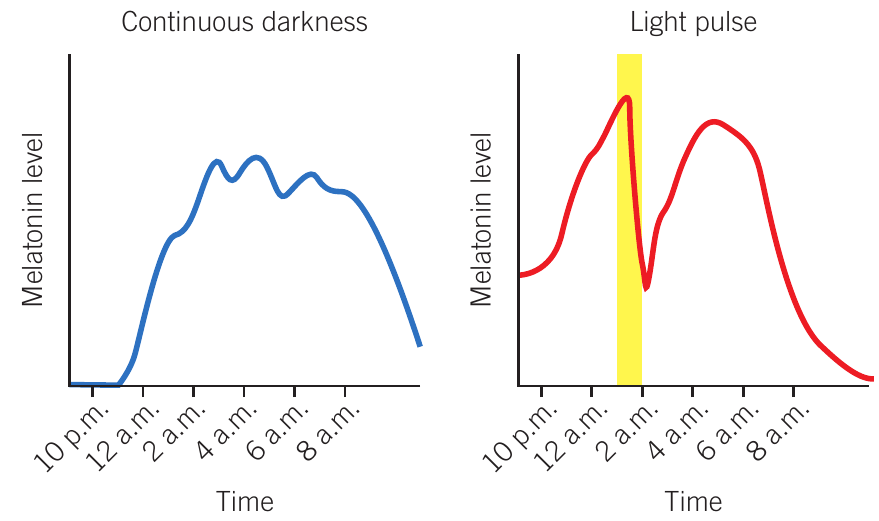
Daylight includes all direct and indirect sunlight during the daytime and is considered the primary zeitgeber for the human circadian rhythm. Light has the greatest influence on the sleep-wake cycle because its detection by the suprachiasmatic nucleus in the brain directly influences melatonin release by the pineal gland. When the amount of light detected increases, melatonin production is suppressed, promoting wakefulness. When the amount of light detected decreases, more melatonin is released, promoting sleepiness.
Note
The circadian system's ability to resynchronise daily to remain in sync with the external environment is an evolutionary benefit. However, since the invention of artificial lighting, our light exposure is no longer restricted to sunlight during daylight hours. The 24-hour access to light enables activities at night-time that were previously restricted to daylight hours, though this can compromise wellbeing.
Blue light
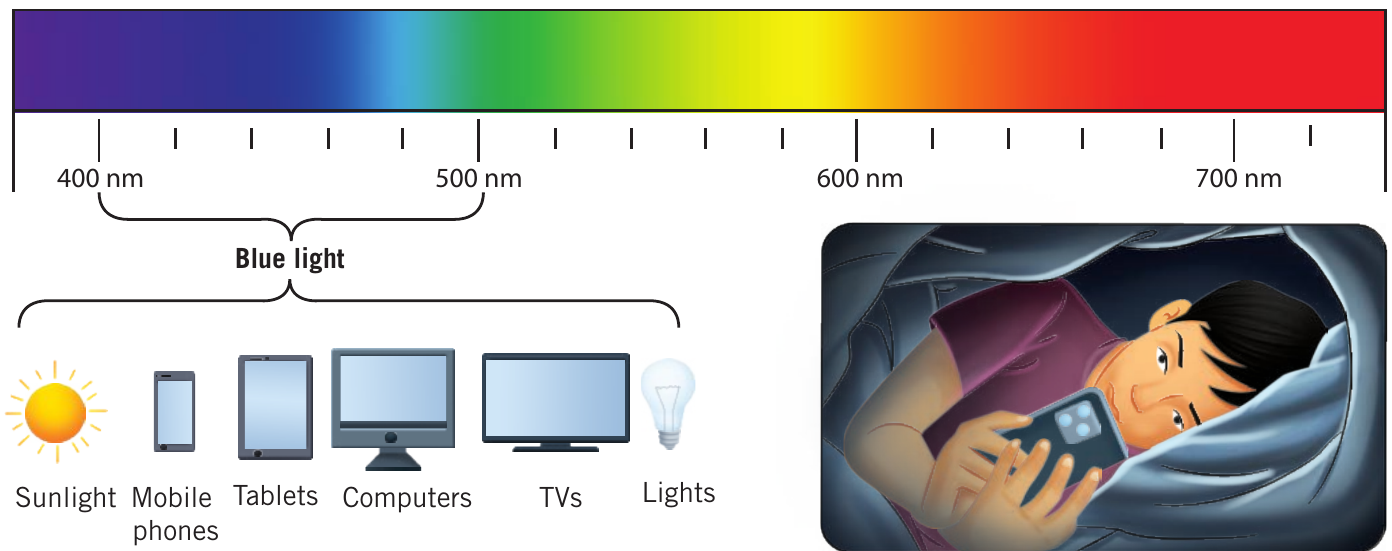
Whilst all wavelengths of light can shift the sleep-wake cycle, blue light is of particular concern. Blue light is a range of the visible light spectrum emitted from smartphone screens, computer monitors, televisions, LED and fluorescent light bulbs, as well as the sun.
Important
Blue light has the most influence on the circadian rhythm through its powerful inhibition of melatonin. Exposure to blue light at inappropriate times can reduce sleep quality and quantity. Therefore, blue light exposure contributes to many types of sleep disorders and poor mental and physical wellbeing.
Strategies for managing light exposure
People can exert considerable influence over their light exposure and can adapt this zeitgeber to shift a disrupted sleep-wake cycle and improve mental wellbeing. It is recommended that healthy people with no sleep disorders expose themselves to natural daylight in the morning and throughout the day, then block out artificial light, particularly blue light, at night before sleep. Consistent exposure to light at appropriate times helps reinforce a regular sleep-wake cycle.
Ways to avoid blue light from electronic devices in the evenings include:
- Using in-built screen filters and 'night mode' settings
- Reducing screen brightness levels
- Most effectively, not using screens before bed at all
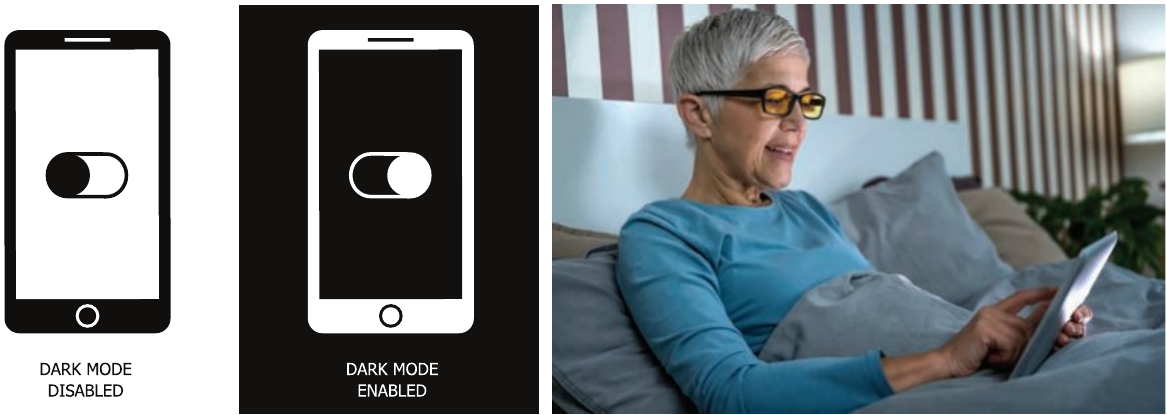
Additional strategies include dimming LED room lights, using red or orange lamps, or wearing glasses that block blue light to reduce sleep disturbances and their detrimental effects on wellbeing.
Example
Worked Example: Light Management for Shift Workers
People who experience circadian rhythm sleep disorders can use light strategically to reduce symptoms and shift the circadian rhythm to the desired time.
Step 1: Night shift workers can increase the blue portion in artificial light during night-time hours whilst at work
Step 2: They then minimise daylight exposure whilst sleeping during daytime hours
This strategic use of light helps align their circadian rhythm with their work schedule.
Blue light can also be used purposefully to improve wellbeing beyond sleep regulation. Blue light can keep a person alert whilst improving performance and mood. Increasing the blue portion of artificial light during appropriate times such as daylight hours could improve student learning in schools, the performance of indoor employees, or the mood of people in hospitals and nursing homes.
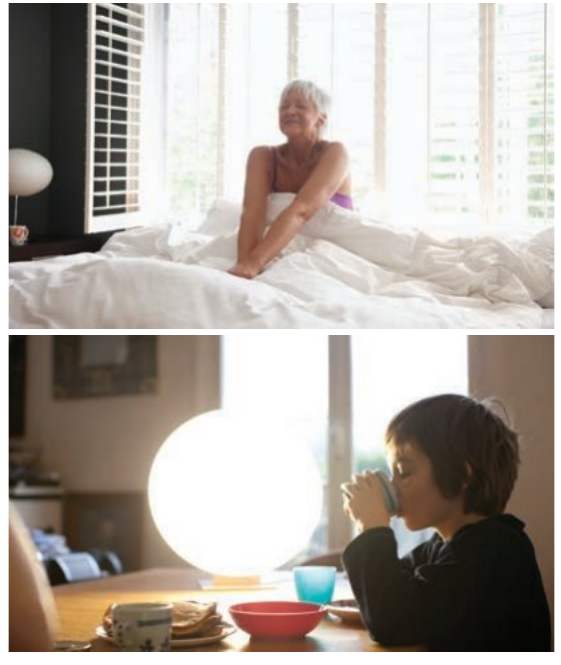
Several aspects of light exposure should be considered to improve wellbeing, including duration, intensity, colour of light and time of day. Overall, exposure to daylight during waking times and minimising blue light or using it strategically can powerfully regulate the sleep-wake cycle. This can result in more restful sleep and have a positive impact on mental wellbeing.
Note
Additionally, emerging theories describe an effect of light on other brain areas that regulate mood, independent of the effects of light on the sleep-wake cycle.
Temperature as a zeitgeber
Body temperature and sleep
People can use the zeitgeber of temperature to improve their sleep-wake cycle by implementing daily behaviours that support the link between temperature and sleep mechanisms.
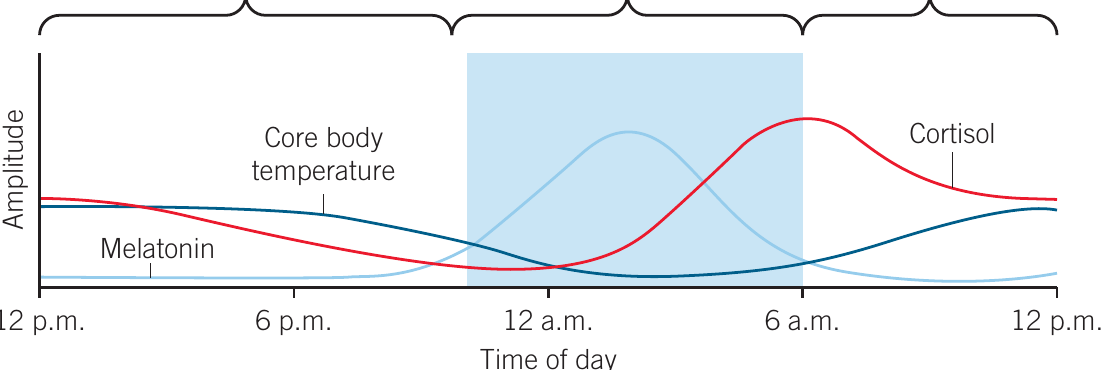
Body temperature is another biological mechanism regulated on a 24-hour circadian rhythm controlled by the suprachiasmatic nucleus and is linked to the sleep-wake cycle. Body temperature begins to decrease in the early evening, with sleep onset occurring when core body temperature is at its greatest rate of decline. An increase in blood flow to the skin results in skin warming, allowing heat to be lost from the body and body temperature to drop. The lowest body temperature occurs approximately 2 hours after sleep onset. The idea that skin warming helps initiate sleep is supported by behavioural evidence such as using bedding to provide warmth before and during sleep, and is also evident in animals curling up for sleep or building and using nests.
Note
Research has shown a link between the neural pathways promoting NREM sleep and the neural pathways for body cooling. Additionally, an increase in melatonin in the body coincides with the decrease in core body temperature leading up to sleep onset.
Practical temperature strategies
Important
Research has determined that the ideal room temperature for sleep onset is 19–21°C. However, the ideal skin and bed microclimate is 31–35°C for people during sleep. This means that the combination of a cool room and warm bedding is an easy way most people can promote sleep.
Simple adjustments include using windows, fans, appropriate bedding, sleepwear, curtains, and appropriate mattress and pillow.
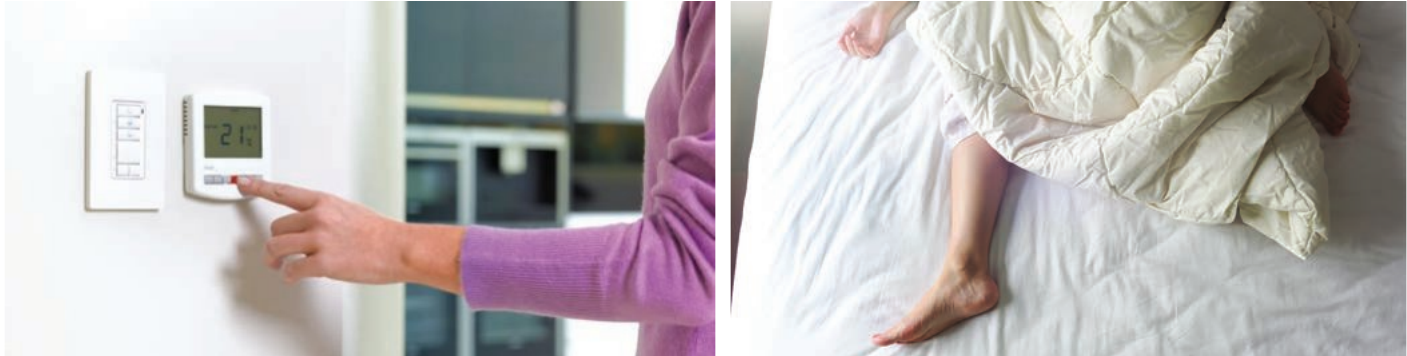
These strategies may be particularly useful for the elderly age group because they typically have more trouble with normal thermoregulation. Research has shown that subtle skin warming restored the age-related decrease in deep sleep and reduced early morning awakening. Regulating temperature can help a person initiate sleep quickly and maintain sleep throughout the night, improving consistency of the sleep-wake cycle and mental wellbeing.
Eating and drinking patterns as zeitgebers
Role of the suprachiasmatic nucleus and peripheral clocks
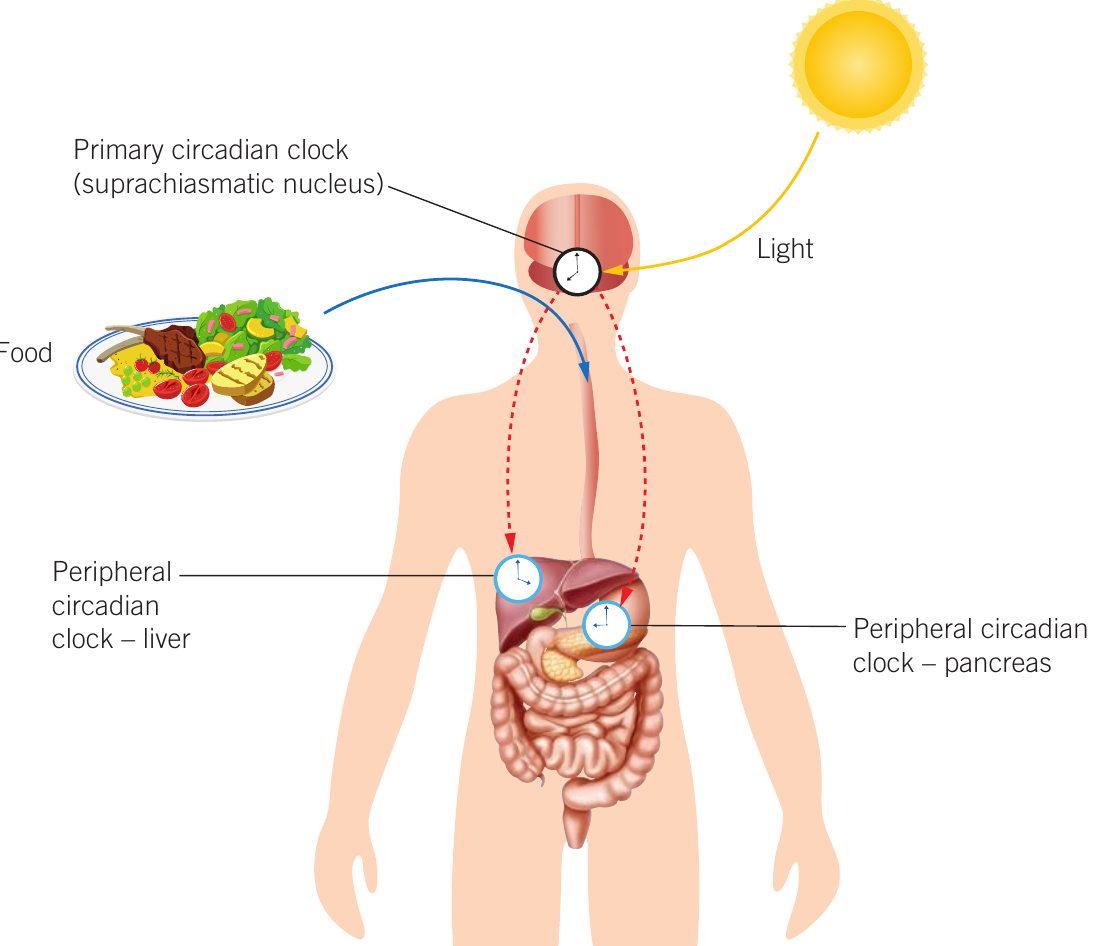
The suprachiasmatic nucleus is the primary circadian rhythm keeper in the body and is most strongly influenced by light. It is not largely influenced by meal timing, provided sufficient food is ingested. However, the suprachiasmatic nucleus is affected by long-term severe food deprivation, calorie restriction and perceived starvation.
Acting alongside the suprachiasmatic nucleus, peripheral body clocks exist in almost all other body tissues. These secondary clocks receive daily resetting signals from the suprachiasmatic nucleus. They are also influenced by other zeitgebers, particularly meal timing.
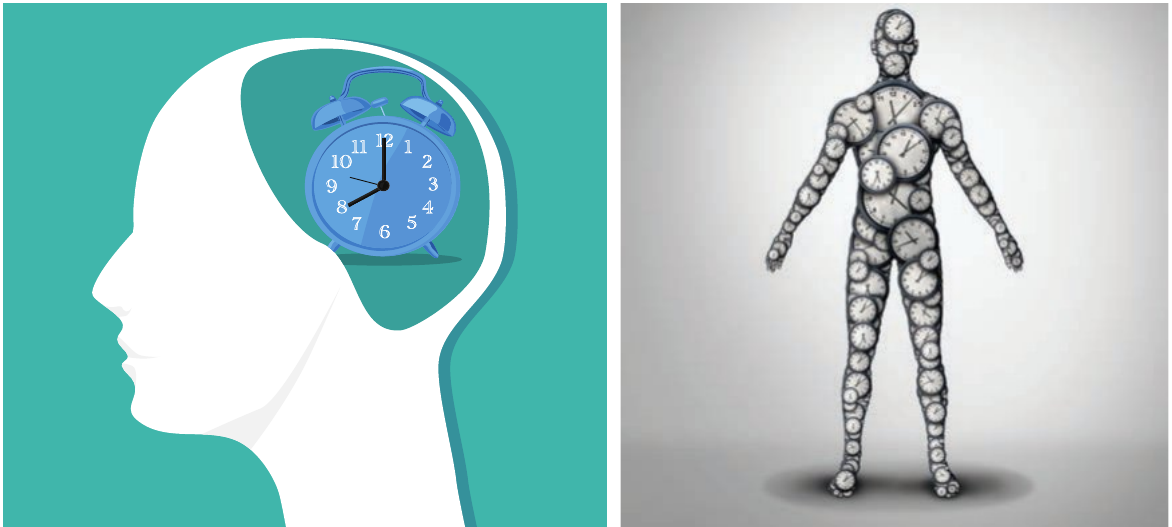
The suprachiasmatic nucleus maintains the 24-hour cycle, keeping a daily rhythm for food intake and allowing for variation in energy metabolism and insulin sensitivity over the day. For optimal energy balance, the peripheral clocks should be synchronised with the suprachiasmatic nucleus.
Effects of meal timing
For most people who routinely consume food during the active, daylight phase of the 24-hour cycle, the suprachiasmatic nucleus and peripheral clocks remain synchronised, allowing for a consistent and appropriate sleep-wake cycle. However, if a person begins to alter the timing, amount and composition of meals to the inactive, dark phase of the 24-hour cycle, mealtimes are now in misalignment with the routine light-dark cycle of the day. This influences peripheral clock timing and leads to an uncoupling of the peripheral clocks from the suprachiasmatic nucleus.
Important
The presence of a mealtime zeitgeber outside the usual time, particularly during the inactive phase of the day-night cycle, can disrupt and shift normal functioning of the body clock. In this case, the suprachiasmatic nucleus remains entrained to the daylight cycle, but food is not being consumed when the regular circadian endocrine responses to food intake are being conducted.
Example
Worked Example: Late-Night Eating Effects
If a person regularly stays awake until the early morning hours and eats large meals very late at night during their usual inactive phase, the messages being sent to their peripheral clocks will be at odds with the suprachiasmatic nucleus, which is still trying to maintain a consistent sleep-wake cycle according to light.
Result: Effectively, the peripheral clocks act as though it is daytime because of food consumption, but the suprachiasmatic nucleus acts as though it is night-time because of low light exposure. This shifts the circadian rhythm out of the day-night cycle.
Groups at particular risk
Important
Shift workers who constantly change the timing of their meals based on when they are awake and at work are at particular risk. Other people may be affected by conflicting meal consumption zeitgebers due to influences of modern lifestyle, including constant food availability, reduced overall sleep, longer active hours, and socially dictated rhythms of behaviour.
Research has found that this desynchronisation of the body clock due to food timing is related to the development of metabolic disorders, including weight gain, obesity and type 2 diabetes.

Caffeine and food timing
In addition to non-ideal timing of meals, several researchers have shown that eating meals within 3–4 hours of sleep onset can negatively affect sleep quality, increase sleep onset time and increase awakenings. The effects of caffeine on sleep are also well documented. Increased caffeine consumption correlates with increased sleep problems, including morning tiredness, increased awakenings, restless sleep and reduced sleep quality.
Note
One study into the timing of caffeine before sleep indicated that caffeine may still affect sleep if consumed up to 6 hours before sleep.
Practical dietary strategies
Fortunately, meal timing is another zeitgeber that most people can easily adjust, and dietary interventions can help reduce the development of health problems and improve the sleep-wake cycle. Practical strategies include:
- Limiting caffeine intake later in the day
- Not eating right before sleep to help sleep onset and quality
- Bringing mealtimes back to a normal schedule during the active, light phase of the day
- Leaving a sufficiently long fasting window during the circadian inactive phase of night
Note
These adjustments will allow the peripheral clocks to resynchronise with the suprachiasmatic nucleus. These daily habits, particularly when used alongside appropriate light exposure, can help provide an additional signal to form a consistent sleep-wake cycle, protect against physical health problems and aid in mental wellbeing.
Remember!
Summary
Key Points to Remember:
-
Sleep hygiene refers to sleep-related behaviours and environmental conditions that are beneficial for sleep, including avoiding devices before bed, following a wind-down routine, minimising light and noise, ensuring cool temperatures and having comfortable bedding.
-
Zeitgebers are environmental cues (light, temperature, eating patterns) that synchronise and regulate the body's circadian rhythm. Light is the primary zeitgeber, particularly affecting the suprachiasmatic nucleus and melatonin release.
-
Blue light from electronic devices and artificial lighting has the most powerful effect on inhibiting melatonin and should be minimised before sleep. Exposure to natural daylight during the day and blocking blue light at night helps maintain a regular sleep-wake cycle.
-
Temperature regulation supports sleep, with ideal room temperature for sleep onset being 19–21°C and ideal skin/bed microclimate being 31–35°C. The combination of a cool room and warm bedding promotes sleep onset and maintenance.
-
Meal timing influences peripheral body clocks. Eating during the active, light phase of the day and leaving a fasting window during the inactive, dark phase keeps peripheral clocks synchronised with the suprachiasmatic nucleus, supporting consistent sleep-wake cycles and preventing metabolic disorders.