Management of Cold Environments (AQA A-Level Geography): Revision Notes
📚Revision Notes
Management of Cold Environments
Cold environments face significant management challenges as human activities increasingly impact these fragile regions. The debate centres on balancing conservation of pristine wilderness with pressures for economic development and resource exploitation.
Human impacts on cold environments
Human presence in cold regions creates multiple environmental pressures. Even with relatively small populations, the cumulative effects of various activities contribute to both local ecosystem damage and broader climate change impacts.
Thermokarst and ground damage
Ground subsidence occurs when frozen soils thaw, creating dramatic collapses called thermokarst features. Transport infrastructure, particularly roads and car parks, can trigger permafrost melting beneath surfaces, leading to dangerous sinkholes and structural failures.
Example
Real-World Example: Thermokarst in Fairbanks, Alaska
In Fairbanks, Alaska, a car park built over permafrost experienced severe ground subsidence. The heat from the paved surface caused the frozen ground beneath to thaw, creating dramatic collapses and making the facility unusable. This demonstrates how even everyday infrastructure can trigger significant environmental damage in cold regions.
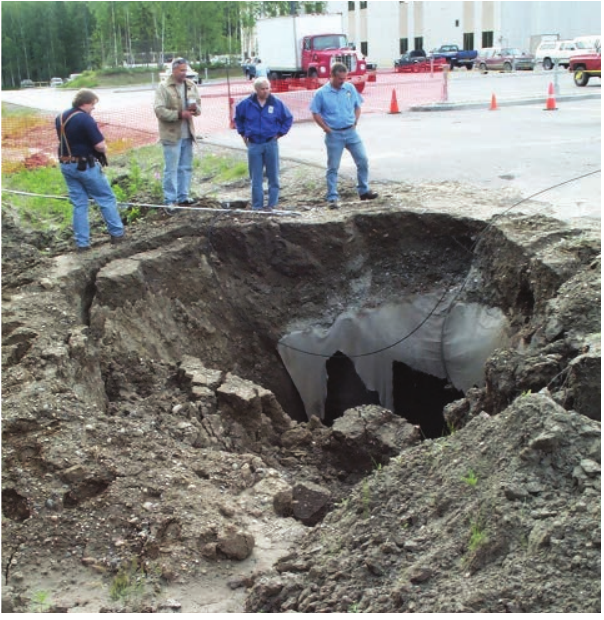
Key human activities affecting cold environments
Hunting and exploitation: Overexploitation of wildlife populations threatens species survival in many cold regions. Historically, unregulated hunting has depleted animal populations that struggle to recover in harsh conditions with slow reproduction rates.
Transport infrastructure: Road construction and vehicle use cause multiple problems. In regions like Alaska, where oil and gas extraction dominates the economy, heavy vehicle traffic damages delicate ground surfaces. The risk of oil spillages poses severe threats to pristine environments where recovery from contamination is extremely slow.
Important
Environmental Persistence in Cold Climates
Contamination and waste in cold environments persist far longer than in temperate regions. Low temperatures slow biological decomposition processes, meaning pollution from oil spills, litter, and waste can remain visible and harmful for decades or even centuries.
Tourism pressures: Visitor activities remove vegetation, create litter, and generate waste that does not degrade easily in cold conditions. Even in remote locations like Mount Everest, massive amounts of rubbish and human waste accumulate each climbing season, creating significant environmental problems.
Air pollution: General atmospheric pollution affects cold environments, though sources may be distant. Pollutants can travel long distances and accumulate in these regions.
Research activities: Scientific operations, even in highly regulated areas like Antarctica where population is strictly limited, still create environmental impacts through transport requirements, waste generation, and physical presence at research stations.
Note
Cumulative Impact Concern
All these factors combine with global climate change effects, accelerating the melting of snow and ice across cold environments worldwide. The interaction between local human impacts and global warming creates a compounding effect that poses severe risks to these fragile ecosystems.
The value of wilderness areas
Many cold environments represent some of Earth's last true wilderness areas. Their remoteness and extreme conditions have historically kept them relatively protected from mass tourism and intensive economic development.
Why conserve wilderness?
Conservationists argue that natural wilderness regions hold inherent worth beyond any economic value they might provide. These areas possess exceptional characteristics that merit long-term preservation for future generations. People seek these places for spiritual refreshment and peaceful contemplation, valuing their untouched nature.
Important
Intrinsic Value of Wilderness
Wilderness areas have intrinsic value - they are worth protecting simply because they exist, regardless of any practical human use or economic benefit they might provide. This philosophical position argues that nature has value in itself, not just as a resource for human exploitation.
Scientific importance of wilderness
Beyond aesthetic and spiritual considerations, wilderness areas serve crucial scientific functions:
-
Maintaining genetic diversity: Preserving wild species populations ensures that genetic variety remains available for the future. This gene pool represents an irreplaceable biological resource.
-
Natural ecosystem study: Scientists can observe animal and plant communities functioning in their unaltered natural environment, providing insights impossible to gain in modified habitats.
-
Outdoor laboratories: Untouched wilderness acts as a living research facility where ecological processes can be studied without human interference affecting results.
-
Baseline comparisons: Pure natural systems provide essential reference points (yardsticks) against which scientists can measure the impacts of human activities in managed or damaged ecosystems.
Note
The Gene Pool Concept
The gene pool refers to the complete set of genetic information present across all individuals of wild species. Maintaining this diversity is essential because we cannot predict which genetic traits might become valuable in the future - whether for developing new crops, medicines, or understanding biological adaptations to changing conditions.
Balancing conservation and development
Despite strong conservation arguments, wilderness regions often contain valuable exploitable resources. National and international pressure to develop these resources comes from groups requiring both energy sources and raw materials for industrial growth. Striking a balance between protecting wilderness values and permitting sustainable development remains extremely challenging, with significant disagreement about how to achieve this in practice.
The United States established early wilderness protection through the 1964 Wilderness Act, which designated numerous wilderness areas. Alaska, home to the largest designated wilderness areas in the USA, further strengthened protection through the National Interest Lands Conservation Act in 1980.
Managing Antarctica at present
Antarctica exemplifies international cooperation in managing cold environments. The entire continent is now designated as a "reserve devoted to peace and science" under comprehensive treaty protection.
The Antarctic Treaty System
A series of international agreements govern Antarctic activities, creating one of the world's most successful environmental protection frameworks. These treaties protect not only the natural environment but also the continent's cultural and historical significance.
Antarctic Treaty System (1959): The foundation treaty established Antarctica as a demilitarised zone. It bans all military and nuclear activity whilst protecting scientific research through international cooperation. The treaty promotes collaboration between scientists from different nations and establishes rules for managing both tourist visits and research activities. Crucially, it manages sovereignty disputes, effectively "freezing" territorial claims to prevent conflict.
Note
Sovereignty "Freeze"
The Antarctic Treaty ingeniously addressed competing territorial claims by neither recognising nor denying them. This diplomatic solution allowed nations with overlapping claims to cooperate without resolving their disputes, prioritising scientific research and environmental protection over political conflicts.
Convention for the Conservation of Antarctic Seals (1972): This agreement provides specific protection for seal populations. Six seal species cannot be caught or killed, with any scientific research involving seals requiring strict controls and mandatory data sharing. Seal population numbers are managed to maintain ecological balance.
Convention for the Conservation of Antarctic Marine Living Resources (CCAMLR) (1980): Following concerns about increasing krill harvesting, this convention aims to conserve all Antarctic marine life. It pioneered the "ecosystem approach" to fisheries regulation, considering the entire food web rather than managing individual species in isolation.
Important
The Ecosystem Approach
The ecosystem approach means regulating human activities by considering their impact on entire ecological systems and food webs, rather than focusing only on single target species. This holistic method recognises that harvesting krill, for example, affects penguins, seals, and whales that depend on krill as a food source.
Convention on the Regulation of Antarctic Mineral Resources (CRAMRA) (1988): Although signed by 19 states, this treaty never entered into force because it was never ratified. It would have permitted mining under certain controls and taxation. Strong opposition led to its replacement by the more protective Madrid Protocol.
Antarctic Act (UK) (1994) and Antarctic Regulations (UK) (1995): These laws implement Antarctic Treaty obligations into UK domestic law. UK citizens must obtain government permits before conducting most activities in Antarctica, ensuring compliance with international agreements.
Protocol on Environmental Protection to the Antarctic Treaty (Madrid Protocol) (1998): This comprehensive agreement provides the strongest protection for Antarctica. Key provisions include:
- Protecting the aesthetic and scientific value of the wilderness
- Banning all activities related to mineral resources except scientific research
- Requiring environmental assessment for all activities
- Creating the Committee for Environmental Protection
- Requiring member states to prepare emergency response capabilities
- Arbitrating international disputes about Antarctica
- Establishing Antarctic Specially Protected Areas
- Preventing the mining ban from being repealed without binding regulations in a future treaty
Note
The 2048 Mining Ban
Under current agreements, mining in Antarctica is banned until at least 2048. After this date, the ban can only be modified if all Antarctic Treaty Consultative Parties agree to a legally binding regime for regulating mineral resource activities. This creates a strong protective buffer for at least several more decades.
Historic Sites and Monuments
Beyond natural environment protection, the treaty system safeguards Antarctica's cultural and historical heritage. Certain locations are designated as Historic Sites and Monuments (HSMs) to preserve their significance.
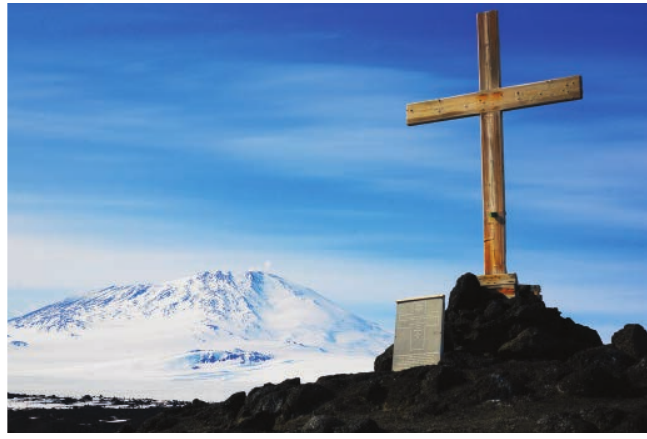
The memorial cross at Cape Evans on Ross Island, erected in 1913, commemorates Captain Scott's party that perished during their return from the South Pole in 1912. This and other HSMs preserve the human history of Antarctic exploration alongside the continent's natural heritage.
Alternative futures for cold environments
A growing debate questions whether current protective measures should continue or whether some development should be permitted in Antarctica and other cold environments.
The development versus conservation debate
Currently, the Antarctic Treaties, Environmental Protocols, and Madrid Protocol comprehensively protect Antarctica. However, increasing pressure exists to reconsider this protective approach. Should existing treaties be adapted or removed to encourage economic development? Or must protection be maintained and strengthened?
Note
A Global Pattern
Similar debates affect other cold environments globally, each with unique considerations for their sustainable future. Alaska, Siberia, northern Canada, and Greenland all face pressures to balance resource extraction with environmental protection and indigenous rights.
Energy and mineral resources
Antarctica contains substantial reserves of valuable resources. Large deposits of coal, oil, and precious metals such as gold and silver lie beneath the ice. This raises challenging questions: Could Antarctica feasibly support quarries, offshore oil drilling platforms, and extraction wells?
Current regulations ban mining until at least 2048. However, any future prospecting or mineral extraction would face enormous challenges. Antarctica's remoteness and extreme climate make operations extraordinarily expensive. These practical limitations provide some natural protection even if political will for conservation weakens.
Important
The Economic Reality Check
Conservationists argue that practical difficulties do not eliminate the need for continued legal protection. Resource scarcity elsewhere might eventually make Antarctic extraction economically viable, particularly as technology advances. What seems impossible today could become profitable tomorrow as resources deplete globally and extraction technology improves.
Tourism expansion
Antarctic tourism continues to grow, with 44,500 land-based visits and 11,000 cruise-only visitors recorded during the 2018-19 season. If tourism were actively encouraged as an economic activity, could Antarctica develop commercial airports and ports, with tourist hotels and shops?
Adventure tourism growth depends on affluent clients seeking unique wilderness experiences. Current tourism operates under controlled conditions with limited infrastructure. If more tourists gained access to existing sites, commercial operators might expand into pristine areas never before visited by people. Some restrictions were imposed on cruise ship numbers during the early 2010s to address concerns about uncontrolled growth.
Note
The Tourism Paradox
A fundamental tension exists between providing access to Antarctica's wonders and preserving the very wilderness character that makes the experience valuable. Increased tourist numbers could destroy the sense of untouched wilderness that draws visitors in the first place, creating a self-defeating cycle.
Commercial fishing
The Southern Ocean surrounding Antarctica still maintains relatively healthy fish stocks compared with many depleted fishing grounds elsewhere. Even under current heavy regulation, fishing levels around the continent potentially undermine conservation efforts.
A key question emerges: If fishing restrictions were removed, would overfishing rapidly reach the same critical levels seen in other ocean regions? Or would Antarctica's remoteness and hostile operating conditions naturally limit commercial fishing activity even without regulatory controls?
Important
Learning from Past Mistakes
The risk remains that short-term economic interests could destroy fish populations before sustainability concerns take effect, particularly given the precedent of overfishing in more accessible waters worldwide. The collapse of cod fisheries in the North Atlantic and numerous other examples demonstrate how quickly unregulated fishing can devastate marine ecosystems.
Bioprospecting
Scientific research increasingly focuses on Antarctica's unique biodiversity. The continent's distinctive flora and fauna have evolved remarkable adaptations to survive extreme conditions, potentially offering valuable insights for commercial applications.
Important
What is Bioprospecting?
Bioprospecting involves searching for genetic and biochemical resources from plants and animals that may yield commercially valuable products, such as medicines or synthetic materials. In Antarctica, organisms have evolved unique survival mechanisms that could have enormous commercial potential.
Many companies express strong interest in researching Antarctic species. Some organisms produce natural antifreeze chemicals with potentially numerous commercial applications. Other unique adaptations to harsh conditions might prove useful for developing medicines or synthetic materials.
Because bioprospecting is often classified as scientific research, it can occur within current treaty frameworks. An important ethical question arises: If commercial products emerge from this research and generate substantial profits, should those revenues be directed toward Antarctic conservation and wilderness protection?
Note
A Conservation Funding Model?
This could create a sustainable model where commercial interests actively support environmental protection rather than opposing it. Revenue from successful bioprospecting applications could fund conservation efforts, creating a financial incentive to maintain biodiversity rather than exploit it destructively.
Sustainable development considerations
Most geographers instinctively favour continued protection, maintaining and strengthening current protocols and treaties governing cold environments. However, any thorough discussion of sustainable development in Antarctica must seriously consider the questions outlined above.
Important
Defining Sustainable Development
Sustainable development means meeting present human needs without compromising the ability of future generations to meet their own needs, balancing economic, social, and environmental considerations. This concept must guide all decisions about cold environment management.
Other cold environments face their own unique sustainable development challenges. Each region requires careful consideration of local conditions, indigenous populations, resource pressures, and conservation priorities when determining appropriate management approaches for the future.
Summary
Key Points to Remember:
-
Multiple human impacts - Hunting, transport, tourism, pollution, and research all create environmental pressures in cold regions, compounding climate change effects.
-
Wilderness has scientific value - Cold environments serve as natural laboratories, maintain genetic diversity, and provide baseline comparisons for measuring human impacts on managed ecosystems.
-
Antarctic Treaty System provides comprehensive protection - A series of international agreements from 1959 to 1998 protect Antarctica as a demilitarised zone dedicated to peace and science, with mining banned until at least 2048.
-
Four key development debates - Future management of cold environments must balance arguments about energy/mineral extraction, tourism expansion, commercial fishing, and bioprospecting against conservation priorities.
-
Sustainable development principles are essential - Any future changes to cold environment management must carefully consider how to meet present needs without compromising environmental integrity for future generations.