Case Study → 2010 Eyjafjallajökull volcano (Edexcel A-Level Geography): Revision Notes
📚Revision Notes
Case Study → 2010 Eyjafjallajokull volcano
| Aspect | Details |
|---|---|
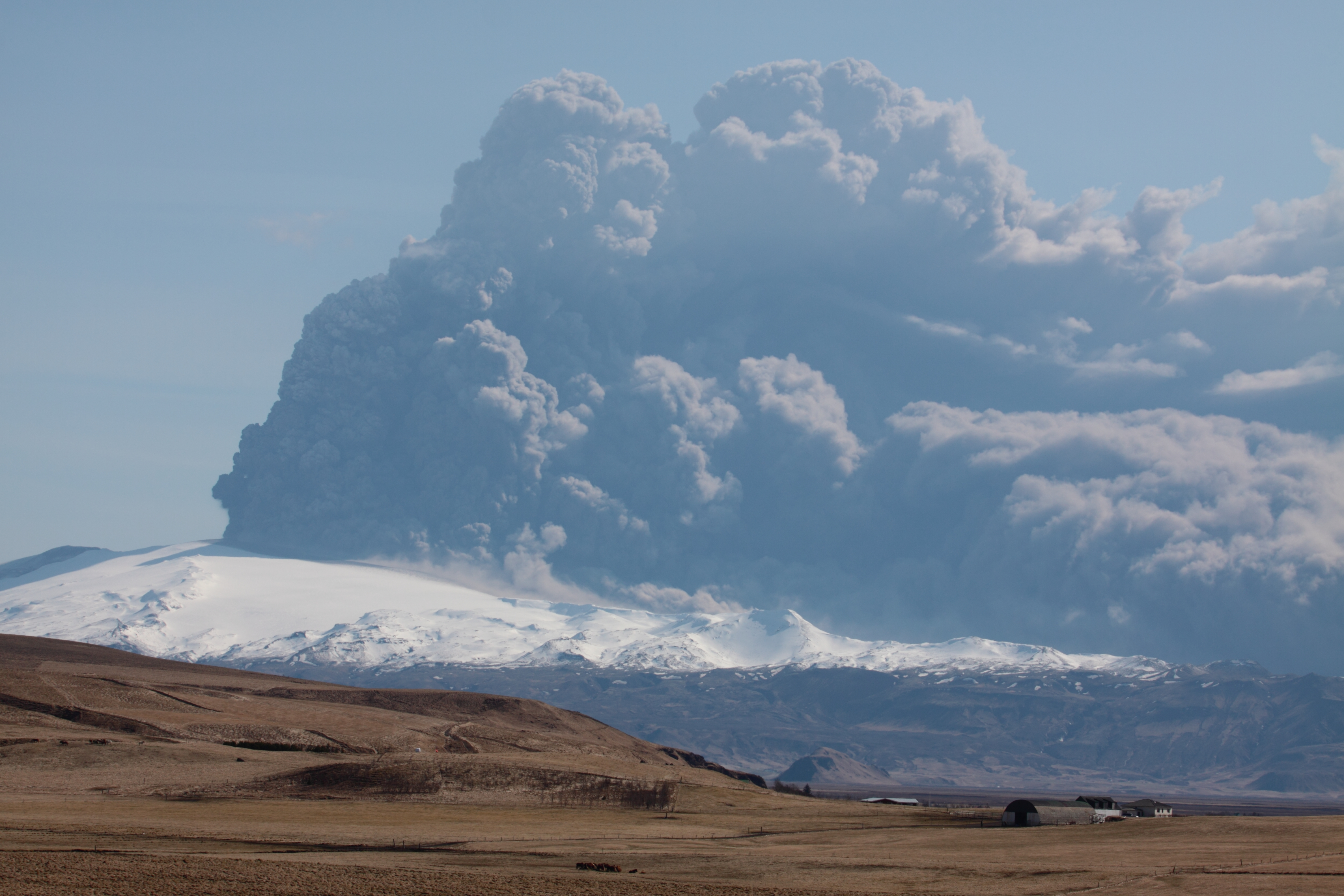
| Context | • Stratovolcano, located on a constructive plate margin between the North American and Eurasian plates • Volcanic Explosivity Index (VEI): 3 • March 2010 eruption, first in over 190 years • By 15th April, ash plume was impacting Europe, reaching as far as Northern Italy • Relatively small eruption (no direct deaths) but high-profile due to global impacts • Completely covered in an ice cap (approximately 40 square miles) |
| Vulnerability | • Small population in 2010 (approx. 320,000) • Low population density (3 people per square km), with buildings more spread out • Life expectancy: 81.9 years • Approx. 10% unemployment rate • People living near water were more vulnerable to flooding • 99% literacy rate • 3.6 doctors per 100 people • Approx. $12.5 billion GDP • 4th on Human Development Index (HDI) |
| Capacity to Cope | • Prepared for the eruption since the first occurred on 20th March, giving time to prepare for larger eruptions
• High-tech equipment used for prediction
• Warning systems in place (texts sent to residents with a 30-minute warning)
• Professional response teams were deployed quickly |
| Response (Short-term) | • Evacuation around the volcano
• European Red Cross societies mobilised volunteers, staff, and resources
• Red Cross provided food and psychosocial support to people living near the glacier
• 700 people evacuated from the disaster zone
• People had to flee their homes at night
• Immediate closure of airspace; no deaths were reported |
| Response (Long-term) | • The EU developed an integrated structure for air traffic management to prevent similar disruptions in the future |
| Social Impacts | • Sporting events were cancelled due to flight cancellations
• Flooding from the melting glacier displaced people (jökulhlaup)
• Respiratory problems due to ash exposure
• Homes damaged by ash and flooding |
| Economic Impacts | • Airfreight accounted for 25% of trade by value in the UK
• No-fly zone cost airlines approx. £130 million per day
• Flights were cancelled due to low visibility and ash particles clogging engines
• Car manufacturing was affected (e.g., Nissan in Japan could not receive sensors shipped from Ireland)
• Perishable goods (flowers and vegetables from Kenya) left to rot -
Kenya's flower council estimated approx. $1.5 million per day lost due to shipping issues
• The World Bank estimated a $65 million loss for African countries due to the shutdown of perishable goods transport |
| Environmental Impacts | • Gas released from the volcano killed crops
• Part of Iceland's coastal sand plain was affected
• Local water supplies were contaminated with fluoride from the volcanic ash
• Ash deposited into the North Atlantic Ocean triggered a plankton bloom, increasing biological productivity |