Case Study → Sediment cell concept - Holderness (Edexcel A-Level Geography): Revision Notes
📚Revision Notes
Case Study → Sediment cell concept - Holderness
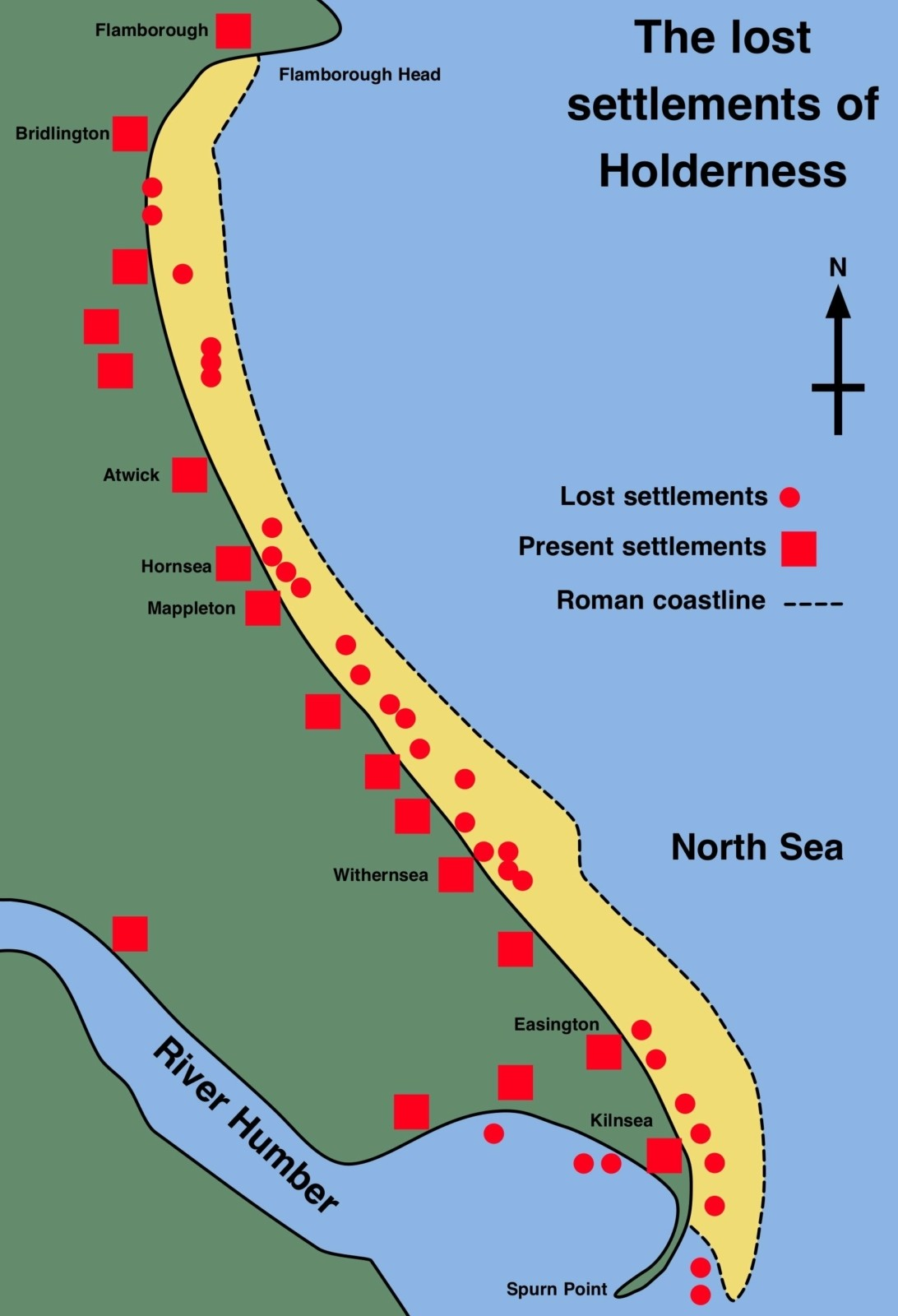
-
Holderness*
| Details | |
|---|---|
| Context | • Attempts to manage erosion on one small area of the coast are likely to be unsuccessful unless the coastline is understood as a whole system. • Long stretches of the UK coastline operate as sediment cells (11 around England & Wales). |
| The Sediment Cell | Sources: Where sediment is eroded from cliffs (e.g., Flamborough Head's chalk, Hornsea's boulder clay). River systems (e.g., River Humber) are also important sources. Transfer Zones: Places where sediment is moving along the coastline by longshore drift (LSD) and offshore currents. Beaches, parts of dunes, and salt marshes (e.g., Humber Estuary) perform this function. Sinks: Locations where the dominant process is deposition; depositional landforms are created such as offshore bars and spits (e.g., Spurn Head). Some coastal features can act as both sources and sinks (e.g., sand dunes), depending on whether the coastline is dominantly depositional or erosional. |
| Negative Feedback Mechanism | • Storms (short-term) could erode Spurn Head, disrupting the equilibrium, but the system returns over time.
• Negative feedback helps restore equilibrium:
During a major erosive period (e.g., winter), significant cliff collapse occurs, depositing a large amount of chalk or boulder clay at the base of the cliff. This debris protects the cliff base from further wave attack, slowing the erosion.
• Major erosion at Spurn Head leads to increased deposition offshore, forming an offshore bar that protects the spit and allows it to recover. |
| Human Intervention | • Human intervention (coastal management, sea level rise, etc.) can impact long-term dynamic equilibrium.
Positive feedback may result from:
• Increased storm activity due to climate change erodes the beach faster, so the recent debris never has time to protect the cliff, leading to overall increased erosion speed.
• Rising sea levels cause increased erosion of Spurn Head as sediment is removed faster than it can be replaced. |
| Littoral Cell Summary | • The Holderness coast operates as a sediment cell, with sources, transfer zones, and sinks playing a critical role in maintaining coastal equilibrium. Human intervention and natural processes both influence the system's dynamic stability. |