Case Study → Development of Unconventional Fossil Fuel Energy - Canada, USA, Brazil (Edexcel A-Level Geography): Revision Notes
📚Revision Notes
Case Study → Development of Unconventional Fossil Fuel Energy - Canada, USA, Brazil
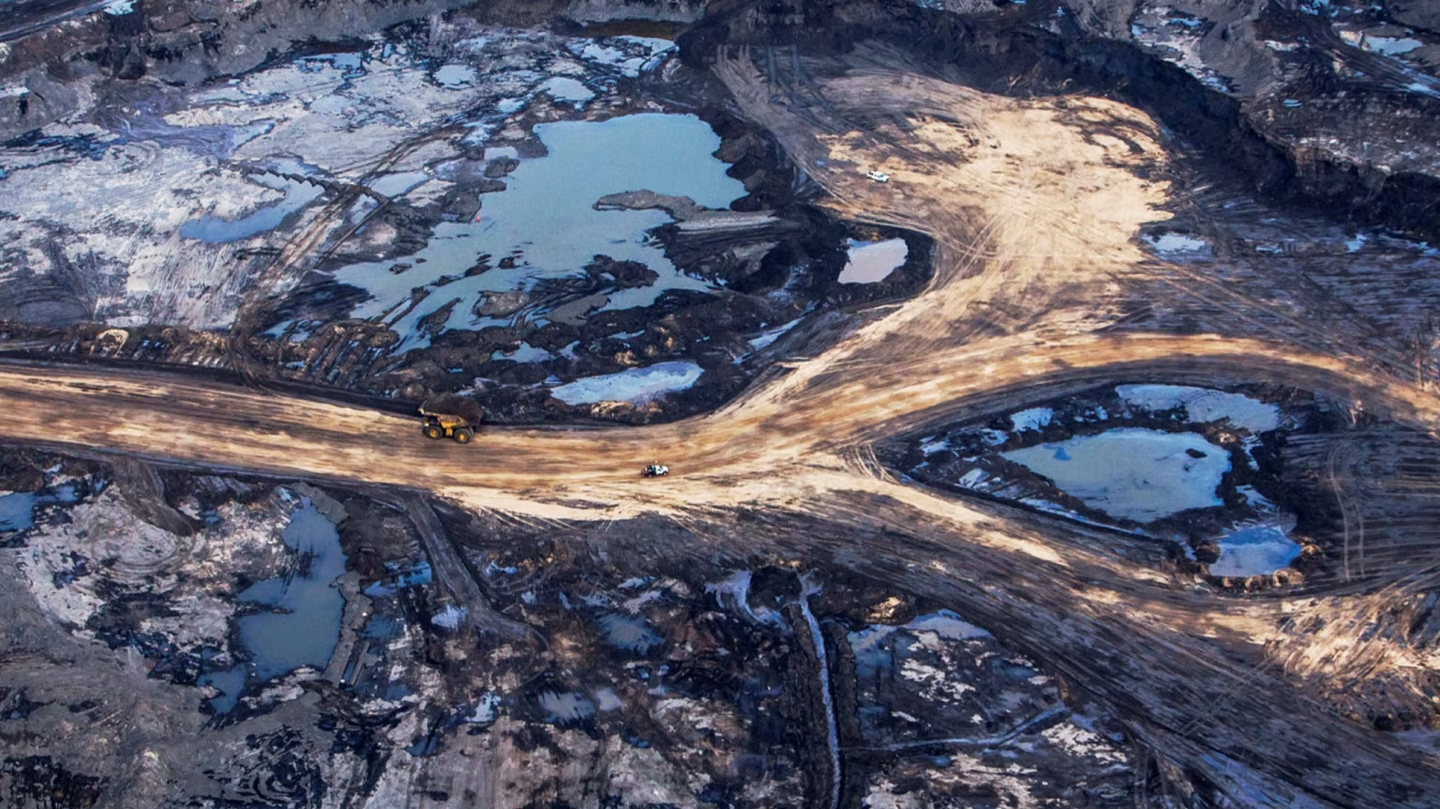
| Canadian Tar Sands | ● There are numerous deposits of tar sands in the world • but biggest in Canada & Venezuela ● Exploitation of Canadian deposits on a commercial scale started in 1967 w/ a focus on the province of Alberta, most notably the Athabasca area ● Currently Tar sands produce about 40% of Canada's oil output ● The 2015 fall in global price of oil had a depressing impact on the tar sands industry because extraction of bitumen is expensive, mainly due to large energy input |
|---|---|
| US Shale Gas | ● In 2000, shale gas provided 1% of the USA's gas supply, in 2015 it was nearly 25% ○ Most of the ↑ due to the growing use of hydraulic fracturing (fracking) to release oil & gas from underground formations that are otherwise too difficult to drill ● Most important Shale gas areas: NYC, Pennsylvania, Texas & W. Virginia ● Fracking now a key determiner of US oil security Environmental concerns ● Possible contamination of groundwater ● Production of pollutants 📝 eg. methane ● Random animal deaths |
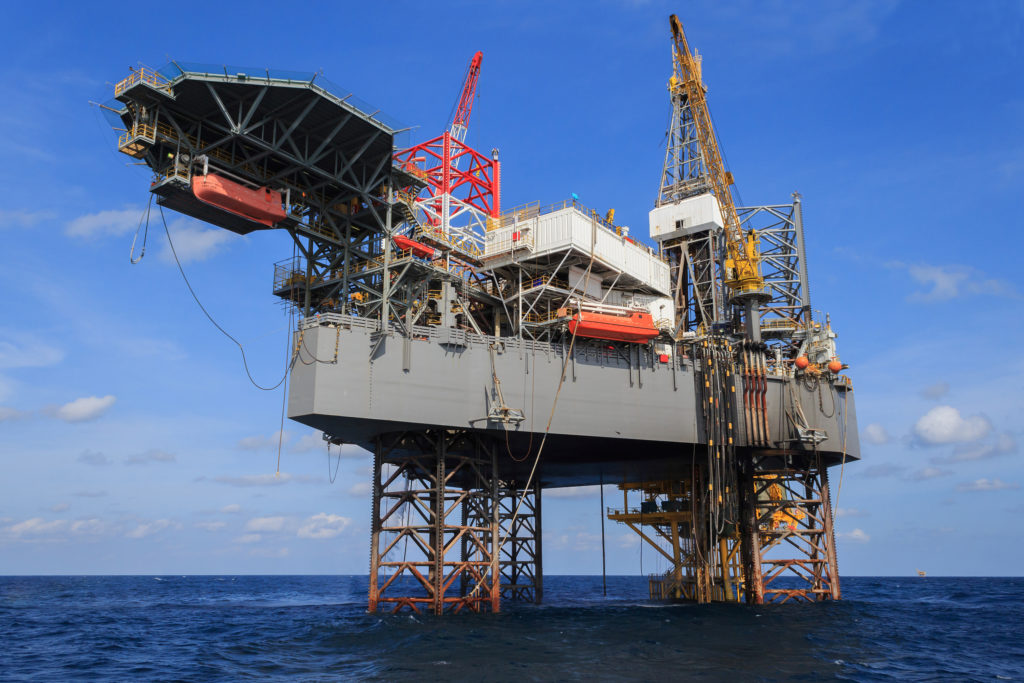
| Brazilian Deepwater Oil | ● The discovery of huge oil deposit gar off the Brazilian coast in 2006 was hailed as one of the biggest oil finds to date ○ Drilling started in 2006, about 250km off the shores of SE Brazil, in waters 2000m deep. First oil extracted in 2010 ● Brazil = one of the leading emerging economies & needs Gas & oil ● By 2019, the aim of Petrobras (state oil company) was to produce 500,000 barrels of oil a day ○ May reach 3.5 mil barrels a day in 2025 before declining again Concerns ● Serious pollution of waters ● Rigs are beyond the range of most helicopters and access by ship made hazardous by prevailing rough seas ● The oil & gas reservoirs contain huge amounts of toxic, flammable & explosive gases |
-
Canada's tar sands*
-
Brazilian Deepwater Oil*