Acceptance of social welfare but a preference for personal responsibility (Edexcel A-Level Politics): Revision Notes
📚Revision Notes
21.4.3 Acceptance of social welfare but a preference for personal responsibility
Position: Acceptance of Social Welfare with a Preference for Personal Responsibility
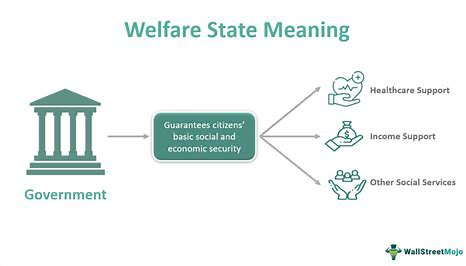
The Republican Party acknowledges the role of the state in providing a basic safety net for those in need but strongly emphasises personal responsibility, limited government involvement, and fiscal prudence. Their approach to social welfare is rooted in the belief that while the government should assist those who are struggling, it should do so in a way that encourages self-reliance and reduces dependency on state aid.
1. Acceptance of State Responsibility for Social Welfare
- Support for Basic Social Safety Nets:
- Medicare: Republicans generally support Medicare, the federal programme that provides healthcare coverage to seniors over 65 and some younger individuals with disabilities. The programme is seen as a necessary safety net for the elderly, ensuring they have access to healthcare in their retirement years. However, Republicans often advocate for reforms to Medicare that emphasise cost control and long-term sustainability, reflecting their broader concerns about government spending.
- Temporary Assistance for Needy Families (TANF): This programme, which replaced the Aid to Families with Dependent Children (AFDC) in 1996, provides temporary financial assistance to low-income families. Republicans support TANF as it includes work requirements and time limits, which align with their belief in promoting work and reducing long-term dependency on government assistance.
- Supplemental Nutrition Assistance Programme (SNAP): Also known as food stamps, SNAP is supported by Republicans as a way to provide basic nutrition to low-income individuals and families. However, they often push for stricter eligibility requirements and work mandates to ensure that recipients are actively seeking employment or engaging in work-related activities.
2. Preference for Personal Responsibility
- Emphasis on Self-Reliance:
- Republicans believe that government assistance should be a temporary measure rather than a long-term solution. They argue that social welfare programmes should encourage individuals to become self-sufficient and financially independent. This belief is reflected in their support for work requirements in programmes like TANF and SNAP, which are designed to incentivize recipients to seek employment and reduce their reliance on government aid.
- Critique of Dependency Culture:
- Republicans often critique what they perceive as a "dependency culture" that can arise from overly generous social welfare programmes. They argue that extensive government aid can discourage work and personal responsibility, leading to a cycle of dependency that is difficult to break. This critique was notably directed at the Great Society programmes of the 1960s, which were introduced by President Lyndon B. Johnson to reduce poverty and racial injustice. Republicans believe that while well-intentioned, these programmes created a reliance on government support rather than fostering independence.
- Opposition to Universal Healthcare:
- Republicans generally oppose universal healthcare systems like those found in many European countries, arguing that they are costly and inefficient. Instead, they advocate for a healthcare system that is market-driven and offers individuals the freedom to choose their healthcare providers. They believe that healthcare should be a personal responsibility and that competition in the healthcare market will lead to better services and lower costs.
3. Limited Government Involvement
- Fiscal Responsibility:
- Republicans emphasise the importance of fiscal responsibility in managing social welfare programmes. They argue that unchecked government spending on welfare can lead to increased national debt and higher taxes, which in turn can stifle economic growth. As such, they advocate for reforms that ensure welfare programmes are cost-effective and sustainable in the long term.
- Reforms to Social Welfare Programmes:
- Work Requirements: Republicans have consistently supported work requirements for welfare recipients as a way to promote personal responsibility and reduce dependency on government assistance. These requirements are seen as a way to encourage individuals to take active steps towards self-sufficiency.
- Block Grants: The Republican approach to social welfare often includes the use of block grants, which provide states with a fixed amount of federal funding to manage their welfare programmes. This allows states more flexibility in how they administer these programmes, reflecting the Republican preference for state-level decision-making over federal mandates.
Examples of Republican Policies on Social Welfare
- Medicare Reform Proposals:
- Republicans have proposed various reforms to Medicare, including transitioning to a premium support system where beneficiaries would receive a fixed amount of money to purchase private health insurance or stay in traditional Medicare. This proposal reflects their belief in market-driven solutions and the need to control government spending on healthcare.
- Welfare Reform Act of 1996:
- The Personal Responsibility and Work Opportunity Reconciliation Act (PRWORA) of 1996, signed into law by President Bill Clinton with strong Republican support, significantly changed the welfare system in the United States. It introduced work requirements, time limits on benefits, and gave states more control over welfare programmes through block grants. This legislation embodies the Republican philosophy of promoting work and reducing dependency on government aid.
- Opposition to the Affordable Care Act (ACA):
- Republicans have consistently opposed the ACA, also known as "Obamacare," arguing that it represents government overreach and leads to increased healthcare costs. They have pushed for the repeal of the ACA and its replacement with a market-based healthcare system that they believe would be more efficient and cost-effective.
Summary
The Republican Party's approach to social welfare is characterised by a commitment to personal responsibility, limited government intervention, and fiscal prudence. While they accept the need for basic social safety nets like Medicare and SNAP, they emphasise the importance of these programmes encouraging self-reliance rather than fostering dependency. Republicans advocate for reforms that reduce government spending on welfare, promote work, and give states more control over how social welfare programmes are administered. This philosophy is reflected in their support for work requirements, opposition to universal healthcare, and ongoing efforts to reform and limit government spending on social welfare.