Diseases of Animals and Plants (OCR A-Level Biology A): Revision Notes
📚Revision Notes
Pathogens and Communicable Diseases
Introduction to parasites and pathogens
Organisms exist in various ecological relationships. Some organisms act as parasites, living on or within another organism termed the host. These parasites derive energy, nutrients, and protection from their hosts while contributing nothing beneficial in return.
Not all parasites cause harm to their hosts. For instance, certain species of Entamoeba inhabit the human digestive system without causing disease. However, when parasites do cause illness, they are classified as pathogens – disease-causing organisms.
Note
The key distinction is that all pathogens are parasites, but not all parasites are pathogens. Parasitism is the ecological relationship, while pathogenicity refers to the ability to cause disease.
Parasites can be categorised by their location relative to host cells:
- Intracellular parasites invade and reproduce within host cells. All viruses fall into this category, along with some bacteria and protoctists.
- Extracellular parasites remain outside cells, living on cell surfaces or in the spaces between cells.
- Obligate parasites cannot survive independently and must live within a host organism.
Communicable vs non-communicable diseases
Diseases fall into two broad categories based on their causation.
Communicable diseases (also called infectious diseases) are caused by pathogens that can be transferred from one host organism to another. Examples include tuberculosis, influenza, malaria, and athlete's foot.
Non-communicable diseases have causes other than pathogens. These include:
- Genetic disorders (e.g. cystic fibrosis, sickle cell anaemia)
- Degenerative conditions (e.g. arthritis, Alzheimer's disease)
- Deficiency diseases caused by inadequate nutrition (e.g. scurvy, rickets)
Note
Understanding whether a disease is communicable or non-communicable is crucial for public health management. Communicable diseases require isolation and transmission control measures, while non-communicable diseases focus on prevention and long-term management strategies.
Disease transmission
Disease transmission refers to the transfer of a pathogen from an infected host to an uninfected individual. Understanding transmission mechanisms is essential for developing effective control strategies.
Transmission occurs through two main routes:
Direct transmission involves transfer straight from one host to another through:
- Airborne droplets (e.g. coughing, sneezing)
- Physical contact (e.g. touching infected skin)
- Exchange of body fluids (e.g. blood, semen, saliva)
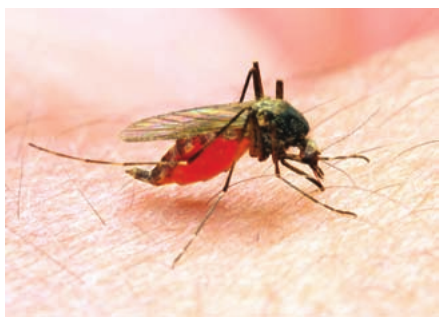
Indirect transmission involves a secondary organism (called a vector) that carries the pathogen between hosts without being affected by it. Female Anopheles mosquitoes, for example, transmit the malaria parasite between humans.
Important
Pathogens face a significant challenge during transmission – the likelihood of successfully finding a new host is low. To compensate, pathogens produce vast numbers of small infective stages, increasing the probability that at least some will reach a suitable host. This is why even brief exposure to infected individuals can sometimes lead to infection.
Types of pathogens
Four main groups of microorganisms act as pathogens in animals and plants:
- Bacteria (prokaryotic organisms)
- Viruses (non-cellular infectious particles)
- Fungi (eukaryotic organisms)
- Protoctists (eukaryotic microorganisms)
Bacteria as pathogens
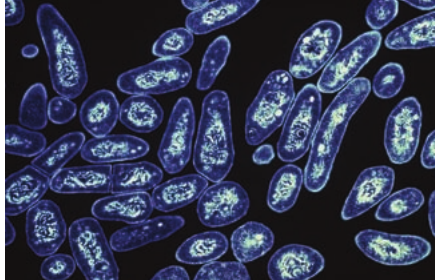
Bacteria are prokaryotic organisms characterised by simple cellular structure: a cell wall, cell surface membrane, circular DNA, S ribosomes, and cytoplasm. While bacteria exhibit enormous diversity, the pathogenic species are most widely recognised.
Bacterial diseases in animals
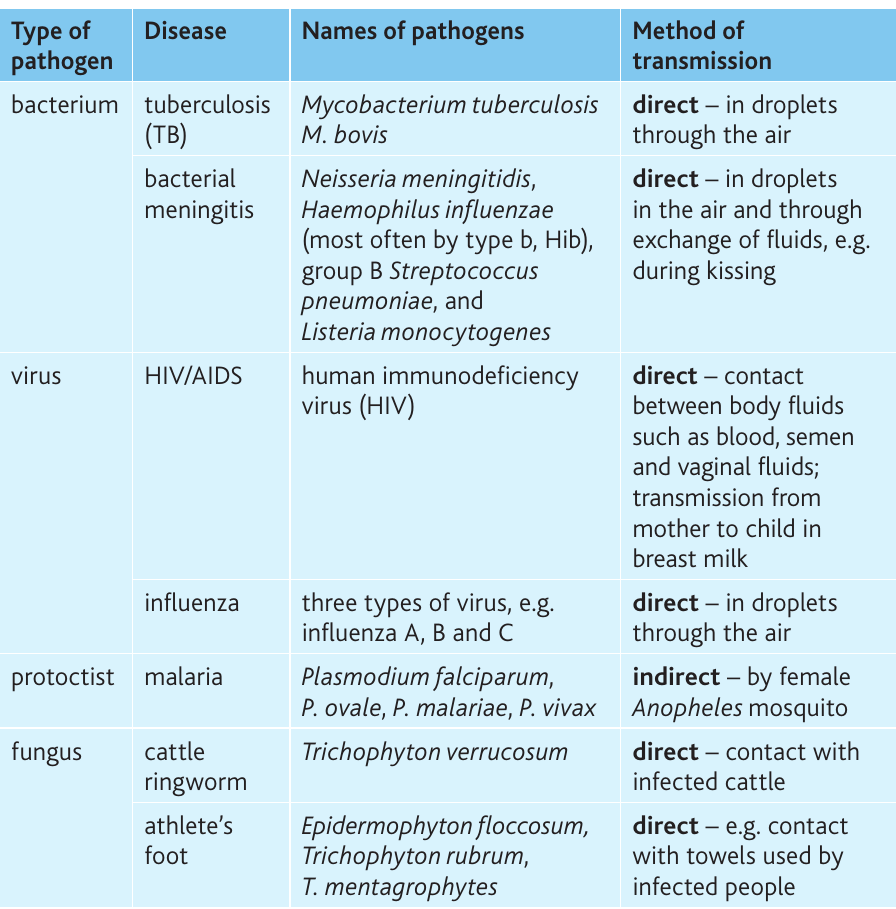
Tuberculosis (TB) primarily affects the respiratory system. The bacterium Mycobacterium tuberculosis causes most human TB cases, though M. bovis (which primarily infects cattle) can also infect humans. Both species are intracellular parasites, invading and multiplying within host cells.
Bacterial meningitis occurs when bacteria cross the protective meninges (tissues surrounding the brain and spinal cord). Neisseria meningitidis is one of several bacterial species capable of breaching this barrier. Other causative agents include Haemophilus influenzae type b (Hib), group B Streptococcus pneumoniae, and Listeria monocytogenes.
Important
Both TB and bacterial meningitis spread through direct transmission – specifically via airborne droplets released during coughing, sneezing, or close personal contact such as kissing. This makes these diseases particularly challenging to control in crowded or poorly ventilated environments.
Bacterial diseases in plants
Bacterial plant pathogens typically kill host tissues before feeding on the dead organic matter. Although less numerous than fungal or viral plant pathogens, bacterial diseases cause substantial crop losses.
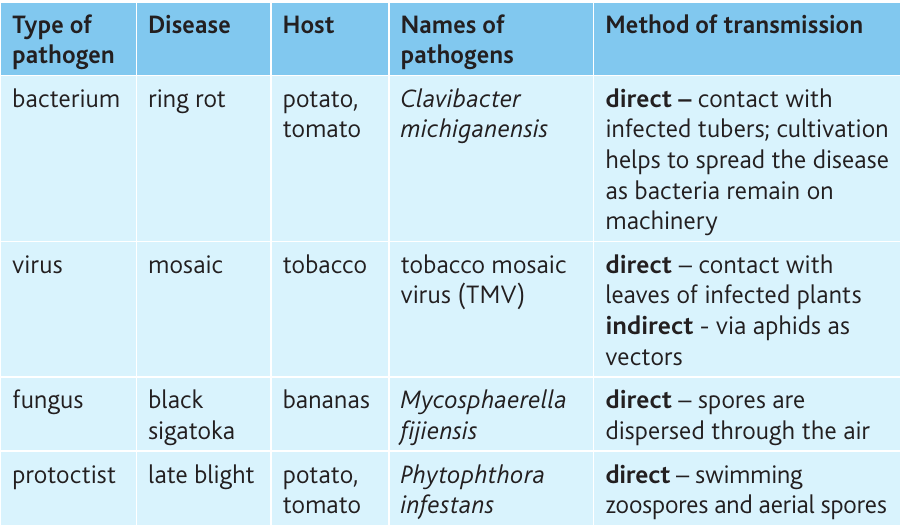
Ring rot affects potatoes and tomatoes. The causative bacterium (Clavibacter michiganensis) infects vascular tissue (xylem and phloem), blocking water and nutrient transport. This blockage causes leaf wilting. The bacteria spread through the vascular system into developing tubers, where they accumulate in a ring pattern matching the arrangement of vascular tissue.
Note
Transmission occurs through direct contact with infected tubers. Agricultural machinery that remains contaminated between uses can spread the pathogen between plants and fields. This highlights the importance of equipment sterilisation in agricultural disease control.
Viruses as pathogens
Viruses represent the most extreme form of parasitism. These non-cellular particles lack the machinery for respiration, ATP synthesis, protein synthesis, or reproduction. To propagate, viruses must invade host cells and hijack the cellular machinery.
Important
All viruses are obligate intracellular parasites – they cannot survive or reproduce outside of a host cell. This complete dependence on host machinery makes viruses fundamentally different from all other pathogens.
Virus structure
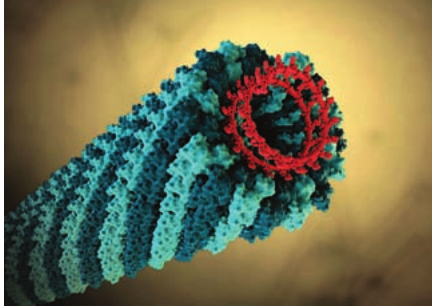
Viruses consist of genetic material (either DNA or RNA) surrounded by a protein coat called a capsid. Some viruses have an additional outer layer – a phospholipid envelope derived from the host cell membrane.
Tobacco mosaic virus (TMV) represents a simple virus structure. The rod-shaped capsid protein surrounds a single strand of RNA. This RNA encodes just four proteins.
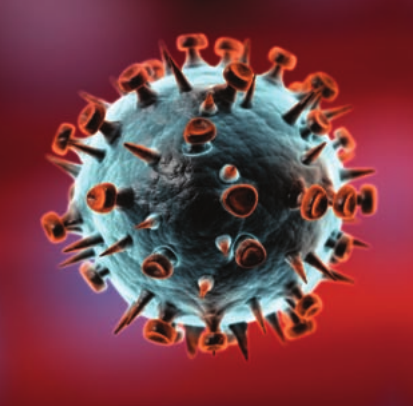
Influenza viruses have more complex structures. Influenza A (the most common type) contains eight separate RNA molecules encoding genes. These genes include instructions for glycoproteins (haemagglutinin and neuraminidase) that stud the viral envelope and facilitate infection of new host cells.
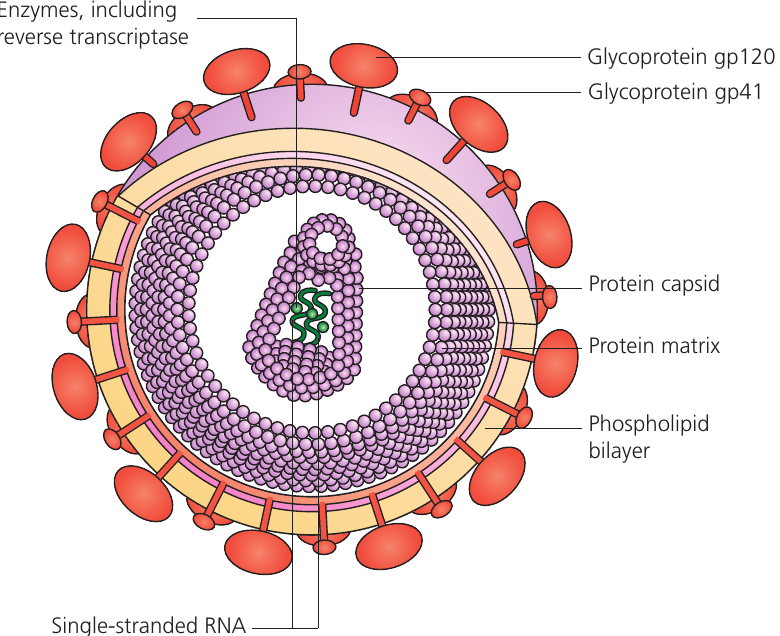
Human immunodeficiency virus (HIV) exhibits even greater complexity. This enveloped virus contains:
- Single-stranded RNA as genetic material
- A protein capsid
- A protein matrix layer
- An outer phospholipid bilayer derived from the host cell membrane
- Glycoproteins (gp and gp) embedded in the envelope
- Enzymes including reverse transcriptase, integrase, and protease
HIV as a retrovirus
HIV belongs to a special category of viruses called retroviruses. Unlike other RNA viruses, retroviruses use their RNA as a template to synthesise DNA – the reverse of normal cellular processes.
Note
The term "retrovirus" comes from this reverse flow of genetic information: RNA → DNA, which is opposite to the normal cellular direction of DNA → RNA → protein. This unique characteristic requires special viral enzymes not found in host cells.
The HIV replication cycle proceeds as follows:
- The enzyme reverse transcriptase uses viral RNA as a template to synthesise single-stranded DNA
- DNA polymerase converts this into double-stranded DNA
- The viral enzyme integrase incorporates this DNA into the host cell's chromosomes, forming a provirus
- The provirus may remain dormant for years
- Upon activation, host RNA polymerase transcribes the proviral DNA to produce:
- New viral RNA (genetic material for new viruses)
- mRNA (instructions for viral proteins)
- Host ribosomes translate the mRNA into viral proteins
- The enzyme protease cuts these proteins into smaller functional units
- New viruses assemble around the RNA molecules
- Complete viruses bud from the cell surface, acquiring an envelope of host membrane containing viral glycoproteins
Important
Other RNA viruses, such as influenza viruses, do not convert their RNA into DNA and therefore are not classified as retroviruses. This distinction is crucial for understanding different antiviral treatment strategies.
Viral diseases
Tobacco mosaic virus infects numerous plant species beyond tobacco. Infected leaves develop a characteristic mosaic pattern of yellow patches where the virus has damaged chloroplasts and reduced photosynthetic capacity.
Influenza affects the respiratory system. Three virus types (A, B, and C) cause flu, with type A responsible for major worldwide epidemics (pandemics) in , , , and . The virus infects epithelial cells lining the airways.
Note
The recurring pandemics of influenza A highlight the virus's ability to evolve rapidly through genetic changes. This constant evolution is why new flu vaccines must be developed each year to match circulating strains.
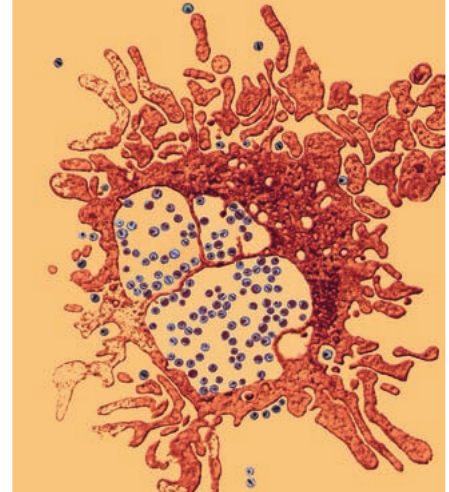
HIV/AIDS progressively damages the immune system. HIV infects specific cell types including certain white blood cells and brain cells. Without treatment, HIV infection leads to acquired immunodeficiency syndrome (AIDS), where the immune system becomes too weak to fight opportunistic infections.
Protoctists as pathogens
Protoctists are eukaryotic microorganisms. Unlike prokaryotic bacteria, they possess membrane-bound organelles including a nucleus, mitochondria, and in some cases chloroplasts.
Malaria
Several Plasmodium species cause human malaria, with P. falciparum producing the most severe form. The parasite has a complex life cycle involving two hosts:
- Humans (where asexual reproduction occurs)
- Female Anopheles mosquitoes (where sexual reproduction occurs)
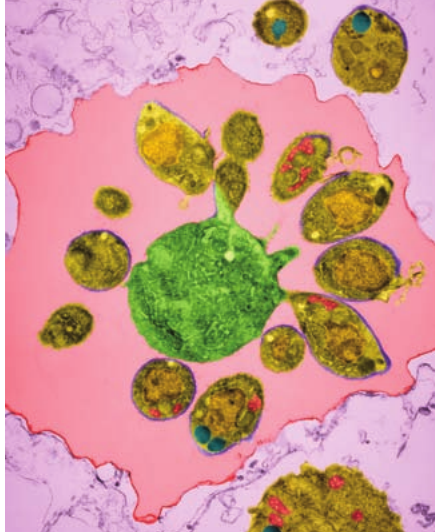
The parasite invades red blood cells, reproducing inside them. When infected cells rupture, they release new parasites that infect fresh red blood cells. This cyclical destruction of red blood cells causes the characteristic fever cycles of malaria.
Note
Transmission is indirect – the female mosquito acts as a vector, transferring parasites between human hosts when it feeds on blood. The mosquito is not harmed by the parasite, making it an ideal vector for disease transmission.
Fungi as pathogens
Fungi are eukaryotic organisms with cell walls and large vacuoles. Many fungi grow as networks of thread-like filaments called hyphae that spread through soil or host tissues.
Fungal diseases in animals
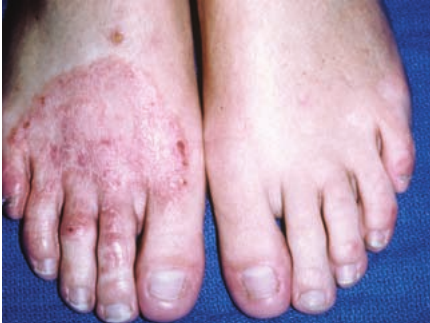
Athlete's foot affects the skin, particularly between toes. Three fungal species commonly cause this condition: Epidermophyton floccosum, Trichophyton rubrum, and T. mentagrophytes. The fungi grow on the skin surface, causing itching, scaling, and sometimes cracking.
Note
Transmission occurs through direct contact with contaminated surfaces such as towels, floors in changing rooms, or shower areas. The warm, moist environment of communal bathing facilities creates ideal conditions for fungal survival and transmission.
Ringworm in cattle (caused by Trichophyton verrucosum) produces circular lesions on the skin. Despite the name, no worm is involved – the circular pattern gives rise to the common name. Transmission occurs through direct contact with infected animals.
Fungal diseases in plants
Fungal plant pathogens are more numerous and economically significant than bacterial plant pathogens.
Black sigatoka devastates banana crops. The fungus (Mycosphaerella fijiensis) produces black streaks across banana leaves as it spreads through leaf tissue. This damage progressively reduces the plant's photosynthetic capacity. As the disease advances, entire leaves die, drastically reducing carbohydrate production and fruit yield.
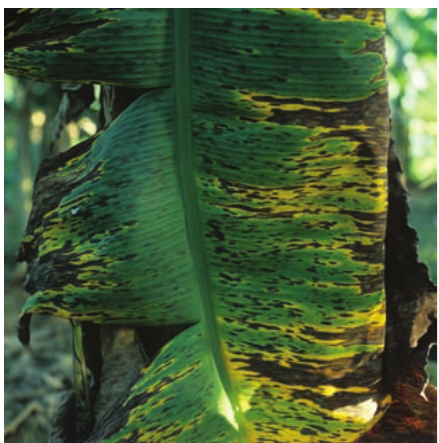
Spores spread through the air, allowing rapid transmission between plants.
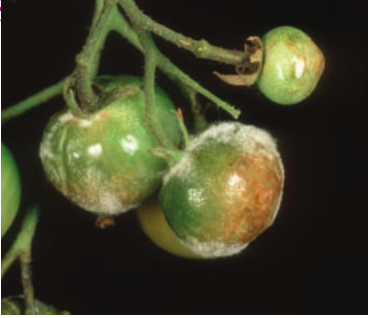
Late blight (potato blight) has caused catastrophic crop failures throughout history, most notably the Irish potato famine of the s. The pathogen Phytophthora infestans infects both potatoes and tomatoes.
Important
Although classified as a protoctist, P. infestans shares features with fungi (it forms hyphae). However, several characteristics distinguish it from true fungi:
- Cell walls contain cellulose (not chitin)
- Storage carbohydrate is starch (not glycogen)
- Produces motile spores with flagella that swim through water
The pathogen produces two types of spores:
- Swimming zoospores that move through soil water and surface moisture
- Aerial spores that spread through the air
Both direct transmission routes enable rapid disease spread under suitable conditions (high humidity and moderate temperatures).
Summary tables of diseases
Animal diseases
Plant diseases
Summary
Key Points to Remember:
-
Pathogens are disease-causing organisms that can be bacteria, viruses, fungi, or protoctists
-
Communicable diseases are caused by pathogens that can be transmitted between hosts, unlike non-communicable diseases which have genetic, degenerative, or nutritional causes
-
Direct transmission occurs through droplets, physical contact, or body fluid exchange; indirect transmission involves vectors like mosquitoes that transfer pathogens without being harmed
-
Viruses are obligate intracellular parasites that must hijack host cell machinery to replicate – they cannot survive or reproduce independently
-
HIV is a retrovirus that uses reverse transcriptase to make DNA from its RNA template, then integrates into host chromosomes as a provirus, which can remain dormant for years
-
Understanding transmission routes is essential for developing disease control strategies – different transmission mechanisms require different prevention and control approaches
-
The distinction between intracellular and extracellular parasites affects how diseases progress and how they can be treated