Bacterial Diseases (AQA GCSE Biology): Revision Notes
📚Revision Notes
3.1.3 Bacterial Diseases
Note
Bacterial diseases are becoming an increasing concern due to the rise in antibiotic-resistant strains, making them harder to treat.
Salmonella Food Poisoning
- Symptoms: Salmonella infection leads to fever, stomach cramps, vomiting, and diarrhoea. These symptoms are caused by the toxins secreted by the bacteria.
- How it is Spread: Salmonella bacteria are commonly found in the guts of animals such as poultry and livestock. People can contract the infection by consuming contaminated raw or undercooked meat, eggs, or through contact with contaminated surfaces.
- Prevention:
- Vaccination: Poultry in many regions are vaccinated against Salmonella to reduce the spread of the bacteria.
- Food Handling: Practising good hygiene in the kitchen is essential. This includes keeping raw meat separate from cooked food, avoiding washing raw meat (to prevent spreading bacteria), thoroughly washing hands and surfaces after handling raw meat, and cooking food thoroughly to kill any bacteria.
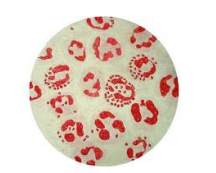
Gonorrhoea
- Symptoms: Gonorrhoea is a sexually transmitted infection (STI) that causes a thick yellow or green discharge from the vagina or penis and pain during urination.
- How it is Spread: The bacteria are spread through unprotected sexual contact with an infected person.
- Prevention:
- Contraception: Using barrier methods of contraception, such as condoms, helps prevent the spread of gonorrhoea and other STIs.
- Treatment: Gonorrhoea can be treated with antibiotics, although the disease was previously treated with penicillin, many strains of the bacteria have become resistant to it. As a result, other antibiotics are now used, but resistance continues to be a growing concern.
Note
Understanding and preventing bacterial diseases is crucial, especially with the increasing challenge of antibiotic resistance. Practising good hygiene, safe food handling, and using effective contraception are key strategies to reduce the spread of these infections.