Fungal Diseases (AQA GCSE Biology): Revision Notes
📚Revision Notes
3.1.4 Fungal Diseases
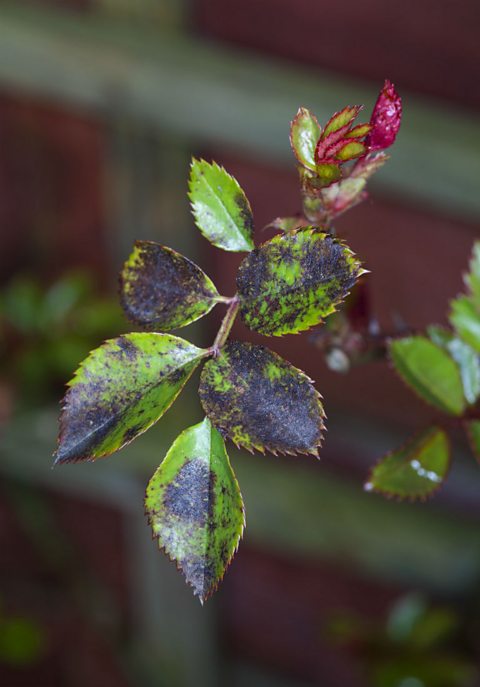
Rose Black Spot
- Symptoms: Rose black spot is a fungal disease that causes purple or black spots to develop on the leaves of rose plants. This infection reduces the area of the leaf available for photosynthesis, weakening the plant. As the disease progresses, the affected leaves turn yellow and often drop off the plant prematurely, leading to reduced growth and flowering.
- How it is Spread: The fungus spreads through spores, which are carried by water (such as rain) or wind. Once the spores land on a healthy plant, they can infect it and start the disease cycle again.
- Prevention and Treatment:
- Fungicides: Applying fungicides can help control the spread of rose black spot and protect new growth from becoming infected.
- Removing Infected Leaves: Infected leaves should be stripped from the plant and destroyed (preferably by burning) to prevent the fungus from spreading further. It's important not to compost the infected leaves, as this can allow the spores to survive and reinfect plants.