Addition (AQA GCSE Design and Technology): Revision Notes
📚Revision Notes
Addition processes for papers and boards
Addition processes are techniques used to enhance paper and board materials by adding extra layers or treatments. These methods significantly improve the properties of the base materials, making them more suitable for specific applications like packaging, printing, and protection.
Understanding addition processes
When we talk about addition in the context of papers and boards, we're referring to processes that literally add something to the original material. This could be additional layers, protective coatings, or special treatments that change how the paper or board behaves.
Note
The main goal of addition processes is always to improve the material's performance for its intended use. This could mean making it more durable, water-resistant, printable, or visually appealing.
Laminating techniques
Laminating involves bonding additional layers to paper or board to create a composite material with enhanced properties. This process can dramatically improve durability, appearance, and functionality.
Encapsulation and laminating
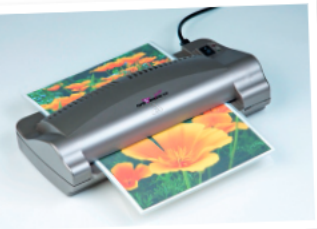
Encapsulation is a laminating process where the paper or thin board is completely sealed within a protective polymer pouch. This creates a waterproof barrier that shields the material from dirt, moisture, and fading. The process makes the final product much more rigid and significantly easier to clean.
The encapsulation process works by using heat to bond specially designed pouches around the material. These pouches are fed through a laminating machine that applies the right combination of heat and pressure to create a permanent seal.
Example
Practical Applications of Encapsulation:
Common uses include:
- Restaurant menus (protection from spills and easy cleaning)
- ID cards and badges (durability and professional appearance)
- Important documents (long-term preservation)
- Instructional materials in workshops (protection from dirt and moisture)
Hot foil blocking
Hot foil blocking is a decorative addition process that creates eye-catching metallic finishes on paper and card materials. The technique involves pressing pre-glued foil onto the card surface using heat and pressure.
This process is especially popular in the packaging industry and for creating premium greeting cards. The metallic finish adds perceived value and visual appeal, making products stand out on shelves or creating elegant personal correspondence.
Foil laminated board construction
Foil laminated boards combine the strength of card with the barrier properties of aluminium foil. In this process, a thin layer of aluminium is permanently bonded to a card base, creating a material that's particularly useful for food packaging applications.
The aluminium layer creates an effective barrier between food products and the card material, preventing contamination and helping to preserve freshness. This construction is commonly seen in milk cartons, juice boxes, and other food packaging where product protection is essential.
Commercial laminating applications
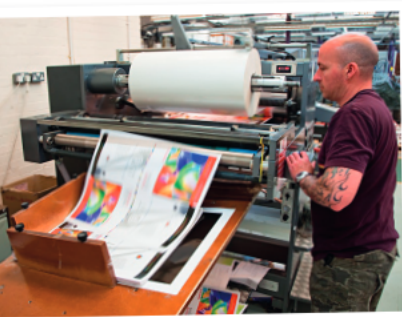
Commercial laminating uses polythene film to protect printed materials like book covers and promotional materials. Unlike encapsulation, this process typically covers only one or both flat surfaces of the material without completely sealing the edges.
Important
While commercial laminating provides excellent protection for the printed surface, the unsealed edges can still be vulnerable to water damage. This is an important consideration when choosing between different laminating methods.
The laminating material is applied from large rolls and can be bonded using either cold adhesive processes or heat sealing, depending on the specific requirements of the job.
Coatings and additives
Paper and board materials can be treated with various coatings and additives to modify their surface properties. The primary purpose of these treatments is to reduce the natural absorbency of paper fibres, which significantly improves the quality of any printing applied to the surface.
When paper is too absorbent, ink can spread beyond the intended areas, creating blurred images and poor-quality text. By applying appropriate coatings, manufacturers can control exactly how much ink the paper absorbs, resulting in sharp, professional-looking printed materials.
Note
These treatments can be applied during the manufacturing process or as a separate finishing step, depending on the desired properties and intended use of the final product.
Sizing treatments
Sizing is a specific type of coating process designed to control the absorbency characteristics of paper. This treatment can be applied at two different stages of the manufacturing process, each offering distinct advantages.
Internal sizing
Internal sizing involves adding sizing materials during the wet processing stage of paper manufacture. This means the sizing agents are mixed directly into the paper pulp before the sheets are formed. This approach creates uniform absorbency control throughout the entire thickness of the paper.
External sizing
External sizing is applied to the paper surface after the basic paper has been manufactured and dried. This surface treatment provides precise control over the final absorbency characteristics and can be tailored to specific printing or use requirements.
Sizing materials
The materials used for sizing include both traditional and modern options:
Traditional mineral-based agents:
- Clay - provides effective absorbency control
- Chalk - commonly used for basic sizing applications
- Powdered minerals - selected based on specific property requirements
Advanced synthetic options:
- Wax-based coatings - offer superior performance characteristics
- Acrylic polymer coatings - can be formulated for very specific absorbency levels and surface properties
Important
The choice of sizing material depends on the intended use of the paper and the specific performance characteristics required for the final application.
Summary
Key Points to Remember:
-
Addition processes enhance paper and board by adding layers, coatings, or treatments that improve their properties for specific applications
-
Laminating techniques include encapsulation, hot foil blocking, and commercial laminating, each serving different protective and decorative purposes
-
Coatings and additives reduce absorbency to improve printing quality by preventing ink from spreading beyond intended areas
-
Sizing can be applied internally during manufacture or externally after production, using materials like clay, chalk, minerals, wax, or acrylic polymers
-
Each addition process serves specific needs - from waterproof protection to decorative finishes to improved printability