Addition (AQA GCSE Design and Technology): Revision Notes
📚Revision Notes
Addition in textile-based materials
Addition refers to the various techniques, tools, and processes used to connect textiles together or enhance fabrics with decorative and functional features. These methods allow designers and manufacturers to create more complex textile products with improved properties and visual appeal.
Sewing techniques
Sewing is a fundamental method for connecting fabrics using stitches, which can be created either by hand or using machines. The choice between hand and machine sewing depends on the project requirements, precision needed, and time available.
Hand sewing process
Hand sewing follows a systematic six-step approach that ensures strong, neat connections between fabric pieces:
Example
Worked Example: Hand Sewing Process
Step 1: Select the appropriate needle size - The needle must match the weight and thickness of the thread being used
Step 2: Unravel the required length of thread - Cut enough thread for the task without creating waste
Step 3: Weave the thread through the loop at the needle's end to secure it properly
Step 4: Tie a knot at the end of the thread to prevent it pulling through the fabric
Step 5: Sew using your chosen stitch technique - Apply consistent tension and spacing
Step 6: Tie a final knot and cut away excess thread to finish the seam neatly
Machine sewing advantages
Note
Modern sewing machines offer several significant benefits over hand sewing methods:
- Increased speed - Machines can create stitches much faster than hand sewing
- Enhanced precision - Consistent stitch spacing and tension creates a professional appearance
- Superior strength - Machine stitches typically create stronger seams that can withstand more stress
- Higher stitch density - More stitches per unit length results in more durable connections
 Types of stitches
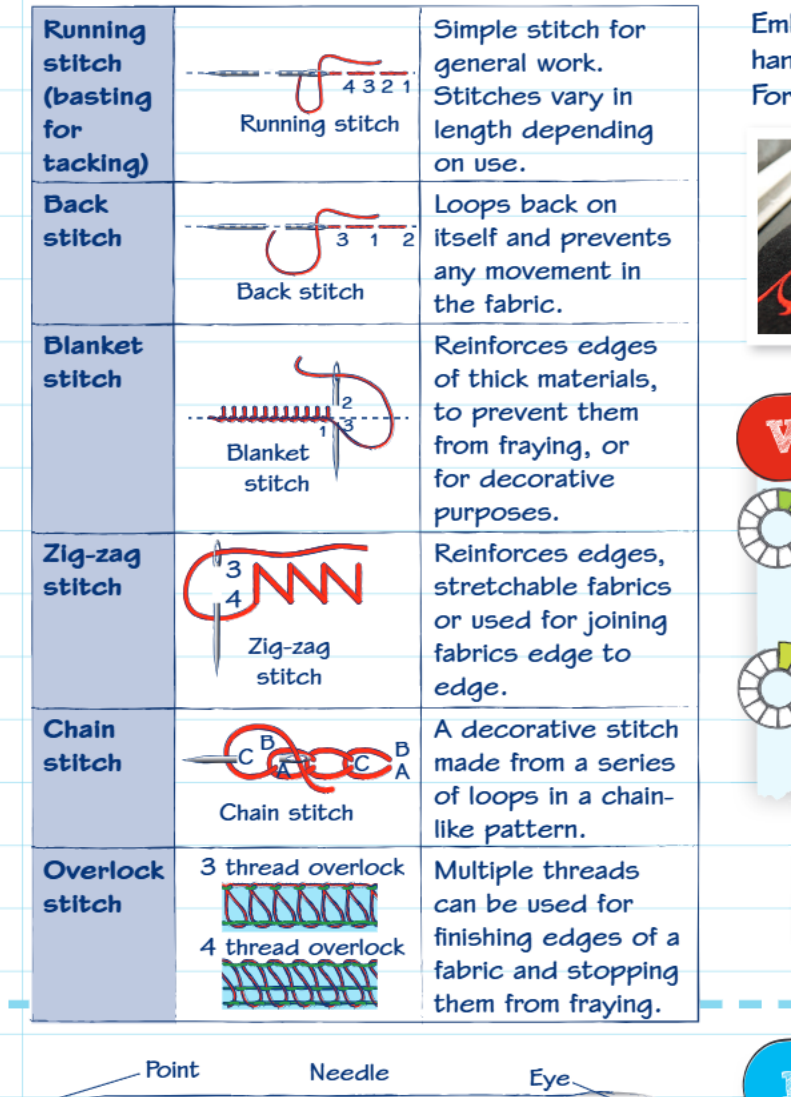
Different stitch types serve specific purposes in textile construction and decoration. Understanding when to use each type is essential for successful textile work.
Running stitch (basting/tacking) - This simple, straight stitch serves as the foundation for general sewing work. The stitch length can be adjusted depending on the specific application, making it versatile for temporary holds or permanent seams.
Back stitch - This stitch creates exceptionally strong connections by looping back on itself. This backwards motion prevents any movement within the fabric layers, making it ideal for high-stress seams that need maximum durability.
Blanket stitch - Specifically designed for reinforcing the edges of thick materials, this stitch prevents fraying and provides a decorative finish. It's particularly useful for preventing thick fabrics from unravelling at cut edges.
Zig-zag stitch - This versatile stitch pattern reinforces edges effectively and can also join different fabric pieces together. The alternating direction creates flexibility while maintaining strength, making it suitable for stretch fabrics.
Chain stitch - Created from interlocking loops that form chain-like patterns, this decorative stitch adds visual interest while providing functional connection. The continuous loop structure creates an attractive raised effect on fabric surfaces.
Overlock stitch - Available in both 3-thread and 4-thread versions, this specialised stitch excels at finishing fabric edges professionally. Multiple threads work together to prevent fraying while creating neat, durable edge treatments.
Embroidery techniques
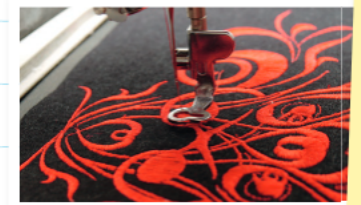
Embroidery involves applying decorative stitches directly onto fabric surfaces, either by hand or machine. This technique serves primarily decorative purposes, such as adding company logos to clothing or creating ornate patterns on household textiles.
Note
Computer Numerical Control (CNC) Revolution
CNC machines have revolutionised embroidery production by enabling programmable, repeatable accuracy. These machines can produce intricate embroidered designs in a fraction of the time required for hand embroidery, making decorative textile work more accessible for commercial applications.
Advanced addition methods
Laminated and layered textiles
Laminating or layering involves combining multiple fabric layers to create composite materials with enhanced properties. This technique uses the specific characteristics of different fabric types to achieve desired effects that single-layer materials cannot provide.
Note
Layered Textile Benefits
Different layers serve various functions - some provide comfort and softness against skin, others offer water resistance, heat resistance, or improved breathability. The layers can be connected through sewing or bonding processes using adhesives or heat treatment.
Examples of successful laminated textiles include specialised clothing for sports activities, firefighting equipment, and PVC-backed fabrics used in sports bags and outdoor gear.
Piping
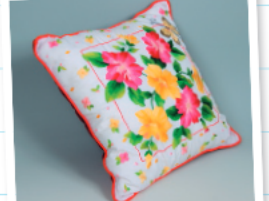 Piping involves inserting cord along fabric edges or seams to strengthen, protect, and enhance the appearance of textile products. This technique is commonly used on cushions, furniture, and clothing where a contrasting colour cord creates strong visual definition.
 The process involves sewing cord into fabric seams, often using contrasting colours to create striking visual effects. Beyond decoration, piping provides practical benefits by reinforcing high-wear areas and creating neat, professional-looking edges.
Appliqué
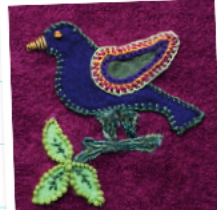 Appliqué involves sewing fabric shapes onto base fabrics to create colourful patterns and add textural interest. This technique allows designers to incorporate multiple colours and patterns without complex dyeing or printing processes.
Important
Edge Treatment for Appliqué
When working with felt materials, edges typically don't require additional finishing since felt doesn't fray. However, other fabric types need edge treatments such as zig-zag stitching to prevent unravelling and maintain the appliqué's appearance over time.
Batik
Batik represents a traditional fabric colouring technique originating from Java, Indonesia. This method uses wax to mask specific areas of fabric in fine lines or blocks before applying dyes, creating intricate patterns through controlled colour application.
Example
Worked Example: Traditional Batik Process
Step 1: Draw the pattern directly onto the fabric surface using guidelines
Step 2: Apply the first wax layer to areas that should remain the original colour
Step 3: Apply the first dye layer to create the initial colour scheme
Step 4: Repeat the wax and dye process until all desired colours have been built up in layers
Step 5: Remove all wax through ironing or boiling to reveal the final pattern
This technique allows for complex, multi-colored designs with sharp colour boundaries and intricate detail work that would be difficult to achieve through other colouring methods.
Summary
Key Points to Remember:
- Addition techniques connect and enhance textiles - Various methods exist for joining fabrics and adding decorative or functional features
- Choose the right stitch for the job - Different stitch types serve specific purposes, from temporary basting to permanent structural seams
- Machine sewing offers speed and consistency - While hand sewing provides control, machines deliver professional results more efficiently
- Layering creates composite materials - Combining different fabric types can produce materials with superior properties than single layers
- Traditional techniques remain valuable - Methods like batik and appliqué continue to offer unique aesthetic possibilities in modern textile work