Commercial processes (AQA GCSE Design and Technology): Revision Notes
📚Revision Notes
Commercial processes for textile-based materials
Weaving fundamentals
Weaving creates fabric by interlacing two sets of yarns that run in perpendicular directions. The process involves weft yarns running horizontally from left to right, while warp yarns run vertically up and down the length of the fabric. This basic principle forms the foundation for all woven textiles.
Note
The perpendicular arrangement of weft and warp yarns is what gives woven fabrics their characteristic strength and stability, making them suitable for a wide range of applications from clothing to industrial uses.
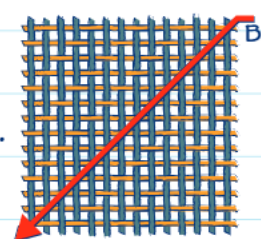 Plain weave
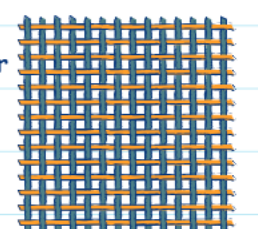
Plain weave represents the most basic weaving pattern where weft threads alternate over and under each warp thread in a simple sequence. This creates a balanced, stable fabric structure that works particularly well for cotton-based materials like shirts and basic garments.
The main advantages of plain weave include its affordability to produce, excellent strength, and durability for everyday wear. Additionally, this weave structure accepts printing processes very effectively, making it ideal for patterned fabrics.
Important
Plain weave's simple alternating pattern makes it the most cost-effective weaving method, which is why it's commonly used for basic garments and household textiles.
Twill weave
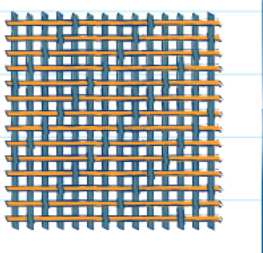
Twill weaving creates a distinctive diagonal pattern by having weft yarns pass over two warp threads and under one in a stepped sequence. This technique is commonly used for manufacturing trousers and curtain materials.
 The diagonal pattern created in twill weave is called bias, which significantly improves the fabric's elasticity and freedom of movement. This makes twill particularly suitable for garments that need flexibility. The weave structure also works well with softer yarn materials such as denim, creating a stronger fabric overall.
Note
The stepped sequence in twill weaving creates the characteristic diagonal ridges that can run either left-to-right or right-to-left, depending on the direction of the weaving progression.
Satin weave
Satin weave involves weft threads passing over four or more warp threads before going under just one. This creates fewer interlacing points compared to other weave types, resulting in a smoother surface texture.
This weaving method is primarily used for creating blouses and formal garments. The reduced interlacing points produce fabrics with a characteristic shiny appearance that feels delicate against the skin, though this also means satin fabrics can be more prone to snagging.
Important
While satin's smooth surface and lustrous appearance make it desirable for formal wear, the reduced interlacing points mean these fabrics require more careful handling and are more susceptible to damage from sharp objects.
Dyeing processes
The application of colour to textiles can occur at various stages throughout the manufacturing process, offering flexibility in production planning and final product characteristics.
Dyes can be applied to fibres before they are spun into yarn (known as stock dyeing), directly to the yarn itself (yarn dyeing), to a complete length of finished cloth (piece dyeing), or even to an entire finished garment. Each approach offers different advantages in terms of colour uniformity, production efficiency, and design possibilities.
Note
The choice of dyeing stage affects both the final appearance and production costs. Stock dyeing provides the most even colour distribution, while garment dyeing offers the greatest flexibility for responding to market demands.
Printing techniques
Printing processes apply decorative patterns, colours, or specific markings to the surface of fabrics using various methods. Fabrics with tighter weave structures typically produce better quality printed results.
 Block printing
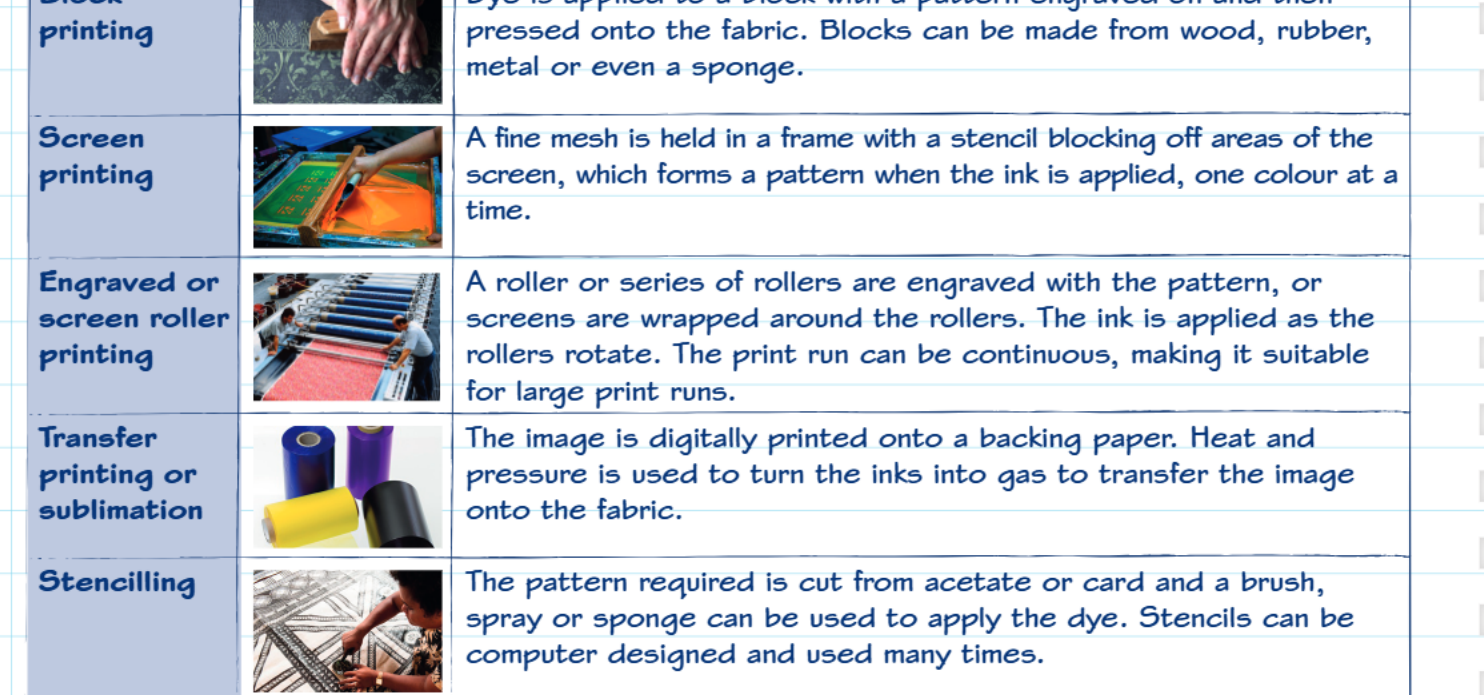
This traditional method involves applying dye to a block that has a raised pattern carved or moulded into its surface. The patterned block is then pressed firmly onto the fabric to transfer the design. Blocks can be manufactured from various materials including wood, rubber, metal, or specially designed sponges, each offering different levels of detail and durability.
Example
Traditional Block Printing Process:
Step 1: Carve or mould the desired pattern into the block surface Step 2: Apply dye evenly to the raised pattern areas Step 3: Position the block carefully on the fabric Step 4: Apply firm, even pressure to transfer the design Step 5: Lift the block carefully to reveal the printed pattern
Screen printing
Screen printing uses a fine mesh stretched within a frame, with a stencil that blocks specific areas of the screen to create the desired pattern. When ink is applied and pushed through the mesh, it transfers only through the open areas, creating the pattern on the fabric below. This method typically applies one colour at a time, requiring multiple screens for multi-colored designs.
Note
Screen printing's ability to produce crisp, detailed designs makes it popular for both small-scale artistic projects and medium-volume commercial production, though setup time increases significantly with the number of colours required.
Engraved or screen roller printing
This industrial method employs rollers that have been engraved with the desired pattern, or alternatively, screens can be wrapped around rotating rollers. As the rollers turn, ink is continuously applied to create the pattern on the fabric. This approach enables continuous printing runs, making it highly suitable for large-scale commercial production.
Transfer printing and sublimation
Transfer printing first creates the design digitally on special backing paper. The printed image is then transferred to the fabric using controlled heat and pressure, which converts the solid ink into gas form. This gaseous ink penetrates the fabric fibres before cooling and solidifying, creating a permanent, high-quality print.
Important
The sublimation process requires specific temperature and pressure conditions to work effectively. The ink must reach its gas phase to properly penetrate synthetic fibres, making this method particularly suitable for polyester fabrics.
Stencilling
Stencilling involves cutting the required pattern from materials like acetate or cardboard to create a template. Dye can then be applied through the cut-out areas using brushes, spray application, or sponges. Modern stencils can be computer-designed for precision and reused multiple times, making this method both cost-effective and versatile.
Note
Computer-aided design has revolutionised stencilling by allowing for intricate, precise patterns that would be difficult to cut by hand, while also enabling easy replication and modification of designs.
Understanding weft and warp terminology
In textile production, understanding the direction of yarn placement is crucial for quality control and fabric behaviour. A weft yarn runs horizontally across the width of a fabric from side to side, while a warp yarn runs vertically along the length of the fabric from top to bottom. This fundamental knowledge helps in understanding how different weaving patterns affect the final properties of the textile.
Important
Proper identification of weft and warp directions is essential for fabric cutting, pattern matching, and understanding how the finished textile will behave during use and care. Mistakes in yarn direction can lead to distorted garments and poor fabric performance.
Summary
Key Points to Remember:
- Weaving combines weft (horizontal) and warp (vertical) yarns to create different fabric structures with unique properties
- Plain weave offers strength and printability, twill provides flexibility with its diagonal bias pattern, and satin creates smooth, shiny surfaces
- Dyeing can occur at multiple stages - from raw fibres through to finished garments - allowing for different production strategies
- Printing methods range from traditional block printing to modern digital transfer techniques, each suited to different production scales and quality requirements
- Tighter weave structures generally produce better results for printing applications, making weave selection important for decorative fabrics