Deforming and reforming (AQA GCSE Design and Technology): Revision Notes
📚Revision Notes
Deforming and reforming
Introduction
When working with textile-based materials, there are many different tools, equipment and processes used to shape fabrics into desired forms. Understanding these techniques is essential for creating well-fitted garments and textile products. These methods allow designers and makers to transform flat fabric pieces into three-dimensional shapes that fit the human form or serve specific functional purposes.
Main shaping techniques
Draping
Draping involves manipulating fabric to create a desired shape or form. This technique is fundamental in garment construction and allows designers to see how fabric will behave when worn.
There are two main approaches to draping:
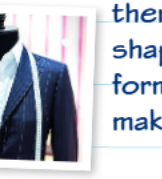
Three-dimensional draping uses a mannequin (tailor's dummy) as a form to shape fabric. This method makes it much easier for tailors and dressmakers to visualise how a garment will look as it develops. The fabric is pinned and adjusted directly on the three-dimensional form, allowing for precise fitting and design adjustments.
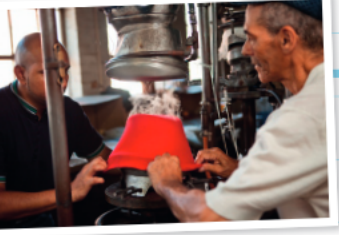
 Wet felting method is used specifically for shaping felt materials. The felt is soaked in hot water, then a former is used to stretch the felt into the desired shape. When the felt dries, it maintains the formed shape. This technique is commonly used for making hats and other structured felt items.
Note
Draping is particularly valuable because it allows designers to work with the natural properties of different fabrics, seeing how they fall, stretch, and move in real-time rather than trying to predict these behaviours on paper.
Seams
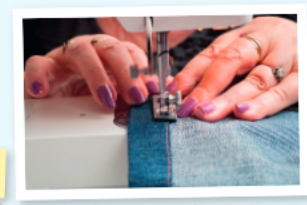
A seam provides a strong and secure method for joining two pieces of fabric together through stitching. Since seams serve a functional purpose, they should be as flat as possible so they remain inconspicuous when the garment is worn.
 The flat seam is the most basic type and creates a neat, almost invisible line on the right side of the fabric. When constructing seams, it's important to consider the seam allowance - this is the extra fabric beyond the actual seam line that ensures the join remains secure even with wear and washing.
Important
Seams should be as flat as possible to remain invisible when the garment is worn. Bulky or poorly finished seams can create uncomfortable pressure points and visible lines that detract from the garment's appearance.
Hems
Hemming creates a neat edge on fabric by folding the material over and sewing along the fold. This technique serves two important purposes: it provides a clean, finished appearance and prevents the fabric from unravelling or fraying over time.
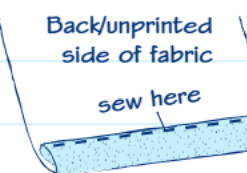 Hems are commonly used on the bottom edges of garments like skirts, trousers, and curtains. The process involves folding the fabric edge to the back (unprinted side) and securing it with stitching.
Note
The dual purpose of hemming makes it one of the most essential finishing techniques in textile work - it both protects the fabric integrity and enhances the professional appearance of the finished product.
Quilting
This technique creates textured, padded surfaces by using multiple layers of fabric. Padding material (called wadding) is sandwiched between two outer fabric layers, and all three layers are stitched together. This raises the surface of the material and creates both decorative and functional effects.
Quilting is used in various applications, from decorative bedspreads to warm winter clothing. The quilting process not only adds insulation but also prevents the padding from shifting or bunching up during use.
Gathering
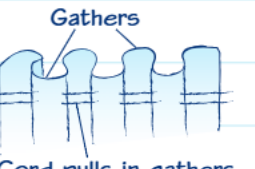
Gathering reduces the fullness of fabric by pulling rows of stitching together. This technique is used for creating ruffles, fitting fullness at waistbands, or creating decorative effects on curtains and garments.
The process involves sewing loose running stitches along the fabric, then pulling the thread ends to bunch the material together. A cord can be used to help pull the fabric into even gathers.
Pleats and tucks
These are folds created in fabric that allow it to fan out in some areas while remaining fitted in others. This technique is particularly useful for skirt construction, where the garment needs to be fitted at the waist but provide freedom of movement at the hem.
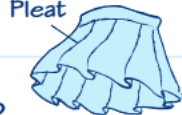 Pleats can be pressed for sharp, formal lines or left unpressed for softer effects. They're commonly used in school uniforms, formal wear, and curtain making.
Note
The versatility of pleats makes them valuable in both functional and decorative applications - they can provide the ease of movement needed in active wear while also creating sophisticated visual effects in formal garments.
Darts
Darts are triangular folds sewn into fabric to make it fit closer to the body. They remove excess material in specific areas, creating shape that follows body contours more closely.
Darts are commonly used at the waist, bust, and shoulder areas of garments. The technique involves folding the fabric along marked lines and stitching from the wide end to the point, creating a tapered seam that shapes the garment to fit the body better.
Important
Proper dart placement and construction is crucial for achieving a well-fitted garment. Incorrectly positioned or poorly sewn darts can create pulling, bunching, or an unflattering silhouette.
Practical applications
Understanding when and how to use these techniques is crucial for successful textile work. Each technique serves specific purposes and can be combined effectively to achieve desired results.
Note
Practical Applications Guide:
- Hemming prevents fraying and provides neat finishes
- Gathering allows fitted waistbands on full skirts
- Darts create shape in fitted garments
- Pleats provide both style and functionality in skirts and curtains
- Seams join fabric pieces securely while remaining inconspicuous
The key to successful textile work is selecting the right combination of techniques for your specific project requirements.
Summary
Key Points to Remember:
- Draping uses three-dimensional forms like mannequins to shape fabric or wet methods for felt materials
- Seams should be as flat as possible to remain invisible when the garment is worn
- Hems prevent fraying while creating neat edges through folding and stitching
- Gathering reduces fabric fullness by pulling stitching threads together
- Pleats and darts both create shape - pleats allow fanning out while darts fit fabric closer to the body