Surface treatments and finishes (AQA GCSE Design and Technology): Revision Notes
📚Revision Notes
Surface treatments and finishes
Surface treatments and finishes are essential processes in woodworking that serve two main purposes. They enhance the visual appeal of timber while providing crucial protection against various forms of damage. These treatments shield wood surfaces from ultraviolet light deterioration, weather exposure, heat damage, dirt accumulation, liquid penetration, fungal growth, and insect attacks. The choice of finish depends entirely on the intended use of the timber, with different options suitable for interior or exterior applications.
Note
The selection of appropriate surface treatment is critical for timber longevity. Interior applications may prioritise aesthetics, while exterior uses require maximum weather resistance and durability.
Painting
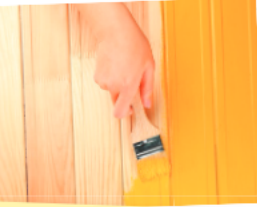
Painting creates a coloured surface finish that works effectively both indoors and outdoors. Modern paints come in three main types: water-based, solvent-based, and oil-based formulations. However, the industry has been moving away from solvent and oil-based paints due to new environmental regulations and health concerns. Polyurethane paints have become increasingly popular for applications where durability is essential, such as children's toys and furniture that experience frequent use or potential scratching.
Important
Environmental regulations and health concerns have made water-based paints the preferred choice for most applications. Always check local regulations and safety requirements when selecting paint types.
Preparing timber for painting
Proper surface preparation is crucial for achieving a professional paint finish. The preparation process involves several systematic steps that ensure the paint adheres correctly and provides long-lasting protection.
Example
Worked Example: Step-by-Step Paint Preparation Process
Step 1: Clean and smooth the timber surface using progressively finer grades of sandpaper to remove rough areas and create an even surface.
Step 2: Treat any knots with specialised knotting solution to prevent resin seepage through the finished paint layer.
Step 3: Apply primer coat and lightly sand with fine-grade sandpaper to create perfect surface texture.
Step 4: Apply undercoat to provide smooth, even base colour and ensure proper paint adhesion, followed by light sanding.
Step 5: Apply topcoat as the finishing layer to determine final colour and finish quality (satin, matt, or gloss).
Each step in this process contributes to the overall durability and appearance of the painted surface, making thorough preparation essential for professional results.
Varnishing
Varnish provides a transparent finish suitable for both interior and exterior use. Unlike paint, varnish allows the natural wood grain and colour to remain visible while offering excellent protection. The finish may slightly alter the wood's colour, but the timber's natural beauty shows through the clear coating.
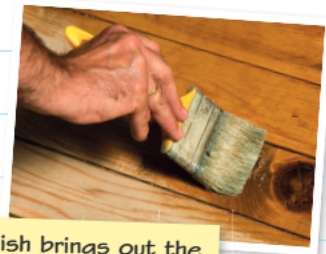 Varnish creates a hard, durable, and waterproof surface that significantly improves the wood's resistance to wear and damage. Beyond protection, varnishing enhances the timber's aesthetic appeal by highlighting the natural grain patterns and wood characteristics.
Note
The key advantage of varnishing over painting is that it preserves and enhances the wood's natural appearance while providing equivalent protection. This makes it ideal for high-quality timber where the grain pattern is a desirable feature.
The preparation process for varnishing follows similar principles to painting, with thorough surface preparation being essential. The varnish can be applied in multiple thin coats, with light sanding between the base coat and final layer to achieve the smoothest possible finish.
Tanalising
Tanalising represents a specialised preservative treatment designed specifically for external timber applications. This industrial process primarily treats softwood lumber before it gets assembled into outdoor structures, providing exceptional protection against water absorption and decay processes.
The treatment significantly extends the timber's lifespan, with properly tanalised wood lasting up to fifteen years longer than untreated alternatives when exposed to outdoor conditions. This makes it an economical choice for fencing, decking, and other exterior construction projects.
Example
Worked Example: The Five-Stage Tanalising Process
Stage 1: Remove moisture from timber using vacuum extraction
Stage 2: Place wood in treatment tank and flood with solution containing copper sulphate and mineral salts
Stage 3: Apply pressure to force preservatives deep into the timber's cellular structure
Stage 4: Use vacuum system to extract excess preservative solution for reuse
Stage 5: Steam-dry the treated timber before removal from facility
Important
Tanalising is an industrial process that must be completed before construction. The deep penetration of preservatives ensures comprehensive protection throughout the wood structure, making it highly effective for long-term outdoor applications.
Other surface treatments
Several additional treatment options provide specific benefits for different applications and requirements.
 Preservatives are chemical treatments designed for external use, offering protection against insect damage and decay. These treatments work by creating an environment within the wood that prevents pest infestation and fungal growth.
Wax treatments involve application using wire wool and cloth, creating a protective layer that can also modify the wood's colour. Wax provides a natural-looking finish while offering moderate protection against moisture and wear.
Oil treatments penetrate deep into the wood grain, creating an effective waterproof barrier from within the timber structure. This treatment maintains the wood's natural appearance while providing excellent moisture protection.
Stain treatments primarily serve to change the wood's colour before applying other protective finishes like wax or varnish. Stains allow woodworkers to achieve specific colour effects while preparing the surface for additional protective treatments.
Note
Each treatment type serves specific purposes and can often be combined for optimal results. For example, staining followed by varnishing can achieve both desired colour and maximum protection.
Summary
Key Points to Remember:
- Surface treatments serve dual purposes: enhancing appearance and protecting timber from damage including UV rays, weather, insects, and decay
- Painting requires systematic preparation involving cleaning, knot treatment, priming, undercoating, and final topcoat application for professional results
- Varnishing provides clear protection that showcases natural wood grain while creating a durable, waterproof surface suitable for indoor and outdoor use
- Tanalising is an industrial pressure-treatment process that dramatically extends exterior timber life by up to 15 years through deep chemical preservation
- Different treatments like wax, oil, stain, and preservatives offer specific benefits depending on the intended use and desired appearance of the finished timber