Circuit Diagrams (AQA GCSE Physics): Revision Notes
📚Revision Notes
2.1.1 Circuit Diagrams
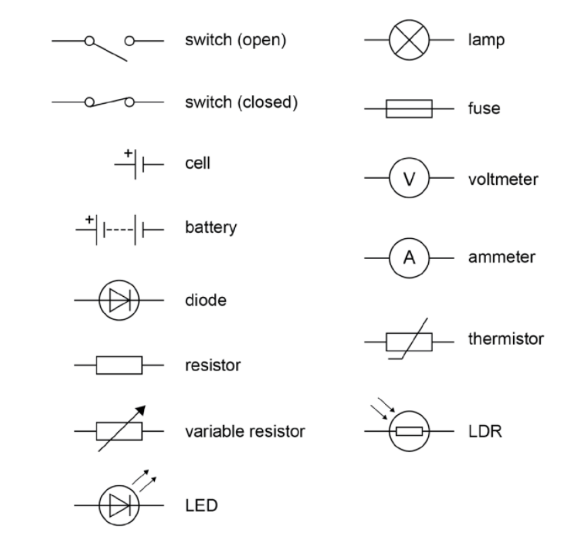
Circuit Symbols:
Potential Difference (P.D.) in Series Circuits
Note
A P.D. of 1 volt tells us that 1 joule of energy is transferred for each coulomb of charge that is moving through the circuit.
Series Circuits
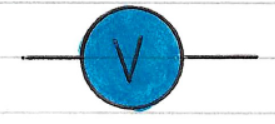
- Voltmeters:
- Always connected in parallel.
- P.D. Distribution:
- P.D. is shared in a series circuit.
- Total P.D. across components is the same as the P.D. across the cell.
Potential Difference in Parallel Circuits
Parallel Circuits
- P.D. Distribution:
- For components connected in parallel, the potential difference across each component is the same.
Potential Difference from Batteries
Batteries
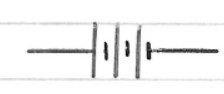
- Battery Definition:
- A battery is two or more cells connected together.
- P.D. Addition:
- The P.D. of cells adds up to give us the total P.D. of the battery.
Charge in Circuits
- Electrical Charge: Measured in coulombs (C).
- Current:
- A current of 1 ampere = 1 coulomb of charge flowing per second.
- The size of the electric current is the rate of flow of electrical charge.
Note
Formula for Charge

- Variables:
- : Charge flow (C)
- : Current (A)
- : Time (s)
Energy Transfer by Components
Note
The formula for Energy Transfer

- Variables:
- : Energy transferred (J)
- : Charge flow (C)
- : Potential difference (V)
Resistance
Note
The resistance tells us the potential difference required to drive a current through a component.
Note
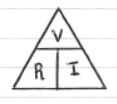
Formula for Resistance
- Variables:
- : Resistance (Ω)
- : Potential difference (V)
- : Current (A)
Relationship Between P.D., Current, and Resistance
Note
Formula:
Current in Series Circuits
Overview
- Flow of Electrons:
- When the switch is closed, electrons flow out of the cell and move around the circuit.
- The electric current flows from the negative terminal to the positive terminal.
- Electrons carry energy from the cell.
- Energy Transformation:
- The lamp's electrical energy is converted to light and thermal energy.

Series Circuits
-
Characteristics:
- Series circuits have no branches.
- The current can only flow in one path.
- Current Definition:
- An electric current is a flow of electric charge around a circuit.
- Unit: ampere (A).
-
Measurement:
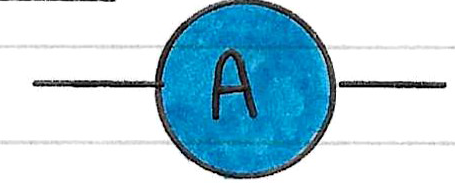
- Current is measured using an ammeter.
- The current is the same all the way around in a series circuit.
Current in Parallel Circuits
Overview
- Parallel Circuits:
- Contains branches, meaning the current splits.
- The current in the branches adds up to the total current leaving the cell.