Work Done & Friction (AQA GCSE Physics): Revision Notes
📚Revision Notes
5.2.3 Work Done & Friction
Friction
Note
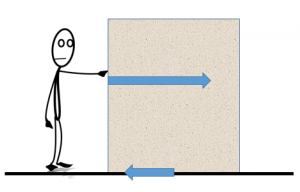
Friction is a force that occurs between two surfaces which are in contact and trying to move past each other. Friction acts in the opposite direction to the motion. Energy used against friction is transformed to heat. The temperature of the object and surface will increase.
Work Done
Note
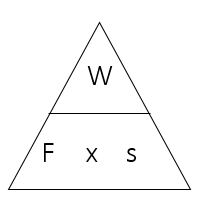
Work done is a measurement of how much energy is required to move an object. It can be calculated using the equation (you DO need to remember this equation for your exam):
Note
Equation
= work done (J)
= force (N)
= distance (m)
Note
Worked Example A race up Ben Nevis starts in a car park 50m above sea level. The top of Ben Nevis is 1344m. Chris weighs 600N and Alison weighs 400N. Calculate the work done by each of them during the race.
- Distance climbed = 1294m
- Chris: work done = 600 x 1294 = 776,400 J
- Alison: work done = 400 x 1294 = 517,600J
- Chris needs more energy for the climb because he weighs more