Importance of the biosphere (Edexcel GCSE Geography A): Revision Notes
📚Revision Notes
Importance of the biosphere
What is the biosphere and why is it important?
The biosphere represents all life on Earth and the environments where life exists. It plays a crucial role in supporting human civilisation by providing essential resources that people depend on for survival and development. These resources include food, medicine, building materials, and fuel. However, the biosphere faces increasing pressure from human exploitation and commercial activities.
Important
The biosphere is under unprecedented pressure from human activities, making sustainable resource management more critical than ever for ensuring future generations can access these vital resources.
How the biosphere provides resources for people
The biosphere serves as a vast storehouse of resources that humans have relied upon throughout history. These resources can be organised into four main categories, each providing different but equally important benefits for human societies.
Note
Understanding how the biosphere provides resources helps us appreciate the interconnected nature of ecosystems and the importance of maintaining biodiversity for continued resource availability.
Food resources from the biosphere
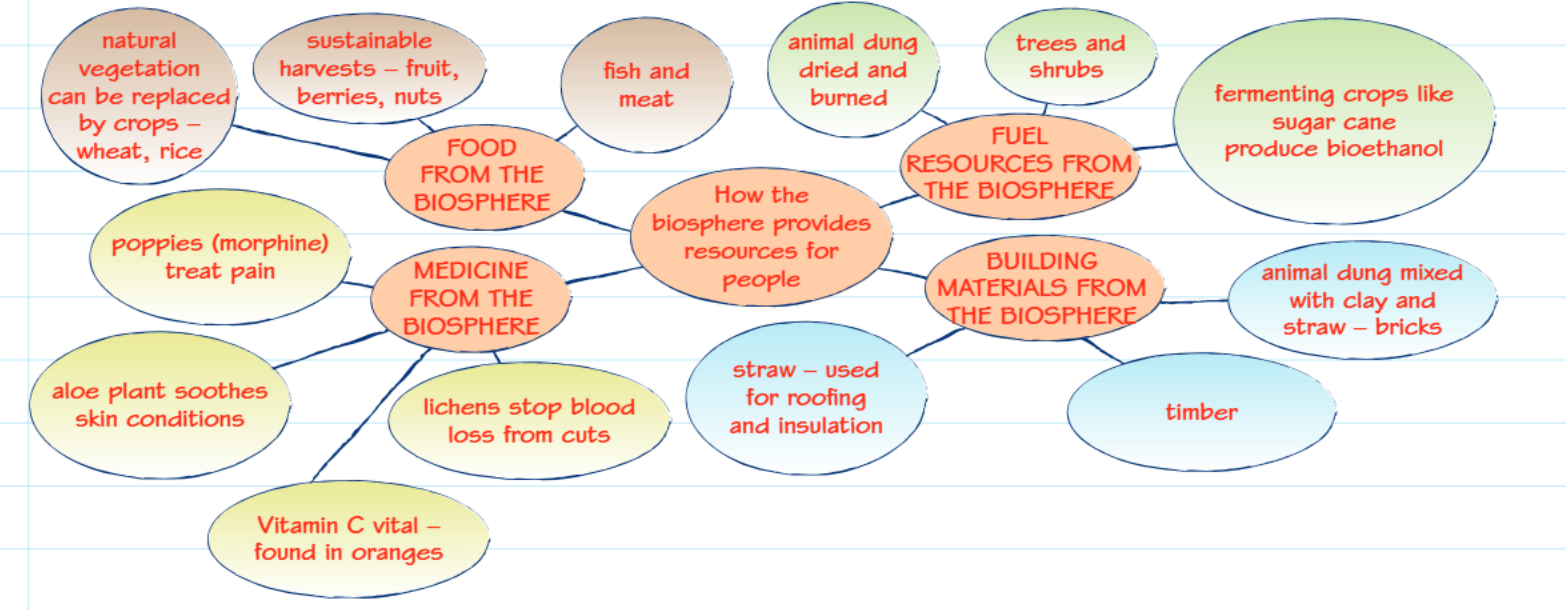
The biosphere provides numerous food sources that sustain human populations worldwide. Natural vegetation in many areas has been replaced by agricultural crops such as wheat and rice, which form the foundation of global food security. Additionally, sustainable harvesting practices allow communities to gather fruits, berries, and nuts from wild plants without depleting these resources.
The biosphere also supports protein sources through fish populations in marine and freshwater ecosystems, as well as livestock and wild game that provide meat for human consumption. These food resources demonstrate how the biosphere can be managed sustainably to meet human nutritional needs.
Medicine from the biosphere
Many of the medicines we use today originate from plants and other organisms within the biosphere. For example, poppies are processed to create morphine, which serves as a powerful painkiller in medical treatments. Aloe plants have been used for centuries to treat various skin conditions due to their healing properties.
Example
Natural Medicine Examples:
- Poppies → Morphine (powerful painkiller)
- Aloe plants → Skin condition treatments
- Lichens → Natural bleeding stoppers for wounds
- Citrus fruits → Vitamin C to prevent scurvy
Other examples include lichens, which can help stop bleeding from wounds, and citrus fruits like oranges that provide vitamin C - essential for preventing diseases such as scurvy. These natural remedies highlight how the biosphere serves as a pharmacy, providing compounds that form the basis of both traditional and modern medicine.
Fuel resources from the biosphere
The biosphere offers various renewable energy sources that can reduce dependence on fossil fuels. In many developing regions, dried animal dung serves as an important fuel source for cooking and heating. Trees and shrubs provide wood fuel, which remains a primary energy source for millions of people globally.
More advanced biofuel production involves fermenting crops like sugar cane to produce bioethanol, which can power vehicles and machinery. This demonstrates how the biosphere can contribute to both traditional and modern energy needs whilst potentially reducing carbon emissions.
Note
Biofuels represent a renewable alternative to fossil fuels, but their production must be carefully balanced with food security needs to avoid creating resource competition.
Building materials from the biosphere
Construction materials derived from the biosphere have been used for thousands of years and continue to play important roles in sustainable building practices. Straw serves multiple purposes, functioning as both roofing material and insulation in many traditional building styles.
Timber from forests provides the structural framework for countless buildings worldwide, whilst innovative materials like bricks made from animal dung mixed with clay and straw offer sustainable alternatives to conventional building materials. These resources show how the biosphere supports human shelter needs whilst often providing environmentally friendly construction options.
Commercial exploitation of the biosphere
Whilst the biosphere provides essential resources, increasing commercial exploitation creates significant challenges that threaten both environmental sustainability and human access to these vital resources.

Water resource challenges
Growing demand for water from urbanisation, agriculture, and industrial activities reduces the amount of water available in natural biosphere areas such as wetlands. This creates a competition between human development needs and ecosystem preservation. When wetlands and other natural water bodies are depleted, it affects the entire food web and reduces the biosphere's capacity to provide other resources.
Important
Water depletion in natural areas doesn't just affect local ecosystems - it impacts the biosphere's ability to regulate climate, philtre pollutants, and support biodiversity, ultimately affecting human populations as well.
The loss of water in natural areas also impacts the biosphere's ability to regulate climate, philtre pollutants, and support biodiversity - all functions that ultimately benefit human populations.
Energy production conflicts
The production of biofuels, whilst offering renewable energy alternatives, creates direct competition with food crop cultivation. When agricultural land is converted from food production to biofuel crops, it can reduce food availability for local populations and drive up food prices.
Important
The competition between biofuel production and food security represents one of the most challenging aspects of sustainable resource management, particularly in regions where both energy and food security are critical concerns.
This competition highlights the complex balance required when exploiting biosphere resources commercially. Decision-makers must weigh the benefits of renewable energy against food security concerns, particularly in regions where both are critically needed.
Case study: Athabasca oil sands project
Example
Case Study: Athabasca Oil Sands Environmental Impact
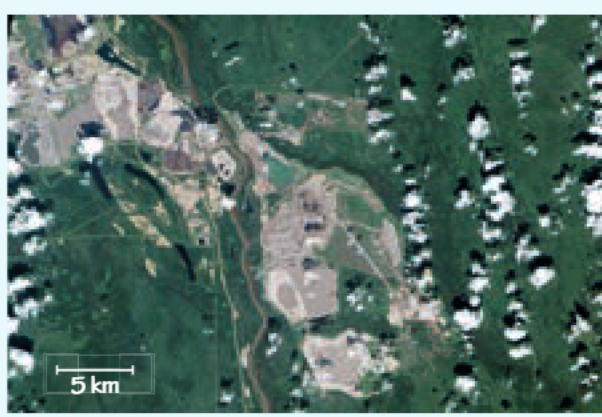
The Athabasca Oil Sands Project in Canada's boreal ecosystem provides a clear example of how large-scale commercial exploitation can impact biosphere services. This extensive mining operation covers approximately 20 square kilometres and demonstrates the potential consequences of resource extraction on local communities and ecosystems.
Key Impacts:
- Destruction of natural habitat and traditional resources
- Loss of food, fuel, building materials, and medicines for local communities
- Significant risks to water quality through potential pollution
- Long-lasting negative effects extending beyond the extraction site
The mining activities have disturbed vast areas of natural habitat, destroying the plants and animals that local people traditionally relied upon for food, fuel, building materials, and medicines. This disruption breaks the connection between local communities and their traditional biosphere resources, forcing them to seek alternatives that may be less sustainable or more expensive.
Furthermore, the oil extraction process poses significant risks to water quality through potential pollution. Since clean drinking water represents one of the most vital biosphere resources, any contamination could severely impact the health and wellbeing of local populations. This example illustrates how commercial exploitation can create long-lasting negative effects that extend far beyond the immediate extraction site.
Summary
Key Points to Remember:
- The biosphere provides four essential categories of resources: food, medicine, fuel, and building materials that support human civilisation
- Sustainable use of biosphere resources allows communities to meet their needs without depleting these vital resources for future generations
- Commercial exploitation creates significant challenges, particularly water scarcity from increased demand and competition between biofuel production and food security
- Large-scale resource extraction projects can destroy traditional biosphere services that local communities depend upon for their survival and wellbeing
- Balancing human development needs with biosphere conservation requires careful planning to ensure both environmental sustainability and human welfare